How to Remove Grease Stains: Complete Guide
Master the art of removing stubborn grease stains from any surface with proven methods.
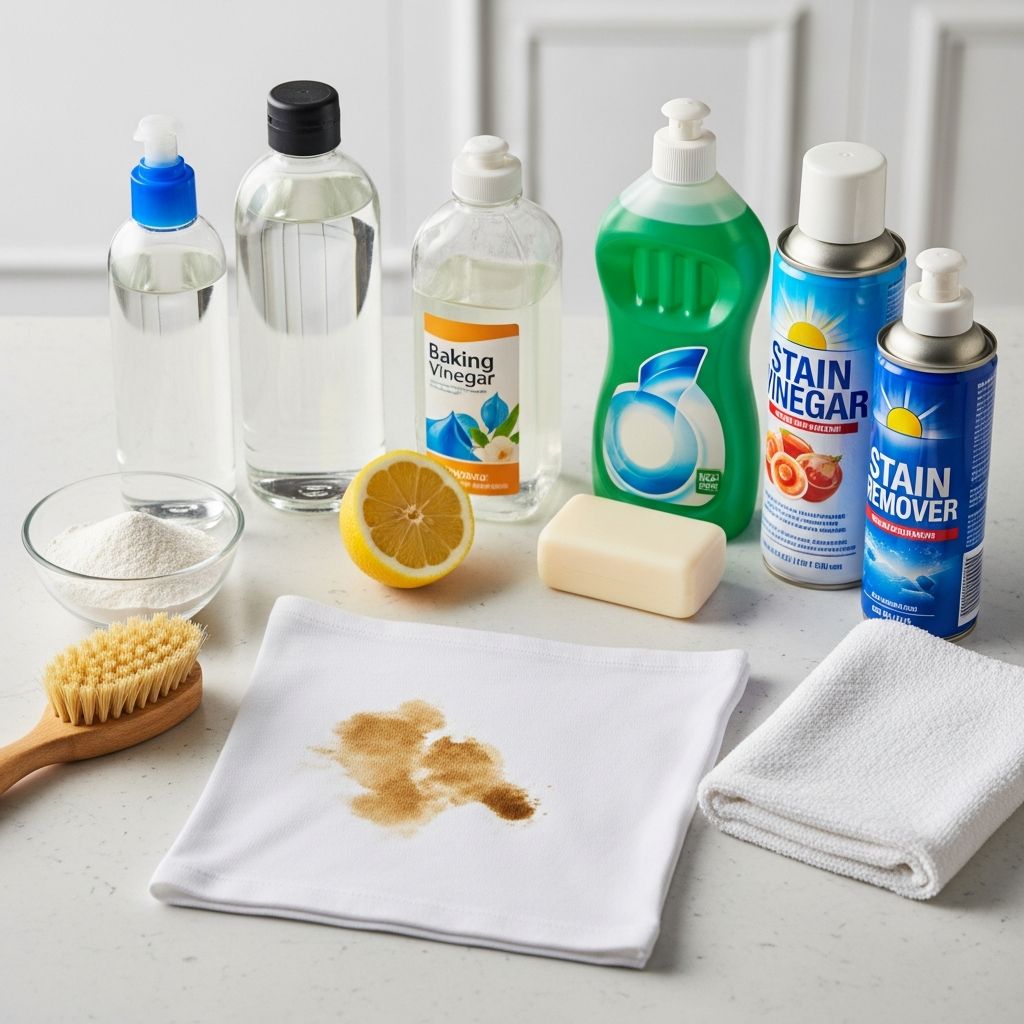
Grease stains are among the most challenging and stubborn marks to remove from fabrics, carpets, and hard surfaces. Whether you’ve accidentally dripped cooking oil on your favorite shirt, splattered grease on your kitchen tiles, or stepped on a greasy spot that transferred to your carpet, these unsightly marks can seem permanent if not treated properly. However, with the right knowledge and techniques, removing grease stains is entirely possible and often requires only common household items. This comprehensive guide will walk you through various methods to tackle grease stains on different surfaces, ensuring your belongings remain pristine and clean.
Understanding Grease Stains
Before diving into removal methods, it’s important to understand what makes grease stains so difficult to eliminate. Grease is an oily substance that doesn’t dissolve in water, which is why traditional washing alone rarely works. Grease stains penetrate fabric fibers and can set deeper when exposed to heat, making them harder to remove over time. The key to successful removal is acting quickly and using the right approach for the specific surface you’re treating.
Treating Grease Stains on Clothing
Clothing items are often the first casualties of grease accidents. Prompt action is crucial when a grease stain occurs on your garments.
Immediate Action Steps
As soon as you notice a grease stain on clothing, avoid washing it immediately. Heat from water can set the stain permanently into the fabric. Instead, blot the stain gently with a clean, dry cloth to remove excess grease. Never rub the stain, as this can push the grease deeper into the fibers.
Using Dish Soap Method
Dish soap is highly effective for treating grease stains because it’s specifically formulated to break down oily residues. Apply a small amount of liquid dish soap directly to the stain and gently work it in with a soft brush or your fingers. Let it sit for 5-10 minutes to allow the soap to penetrate the stain. Then rinse with warm water and inspect the area. If the stain persists, repeat the process before placing the item in the washing machine.
Baking Soda Application
Baking soda is a powerful grease absorber and works particularly well on fresh stains. Sprinkle a generous amount of baking soda directly onto the grease stain and let it sit for 15-30 minutes. The powder will absorb the grease from the fabric fibers. After the time has elapsed, gently brush away the baking soda and proceed with your regular washing routine. This method works best when combined with a pre-treatment soap application.
Cornstarch Alternative
Similar to baking soda, cornstarch is an excellent grease-absorbing powder. Apply it liberally to the stain and allow it to work for 15-30 minutes. Cornstarch is particularly effective on delicate fabrics that might be damaged by harsher treatments. Brush away the powder gently and launder as usual. Many people prefer cornstarch for silks and other delicate materials.
Removing Grease from Carpets
Carpet grease stains require a slightly different approach than clothing due to the carpet’s construction and the difficulty of treating it in place.
Initial Blotting Technique
When grease spills on carpet, immediately blot the area with paper towels or a clean cloth. Press down gently to absorb as much of the liquid grease as possible. Avoid rubbing, which can spread the stain and work it deeper into the carpet fibers. Continue blotting until no more grease transfers to your cloth.
Powder Treatment for Carpets
After initial blotting, apply baking soda or cornstarch to the affected area. Sprinkle a generous layer across the stain and let it sit for 15-30 minutes. These powders will absorb the remaining grease from the carpet fibers. Once the time has passed, vacuum thoroughly to remove all powder residue. This method often eliminates the stain entirely without requiring liquid cleaners.
Soap and Water Solution
For more stubborn carpet grease stains, mix a few drops of dish soap with warm water to create a cleaning solution. Dip a clean cloth into the solution and blot the stain repeatedly. Work from the outside edges of the stain toward the center to prevent spreading. Rinse the area with clean water and blot dry. You may need to repeat this process several times for deep-set stains.
Specialized Carpet Cleaners
If household methods don’t work, commercial carpet cleaning products designed for grease removal are available. Always test any product on a hidden area of carpet first to ensure it won’t cause discoloration. Follow the product instructions carefully and allow adequate drying time before allowing foot traffic on the treated area.
Treating Hard Surfaces
Grease stains on kitchen counters, stovetops, and other hard surfaces require different techniques than porous materials.
Hot Water and Dish Soap
For most hard surfaces, a simple solution of hot water and dish soap is highly effective. Apply the soapy water to the greasy area and let it sit for a few minutes to break down the grease. Wipe clean with a cloth or sponge. For particularly stubborn spots, let the soapy water sit longer or apply it multiple times.
Baking Soda Paste
Create a paste by mixing baking soda with a small amount of water. Apply this paste to the grease stain and let it sit for several minutes. Scrub gently with a soft brush or cloth and rinse thoroughly. This method is excellent for countertops and won’t scratch most surfaces.
Vinegar Solution
White vinegar is another effective grease cutter. Mix equal parts white vinegar and water in a spray bottle. Spray the solution onto the grease stain and let it sit for a few minutes. Wipe clean with a cloth. The acidity in vinegar helps break down greasy residues effectively.
Deep-Set and Aged Grease Stains
Older grease stains that have been set in for extended periods require more aggressive treatment methods.
Extended Soaking
For clothing with old grease stains, soak the garment in a mixture of water and dish soap for several hours or overnight. The extended contact time allows the soap to penetrate and break down the set-in grease. After soaking, gently wash as usual.
Enzyme-Based Cleaners
Enzyme cleaners are specifically designed to break down protein and oil-based stains. These products are particularly effective on aged grease stains. Apply according to package directions and allow adequate contact time before laundering or wiping clean.
Professional Dry Cleaning
For valuable garments with stubborn grease stains, professional dry cleaning services may be your best option. Dry cleaners use specialized solvents designed to dissolve and remove grease without damaging delicate fabrics.
Prevention Tips
While knowing how to remove grease stains is valuable, prevention is always preferable. Wear an apron while cooking to protect clothing from splatter. Use appropriate cookware and maintain proper heat levels to minimize grease splatter. When eating greasy foods, place a protective cloth over your lap. These simple precautions can significantly reduce the likelihood of grease stains occurring in the first place.
Common Mistakes to Avoid
Several common errors can make grease stain removal more difficult. Never use hot water immediately on a fresh grease stain, as heat can set it permanently. Avoid rubbing the stain, which spreads grease and works it deeper into fibers. Don’t attempt to dry a stain with a dryer or heat gun before it’s completely removed, as heat sets the stain. Finally, don’t mix cleaning products unless specifically recommended, as chemical reactions can create ineffective or potentially harmful solutions.
Treating Different Fabric Types
Different fabrics require different approaches to grease stain removal. Delicate fabrics like silk and satin should be treated gently with mild solutions and minimal scrubbing. Natural fibers like cotton and linen are more durable and can handle stronger treatments. Synthetic fabrics vary in their sensitivity, so always check care labels before applying any treatment. Wool requires special care and may benefit from professional cleaning services for stubborn stains.
When to Seek Professional Help
Some situations warrant professional intervention. If a stain affects a valuable or delicate garment, professional dry cleaners have the expertise and materials to handle it safely. For large grease stains on carpets covering significant areas, professional carpet cleaning services have industrial-strength equipment. If home remedies have been unsuccessful after several attempts, professionals can assess the situation and recommend appropriate solutions.
Frequently Asked Questions
Q: How long should I wait before treating a grease stain?
A: The sooner you treat a grease stain, the better your chances of complete removal. Ideally, treat the stain within hours of it occurring. However, even aged stains can often be removed with appropriate methods and extended treatment times.
Q: Can I use cold water to rinse a grease stain?
A: Yes, cold water is preferable to hot water for rinsing grease stains, as heat can set the stain. Cold water helps rinse away loosened grease without causing the remaining grease to bond permanently to the fibers.
Q: Is it safe to use bleach on grease stains?
A: Bleach is generally not recommended for grease stains, as it’s designed to remove color-based stains and dyes rather than oily residues. Additionally, bleach can damage certain fabrics and cause discoloration. Stick with soap-based solutions or specialized grease cleaners instead.
Q: Will a grease stain disappear on its own over time?
A: No, grease stains do not disappear without treatment. In fact, they often become more set and difficult to remove as time passes. The longer a grease stain sits, the more it bonds to the fabric or surface fibers.
Q: Can I use the same method for all types of surfaces?
A: Different surfaces require different approaches. Fabrics need gentler treatment than hard surfaces, and delicate materials require different methods than durable ones. Always tailor your approach to the specific material you’re treating.
Q: What if the grease stain won’t come out after multiple treatments?
A: If a stain persists after several treatment attempts, it may be permanently set or require professional attention. Professional dry cleaners or carpet cleaning services have access to stronger solvents and specialized equipment that can sometimes remove stubborn stains that home methods cannot.
References
- Effective Methods to Remove Grease Stains from Carpet Without Damaging Fibers — DHgate Smart. Accessed 2025. https://smart.dhgate.com/effective-methods-to-remove-grease-stains-from-carpet-without-damaging-fibers/
- How to Pre-Treat Stains — HGTV. 2017. https://www.youtube.com/watch?v=nUYLeSnnQLQ
- Cleaning and Stain Removal Guide — The Spruce. https://www.thespruce.com/
Similar Articles


Read full bio of medha deb