How to Remove Paint from Clothes: Complete Guide
Master paint stain removal with proven methods for fresh and dried paint on any fabric.
How to Remove Paint from Clothes: A Complete Guide
Paint stains on clothing can feel like a permanent disaster, especially when they happen to your favorite shirt or jacket. Whether you’re an artist, a DIY enthusiast, or simply had an unfortunate accident while painting your home, discovering paint on your clothes can be disheartening. However, the good news is that paint stains are not always permanent, and with the right approach and quick action, you can often restore your garment to its original condition. The key to successful paint removal lies in understanding the type of paint, acting quickly when possible, and knowing which techniques work best for different situations.
Paint stains present unique challenges because the methods that work depend heavily on whether the paint is wet or dry, the type of fabric involved, and the specific paint product used. Acrylic paint, oil-based paint, and latex paint each require different removal strategies. Additionally, the longer paint sits on fabric, the more difficult it becomes to remove. This comprehensive guide will walk you through all the methods and tricks to tackle paint stains effectively, helping you salvage garments you thought were lost to permanent staining.
Act Fast: Removing Wet Paint Immediately
The most important rule when dealing with paint stains is to act immediately. Wet paint is exponentially easier to remove than dried paint, so if you notice a paint stain while it’s still fresh, drop everything and address it right away. The sooner you take action, the better your chances of complete removal.
Immediate Steps for Fresh Paint
When you first notice wet paint on your clothing, follow these immediate steps:
Blot Don’t Rub: Your first instinct might be to rub the stain, but resist this urge. Instead, use a clean cloth or paper towel to gently blot the paint. Rubbing will only spread the paint further into the fabric fibers, making the problem worse. Blot from the outside edges of the stain toward the center to prevent it from spreading.
Rinse with Cold Water: Rinse the stained area under cold running water as quickly as possible. Cold water is preferable to warm water because it helps prevent the paint from setting into the fabric. Hold the garment under the water and gently work the paint out of the fibers with your fingers or a soft cloth.
Apply Mild Soap: Once you’ve rinsed away as much wet paint as possible, apply a mild dish soap or laundry detergent directly to the stain. Gently work it into the fabric with your fingers, creating a lather. Continue rinsing with cold water until the soap is completely removed and no more paint appears in the rinse water.
In most cases, this simple three-step process will completely remove wet paint from your clothing without any permanent damage to the fabric. The key is to work quickly and gently, always remembering that patience and care will yield the best results.
Tackling Dried Paint Stains
If the paint has already dried on your clothing, the removal process becomes more challenging but is still often possible with the right approach. Dried paint has set into the fabric fibers, requiring stronger solvents and more aggressive techniques to remove.
Rubbing Alcohol Method
One of the most effective methods for removing dried acrylic paint is using rubbing alcohol, specifically 99% isopropyl alcohol. This concentration is crucial because lower percentages are less effective at breaking down paint.
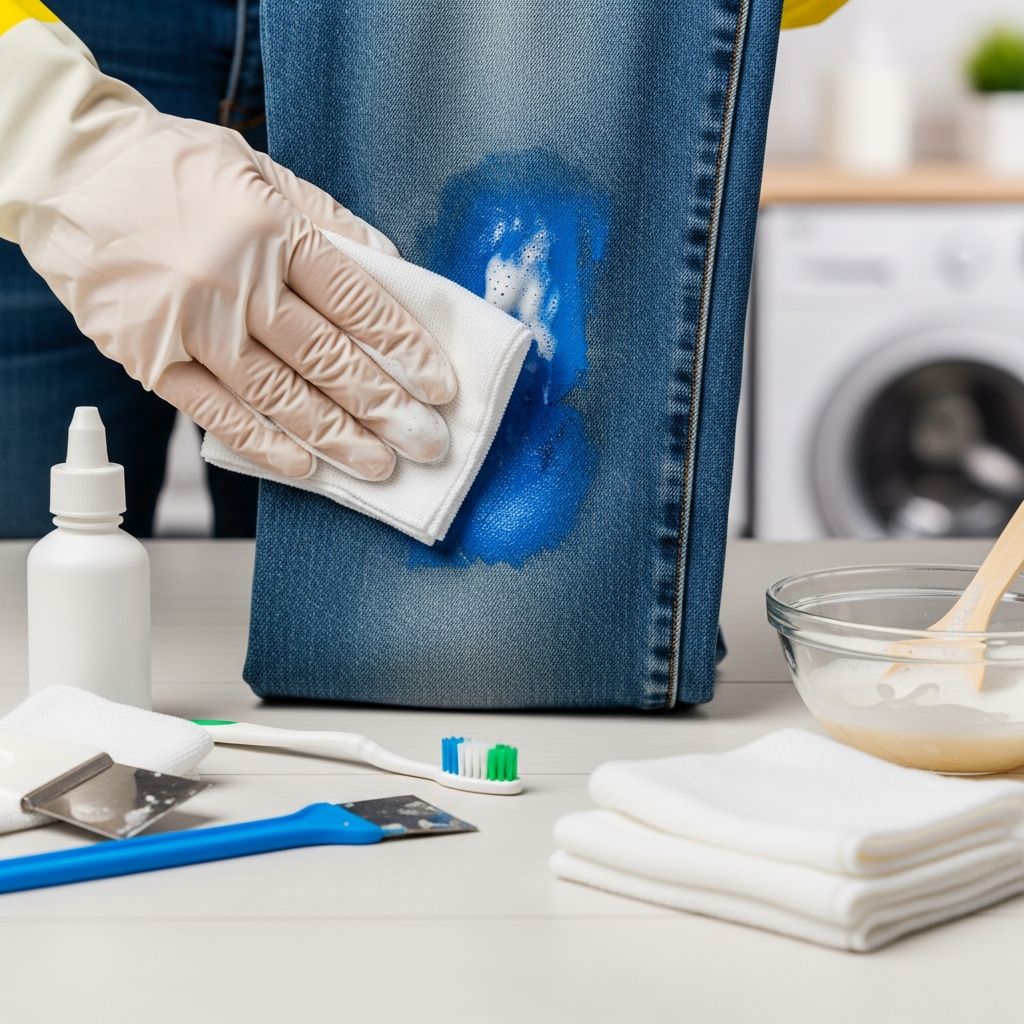
How to Use Rubbing Alcohol: Saturate the dried paint stain with 99% isopropyl alcohol. Allow the alcohol to soak into the fabric for a few minutes, which gives it time to begin dissolving the paint. Using a bone folder, credit card edge, or soft brush, gently scrape away the loosened paint. Work carefully to avoid damaging the fabric. Blot the area with a clean, soft cloth to remove dissolved paint. Repeat this process multiple times if necessary, reapplying alcohol as needed.
This method works particularly well on cotton and synthetic fabrics but may be less effective on delicate materials. It’s important to note that while rubbing alcohol can remove a significant portion of dried paint, some stubborn colors like deep greens and reds may leave faint residue even after repeated treatments.
Specialized Stain Remover Products
For the most reliable results with dried paint, specialized stain removal products specifically formulated for paint and tough stains often deliver superior outcomes. Products like 1000+ Stain Remover have earned reputations for effectiveness without harming clothing or skin.
Application Process: Apply the stain remover directly to the dried paint stain and allow it to sit for several minutes. This waiting period allows the product’s solvents to penetrate and soften the paint. Using a wet cloth, gently rub the stain in circular motions. Blot the area with a clean cloth to remove the dissolved paint and product residue. Rinse the area thoroughly with clean water. Repeat if necessary until the stain is gone or significantly faded. Once satisfied with the results, wash the garment normally with your regular laundry detergent.
These specialized products are designed to be gentle on fabrics and skin while remaining powerful enough to break down paint pigments. They often work on multiple types of stains beyond paint, making them valuable additions to your cleaning arsenal.
Baking Soda Paste Solution
For a more natural approach, a paste made from baking soda, dish soap, and rubbing alcohol can effectively tackle stubborn dried paint stains. Mix equal parts of each ingredient to create a thick paste.
Application: Apply the paste generously to the dried paint stain and allow it to sit for 15-30 minutes. This allows the baking soda to act as a gentle abrasive while the soap and alcohol work to dissolve the paint. Using a soft brush or cloth, gently scrub the paste into the fabric. Rinse thoroughly with cold water until all paste residue is removed. Wash the garment normally.
This method is particularly useful for eco-conscious individuals who prefer avoiding harsh chemicals while still achieving effective stain removal.
Professional Solutions
If the stained garment is particularly valuable or made from delicate fabric, professional dry cleaning may be your best option. Professional dry cleaners have access to industrial-strength solvents and specialized equipment designed to remove even the most stubborn paint stains without damaging the fabric.
When taking garments to a dry cleaner, inform them specifically that the stain is paint and how long it has been present. This information helps them select the most appropriate treatment method and sets realistic expectations about whether complete removal is possible. While professional cleaning costs more than home remedies, it’s often worth the investment for cherished clothing items.
Understanding Different Paint Types
The type of paint involved in the stain affects which removal methods will be most effective. Different paint formulations respond differently to various solvents and techniques.
Acrylic Paint
Acrylic paint is water-based and relatively easier to remove compared to other types, especially when wet. Most of the techniques described in this guide, including cold water rinses, soap solutions, rubbing alcohol, and commercial stain removers, work well on acrylic paint. Since acrylic paint dries through water evaporation rather than chemical reactions, rehydrating it with appropriate solvents can help break it down for removal.
Oil-Based Paint
Oil-based paints require different treatment approaches than acrylic paints. These paints are not water-soluble, so cold water alone won’t remove them. Oil-based paint stains typically require paint thinner, turpentine, or specialized oil-based stain removers. These products should be used with caution, as they’re more caustic than solutions used for acrylic paint, and they may damage some delicate fabrics.
Latex Paint
Latex paint, which is water-based but thicker than acrylic, responds well to many of the same methods as acrylic paint. Cold water, mild soap, and rubbing alcohol are all effective on latex paint stains. The removal process may require more patience and repetition than with lighter acrylic paint stains.
Fabric Type Considerations
Different fabrics respond differently to stain removal treatments, and considering your garment’s material is essential for avoiding damage.
Sturdy Fabrics
Cotton, denim, and canvas are robust fabrics that can withstand aggressive scrubbing and harsh solvents. These materials are ideal candidates for rubbing alcohol treatment and stiff-bristled brush scrubbing. You can apply considerable pressure without worrying about damaging the fabric, making paint removal generally more straightforward.
Delicate Fabrics
Silk, wool, and other delicate materials require gentler handling. For these fabrics, avoid vigorous scrubbing and harsh solvents. Instead, use professional dry cleaning services or very mild solutions applied with soft cloths. The risk of permanent damage to these fabrics through aggressive treatment often outweighs the benefit of stain removal attempted at home.
Synthetic Fabrics
Polyester and other synthetic blends typically fall between sturdy and delicate categories. Most of the removal techniques described work well on synthetics, though you should still test any solvent on an inconspicuous area first to ensure it doesn’t cause discoloration or damage.
Critical Warning: The Dryer Effect
One of the most important things to remember about paint-stained clothing is that heat sets paint stains permanently into fabric fibers. If a garment with a paint stain has already been through the clothes dryer, removal becomes virtually impossible. The high heat causes paint pigments to bond irreversibly with the fabric, making any removal efforts futile.
Prevention Tip: Always inspect clothing before washing and drying. If you notice a paint stain, address it immediately using one of the methods described in this guide. Only wash and dry the garment once you’re confident the stain has been completely removed. If any paint remains after treatment, repeat the removal process before machine washing or drying.
Step-by-Step Paint Removal Guide
Here’s a systematic approach to removing paint stains based on whether they’re fresh or dried:
For Fresh/Wet Paint:
1. Blot the stain gently with a clean cloth or paper towel
2. Rinse the area under cold running water
3. Apply mild dish soap and gently work it into the fabric
4. Continue rinsing with cold water until the stain is gone
5. Wash the garment normally and dry as usual
For Dried Paint:
1. Test your chosen removal method on an inconspicuous area first
2. Apply your chosen solvent (rubbing alcohol, stain remover, or baking soda paste) to the stain
3. Allow it to sit for 10-30 minutes depending on the product
4. Gently scrub or rub the area with a soft cloth or brush
5. Blot and rinse thoroughly with clean water
6. Repeat if necessary
7. Wash the garment with regular detergent
8. Inspect before drying to ensure complete removal
Frequently Asked Questions
Q: Can I use warm water to remove paint stains?
A: No, always use cold water. Warm water can actually help set paint into fabric fibers, making removal more difficult. Cold water is far more effective for paint stain treatment.
Q: What if the paint stain has already been dried by heat from a dryer?
A: Unfortunately, once heat has set a paint stain, it’s virtually impossible to remove. This is why inspecting garments before machine drying is so critical. Always treat paint stains before putting clothes in the dryer.
Q: Is rubbing alcohol safe to use on all fabric types?
A: While rubbing alcohol is generally safe on most fabrics, it’s best to test it on an inconspicuous area first, especially on delicate materials. Always use 99% isopropyl alcohol for best results, as lower concentrations are less effective.
Q: How long can I wait before treating a paint stain?
A: The sooner you treat a paint stain, the better your chances of removal. Ideally, address it within hours of staining. Once paint has fully dried and set for days or weeks, removal becomes significantly more difficult.
Q: Should I scrub or rub paint stains?
A: Gentle rubbing or scrubbing works best. Harsh scrubbing can damage fabric fibers and spread the stain further. Always use soft cloths and gentle motions when treating paint stains.
Q: Can vinegar remove paint stains?
A: Vinegar has limited effectiveness on paint stains compared to specialized removers or rubbing alcohol. For best results, stick with the proven methods outlined in this guide.
Q: What’s the most effective paint stain removal method?
A: For fresh paint, immediate cold water and soap is most effective. For dried paint, 99% isopropyl alcohol or specialized stain removers like 1000+ Stain Remover deliver the best results. Professional dry cleaning offers the highest success rate for valuable or delicate garments.
Prevention Tips
The best approach to paint stains is preventing them in the first place. Wear appropriate protective clothing when painting, including aprons and old clothes you don’t mind staining. If you’re doing significant painting projects, consider wearing clothes you’re willing to sacrifice. Keep paint away from eating and relaxation areas, and always be aware of where wet paint is located to avoid accidental contact. Having cleanup supplies immediately available also enables quick response to any accidents.
Paint stains on clothing don’t have to mean the end of your favorite garment. By understanding the right removal techniques, acting quickly, and using appropriate products for your specific situation, you can successfully eliminate paint stains in most cases. Whether you choose household remedies or professional services depends on the garment’s value, the fabric type, and how long the stain has been present. Remember that speed is your greatest ally when fighting paint stains, and always prioritize protecting valuable garments through professional cleaning when necessary.
References
- Remove Paint from Clothing the Easy Way — Your Decorative Painting Resource. 2024. https://www.your-decorative-painting-resource.com/remove-paint-from-clothing.html
- How to Get Rid of Paint on Clothing: Easy Tips for Quick Results — Columbia Pike Laundry. 2024. https://www.columbiapikelaundry.com/post/how-to-get-rid-of-paint-on-clothing-easy-tips-for-quick-results
- Fix This: How To Remove a Paint Stain From Clothes – Easy DIY — 9News. May 15, 2017. https://www.youtube.com/watch?v=h1-Z7REh18M
Similar Articles



Read full bio of Sneha Tete