How to Remove Permanent Marker from Wood
Learn effective methods to safely remove permanent marker stains from wood surfaces and furniture.
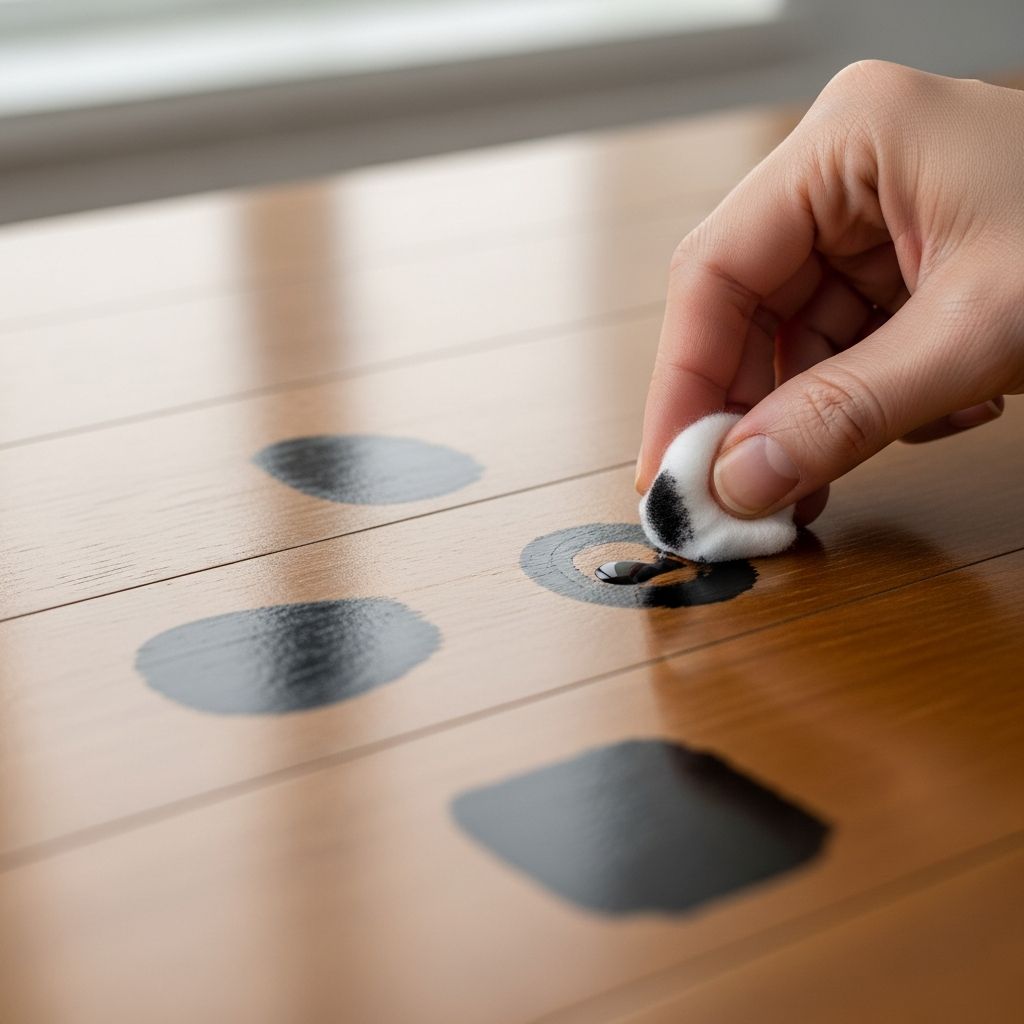
Permanent marker stains on wood surfaces can be frustrating, especially when they appear on prized furniture, desks, or decorative pieces. Whether it’s a child’s artwork on a wooden table, accidental marks on cabinet doors, or scribbles on wood floors, these stubborn stains don’t have to be permanent. With the right techniques and household items, you can effectively remove permanent marker from wood without damaging the finish or the wood itself.
The key to successful marker removal lies in understanding the composition of permanent ink and how various solvents interact with wood finishes. Most permanent markers, including popular brands like Sharpie, use alcohol-based solvents that dissolve the ink. By using similar or complementary solvents, you can lift the marker off the wood surface. This comprehensive guide will walk you through multiple proven methods, from gentle approaches for delicate finishes to more aggressive techniques for stubborn stains.
Understanding Permanent Marker Ink
Before attempting to remove marker stains, it’s helpful to understand what you’re dealing with. Permanent markers contain alcohol-based solvents that allow the ink to adhere to various surfaces and resist fading. This same alcohol-based composition is what makes these markers so effective—and also what makes them removable with the right approach.
The type of wood finish on your surface matters significantly when choosing a removal method. Polyurethane-finished wood, varnished surfaces, and painted wood all require different care levels. Unfinished or raw wood tends to absorb marker ink more deeply, making removal more challenging and requiring more aggressive techniques.
Method 1: Rubbing Alcohol—The Most Effective Solution
Best for: Most finished wood surfaces, furniture, tables, and desks with polyurethane finishes.
Rubbing alcohol, also known as isopropyl alcohol, stands as one of the most potent and reliable solutions for removing permanent marker stains from wood. The alcohol content directly targets the alcohol-based solvents in marker ink, breaking them down and making them easy to wipe away.
Steps to Use Rubbing Alcohol:
1. Test the solution on an inconspicuous area first to ensure it won’t damage or discolor your wood finish
2. Apply a small amount of rubbing alcohol to a soft cloth or cotton pad
3. Gently rub the marker stain in circular motions
4. The ink should begin to lift immediately onto the cloth
5. Continue rubbing until the stain disappears completely
6. Wipe the area with a damp cloth to remove any alcohol residue
7. Dry thoroughly with a clean towel
Important note: Rubbing alcohol is not recommended for unfinished or raw wood surfaces, as it can penetrate and cause discoloration or water rings. Always use gentle pressure and avoid aggressive scrubbing that could damage the wood finish.
Method 2: Dry-Erase Marker—A Surprising Solution
Best for: Polyurethane-finished wood surfaces and furniture with protective coatings.
This clever method uses a dry-erase marker to remove permanent marker stains. It sounds counterintuitive, but it works because dry-erase markers contain different solvents that can lift permanent marker ink from the wood surface.
Steps to Use a Dry-Erase Marker:
1. Select a dry-erase marker in any color
2. Completely trace over the permanent marker stain with the dry-erase marker
3. Immediately wipe away with a dry paper towel or clean cloth
4. Both the dry-erase and permanent markers should lift together
5. Repeat if necessary for stubborn or large stains
User testimonial: “Use dry erase marker to scribble over it. Then wipe away, it will take care of it. I use it at work to reuse folder separators.” This method has garnered significant praise from users looking for simple, chemical-free solutions.
Important note: This method is not recommended for unfinished or raw wood, as the dry-erase marker will soak in and potentially create a worse stain.
Method 3: Hand Sanitizer Gel—A Gentler Approach
Best for: Finished wood surfaces, wood doors, and family spaces where less aggressive cleaning solutions are preferred.
Hand sanitizer gel offers a gentler alternative to pure rubbing alcohol while maintaining effectiveness. Most hand sanitizer gels contain 60 to 70 percent alcohol, making them potent enough to dissolve permanent marker ink while being less harsh than undiluted rubbing alcohol. This method is particularly useful in homes with children or pets where you want to minimize harsh chemical exposure.
Steps to Use Hand Sanitizer:
1. Squeeze a small amount of hand sanitizer gel directly onto the marker stain
2. Use a soft cloth and rub gently in circular motions
3. The marker should begin to lift immediately
4. Continue rubbing for one to two minutes if necessary
5. Wipe away residue with a damp cloth
6. Dry the area thoroughly with a clean towel
7. Repeat if necessary for stubborn stains
This method combines effectiveness with safety, making it an excellent choice for common household use on wood furniture and surfaces.
Method 4: Toothpaste and Baking Soda—Natural Abrasive Solution
Best for: Wood cabinets, tables, and finished surfaces that need gentle abrasive action.
Toothpaste containing baking soda and hand sanitizer provides a gentle yet effective abrasive solution for marker removal. The mild abrasive particles in baking soda help lift the ink without scratching or damaging the wood finish.
Steps to Use Toothpaste and Baking Soda Paste:
1. Choose a white, paste toothpaste (not gel) that lists baking soda in the ingredients
2. Apply a small amount to a cotton swab or makeup removal pad
3. Rub the stain lightly, moving in the direction of the wood grain
4. Continue rubbing gently for 30 to 60 seconds
5. Wipe away residue with a damp cloth
6. Dry thoroughly
7. Repeat if necessary for stubborn marks
Always follow the wood grain to avoid creating scratches or marks that run counter to the natural wood pattern.
Method 5: Magic Eraser—Gentle and Effective
Best for: Light to moderate marker stains on finished wood surfaces.
Magic Erasers, made of melamine foam, work through gentle abrasion to lift marker stains from wood surfaces. They’re particularly effective for light stains and are gentler than many chemical solutions, though they require careful use to avoid damaging the finish.
Steps to Use a Magic Eraser:
1. Dampen the Magic Eraser with water (don’t oversaturate—just lightly moisten)
2. Gently rub the stained area using very light pressure
3. Use small, controlled motions rather than aggressive rubbing
4. Check frequently to ensure you’re not damaging the wood finish
5. Wipe clean with a damp cloth
6. Dry thoroughly
Test the Magic Eraser on an inconspicuous area first, as the abrasive action can affect certain finishes or wood colors.
Method 6: Nail Polish Remover—For Stubborn Stains
Best for: Stubborn, set-in marker stains on finished wood surfaces.
Nail polish remover containing acetone is a powerful solvent that can tackle particularly stubborn marker stains. However, this method requires caution and should be used as a last resort on finished surfaces, as acetone can damage paint and some wood finishes.
Steps to Use Nail Polish Remover:
1. Ensure your nail polish remover contains acetone (check the label)
2. Apply a small amount to a clean, dry cloth
3. Lightly dab the stain rather than rubbing
4. You’ll see the marker begin to dissolve immediately
5. Wipe quickly with a damp cloth to remove the dissolved ink
6. Dry the area thoroughly
Critical warning: Never use acetone-based nail polish remover on painted wood, as acetone can dissolve paint and damage the finish. Test on an inconspicuous area first to ensure compatibility with your specific wood finish.
Method 7: Commercial Products—Goo Gone and WD-40
Best for: Tough stains that resist other methods.
Commercial stain removers like Goo Gone and WD-40 are specifically formulated to tackle tough, stubborn stains. These products contain powerful solvents designed to break down various types of adhesives and inks.
How to Use Commercial Removers:
1. Read and follow all manufacturer instructions carefully
2. Test the product on an inconspicuous area first
3. Apply according to package directions
4. Allow to work for the recommended time
5. Wipe clean with a cloth
6. Rinse with a damp cloth if recommended
7. Dry thoroughly
Always ensure good ventilation when using commercial products, and wear gloves to protect your skin.
Method 8: Sanding—The Last Resort
Best for: Severe or deeply ingrained marker stains on unfinished or heavily damaged wood surfaces.
Sanding removes the top layer of wood along with the marker stain. This method is most appropriate when the stain is deeply embedded or when other methods have failed. However, sanding requires refinishing the surface afterward and should be considered a last resort.
Steps to Sand Out Marker Stains:
1. Use fine-grit sandpaper (220-grit or higher for finishing)
2. Sand with smooth, broad strokes, always following the direction of the wood grain
3. Sand the whole surface, not just the marker spot, to avoid creating a dip or uneven patch
4. Wipe everything down with a tack cloth to remove dust
5. Refinish the surface with appropriate wood stain, polyurethane, or other protective coating
This method is labor-intensive and requires refinishing, making it suitable only for severe cases or professional restoration.
Removing Marker from Different Wood Surfaces
Different wood surfaces and finishes require tailored approaches for safe and effective marker removal.
Wood Tables and Desks
Tables and desks typically feature polyurethane or varnish finishes that protect the underlying wood. Start with rubbing alcohol or dry-erase marker methods, which are gentle enough to preserve these protective coatings while effectively removing marker stains.
Wood Doors
Wood doors, whether painted, stained, or natural, benefit from gentler methods like hand sanitizer or Magic Eraser. These approaches avoid aggressive chemicals that might damage paint or stain finishes.
Wood Cabinets
Cabinet surfaces, whether finished or painted, respond well to toothpaste and baking soda paste or gentle hand sanitizer application. These methods provide enough abrasive action to lift stains without being so aggressive that they damage cabinet finishes.
Hardwood vs. Softwood
Hardwoods like oak, maple, and cherry are denser and more durable, allowing for slightly more aggressive treatment. Softwoods like pine and cedar absorb stains more readily and require gentler, more careful approaches to avoid permanent damage.
Tips for Safe Marker Removal
Always Test First
Before applying any cleaning solution to a visible area, test it on an inconspicuous spot such as the back of a piece of furniture, underneath a table, or inside a cabinet. This prevents unpleasant surprises and potential damage to your prized furniture.
Work With the Wood Grain
When using abrasive methods like sanding or paste application, always work in the direction of the wood grain. This prevents creating visible scratches or marks that run counter to the natural wood pattern.
Use Gentle Pressure
Avoid aggressive scrubbing, which can damage wood finishes and create new problems while trying to solve the marker issue. Light, controlled pressure with circular motions typically works better than hard, directional scrubbing.
Protect the Surrounding Area
If using strong solvents like acetone or commercial removers, protect surrounding wood surfaces and materials by using painter’s tape or plastic sheeting.
Dry Thoroughly
After any cleaning method, ensure the wood is completely dry. Leaving moisture on wood can cause water rings, warping, or finish damage. Use a clean, dry towel and allow adequate air drying time.
Preventing Future Marker Stains
While these removal methods are effective, prevention is always preferable to remediation.
Keep markers away from children: Supervise children during arts and crafts activities to prevent accidental marking on furniture.
Use protective covers: When children are using markers, place them on protected surfaces like designated art tables or washable surfaces.
Store markers safely: Keep permanent markers in a secure location where young children cannot access them without supervision.
Apply wood sealers: Regular application of wood sealer or protective finishes creates a barrier that makes stain removal easier and helps prevent ink from penetrating the wood.
When to Call a Professional
For valuable antique furniture, professionally finished pieces, or when home methods haven’t worked after multiple attempts, consider consulting a professional wood restoration specialist. They have access to advanced techniques and products that might be appropriate for delicate or high-value pieces. Additionally, if you accidentally damage the wood finish while attempting marker removal, professionals can assess and repair the damage.
Frequently Asked Questions
Q: Can Magic Eraser remove permanent marker from wood?
A: Yes, Magic Erasers can effectively remove permanent marker from wood, particularly light to moderate stains. However, use them gently and test on an inconspicuous area first, as the abrasive melamine foam can affect certain finishes or wood colors with excessive scrubbing.
Q: How do you get permanent marker off polyurethane-finished wood?
A: Polyurethane finishes respond well to rubbing alcohol, dry-erase markers, or hand sanitizer gel. These methods are effective while being gentle enough to preserve the protective polyurethane coating. Always test in an inconspicuous area first to ensure no finish damage occurs.
Q: Is it possible to remove old permanent marker stains from wood?
A: Yes, older and more stubborn marker stains can be removed, though they may require stronger solutions like nail polish remover or more aggressive sanding. Patience and repeated applications often succeed where single attempts fail.
Q: What should I do if the marker stain won’t come off?
A: If multiple methods haven’t worked, try stronger solutions like acetone-based nail polish remover (test first). For valuable furniture or if you’re concerned about damage, consult a professional wood restoration specialist rather than risk further damage.
Q: Can I use acetone on all wood surfaces?
A: No, acetone should never be used on painted wood as it can dissolve paint. Always test acetone products on an inconspicuous area of stained or natural wood finishes before full application to ensure compatibility with your specific finish.
Q: How can I prevent permanent marker stains on wood furniture?
A: Prevent stains by keeping permanent markers away from children during unsupervised time, storing markers securely, using protected surfaces for art activities, and applying wood sealer or protective finishes regularly to create a barrier against ink penetration.
References
- How to Get Permanent Marker off Wood: Top 10 Household Methods — Lumber Grand. 2024. https://lumbergrand.com/blogs/news/how-to-get-permanent-marker-off-wood
- 12 Effective Ways To Remove Permanent Marker Stains From Wood Furniture — Quantum Bazaar. 2024. https://www.quantumbazaar.com/12-effective-ways-to-remove-permanent-marker-stains-from-wood-furniture/
- Isopropyl Alcohol Uses and Safety — U.S. National Library of Medicine. https://pubchem.ncbi.nlm.nih.gov/compound/Isopropyl-alcohol
Similar Articles



Read full bio of Sneha Tete