How to Remove Rust from Concrete: Complete Guide
Learn effective methods to remove rust stains from concrete surfaces permanently.
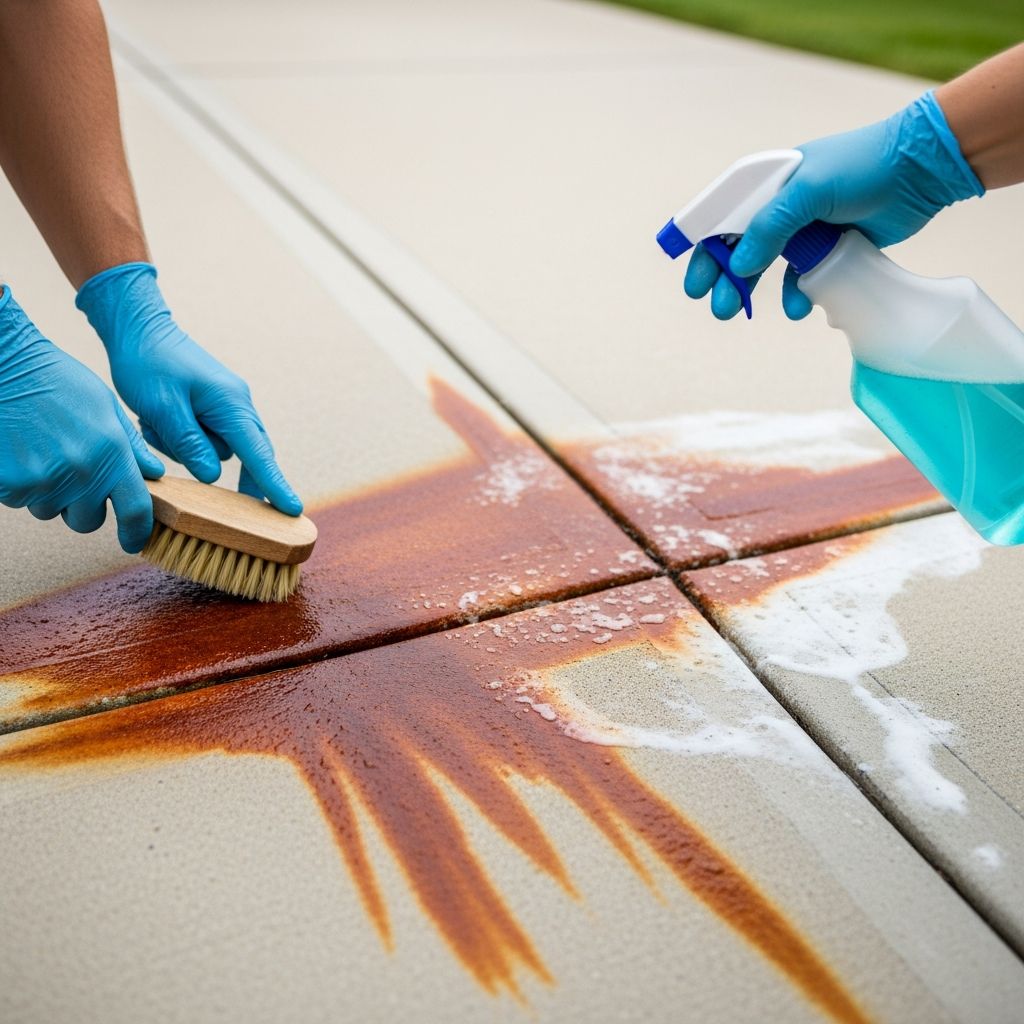
How to Remove Rust from Concrete: A Complete Guide
Rust stains on concrete surfaces can be frustrating and unsightly, whether they appear on your driveway, patio, or sidewalk. These stubborn blemishes often result from metal furniture, tools, or irrigation systems that leave oxidized deposits on the porous surface of concrete. Understanding the different removal methods available will help you restore your concrete to its original appearance and prevent future staining.
Understanding Rust Stains on Concrete
Rust stains develop when metal objects come into contact with concrete over extended periods. The oxidized iron particles seep into the porous surface, creating orange or brown discoloration that becomes increasingly difficult to remove the longer it remains. These stains are particularly common in areas with high humidity, near metallic furniture, or where iron-rich well water is used for irrigation.
The severity of rust stains varies depending on how long they’ve been present and the amount of metal oxidation that has occurred. Fresh stains may respond to lighter cleaning methods, while older, deeper stains typically require more aggressive treatment with specialized rust removal products.
Commercial Rust Removal Products
Best Commercial Solutions
When it comes to effectively removing rust from concrete, commercial rust stain removers significantly outperform household products and DIY solutions. Rid O’ Rust® Stain Remover by American Hydro stands out as an excellent option for exterior surfaces. This ready-to-use formula requires no dilution and works on concrete, decks, fences, vinyl siding, and brick surfaces. The product contains specialized acids that break down rust stains without damaging the underlying concrete.
Singerman Laboratories Concrete Rust Remover also performs exceptionally well, particularly in challenging situations where other products fail. This product comes in crystal form and transforms into a gel when mixed with water, making it easy to apply and highly effective for stone and masonry surfaces.
How Commercial Rust Removers Work
Commercial rust removal products work by using specially formulated acids that dissolve rust stains at the molecular level. Unlike household cleaners, these products are designed specifically for concrete’s porous nature, allowing them to penetrate deep into the surface where rust particles have embedded themselves. The chemical composition ensures rust stains are lifted without causing damage to the concrete structure itself.
Step-by-Step Process for Removing Rust Stains
Preparation
Before beginning the rust removal process, gather the necessary supplies: a commercial rust stain remover, a pump or trigger sprayer, a hose with water access, and optional cleaning tools such as a soft brush or drill brush for stubborn stains. Clear the area of loose debris and ensure good ventilation, especially if working in an enclosed space.
Application Steps
Step 1: Add the rust stain remover to your sprayer – Pour your chosen rust removal product into a clean pump or trigger sprayer. Most commercial products like Rid O’ Rust® come ready-to-use and don’t require dilution, though some products may need to be diluted according to package instructions.
Step 2: Test on a small area – Before treating the entire stained area, spray the rust remover on a small, inconspicuous section. Allow it to sit for a few minutes and observe the reaction. This test ensures the product will be effective and won’t cause discoloration to surrounding concrete.
Step 3: Cover the entire stained area – Once you’ve confirmed the product works effectively, generously coat the entire rust-stained area. Ensure complete coverage until rust stains begin to fade or disappear. No vigorous scrubbing is required with quality commercial products, though light brushing can enhance results on stubborn stains.
Step 4: Allow appropriate soaking time – Most rust removers require 5-15 minutes of soaking time to work effectively. Refer to your product’s instructions for specific timing. Patience during this stage significantly improves results.
Step 5: Rinse thoroughly – Using clean water from a hose, thoroughly rinse the treated area. Do not allow the rust remover to air dry, as residue left behind can create its own stains. Rinse until all product residue is completely removed.
Household and DIY Methods
Vinegar
White vinegar is frequently recommended as a natural rust removal solution. While vinegar contains acetic acid that can break down rust, it is significantly less effective than commercial rust removers. Testing has shown that vinegar alone produces inconsistent results and typically requires multiple applications and vigorous scrubbing. However, for very light surface rust, vinegar combined with gentle brushing and soaking time may provide modest improvement. Apply vinegar, let it sit for 10-15 minutes, then scrub with a soft brush and rinse thoroughly.
Baking Soda
Baking soda paired with vinegar is another popular DIY approach, though testing reveals it ranks among the least effective options for concrete rust removal. The combination creates a mild abrasive paste that may work on extremely light surface staining but will not address embedded rust particles. This method requires significant physical effort with poor results compared to commercial alternatives.
Lemon Juice
Lemon juice, like vinegar, contains citric acid that theoretically can dissolve rust. In practice, however, lemon juice proves insufficient for most concrete rust stains and generally underperforms compared to commercial products and even vinegar. This method works best as a mild maintenance cleaner rather than a solution for existing stains.
Muriatic Acid
Muriatic acid (hydrochloric acid) effectively removes rust stains when diluted 50/50 or less with water. However, this approach carries significant safety risks, including skin burns, respiratory irritation, and environmental hazards. Professional-grade handling is essential, and many homeowners prefer safer commercial alternatives. Additionally, muriatic acid can create bright spots that don’t match the surrounding concrete’s aged appearance.
Comparing Rust Removal Methods
| Method | Effectiveness | Cost | Safety | Time Required |
|---|---|---|---|---|
| Commercial Rust Removers (Rid O’ Rust®, Singerman) | Excellent | Moderate | Safe with precautions | 15-30 minutes |
| Vinegar | Poor to Fair | Very Low | Very Safe | 1+ hours |
| Baking Soda & Vinegar | Poor | Very Low | Very Safe | 2+ hours |
| Lemon Juice | Poor | Low | Very Safe | 2+ hours |
| Muriatic Acid | Excellent | Low | Hazardous | 10-20 minutes |
Preventing Future Rust Stains
Apply Concrete Sealant
One of the most effective prevention strategies is applying quality concrete sealant. Sealant fills the porous surface of concrete, creating a protective barrier that prevents rust particles, water, salt, oil, and UV rays from penetrating the material. Different sealant types offer varying protection durations:
Urethane Sealers – These sealants typically last 5-10 years before requiring reapplication. They provide good surface protection and are suitable for most residential applications.
Silicate Sealers – Penetrating silicate sealers form a chemical bond with concrete and can last 10 years or even the lifetime of the concrete itself. When the substrate surface eventually breaks down, the sealer can be reapplied for an additional 10+ years of protection.
Use a Rust Preventer
For properties with high iron content in water, whether from well water or sprinkler systems, a rust preventer offers targeted protection. Products like Rid O’ Rust® Rust Preventer are added to irrigation systems and neutralize iron in the water before it contacts concrete surfaces. This approach requires knowing your water’s iron levels and following the product’s dosage chart accordingly. Rust preventers are safe for animals, plants, and humans when used as directed.
Remove Metallic Objects
The simplest prevention method involves minimizing contact between metal objects and concrete surfaces. Avoid placing metal furniture, tools, or other iron-containing items directly on concrete for extended periods. This is particularly important during the window between removing rust stains and applying fresh sealant. Elevating metal objects on protective pads or stands prevents rust particles from forming and seeping into concrete pores.
Regular Maintenance
Maintaining concrete surfaces helps identify and address potential rust issues before they become severe. Regular cleaning removes debris and early-stage rust particles, while periodic inspection catches new stains quickly. Addressing fresh stains immediately requires minimal effort compared to removing deeply embedded rust.
Professional Solutions
For extensive rust staining, structural damage, or difficult-to-reach areas, professional concrete cleaning services may be necessary. Professionals have access to industrial-strength products, specialized equipment, and expertise that allow them to handle severe cases. They can also apply professional-grade sealants that provide superior long-term protection compared to consumer products.
Important Safety Considerations
When using any rust removal product, read and follow manufacturer instructions carefully. Wear appropriate protective equipment including gloves, eye protection, and ensure adequate ventilation. Test products on inconspicuous areas first to verify compatibility with your specific concrete type. Some products may cause discoloration or surface damage if used incorrectly. Keep rust removers away from children and pets, and dispose of used products according to local environmental regulations.
Frequently Asked Questions
Q: Can soap remove rust stains from concrete?
A: Common household soaps like dish soap can address very small rust stains but are far less effective than commercial rust removers. Soap may be useful for pre-cleaning an area before applying specialized rust removal products, but it will not effectively remove moderate to severe stains.
Q: How long does concrete sealant last?
A: Sealant longevity depends on the type used. Urethane sealers typically last 5-10 years, while silicate sealers can last 10 years to the lifetime of the concrete. Environmental factors and usage patterns affect actual durability.
Q: What causes rust stains on concrete?
A: Rust stains result from metal objects, including furniture and tools, seeping oxidized iron into concrete’s porous surface. High iron content in well water used for irrigation also frequently causes rust staining.
Q: Can I use vinegar to remove rust from concrete?
A: While vinegar contains acetic acid that can break down rust, it is significantly less effective than commercial rust removers and typically requires multiple applications and vigorous scrubbing with inconsistent results.
Q: How do I prevent rust stains on my concrete patio?
A: Prevent rust stains by applying concrete sealant, using rust preventers in irrigation systems, removing metal objects from concrete surfaces, and performing regular maintenance and inspection.
Q: Is muriatic acid safe for removing rust from concrete?
A: While muriatic acid effectively removes rust, it presents significant safety hazards including skin burns and respiratory irritation. Professional handling is essential, making commercial rust removers a safer alternative for most homeowners.
References
- How to Remove Rust Stains from Concrete — Fresh Water Systems. 2024. https://www.freshwatersystems.com/blogs/blog/how-to-remove-rust-stains-from-concrete
- Rust Remover Challenge: What Removes Rust Stains Off Concrete? — CarBuyingTips.com. 2024. https://www.youtube.com/watch?v=UNejQUNUpnw
- EASY Removing Rust from Concrete Patio with Vinegar — Home, Life & Leisure DIY. 2024-08-28. https://www.youtube.com/watch?v=afEgAdCtSZw
- What Works to Remove Rust Stains from Concrete — Practical Machinist Forum. https://www.practicalmachinist.com/forum/threads/what-works-to-remove-rust-stains-from-concrete.364496/
Similar Articles



Read full bio of Sneha Tete