How to Remove a Sticker from a Metal Surface
Master sticker removal from metal without damage using proven methods and household materials.
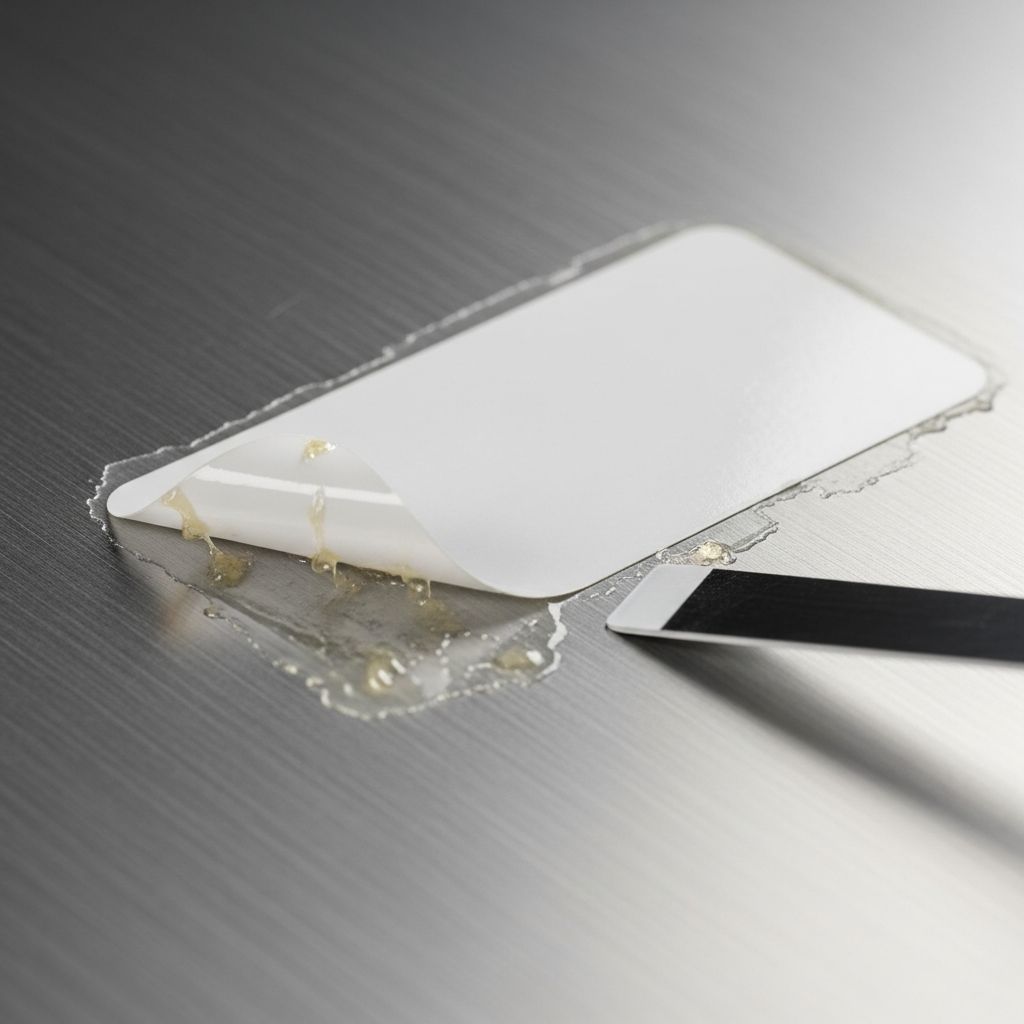
Metal surfaces—whether stainless steel appliances, metal tools, or aluminum frames—are susceptible to unwanted stickers, labels, and price tags that leave stubborn adhesive residue behind. Unlike more delicate surfaces, metal is generally forgiving, but improper removal techniques can lead to scratches, corrosion, or rust if not handled carefully. Learning the right approach to remove stickers from metal ensures your surfaces remain pristine while effectively eliminating adhesive buildup. This comprehensive guide walks you through multiple proven methods to tackle even the most persistent sticker residue.
Why Removing Stickers Properly Matters
Leaving sticker residue on metal surfaces can be more than just unsightly. Over time, adhesive residue can trap moisture and dirt, potentially leading to rust formation on certain metal types. Additionally, attempting to remove stickers using harsh tools or incorrect techniques can scratch or damage the metal’s finish. By using the proper removal methods outlined in this guide, you’ll protect your metal surfaces while achieving a clean, residue-free appearance.
Preparing Your Metal Surface
Before diving into removal techniques, preparation is essential. Start by assessing the sticker’s condition and the metal type you’re working with. Stainless steel, aluminum, and painted metal each have slightly different requirements. Begin by manually peeling away as much of the sticker as possible using your fingers or a soft plastic scraper. Work slowly and carefully, lifting the sticker at a low angle to minimize the risk of tearing or leaving residue behind. If the sticker tears during removal, don’t worry—the following methods will address any remaining adhesive.
Method 1: Rubbing Alcohol Treatment
Rubbing alcohol stands as one of the most effective and accessible solutions for removing sticker residue from metal surfaces. The high alcohol content dissolves adhesive compounds without corroding most metal types, making it an ideal first-line defense.
Step-by-Step Process:
Gather Your Materials: You’ll need rubbing alcohol (isopropyl alcohol), a soft cloth or cotton balls, and a plastic scraper or old credit card.
Apply the Alcohol: Moisten a soft cloth or cotton ball generously with rubbing alcohol. Dab or rub the alcohol-soaked cloth directly over the sticker residue. For stainless steel surfaces, follow the grain of the metal as you apply the alcohol to maintain the surface finish.
Let It Sit: Allow the rubbing alcohol to penetrate the adhesive for 2-3 minutes. This gives the solvent time to break down the adhesive bonds effectively.
Gently Scrape: Using a plastic scraper or old credit card, gently scrape away the loosened residue. Hold the scraper at a low angle (about 15-30 degrees) to avoid gouging or scratching the metal surface. Work slowly and patiently—aggressive scraping can damage the finish.
Final Wipe: Once the residue is removed, wipe the area with a clean, damp cloth to remove any remaining alcohol and adhesive particles. Dry thoroughly with a soft cloth.
Method 2: Cooking Oil or Baby Oil Application
Oil-based solutions offer an effective alternative, particularly for stubborn residue that resists other methods. The natural oils penetrate and soften dried adhesive, making it easier to remove without harsh chemicals.
Step-by-Step Process:
Select Your Oil: Cooking oil (olive or vegetable oil) or baby oil both work effectively. These oils are gentle on metal and won’t cause corrosion or discoloration.
Apply Generously: Pour a small amount of oil directly onto the sticker residue, or soak a cloth in oil and apply it to the affected area. Don’t be shy—adequate oil coverage ensures better adhesive penetration.
Wait Patiently: Let the oil sit for 5-10 minutes. For particularly stubborn residue, you can apply additional oil and wait longer. The extended contact time allows the oil to soften the adhesive thoroughly.
Rub Away: Using a soft cloth, rub the residue in circular motions. The adhesive should begin rolling away from the metal surface as you work. Continue until all visible residue is removed.
Degrease the Surface: After oil treatment, clean the area with warm soapy water to remove oily residue. Use a grease-cutting dish soap and a soft cloth. Rinse thoroughly and dry completely.
Method 3: White Vinegar Solution
White vinegar serves as an all-purpose household solution effective on glass and metal surfaces. The mild acidity breaks down adhesive compounds while remaining safe for most metal finishes.
Step-by-Step Process:
Prepare the Vinegar: Soak a clean cloth or cotton ball in white vinegar. Regular grocery store vinegar works perfectly—no need for specialized products.
Apply and Wait: Place the vinegar-soaked cloth directly onto the sticker residue and hold it there for 5-10 minutes. The acidity will begin dissolving the adhesive during this time.
Rub Gently: After the soaking period, use the same cloth to rub the residue with gentle, circular motions. The adhesive should start lifting away from the metal surface.
Finish and Dry: Once residue is removed, wipe the area with a clean, damp cloth to remove vinegar smell and any remaining particles. Dry thoroughly to prevent water spots or corrosion.
Method 4: Heat Application
Heat effectively softens adhesive, making it easier to peel away from metal surfaces. This method works particularly well for large stickers or labels that have been in place for extended periods.
Step-by-Step Process:
Use a Heat Source: A standard hairdryer set to medium heat works effectively for this method. Avoid extremely high heat that could damage any surrounding materials or paint.
Apply Heat: Direct the hairdryer at the sticker residue for 30 seconds to 1 minute. Move the dryer back and forth to distribute heat evenly across the residue.
Peel While Warm: While the residue is still warm, use a plastic scraper or your fingernail to gently lift the adhesive away. Work carefully to avoid burning yourself on the warm metal.
Cool and Clean: Allow the area to cool naturally, then wipe away any remaining residue with a damp cloth. This gentle approach minimizes surface damage.
Method 5: Commercial Adhesive Removers
For particularly stubborn sticker residue, commercial products like WD-40, Goo Gone, or 3M Adhesive Remover offer professional-strength solutions.
Step-by-Step Process:
Select the Right Product: WD-40 and similar lubricants effectively dissolve adhesive without corroding metal. Choose products specifically designed for metal surfaces when possible.
Apply According to Instructions: Most products require spraying the residue generously. Allow the product to sit for the recommended time (usually 2-5 minutes) to penetrate the adhesive.
Wipe Clean: Use a soft cloth to wipe away the loosened residue. For tough spots, use a plastic scraper with light pressure.
Final Cleanup: Clean the area with warm soapy water to remove any chemical residue, as some commercial products leave oily or strong-smelling films behind.
Special Considerations for Different Metal Types
Stainless Steel
Stainless steel requires special attention to maintain its appearance. Always work with the grain when scraping or wiping. Rubbing alcohol and vinegar work excellently without affecting the finish. Avoid leaving moisture on stainless steel, as water spots can become visible. Dry thoroughly after any cleaning.
Painted Metal
Painted metal surfaces demand extra caution to avoid damaging the paint finish. Use gentle methods like oil-based solutions or low-heat applications. Avoid aggressive scraping with metal tools, which can chip or scratch paint. Plastic scrapers are always preferable for painted surfaces.
Aluminum
Aluminum responds well to rubbing alcohol and oil treatments. Avoid prolonged contact with vinegar, which can cause oxidation on some aluminum types. After removal, dry thoroughly to prevent corrosion. Consider applying a thin coat of wax or protective finish for extra protection.
Comparison of Removal Methods
| Method | Speed | Cost | Surface Safety | Effectiveness |
|---|---|---|---|---|
| Rubbing Alcohol | Fast | Low | Excellent | Very High |
| Cooking Oil | Moderate | Low | Excellent | High |
| White Vinegar | Moderate | Low | Excellent | High |
| Heat Application | Fast | Low | Good | High |
| Commercial Removers | Very Fast | Moderate | Good | Very High |
Pro Tips for Success
Test First: Before applying any solution to visible areas, test it on an inconspicuous spot to ensure it won’t cause discoloration or damage.
Work With the Grain: When scraping or wiping stainless steel, always follow the grain direction to maintain the surface appearance.
Patience Pays Off: Rushing the removal process often leads to scratches or incomplete residue removal. Take your time and use gentle pressure.
Combine Methods: If one method isn’t fully effective, don’t hesitate to combine approaches. For example, apply heat first, then use rubbing alcohol.
Dry Thoroughly: After any wet cleaning method, always dry the metal surface completely to prevent water spots or corrosion.
Frequently Asked Questions
Q: What’s the safest method for removing stickers from stainless steel appliances?
A: Rubbing alcohol is the safest and most effective choice for stainless steel. Apply it with a soft cloth, let it sit for a few minutes, then gently scrape and wipe. Always work with the grain to maintain the appliance’s appearance.
Q: Can I use acetone or nail polish remover on metal?
A: While acetone can remove adhesive, it’s not recommended for metal surfaces as it may damage paint or finishes. Stick with rubbing alcohol or oil-based solutions instead.
Q: How do I prevent sticker residue from forming in the first place?
A: Remove stickers promptly rather than letting them sit for extended periods. Fresh stickers peel away more easily with minimal residue. Store metal items in dry conditions to prevent moisture from activating adhesives.
Q: Will heat damage painted metal surfaces?
A: When using low to medium heat with a hairdryer, painted metal surfaces should be fine. Avoid high heat settings that could cause paint damage or bubbling. Test on an inconspicuous area first.
Q: How long should I let rubbing alcohol sit on sticker residue?
A: Allow 2-3 minutes for the alcohol to penetrate and soften the adhesive. Longer durations (up to 5 minutes) can help with particularly stubborn residue, but extended exposure isn’t necessary for most situations.
Q: Is WD-40 safe for all metal types?
A: WD-40 is generally safe for most metal surfaces, but it leaves an oily residue that requires thorough cleaning with soap and water afterward. Avoid using it on food-contact surfaces.
Q: What should I do if the sticker tears during removal?
A: Don’t worry—the leftover adhesive residue responds well to the removal methods described in this guide. Simply apply your chosen solvent to the remaining residue and proceed with the standard removal process.
References
- How to Remove Sticker Residue from Clothes, Glass, Plastic, Metal and More — CRC Industries. 2025. https://www.crcindustries.com/blog/how-to-remove-sticker-residue-from-clothes-glass-plastic-metal-and-more/
- Remove Sticker Residue Without Damaging Surfaces — Stomp Stickers. 2025. https://stompstickers.com/blogs/articles/how-to-remove-sticker-residue-without-damaging-surfaces
- The Most Effective Ways To Remove Sticker Residue From Windows and Other Surfaces — Sticker Genius. 2025. https://www.stickergenius.com/blog/how-to-remove-sticker-residue/
Similar Articles








Read full bio of Sneha Tete