How To Remove A Stripped Allen Screw: 9 Effective Methods
Master the art of removing stripped Allen screws with proven techniques and tools.
How to Remove a Stripped Allen Screw
Allen screws, also known as hex socket screws or Allen head bolts, are commonly used in furniture assembly, machinery, and various DIY projects. Their hexagonal socket design makes them convenient to use, but when the socket becomes stripped—losing its grip—removal becomes frustrating. A stripped Allen screw occurs when the internal hexagonal cavity becomes worn or damaged, preventing a hex key from obtaining proper traction. Understanding multiple removal techniques and having the right tools at hand can transform a seemingly impossible task into a manageable repair. This comprehensive guide explores various methods to safely extract stripped Allen screws and prevent future issues.
Understanding Stripped Allen Screws
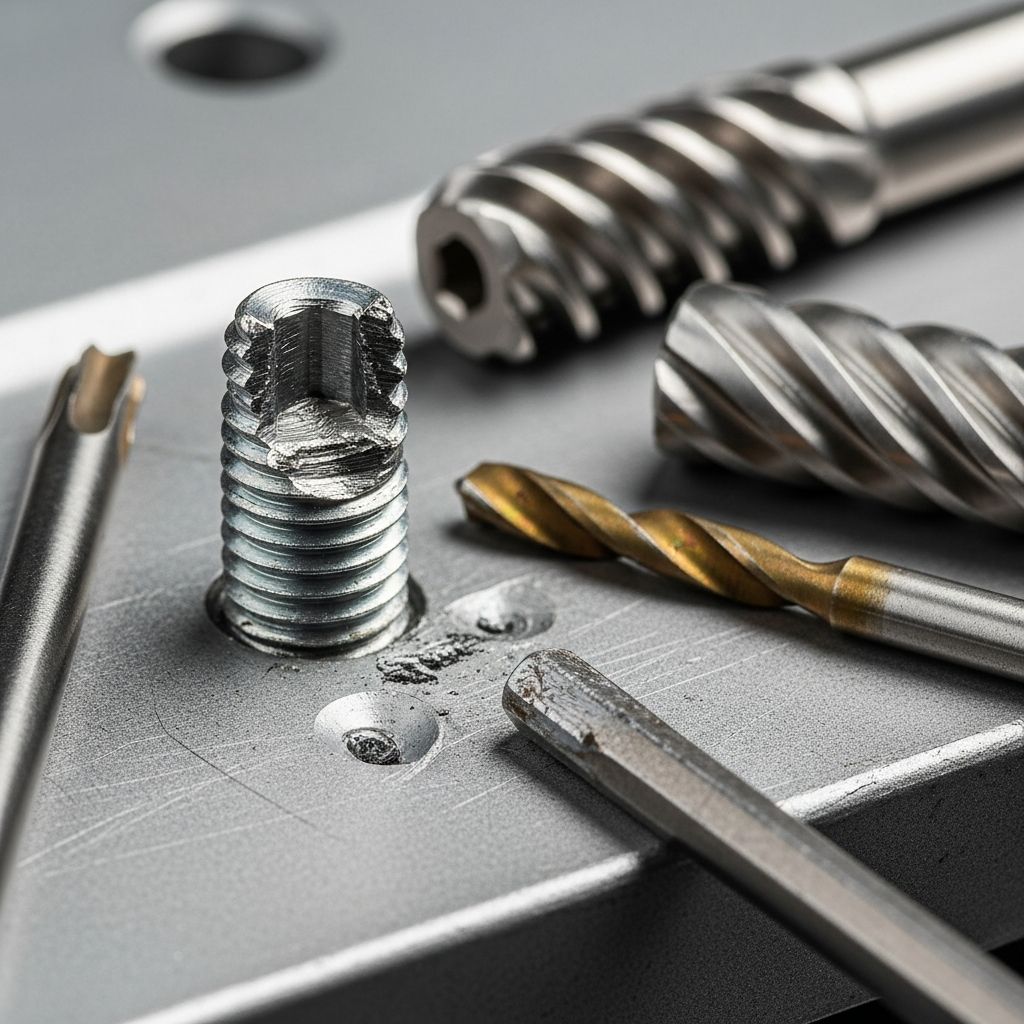
A stripped Allen screw happens when the internal hexagonal socket loses its sharp edges and precise angles. This damage prevents the hex key from making proper contact with the screw’s interior walls, resulting in spinning without turning. Common causes include using an incorrectly sized hex key, applying excessive force, corrosion on metal surfaces, or simple wear from repeated use. The severity of stripping varies—some screws retain partial grip while others are completely unusable with standard hex keys. Identifying the extent of damage helps determine which removal method will be most effective for your specific situation.
Tools and Materials You’ll Need
Before attempting to remove a stripped Allen screw, gather the appropriate tools. Having multiple options available increases your chances of successful extraction without damaging the surrounding material.
Essential Tools
- Hex key set (various sizes)
- Power drill with variable speed settings
- Screw extractor set with specialized bits
- Left-handed drill bits
- Flathead screwdriver
- Locking pliers or vise grips
- Hammer for impact driver application
- Wrench set
- Rubber bands or elastic material
- Rotary tool (Dremel) with cutting attachments
Method 1: The Rubber Band Technique
One of the simplest and most effective methods for removing a stripped Allen screw involves using a common household item—a rubber band. This technique works particularly well for screws that are only partially stripped or those still retaining some grip capability.
How the Rubber Band Method Works
The rubber band fills the gaps created by stripped hexagonal walls, providing additional friction between the hex key and the screw socket. The elastic material compresses to conform to the damaged interior, creating enough grip for rotation.
Step-by-Step Instructions
- Select a wide, thick rubber band that won’t easily tear
- Place the rubber band over the hexagonal socket of the stripped screw
- Insert your hex key through the rubber band and into the screw socket
- Press the hex key firmly downward with steady pressure
- Turn the hex key slowly counterclockwise while maintaining downward pressure
- Continue until the screw loosens and can be removed by hand or with pliers
This method often succeeds where standard hex keys fail, making it your first line of defense before attempting more invasive techniques.
Method 2: Upgrading to a Larger Hex Key
Sometimes a simple solution involves using a larger hex key. If your stripped screw accommodates a slightly oversized hex key, the larger size may contact the remaining intact portions of the socket walls with sufficient force for removal.
Implementation Steps
- Test the next size up hex key for fit in the damaged socket
- Press the larger key firmly into the screw
- Apply steady rotational force counterclockwise
- If successful, continue until the screw fully disengages
- If unsuccessful, try a wrapping of rubber band around the larger key for improved grip
This approach works best when the socket damage remains relatively minor and the enlarged hex key can contact solid material within the socket cavity.
Method 3: Using a Flathead Screwdriver
Adapting your approach by switching to a flathead screwdriver can provide surprising results. This method essentially transforms the damaged hexagonal socket into a makeshift slot for the screwdriver to grip.
Flathead Screwdriver Technique
- Select a flathead screwdriver that fits snugly into the widest part of the damaged socket
- Position the screwdriver diagonally across the hexagonal opening
- Apply firm downward pressure to ensure maximum contact
- Turn the screwdriver slowly counterclockwise
- If resistance decreases, continue rotating until the screw releases
- For stubborn screws, tap the screwdriver handle gently with a hammer to add impact force
The key to success with this method involves finding the optimal angle and applying sufficient downward pressure to prevent the screwdriver from slipping out of the damaged socket.
Method 4: The Drill and Extractor Method
For severely stripped Allen screws, professional-grade screw extractors offer reliable removal. This method involves creating a precise hole in the screw center and using specialized reverse-threaded extractor bits.
Drill and Extractor Process
- Secure the material firmly to prevent movement during drilling
- Use a small drill bit to carefully create a shallow hole in the screw’s center
- Start with a low drill speed to maintain precision and avoid damaging surrounding material
- Insert the reverse-threaded screw extractor bit into the drilled hole
- Set your drill to reverse mode and apply steady pressure
- The reverse threads of the extractor will bite into the screw shaft
- Continue drilling and turning until the screw emerges completely
This method’s effectiveness depends on precise drilling and selecting an appropriately sized extractor bit for your specific screw diameter.
Method 5: Locking Pliers Technique
When Allen screw heads protrude above the surrounding surface, locking pliers offer a straightforward solution. This method requires no drilling or specialized bits, making it accessible for most DIY enthusiasts.
Using Locking Pliers
- Position self-locking pliers with their jaws against the exposed screw head
- Clamp the pliers firmly onto the screw, gripping the edges of the hexagonal head
- Apply steady counterclockwise pressure to rotate the screw
- Once movement begins, continue slowly until the screw fully emerges
- If resistance increases, loosen the pliers slightly and reposition for better grip
This method works exceptionally well for screws with damaged heads but intact threads, as the pliers grip the external edges rather than relying on the internal socket.
Method 6: Left-Handed Drill Bits
Left-handed drill bits spin counterclockwise during normal drilling operation, often catching and removing stripped screws through sheer rotational force. This technique proves particularly effective for metal screws in metallic materials.
Left-Handed Bit Process
- Select a left-handed drill bit slightly smaller than your screw’s diameter
- Position the drill bit in the screw’s center
- Start drilling at slow speed with gentle pressure
- As the bit penetrates, it may catch the screw’s internal walls
- The counterclockwise rotation will begin backing the screw out
- Continue until the screw fully emerges or the bit reaches its limit
The advantage of this method involves minimal preparation—no need for precise hole drilling or extractor bits, just a specialized bit and drill.
Method 7: Rotary Tool Slot Creation
A rotary tool like a Dremel can create a new slot across the stripped Allen screw, allowing you to use a flathead screwdriver for removal.
Creating a Removal Slot
- Secure the work piece to prevent vibration or movement
- Equip your rotary tool with a cutting disc or grinding bit
- Set the tool to appropriate speed—not too fast to avoid material damage
- Carefully cut a straight slot across the screw head’s diameter
- Ensure the slot is deep enough for flathead screwdriver engagement
- Insert the flathead screwdriver and turn counterclockwise to extract
This method requires a steady hand and proper safety equipment, including eye protection and dust management.
Method 8: Impact Driver Application
Manual impact drivers deliver rotational force through hammer strikes, combining rotation with percussion to break corrosion bonds and loosen stuck screws.
Using a Manual Impact Driver
- Select an impact driver with a hex socket bit matching your screw size
- Position the driver aligned with the screw’s axis
- Set to counterclockwise rotation if available
- Strike the driver handle sharply with a hammer
- The impact transfers rotational force to the screw
- Repeat strikes until the screw moves and can be removed
Impact drivers prove particularly effective for corroded or seized screws that have bonded to their sockets through rust or age.
Method 9: Welding for Metal Fasteners
For non-flammable metallic environments, welding a nut onto the stripped screw head provides a grip point for wrench removal. This method requires welding expertise and appropriate safety measures.
Welded Nut Extraction
- Select a nut slightly larger than the screw head diameter
- Position the nut on the screw head’s top surface
- Weld the nut securely onto the screw using proper welding technique
- Allow the weld to cool completely before manipulation
- Apply a wrench to the nut and turn counterclockwise
- The welded connection provides sufficient leverage for removal
This method should only be attempted by individuals with welding experience and appropriate safety equipment, as improper welding can cause injury or material damage.
Preventing Future Stripped Allen Screws
Prevention proves more efficient than removal. Implementing proper practices during initial installation and maintenance prevents stripped screws from occurring. Always use the correct size hex key—undersized keys slip in the socket causing damage, while oversized keys may not fit properly. Apply appropriate force during installation without over-tightening, which can strip both the screw and the surrounding material. Periodically inspect screws for signs of corrosion or loosening, addressing issues before they worsen. Store hex keys properly to prevent damage that could affect their fit in screw sockets. Consider using threadlocker compounds on screws requiring permanent installation, preventing loosening while allowing proper removal when necessary.
Material-Specific Considerations
Removing Stripped Allen Screws from Wood
Wood-based materials require gentler techniques to avoid splitting or enlarging the hole. The rubber band method and flathead screwdriver approach work well for wood without causing additional damage. If drilling becomes necessary, use lower speeds to prevent wood splintering and always support the work piece properly.
Removing Stripped Allen Screws from Metal
Metal surfaces accommodate more aggressive techniques. Left-handed drill bits, impact drivers, and welded nut removal work effectively on metal fasteners. Metal’s hardness means less risk of accidental damage during extraction, allowing more forceful approaches.
Removing Stripped Allen Screws from Plastic
Plastic materials demand careful handling to prevent cracking or melting. Avoid high-speed drilling and impact methods. The rubber band technique and careful flathead screwdriver application work best for plastic, as does using locking pliers on exposed screw heads.
Frequently Asked Questions
Q: What causes Allen screw stripping?
A: Stripping occurs from using incorrect hex key sizes, applying excessive force, corrosion, or repeated use over time wearing down the hexagonal socket’s sharp edges.
Q: Can I prevent Allen screw stripping during installation?
A: Yes, use the correct size hex key, avoid over-tightening, and handle screws carefully during installation to prevent internal socket damage.
Q: Which method works best for severely stripped screws?
A: The drill and extractor method or left-handed drill bit technique typically prove most effective for severely damaged Allen screws.
Q: Is the rubber band method really effective?
A: Yes, the rubber band method works surprisingly well for partially stripped screws, providing additional friction for hex key engagement.
Q: Can I use the same techniques for all Allen screw sizes?
A: Most techniques adapt to different screw sizes, though you may need to adjust tool sizes and drilling bit dimensions accordingly.
Q: Should I try the simplest methods first?
A: Absolutely—always start with non-destructive methods like the rubber band technique or flathead screwdriver before progressing to drilling-based approaches.
Q: What if the screw head breaks off during removal?
A: If the head separates from the shaft, you’ll need to use a hollow-core extractor or left-handed bit to drill out the remaining shaft portion.
Q: Are there any safety concerns when removing stripped screws?
A: Yes, always wear eye protection when drilling or using rotary tools, secure your work piece properly, and follow all power tool safety guidelines.
References
- Easy Ways To Extract a Stripped Screw — This Old House. Retrieved 2025. https://www.thisoldhouse.com/woodworking/21015710/easy-way-to-extract-a-stripped-screw
- How to Remove Stripped Screws | Ask This Old House — This Old House. 2016-04-30. https://www.youtube.com/watch?v=Gz1SatVZ-zE
- Stripped Screws | Ask Tommy | Ask This Old House — This Old House. https://www.youtube.com/watch?v=uDx1iPk-_ns
Similar Articles



Read full bio of medha deb