How to Remove a Stripped Bolt: Complete Guide
Master the art of removing stripped bolts with proven techniques and professional tips.
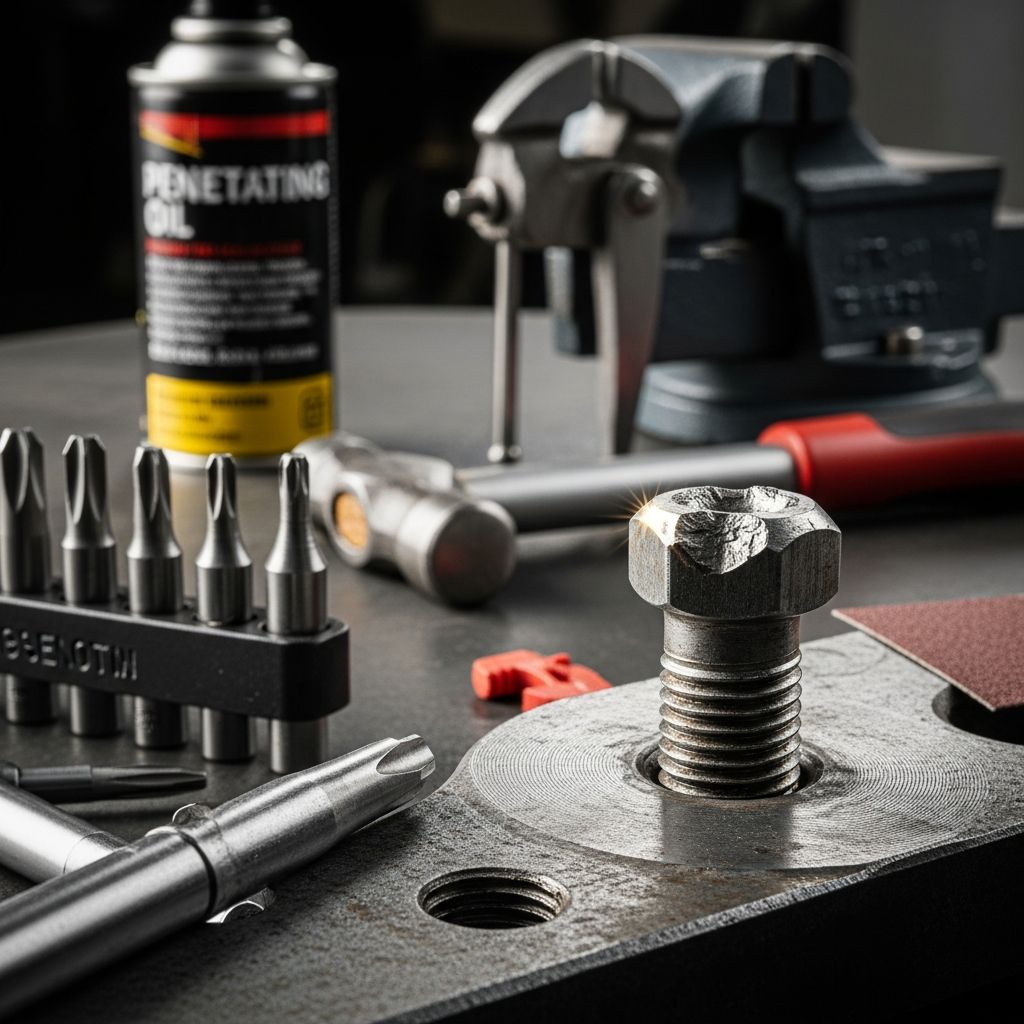
One of the most frustrating situations any homeowner or DIY enthusiast can face is discovering a stripped bolt during a repair or maintenance project. When the head or socket of a bolt becomes stripped—meaning the driving tool can no longer grip it properly—removing it seems nearly impossible. However, don’t panic. With the right knowledge, tools, and techniques, you can successfully extract even the most stubborn stripped bolts. This comprehensive guide will walk you through multiple proven methods to get that bolt out and back to your project.
Understanding Stripped Bolts
A stripped bolt occurs when the internal or external surfaces of a fastener become damaged, preventing a wrench, socket, or screwdriver from maintaining proper grip. This typically happens due to over-tightening, using the wrong size tool, repeated removal and installation, or applying excessive force with an ill-fitting tool. The damage may be partial, where some grip remains, or complete, where the bolt spins freely without turning. Understanding the severity of the damage will help you choose the most appropriate removal method.
Basic Methods: Start Here First
Before moving to specialized tools, try these simple techniques that often work surprisingly well and require only basic hand tools you likely already own.
Method 1: Try a Different Size Tool
Sometimes the simplest solution is the most effective. If a bolt is only partially stripped, switching to a slightly larger or smaller tool of the same type can provide the grip you need. For metric bolts, try a slightly larger SAE-sized wrench. Conversely, for SAE bolts, a metric wrench slightly smaller might work. Apply steady, even pressure without forcing, as aggressive pressure could cause further damage.
Method 2: Use Locking Pliers
If the bolt head is protruding above the surface and is only mildly stripped, self-locking pliers (often called vise-grips) can provide excellent grip. Position the pliers firmly onto the bolt head, tightening them securely around the edges. Once firmly attached, turn the pliers counterclockwise with smooth, controlled movements. This method works particularly well for bolts where the head still has some definition, even if the socket or driving surface is damaged.
Method 3: Apply Friction-Enhancing Material
Sometimes adding grip between the tool and the bolt can make all the difference. Apply a thin layer of rubber material—such as a rubber glove, rubber band, or even electrical tape—to the tip of your wrench or socket. The rubber fills in the damaged areas and provides extra friction, often giving you just enough grip to turn the bolt. This low-risk method requires no special tools and can be remarkably effective for partially stripped fasteners.
Intermediate Techniques: When Basic Methods Fail
If basic methods don’t work, these intermediate approaches offer better results for moderately to severely stripped bolts.
Method 4: Use Friction Fluid
Friction fluid is a specialized substance containing metal particles that work opposite to lubricants—they increase grip rather than reduce it. Apply a few drops of friction fluid directly into the stripped bolt head or socket. Seat your wrench or tool as deeply as possible into the bolt, then apply steady counterclockwise pressure. The fluid particles help fill in the gaps between the tool and the damaged bolt surfaces, creating additional friction and grip. This method is particularly effective for Allen bolts and other socket-type fasteners.
Method 5: Tap the Tool Into Place
For Allen bolts and hex sockets, gently tapping your wrench into the bolt with a hammer can help seat it more deeply into the stripped socket. Place the Allen wrench or hex socket into the bolt, then use light taps with a hammer to drive it further into the head. Be careful not to strike too hard, as this could damage the tool or cause further stripping. Once the tool is seated as deeply as possible, apply counterclockwise pressure to remove the bolt.
Advanced Methods: Professional-Grade Solutions
For severely stripped bolts or when other methods have failed, these professional techniques offer reliable solutions.
Method 6: Screw Extractor Tools
Screw extractors are specialized tools specifically designed for removing damaged fasteners. Most extractors come with two components: a left-handed drill bit and a cone-shaped extraction bit. The process involves using the left-handed drill bit—which cuts when the drill is in reverse—to create a small hole in the center of the bolt head. Once the hole is established, remove the drill bit and insert the cone-shaped extractor into the hole. With the drill still in reverse, the extractor will bite into the bolt and back it out. For bolts where the head has snapped off, a hollow-bore extractor works like a miniature hole saw, coring around the bolt shaft to remove it entirely.
Method 7: Epoxy and Screwdriver Method
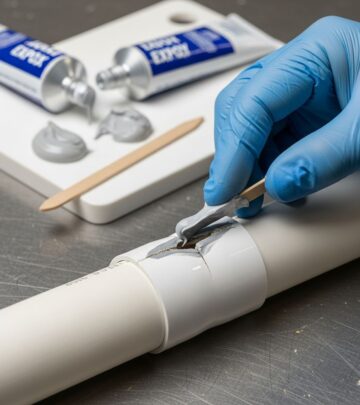
This creative technique works well for Allen bolts and other socket-style fasteners. You’ll need two-part epoxy, painter’s tape, and a flat-blade screwdriver slightly narrower than the bolt’s socket. Mix the epoxy according to the manufacturer’s instructions and place a small amount into the damaged bolt. Wrap painter’s tape around the tip of the screwdriver—one layer is usually sufficient—and insert the taped tip into the epoxy-filled socket. Allow the epoxy to cure completely. Once hardened, the screwdriver tip, held in place by the epoxy, will allow you to turn and remove the bolt. The painter’s tape prevents the screwdriver from bonding permanently to the epoxy, making cleanup simple.
Method 8: Cut a Slot for a Flat-Blade Screwdriver
For bolts where the head remains intact but the socket or driving surface is severely damaged, cutting a slot allows you to use a flat-blade screwdriver for removal. You can cut this slot using an angle grinder for a clean, fast cut, a rotary tool with a cutting wheel for precision work, or a hacksaw for manual control. The slot should be as wide as your screwdriver blade and deep enough to provide solid engagement. Once cut, use a flat-blade screwdriver that matches the slot width and drive it into the slot. Turn counterclockwise to remove the bolt. This method is particularly useful for bolts where other extraction methods aren’t feasible.
Tools You’ll Need
Having the right tools available significantly increases your chances of successful bolt removal. Here’s a practical toolkit for dealing with stripped bolts:
- Multiple sizes of wrenches, sockets, and Allen keys
- Self-locking pliers (vise-grips)
- Cordless drill with variable speed control
- Screw extractor set with multiple tips
- Left-handed drill bits (essential for extractors)
- Friction fluid or penetrating oil
- Two-part epoxy
- Painter’s tape
- Flat-blade screwdrivers in various sizes
- Hammer for light tapping
- Angle grinder or rotary tool (for slot cutting)
- Safety glasses and work gloves
Step-by-Step Removal Process
Follow this systematic approach for the highest success rate:
- Assess the damage. Examine the bolt to determine how severely it’s stripped and whether the head is intact or broken.
- Try the correct size tool first. Use the exact size wrench or socket the bolt requires, applying firm, steady pressure.
- Switch to alternative tools. Try slightly larger or smaller tools, or switch tool types (wrench to socket, etc.).
- Apply friction enhancement. Add rubber or other friction-increasing materials to increase grip.
- Use friction fluid. Apply friction fluid for additional traction with your tool.
- Consider an extractor. For severely stripped bolts, use a screw extractor following the manufacturer’s instructions.
- Try cutting or epoxy methods. For extreme cases, employ the epoxy method or cut a new slot for a flat-blade screwdriver.
- Clean and fill the hole. Once the bolt is removed, clean the hole and fill it appropriately if needed for future repairs.
Prevention Tips for Future Projects
Preventing stripped bolts is far easier than removing them. Apply these practices to avoid future frustration. Always use the correct size tool for the fastener you’re working with—a properly fitting tool spreads pressure evenly across the driving surface. Apply consistent, moderate pressure rather than sudden jerking motions. Don’t over-tighten bolts; use a torque wrench for critical applications. When reinstalling bolts, consider using threadlocker compound on the threads to prevent them from loosening and requiring repeated removal. Keep your tools in good condition; damaged wrenches and sockets are more likely to slip and strip fasteners.
Safety Considerations
When removing stripped bolts, always prioritize safety. Wear safety glasses to protect your eyes from flying debris, especially when using drills or cutting tools. Work gloves protect your hands from sharp bolt edges and pinching hazards. Secure your workpiece firmly to prevent it from shifting unexpectedly. If using power tools like drills, ensure loose clothing is secured or removed to prevent tangling. Never force a tool or apply excessive pressure that could cause the tool to slip and injure your hand. Take breaks if your hands fatigue, as fatigue leads to accidents and poor decision-making.
When to Call a Professional
While many stripped bolts can be removed using the methods described above, some situations benefit from professional assistance. If the bolt is in a critical structural location, a professional ensures proper removal and replacement. Bolts in sensitive equipment like engines or electrical systems should sometimes be handled by specialists. If you’ve tried multiple methods without success and you’re concerned about damaging surrounding material, a professional with specialized equipment might be worth the investment. Additionally, if you lack certain tools or feel uncomfortable performing the procedure, calling an expert prevents potential injury and further damage.
Dealing with Broken Bolt Heads
When a bolt head breaks off during removal attempts, you still have options. The hollow-bore extractor becomes essential in this situation—it drills around the remaining bolt shaft, effectively removing what remains. For broken bolts buried flush with the surface, extractors specifically designed for this purpose use reverse-drill bits that capture and remove the stub. After removal, the resulting hole can be filled with an appropriately sized wooden or metal plug, depending on the application and material of your workpiece.
Special Considerations for Different Bolt Types
Different bolt types present unique challenges. Allen bolts (hex socket head cap screws) strip easily due to their design; many of the intermediate methods work particularly well for these. Phillips head bolts strip quickly and often benefit from the flat-blade cutting method. Square-drive bolts are less prone to stripping but still benefit from friction-enhancing techniques. Torx bolts have star-shaped sockets that rarely strip; if they do, they often respond well to screw extractors. Knowing your bolt type helps you choose the most effective removal method.
Frequently Asked Questions
Q: What’s the difference between a stripped bolt and a seized bolt?
A: A stripped bolt has damaged driving surfaces that won’t grip properly, while a seized bolt is stuck due to corrosion, rust, or stuck threads. Seized bolts often respond to penetrating oil and heat, while stripped bolts require extraction or alternative gripping methods.
Q: Can I reuse a stripped bolt after removing it?
A: Typically, no. Once a bolt is stripped, its driving surfaces are damaged and will likely strip again if reinstalled. Replace stripped bolts with new fasteners of the same size and type.
Q: Will friction fluid damage the surrounding material?
A: Friction fluid is formulated to be safe for most materials, but always check the product specifications. Test it on an inconspicuous area first if you’re concerned about staining or damage.
Q: How long should I wait for epoxy to cure?
A: Cure times vary by product, typically ranging from 5 to 24 hours. Always follow the manufacturer’s instructions on the package before attempting to remove the bolt.
Q: What if the bolt is in a delicate or expensive item?
A: For valuable items, consider consulting a professional. The cost of professional removal is often less than the cost of accidentally damaging an expensive piece.
Q: Can I use heat to remove a stripped bolt?
A: Heat can help, but be cautious. Heating the bolt and surrounding material can expand them differently, sometimes breaking the corrosion bond. However, heat can damage nearby plastics or painted finishes, so use it only when appropriate.
References
- How to Remove Stripped Screws — This Old House. 2016-04-30. https://www.thisoldhouse.com/tools/22256920/how-to-remove-a-stripped-bolt
- How to Remove a Stripped Allen Screw: 6 Methods — This Old House. https://www.thisoldhouse.com/tools/101376/how-to-remove-a-stripped-allen-screw
- Ask This Old House: Stripped Screws — YouTube. https://www.youtube.com/watch?v=uDx1iPk-_ns
Similar Articles


Read full bio of Sneha Tete