How To Remove A Stripped Screw: 7 Effective Methods
Master multiple techniques to remove stripped screws and keep your projects on track.
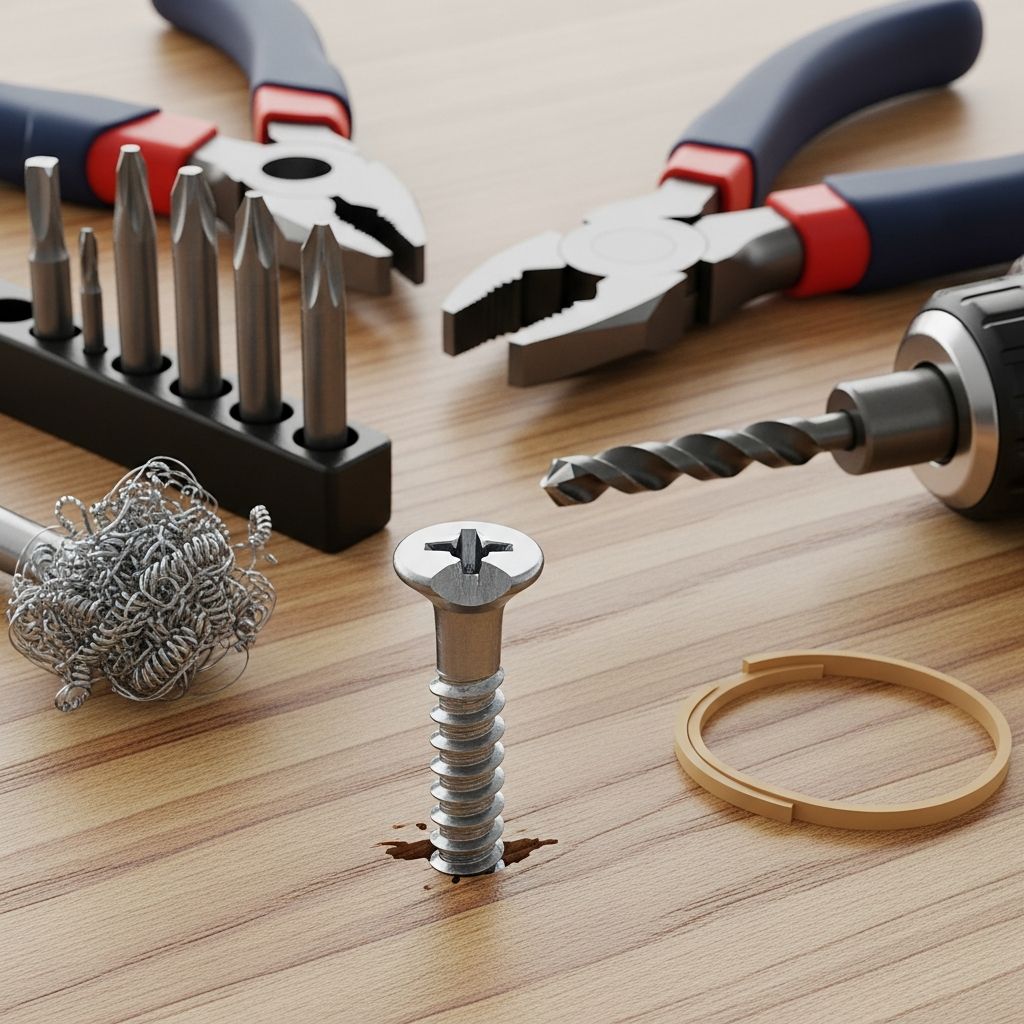
How to Remove a Stripped Screw
Few things are more frustrating in home improvement than encountering a stripped screw. Whether you’re working on furniture assembly, repairs, or renovation projects, a screw with a damaged or worn-out head can quickly derail your progress. A stripped screw occurs when the slots or grooves in the screw head become worn, making it difficult for a screwdriver to grip and turn the fastener. Understanding the causes and having multiple removal techniques at your disposal transforms a potentially project-ending problem into a manageable challenge.
Stripped screws typically result from several common scenarios: using the wrong size screwdriver, applying excessive force, or working with older screws that have undergone years of use and corrosion. The good news is that numerous proven methods can help you extract these stubborn fasteners without damaging the surrounding material or your tools.
Understanding Stripped Screws
A stripped screw is fundamentally a fastener whose head has lost its gripping surface. This damage prevents the screwdriver or driver bit from catching properly, causing the tool to slip and spin without turning the screw. Understanding why screws become stripped helps you prevent future occurrences and choose the most appropriate removal method for your situation.
Common Causes of Stripped Screws
Several factors contribute to screw stripping. Using an incorrect screwdriver size leaves gaps between the tool and the screw head, forcing the driver to slip under pressure. Applying too much force during installation can strip the head immediately. Working with inferior quality screws or attempting to drive screws into materials that are too hard also leads to stripping. Additionally, corrosion and rust on older screws can degrade the head’s surface, making it impossible to grip effectively.
Method 1: The Rubber Band Technique
The rubber band method stands as one of the simplest and most accessible first-line solutions for removing mildly stripped screws. This budget-friendly approach requires only a rubber band and a screwdriver, making it an excellent initial attempt before investing in specialized tools.
How to apply this method: Place a rubber band directly over the stripped screw head. The rubber fills the gaps created by the damaged grooves and increases friction between the screwdriver tip and the screw. Press your screwdriver firmly through the rubber band into the screw head, applying consistent downward pressure. Rotate the screwdriver slowly and deliberately in a counterclockwise direction. The rubber’s elasticity creates enough grip to potentially turn the screw without slipping. For best results, use a thicker rubber band cut from a rubber ball or heavy-duty variety rather than thin office-style bands.
Method 2: Using Pliers or Locking Pliers
When a rubber band doesn’t provide sufficient grip, locking pliers or adjustable pliers offer a direct mechanical solution. This method works particularly well for screws with slightly damaged heads where sufficient material remains for the pliers to grip.
Implementation steps: Clamp the pliers tightly around the screw head, ensuring maximum contact with the remaining intact portions. Use long-nose pliers for access to tight spaces or standard locking pliers for general applications. Apply steady, controlled rotation, turning counterclockwise to loosen the fastener. Avoid jerking motions that could further damage the screw head or slip the tool loose. For screws with particularly stubborn resistance, you can strike the pliers handle gently with a hammer to help break the corrosion bond before attempting to turn.
Method 3: Switching Screwdriver Types
Sometimes the solution involves using a different screwdriver rather than a specialized extraction tool. Different screw head types and varying degrees of damage may respond better to alternative driver sizes or styles.
Screwdriver selection strategy: If Phillips head screws are stripped, try switching to a different size Phillips driver, either smaller or larger. Alternatively, switch to a flathead screwdriver, which can sometimes find grip in the damaged areas. Square-drive or Robertson screwdrivers occasionally work better on partially damaged Phillips heads. When trying a different driver, stop immediately if you encounter resistance and the tool doesn’t catch smoothly. Forcing an ill-fitting driver further damages the screw head and reduces your options for subsequent extraction methods. Apply steady downward pressure while turning slowly to allow the tool maximum opportunity to establish a grip.
Method 4: Liquid Friction Enhancers
Commercial products designed specifically for screw removal can dramatically improve your chances of extraction. These specialized fluids contain crystals suspended in solution that create additional friction between the screwdriver and the screw head.
Using friction enhancer products: Apply the product according to manufacturer instructions, typically spraying or coating the screw head. Allow the fluid a moment to penetrate and work, usually just a few seconds. The suspended crystals fill microscopic gaps and increase grip between your driver and the stripped head. Insert your screwdriver and apply steady downward pressure while turning slowly in reverse. These products work surprisingly well on moderately stripped screws and provide a cost-effective middle ground between simple methods and expensive specialized tools.
Method 5: Rotary Tool with Cutting Disc
For more severely damaged screws, creating a new grip surface becomes necessary. A rotary tool equipped with a cutting disc allows you to cut a fresh slot across the screw head, essentially converting it to a flathead screw that you can then remove.
Technique for rotary tool removal: Secure a thin cutting disc to your rotary tool and carefully score a straight line across the top of the screw head. Apply gentle pressure to avoid damaging surrounding material or plunging too deeply into the screw. The goal is creating a groove approximately 2-3 millimeters deep. Once you’ve cut a clean slot, insert a flathead screwdriver that fits snugly within the groove. Apply downward pressure and rotate counterclockwise to extract the screw. This method requires some care and steady hands, but it reliably creates a surface a flathead screwdriver can grip.
Method 6: Power Drill Screw Extractors
Dedicated screw extractor tools represent the most specialized and often most reliable solution for severely stripped screws. These two-stage tools work through a unique mechanism that creates a binding grip on the damaged screw head.
How to use screw extractors: Load the extractor bit into your power drill and set the drill to reverse mode. The extractor bit typically features a burnishing end on one side and an extraction end on the other. Begin with the burnishing end protruding from the drill chuck. Press this end firmly into the center of the stripped screw head and run the drill at low to moderate speed while applying downward pressure. The burnishing action creates a depression in the screw head, establishing a contact point. After several seconds of burnishing, remove the bit from the drill and flip it so the extraction end (usually featuring reverse threads or a cutting surface) protrudes. Reinsert the bit and run the drill slowly in reverse with steady downward pressure. The extraction end bites into the screw and begins backing it out. Continue until the screw fully emerges from the material.
Method 7: Drilling Out the Screw
When all other methods fail, drilling out the screw represents the nuclear option. This approach completely removes the screw by boring through it with a drill bit slightly larger than the screw’s diameter.
Drilling procedure: Select a metal drill bit slightly smaller than the screw shaft diameter. Mark the screw’s center point clearly to guide your bit placement. Drill at moderate speed with light to moderate pressure, allowing the bit to gradually enlarge the hole. Once you’ve drilled through the screw, it should come free from the material. This method permanently removes the fastener and enlarges the hole, potentially requiring a larger replacement screw or hole repair depending on your application. Use this technique only when you’re prepared to replace the screw entirely and when the surrounding material won’t be compromised by the larger hole.
Prevention Tips for Future Projects
Preventing stripped screws proves easier and more efficient than removing them. Implementing proper techniques during installation dramatically reduces the likelihood of encountering this frustration.
- Use the correct screwdriver size: Match the driver precisely to the screw head type and size. An ill-fitting driver is the primary cause of stripping.
- Apply appropriate force: Drive screws firmly but not excessively. Overtightening causes immediate stripping and material damage.
- Use quality fasteners: Invest in well-made screws from reputable manufacturers. Cheap screws strip more easily due to softer metal and poor head quality.
- Start straight: Begin each screw perpendicular to the surface. Angled installation strips the head and prevents proper seating.
- Go slowly: Take your time when driving screws, especially into harder materials. Rushing increases the likelihood of slipping and stripping.
- Know your material: Different materials require different screw types and installation techniques. Using wood screws in metal or vice versa causes problems.
Frequently Asked Questions
Q: Can a stripped screw be reused?
A: Once a screw is stripped, it cannot reliably perform its fastening function and should be replaced. Even if you successfully remove a stripped screw, attempting to reuse it in the same location with the same hole typically results in poor performance and potential failure.
Q: How long does it typically take to remove a stripped screw?
A: Simple methods like the rubber band technique may work within seconds to a minute. More involved approaches using rotary tools or screw extractors typically require five to fifteen minutes depending on screw size, material, and damage severity.
Q: Is it better to drill out a screw or use an extractor?
A: Screw extractors preserve the hole size and surrounding material integrity, making them preferable when possible. Drilling out the screw is more destructive but sometimes faster when extractors haven’t worked or aren’t available. Choose based on your specific situation and whether you want to maintain the original hole size.
Q: Can I use these methods on all types of screws?
A: Most methods work on standard wood screws and machine screws. Specialty fasteners like security screws or tamper-proof designs may resist standard removal techniques. Assess your screw type before selecting a method.
Q: What should I do if none of these methods work?
A: Consider combining approaches—use a rotary tool to create a new slot, then attempt removal with a flathead screwdriver. If the screw is in a non-critical location, you might drill it out. For specialized or security fasteners, consulting a professional may be your best option.
Q: How can I tell if a screw is truly stripped versus just stuck?
A: Stripped screws show visible wear, flattened or rounded edges on the head, and cause the driver to slip continuously without gripping. Stuck screws resist turning but the driver maintains firm contact. If your driver grips and turns smoothly initially, the screw is likely stuck rather than stripped.
Choosing Your Approach
The most effective strategy for removing stripped screws involves progression through increasingly powerful techniques. Start with simple, non-destructive methods like the rubber band or pliers approach. If those fail, move to friction-enhancing products or rotary tools that create new grip surfaces. Reserve destructive methods like drilling out the screw for situations where the fastener will be replaced anyway.
Consider the screw’s location, the surrounding material, and whether preservation of the hole matters for your specific project. A stripped screw in decorative hardware might warrant careful extraction, while a stripped fastener in rough framing construction can be drilled out without concern. Having multiple techniques available ensures you can tackle virtually any stripped screw scenario that arises during your home improvement projects.
References
- How to Remove Stripped Screws — The Home Depot. 2024. https://www.homedepot.com/c/ah/how-to-remove-stripped-screws/9ba683603be9fa5395fab90160abf30b
- 5 Easy Ways to Remove Stripped Screws — The Home Depot. February 1, 2019. https://www.youtube.com/watch?v=gFADTpDRPsw
- How to Remove a Stripped Screw – 4 Different Ways — HouseCalls DIY. June 14, 2018. https://www.youtube.com/watch?v=rpbL8h-7jSY
- DIY Home Improvement Guide — HGTV. November 15, 2017. https://www.youtube.com/watch?v=QjjIgMvLYoE
Similar Articles



Read full bio of Sneha Tete