How To Remove A Tree Stump Painlessly: 5 Easy Methods
Master painless tree stump removal with proven techniques and expert tips.
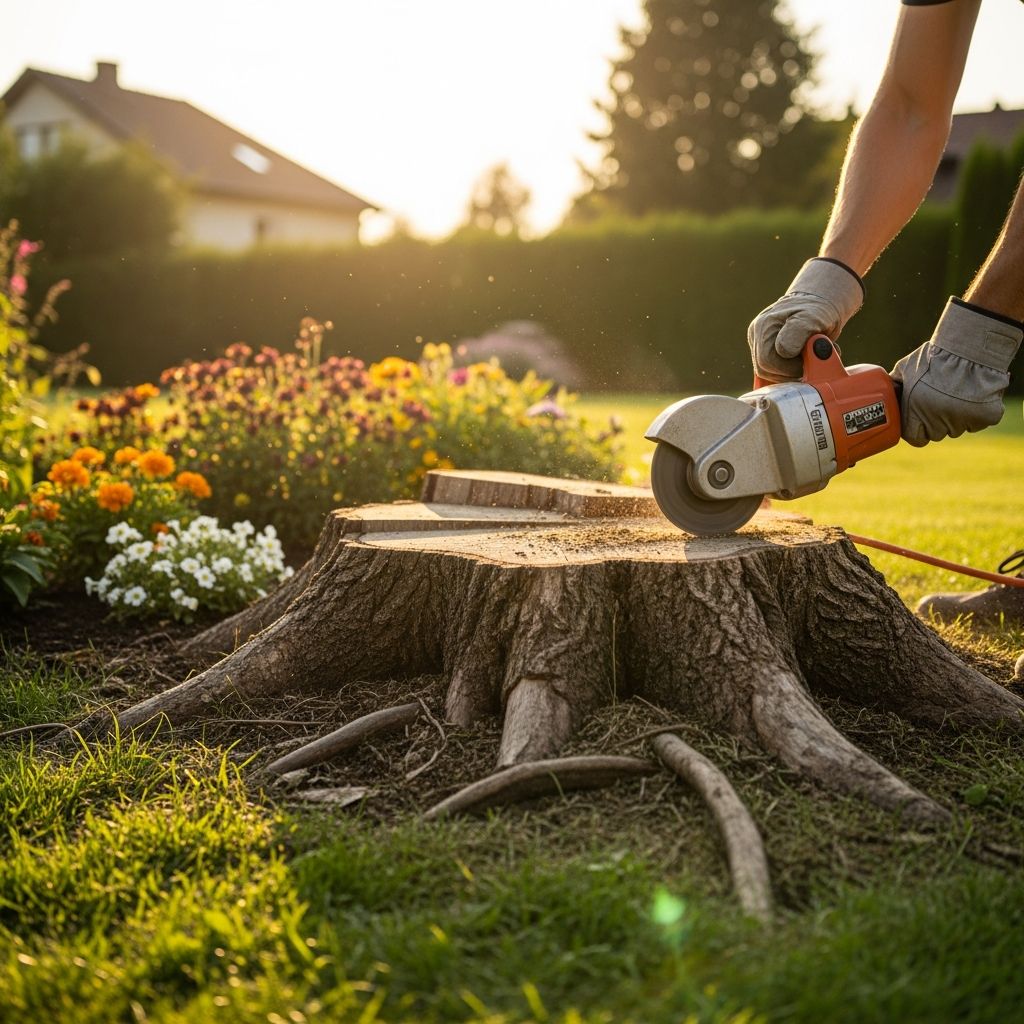
How to Remove a Tree Stump Painlessly
Removing a tree stump can seem like an overwhelming task, but with the right approach and tools, it doesn’t have to be a painful or time-consuming process. Whether you’ve just had a tree cut down or you’re dealing with an old stump that’s been sitting in your yard for years, there are several effective methods to eliminate it completely. This comprehensive guide will walk you through the various techniques, tools, and strategies to make tree stump removal as painless as possible.
Understanding Why Tree Stump Removal Matters
Tree stumps aren’t just unsightly—they can pose genuine problems for your property. A remaining stump can become a tripping hazard, especially in high-traffic areas of your yard. Additionally, stumps can attract pests like termites, ants, and beetles that tunnel into the decaying wood and may eventually make their way to your home. Stumps also consume valuable yard space and can interfere with mowing and landscaping efforts. Furthermore, new growth often sprouts from stumps, creating additional maintenance headaches. Understanding these issues underscores the importance of proper removal rather than simply leaving the stump to decay naturally.
Method 1: Using a Stump Grinder
The stump grinder is one of the most effective and popular methods for tree stump removal. This mechanical approach is powerful, efficient, and can handle stumps of virtually any size.
Rental vs. Professional Service
You have two options when it comes to stump grinders: rent one yourself or hire a professional. Renting a stump grinder typically costs between $100 and $200 for a day, making it an economical choice for homeowners with one or two stumps to remove. Professional services, while more expensive, eliminate the need for you to operate heavy machinery and often include debris removal.
Step-by-Step Grinding Process
Before beginning, clear the area around the stump of any rocks, debris, or metal objects that could damage the grinder blade. Wear protective equipment including safety glasses, hearing protection, and heavy-duty gloves. Position the grinder over the stump and lower the cutting wheel gradually. Work methodically from one side to the other, making multiple passes until the stump is ground down several inches below the soil surface. This depth ensures that the remaining roots won’t interfere with landscaping. Allow the wood chips to be collected for composting or removal.
Safety Considerations
Operating a stump grinder requires caution and attention. Never reach into the grinding area while the machine is running, and always keep bystanders at a safe distance. Ensure the machine is stable on level ground before operation, and follow all manufacturer guidelines provided with your rental equipment.
Method 2: Chemical Stump Removal
For those preferring a less labor-intensive approach, chemical stump removers offer an alternative solution, though they require patience.
How Chemical Removers Work
Commercial stump removal chemicals typically contain potassium nitrate, which accelerates the decomposition of wood. These products soften the stump and hasten the natural decay process, making the wood easier to break apart or burn.
Application Process
First, drill multiple holes into the stump surface, typically around one inch in diameter and spaced several inches apart. Pour the chemical product into these holes according to package directions, then water the stump regularly over the following weeks. The chemical works to break down the wood fibers from within. After several weeks, the stump becomes significantly softer and can often be broken apart by hand, with an axe, or by burning.
Timeline and Effectiveness
Chemical removal is the slowest method, typically requiring four to six weeks for noticeable results. This approach works best on smaller to medium-sized stumps and requires consistent watering and maintenance. While economical in terms of upfront costs, the extended timeline may not suit those needing quick results.
Method 3: Manual Removal and Extraction
For smaller stumps or those with shallow root systems, manual removal may be feasible and cost-effective.
Using Digging and Leverage Tools
Begin by digging around the stump’s perimeter to expose the major root system. Use a shovel, mattock, or pry bar to loosen and extract roots. Cutting through roots with an axe or pruning saw can help facilitate removal. Once the root system is sufficiently severed, use a lever or chain attached to a vehicle to pull the stump from the ground.
Best Applications
This method works best for recently felled trees or naturally shallow-rooted species. Hardwoods and trees with extensive root systems make this approach more difficult and time-consuming. The physical demand should also be considered before attempting manual extraction of large stumps.
Method 4: Burning the Stump
In areas where burning is permitted, fire can be an effective removal method, particularly after chemical treatment has softened the wood.
Preparation and Safety
Check local regulations before attempting stump burning, as many areas have restrictions during fire season or in populated regions. Create a fire ring around the stump using stones or soil to contain the flames. Ensure adequate clearance from structures, fences, and vegetation. Have water or a fire extinguisher readily available.
The Burning Process
Build a fire on top of the stump and allow it to burn down through the wood. Add wood or charcoal to maintain the fire over several hours or days if necessary. Once the stump is significantly charred and weakened, you can break apart remaining pieces and remove them. This method requires patience and careful monitoring for safety.
Method 5: Professional Removal Services
Hiring a professional tree removal or landscaping company offers convenience and expertise, particularly for large or difficult stumps.
Why Choose Professional Services
Professional services bring specialized equipment, experience, and efficiency. They handle all aspects of removal and disposal, eliminating your labor and safety concerns. For particularly challenging stumps or if you simply prefer not to tackle the job yourself, professional removal is a worthwhile investment.
What to Expect
Professional services typically provide free estimates and can usually complete the job in a single visit. They’ll grind the stump, remove debris, and often offer additional services like stump hole filling with topsoil or landscape recommendations for the cleared area.
Comparing Removal Methods
| Method | Cost | Time Required | Effort Level | Best For |
|---|---|---|---|---|
| Stump Grinder Rental | $100-$200 | A few hours | Moderate to High | Multiple or large stumps |
| Chemical Removal | $20-$50 | 4-6 weeks | Low | Small to medium stumps |
| Manual Extraction | Minimal | Several hours | Very High | Small, shallow-rooted stumps |
| Burning | Minimal | Several days | Low monitoring | Permitted areas only |
| Professional Service | $300-$1000+ | 1-2 hours | None | Large, difficult stumps |
Preparing Your Yard After Stump Removal
Once the stump is completely removed, you’re left with a hole and disturbed soil. Filling this area properly prevents it from becoming an eyesore or a safety hazard. Fill the hole with quality topsoil, compacting it slightly as you go. You can then seed the area with grass, plant landscaping features, or use it for other yard improvements. This finishing step transforms the removal process from a remediation into an opportunity to enhance your landscape.
Prevention Tips for Future Stumps
While removing existing stumps, consider how to manage future tree removal more efficiently. When having trees professionally removed, request that stumps be ground down at the time of removal rather than leaving them behind. This eliminates future removal needs and ensures the most efficient disposal of all tree materials. Additionally, choosing appropriate trees for your landscape and maintaining them properly can reduce the need for removal altogether.
Frequently Asked Questions
Q: How long does it take to remove a tree stump?
A: The timeline depends on the method. Grinding typically takes a few hours, chemical removal takes 4-6 weeks, and professional services usually complete the job in 1-2 hours. Manual removal and burning vary based on stump size and conditions.
Q: Is stump grinding safe for homeowners?
A: Stump grinding can be safe when proper precautions are taken, including wearing protective equipment, following equipment guidelines, and keeping bystanders clear of the work area. If you’re uncomfortable operating heavy machinery, hiring professionals is a safer alternative.
Q: Can I plant something in the area where a stump was removed?
A: Yes, once the stump is removed and the hole filled with quality soil, you can plant grass, shrubs, or other landscaping features in that area. Ensure the soil is properly prepared before planting.
Q: What’s the most cost-effective stump removal method?
A: Chemical removal is the most economical option upfront, costing only $20-$50. However, if you factor in time and labor, stump grinding rental offers better value for faster results at $100-$200.
Q: Will the stump regrow after removal?
A: Properly removed stumps will not regrow. However, if only the above-ground portion is removed without treating the remaining roots, new shoots may sprout. Complete stump removal, including root systems, prevents regrowth.
Q: Are there any environmental concerns with chemical stump removers?
A: Most commercial stump removers are formulated to minimize environmental impact. Follow package directions carefully and avoid over-application. Natural decomposition methods like manual removal or grinding produce no chemical byproducts.
Conclusion
Removing a tree stump doesn’t have to be painful or excessively complicated. By understanding the various methods available—from stump grinding and chemical treatments to manual extraction and professional services—you can choose the approach that best fits your situation, budget, and timeline. Consider the stump’s size, your physical capability, available equipment, and local regulations when making your decision. With the right method and proper execution, you’ll successfully reclaim your yard space and eliminate the hazards and maintenance issues associated with tree stumps. Whether you tackle the project yourself or enlist professional help, the result will be a cleaner, safer, and more usable yard space.
References
- The Best Way to Remove a Tree Stump — Trees R Us Arizona. 2024. https://www.treesrusaz.com/the-best-way-to-remove-a-tree-stump/
Similar Articles






Read full bio of Sneha Tete