How To Remove A Tree Stump Painlessly: 4 Easy Methods
Master effortless tree stump removal with proven methods and expert tips.
How to Remove a Tree Stump Painlessly
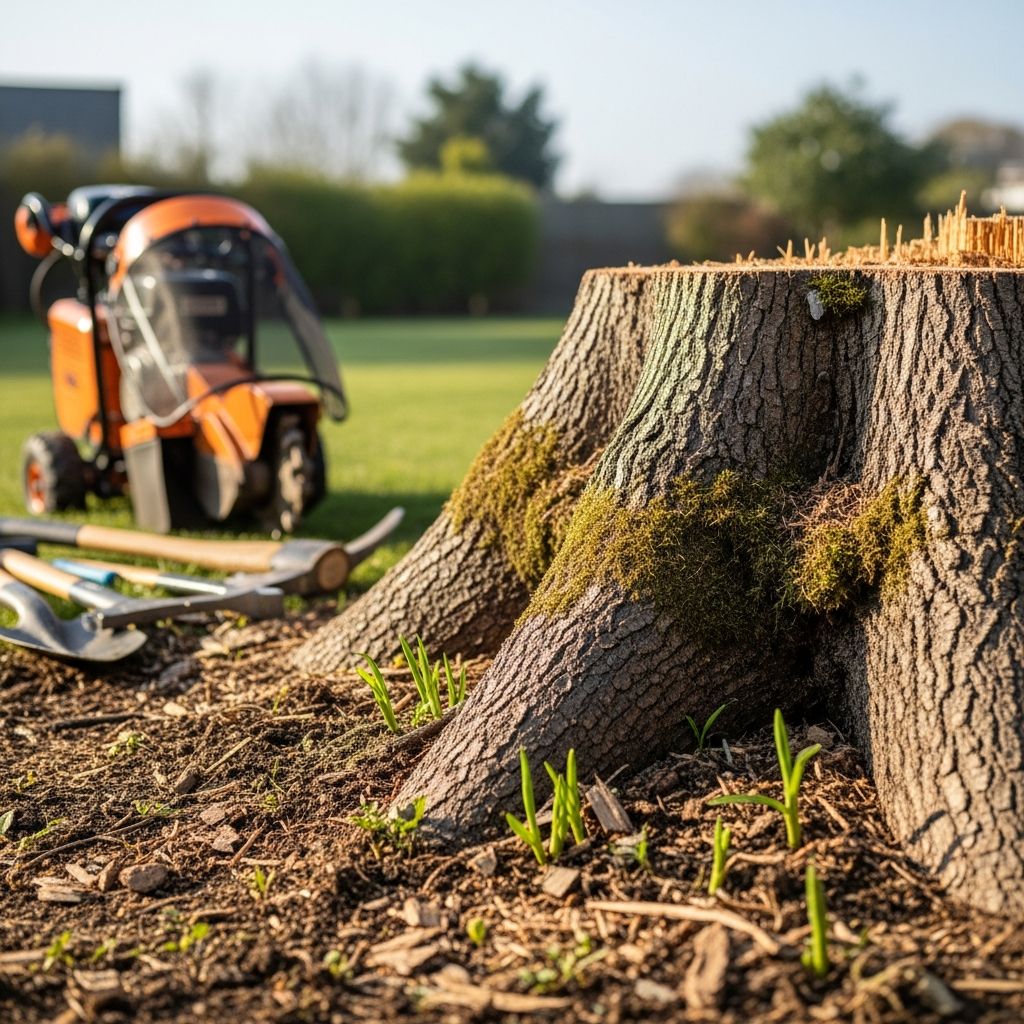
After a tree has been cut down, you’re often left with an unsightly stump that can be a tripping hazard and an eyesore in your yard. Removing a tree stump doesn’t have to be a painful, time-consuming process. With the right approach and tools, you can eliminate that stubborn stump efficiently and restore your landscape to its former beauty. This comprehensive guide will walk you through the most effective methods for painless tree stump removal.
Understanding Tree Stump Removal
Tree stumps are the woody remains of felled trees that extend above ground level. They can be problematic for several reasons: they create safety hazards, inhibit new landscaping projects, attract insects and pests, and can potentially regrow if not properly treated. Understanding your removal options is the first step toward selecting the best method for your specific situation.
Method 1: Stump Grinding
Stump grinding is one of the most popular and efficient methods for removing tree stumps. A stump grinder is a powerful machine that grinds the stump down below ground level, leaving behind wood chips and sawdust that can be composted or repurposed.
Renting a Stump Grinder
One of the most cost-effective approaches is to rent a stump grinder rather than purchase one. Rental costs typically range from $100 to $200 per day, depending on the size and power of the machine. This option allows you to remove even large tree stumps without making a significant investment in equipment. Most rental centers provide basic instructions on operating the machine safely.
How to Use a Stump Grinder
Before operating a stump grinder, ensure you’re wearing appropriate safety equipment including:
- Safety glasses or a face shield
- Hearing protection
- Steel-toed boots
- Heavy-duty gloves
- Long pants and a long-sleeved shirt
Position the grinder wheel against the stump and gradually lower it, allowing the machine to do the work. Move the wheel across the entire stump surface, working from the edges toward the center. Continue grinding until the stump is reduced to ground level or slightly below. The resulting wood chips can be used as mulch for landscaping projects.
Method 2: Chemical Stump Removal
Chemical stump removers offer a less labor-intensive alternative to grinding. These products contain potassium nitrate or similar compounds that accelerate wood decomposition, making the stump easier to remove manually after treatment.
How Chemical Treatments Work
Chemical stump removers work by breaking down the cellular structure of the wood, making it softer and more manageable. The process typically takes several weeks to several months, depending on the stump size and environmental conditions.
Application Process
To use chemical stump removers effectively:
- Drill multiple holes across the top surface of the stump
- Fill holes with the chemical granules or liquid according to product instructions
- Water the stump to activate the chemical
- Cover the stump with a tarp to retain moisture and accelerate decomposition
- Monitor progress over several weeks
- Manually remove weakened wood as it becomes loose
Method 3: Manual Removal
For smaller stumps, manual removal methods can be surprisingly effective and don’t require expensive equipment rental.
Digging Out the Stump
Using a shovel and mattock, you can manually excavate around the stump’s base, exposing the root system. Once roots are exposed, cut them with an axe or saw and pry the stump loose using a pry bar or digging fork.
Root Removal
Don’t forget about the extensive root system beneath the stump. Removing or at least exposing major roots prevents future sprouting and potential property damage from underground root growth. Some homeowners use a chainsaw to cut roots below ground level for complete removal.
Method 4: Professional Tree Removal Services
If the stump is particularly large, deeply rooted, or located in a difficult-to-access area, hiring professional tree removal services is often the most practical solution. These companies have industrial-grade equipment and expertise to handle any stump removal challenge safely and efficiently.
Advantages of Professional Services
Professional arborists and tree removal companies offer several benefits:
- Specialized equipment and machinery
- Insurance coverage for property protection
- Expertise in assessing root systems
- Safety protocols and professional-grade equipment
- Disposal of waste materials
- Time savings for larger projects
Comparing Stump Removal Methods
| Method | Cost Range | Time Required | Labor Intensity | Best For |
|---|---|---|---|---|
| Stump Grinding | $100-$200 (rental) | 1-2 hours | Medium | Medium to large stumps |
| Chemical Treatment | $20-$50 | 4-12 weeks | Low (after application) | Any size stump |
| Manual Removal | $0-$50 | 2-6 hours | High | Small stumps |
| Professional Service | $200-$500+ | 1-2 hours | None | Large or complex stumps |
Preparation Steps Before Removal
Regardless of which removal method you choose, proper preparation is essential for success and safety.
Safety Considerations
Always wear appropriate protective equipment, establish a safe work perimeter, and keep bystanders and pets away from the work area. If using machinery, ensure you have proper training or hire professionals.
Environmental Assessment
Check for underground utilities before beginning any digging. Call your local utility locating service to mark gas lines, electrical cables, and water mains in your yard. This critical step prevents dangerous accidents and costly damage.
Aftercare and Landscape Restoration
Once the stump is removed, the area requires attention to integrate it back into your landscape design.
Filling the Void
After complete removal, you’ll have a void or depression in your yard. Fill this space with quality topsoil and grass seed, or incorporate it into new landscaping plans. Many homeowners use the wood chips generated from grinding as mulch for garden beds.
Preventing Regrowth
To ensure the stump doesn’t sprout new growth, ensure roots are completely removed or treated with a growth inhibitor. Even small root fragments left behind can generate new shoots, especially for species like willows and maples.
Cost-Benefit Analysis
When deciding on a removal method, consider not just the immediate cost but also the time investment and long-term benefits. Grinding offers the fastest results but requires equipment rental. Chemical treatments cost less but require patience. Manual removal is free but labor-intensive. Professional services eliminate your involvement but cost more upfront. Your choice should reflect your budget, timeline, physical capability, and stump size.
Tools and Materials Needed
Your specific requirements depend on the removal method selected. For grinding, rental shops provide the machinery. For chemical treatment, you’ll need the chemical product, a drill, and drilling bits. For manual removal, gather a shovel, mattock, axe, pry bar, and possibly a chainsaw. Always have gloves, safety glasses, and sturdy footwear regardless of method.
Seasonal Considerations
The season affects stump removal difficulty. Spring and early summer are ideal for manual removal when the ground is workable but not waterlogged. Chemical treatments work faster in warm weather. Grinding can be done year-round, though wet conditions may make equipment operation more challenging. Winter’s frozen ground can actually make some methods more difficult.
Frequently Asked Questions
Q: How long does it take to remove a tree stump?
A: This depends on the method chosen. Grinding takes 1-2 hours, manual removal takes 2-6 hours, chemical treatment takes weeks to months, and professional services typically complete the job in 1-2 hours.
Q: Can I remove a tree stump without renting a grinder?
A: Yes, chemical treatments and manual removal are viable alternatives. Chemical treatments are cost-effective and require minimal labor, while manual removal works well for smaller stumps.
Q: Will the tree stump grow back after removal?
A: If roots are completely removed or treated with a growth inhibitor, the stump won’t regrow. Incomplete removal of roots can result in sprouting, particularly with species like willows and maples.
Q: Is it necessary to remove tree stumps?
A: While not absolutely required, removal eliminates safety hazards, prevents pest infestation, allows for landscape redesign, and prevents potential regrowth that could spread disease.
Q: What should I do with the wood chips from grinding?
A: Wood chips make excellent mulch for garden beds, landscaping, or pathways. They can also be composted or disposed of through your local waste management service.
Q: How do I choose between different removal methods?
A: Consider your budget, available time, physical capability, stump size, and desired timeline. Grinding offers speed, chemical treatment offers economy, manual removal offers cost savings, and professional services offer convenience.
Q: Are there any safety hazards associated with stump removal?
A: Yes, always wear safety equipment, check for underground utilities, keep bystanders clear, and follow all equipment manufacturer guidelines. Consider hiring professionals for large or complex removals.
References
- The Best Way To Remove A Tree Stump — Trees R Us. Accessed December 3, 2025. https://www.treesrusaz.com/the-best-way-to-remove-a-tree-stump/
Similar Articles




Read full bio of medha deb