How To Remove Wine From Carpet: 5 Effective Methods
Master the art of wine stain removal with proven methods and expert tips.
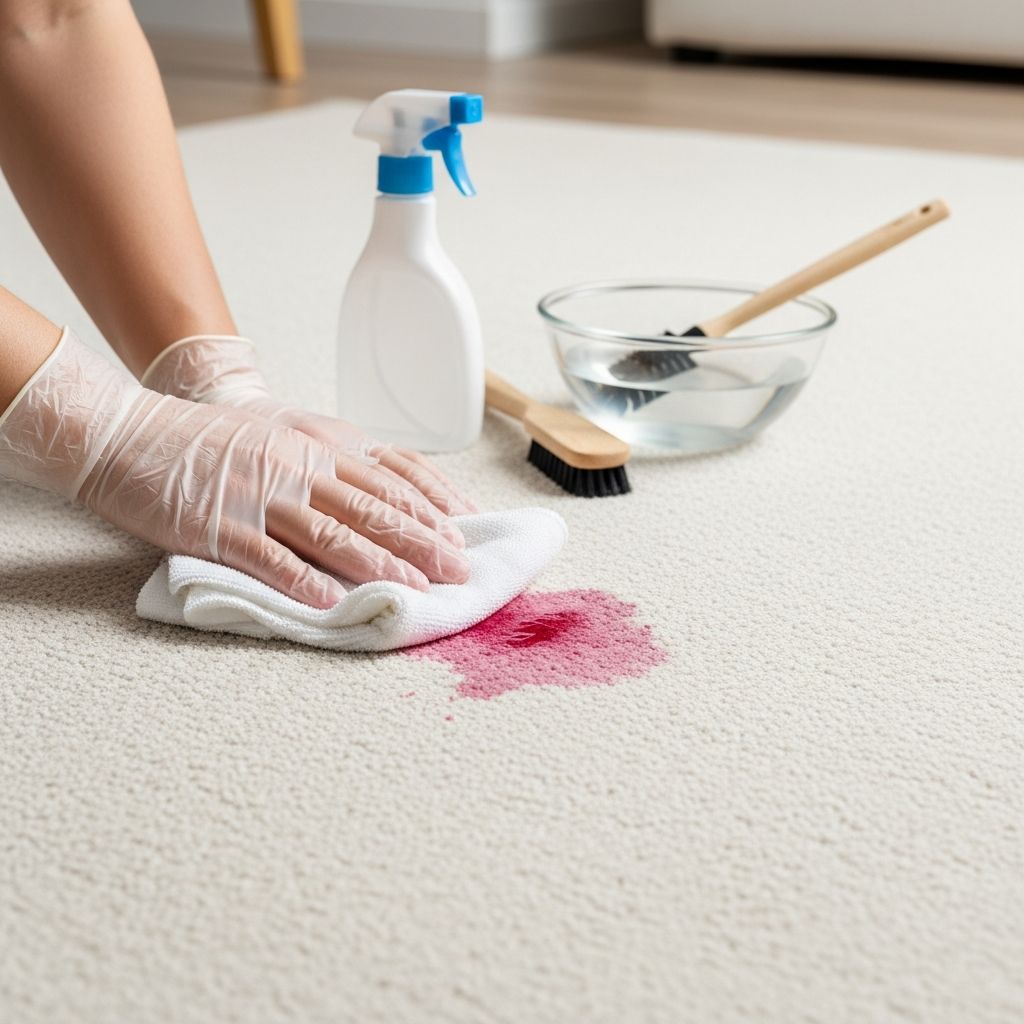
How to Remove Wine from Carpet
A spilled glass of wine is every homeowner’s nightmare, especially when it lands on your carpet. Red wine stains are notoriously stubborn and can seem impossible to remove once they set. However, with the right approach and proven techniques, you can restore your carpet to its original condition. The key to successful wine stain removal lies in acting quickly and following the correct steps. This comprehensive guide will walk you through multiple methods to eliminate wine stains from your carpet, whether they’re fresh spills or stubborn dried marks.
Understanding Wine Stains
Wine stains are particularly challenging because red wine contains tannins—natural compounds found in grapes that bond strongly to carpet fibers. These tannins are responsible for the deep color that wine produces, making the stains highly visible and persistent. The longer a wine stain sits on your carpet, the more deeply the tannins penetrate the fibers, making removal increasingly difficult. Understanding this chemistry helps explain why immediate action is crucial and why certain removal methods work better than others.
Immediate Action: The First Critical Steps
The moment you notice a wine spill, your immediate response will significantly impact the ease of removal. The golden rule is to act fast—every second counts when dealing with wine stains. Your first instinct might be to grab a cloth and start scrubbing, but this is precisely the wrong approach. Scrubbing will push the wine deeper into the carpet fibers and spread the stain across a larger area, making it exponentially harder to remove.
Blotting is your first and most important weapon against wine stains. Grab a clean, dry cloth, paper towel, or absorbent rag and gently press it onto the stained area. Apply firm pressure to absorb as much liquid as possible without rubbing. Work from the outside edges of the stain toward the center, preventing the wine from spreading to surrounding areas. Continue blotting with fresh cloth sections until no more wine transfers to the towel. This initial blotting can remove up to 80% of the spill before any cleaning solution is applied.
Method 1: Club Soda and Vinegar Solution
One of the most traditional and effective methods for removing wine stains involves using a simple vinegar and dish soap solution. This approach works because white vinegar’s acidity helps break down the wine’s pigments, while dish soap provides additional cleaning power.
The Recipe:
- 1 tablespoon of white vinegar
- 1 tablespoon of liquid dish soap
- 2 cups of warm water
Alternatively, you can use a simpler ratio of 1:1 vinegar and dish soap with warm water, or for smaller spots, try ½ teaspoon of each ingredient per 2 cups of water.
Application Process:
Mix your chosen solution in a spray bottle or bowl. Blot the stained area once more with a clean cloth to ensure no excess liquid remains. Spray or dab the solution directly onto the stain using a sponge or cloth. Start from the outside of the stain and work inward, preventing the solution from spreading beyond the original stain boundaries. Allow the solution to sit for several minutes, giving the vinegar time to begin breaking down the wine’s color pigments. Gently work the solution into the carpet fibers using your fingers or a soft brush, but avoid aggressive scrubbing. After letting the solution work, blot the area thoroughly with a clean white towel to lift out the wine pigment that the solution has loosened. Repeat this process if any stain remains, applying the solution and blotting until the spot is gone. Finally, rinse the area by blotting with a damp cloth, then a dry cloth, and allow the carpet to air dry completely.
Method 2: Hydrogen Peroxide Solution
Hydrogen peroxide is a powerful oxidizing agent that works particularly well on red wine and coffee stains. This method involves creating a specialized cleaning solution that chemically breaks down the stain’s molecular structure.
The Formula:
- 2 parts hydrogen peroxide (3% solution)
- 1 part dishwashing soap
- Optional: a few drops of ammonia for extra strength
How to Apply:
Begin by blotting up as much of the wine as possible using a clean cloth. Mix your hydrogen peroxide and dish soap solution in a bowl or spray bottle. Apply the solution to the stained area, ensuring it’s fully saturated. Allow the solution to sit for 10-15 minutes, giving the hydrogen peroxide time to oxidize and break down the wine pigments. Use a clean white towel to blot the area, and you should see the stain transferring to the towel. If staining persists, repeat the process. Once satisfied with the results, blot the area with a damp cloth to remove any residual solution. The hydrogen peroxide will break down into water and oxygen, leaving no harmful residue behind. Ammonia will completely evaporate as the carpet dries, ensuring a clean, safe result.
Method 3: Baking Soda Paste
Baking soda offers a gentler, yet effective alternative for treating wine stains on delicate carpets. This slightly alkaline compound is safe for most carpet types and works by absorbing the stain.
Preparation:
Mix three parts baking soda with one part cold water to create a paste. Apply this paste directly to the red wine stain, working it gently into the fibers. Allow the paste to dry completely—this typically takes several hours or overnight. Once fully dried, vacuum the paste thoroughly from the carpet. The baking soda will have absorbed much of the wine and lifted the color from the fibers. For stubborn stains, repeat this process or combine it with other methods.
Method 4: Salt Treatment
Salt is an economical and readily available option for treating fresh wine spills. This method works by absorbing the liquid and pulling color away from the carpet fibers.
Application:
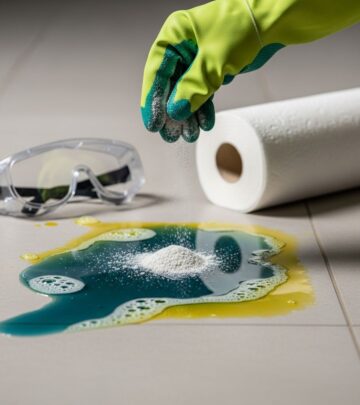
After blotting to remove excess liquid, generously cover the stain with salt. Leave the salt in place for several minutes to absorb the wine. Gently scrub the area with a soft cloth to loosen any remaining stain, then vacuum up the salt thoroughly. This method is particularly effective for fresh spills and works best when combined with other techniques for more stubborn stains.
Method 5: Cold Water Rinse
Sometimes the simplest solution is the most effective. Cold water is preferable to hot water because red wine’s tannins dissolve more easily in cold temperatures, making them easier to extract from carpet fibers.
Technique:
Lightly dab the stain with a damp cloth soaked in cold water. Avoid hot water, which can set the stain permanently. Carbonated water is particularly recommended due to its acidity, which helps dissolve the stain further. Continue blotting with fresh, damp cloths until the stain diminishes. This method works best for fresh spills and can be used as a preliminary step before applying more aggressive cleaning solutions.
Using a Carpet Cleaning Machine
For serious or stubborn wine stains, a carpet cleaning machine (also called a spot cleaner or wet/dry vacuum) can deliver professional-quality results. These machines combine spraying, brushing, and suction to lift stains effectively.
Step-by-Step Process:
- Pre-treat the stain with your chosen DIY solution or carpet cleaner formula
- Fill the machine’s tank with hot water and the recommended carpet cleaning solution
- Place the cleaning head over the stain and trigger the spray function
- Slowly move the machine over the stain, allowing the brushes to agitate the fibers
- The machine’s suction will pull out the liquid along with the wine pigments
- Make multiple passes, alternating between wet passes with cleaning solution and dry passes to extract moisture
- Perform a final rinse pass using plain water to remove any cleaning residue
- Make several dry passes to extract as much moisture as possible
- Blot the area dry with a clean towel or cover it with a weighted dry towel to absorb remaining moisture
The machine’s brushing action and powerful suction work together to dislodge stain particles from deep within the carpet fibers. Each pass will extract more pigment, and the final water rinse ensures no sticky residue remains to attract dirt later. Empty the machine’s dirty water tank promptly—you may be surprised by the reddish-purple water it contains, confirming that the stain has been successfully removed.
Treating Dried Wine Stains
If you’re dealing with a wine stain that has already dried, don’t despair. While fresh stains are easier to remove, dried stains can still be treated successfully with the right approach. The challenge with dried stains is that the tannins have had time to set more firmly into the carpet fibers. Begin by pre-treating the area with your chosen solution, allowing it to sit longer than you would with a fresh stain—up to 30 minutes or longer for particularly stubborn marks. This extended sitting time gives the cleaning solution more opportunity to break down the dried pigments. Follow this with your preferred removal method, whether that’s blotting, using a carpet cleaning machine, or repeating the application process multiple times.
Important Tips for Success
Always use white towels or cloths when blotting wine stains. Colored towels can transfer dye to your carpet, creating additional staining problems. White cloths also allow you to clearly see how much stain you’re removing, helping you gauge your progress.
Never use hot water on wine stains. Hot water can actually set the stain permanently by causing the tannins to bond more strongly to the fibers. Cold or lukewarm water is always the better choice.
Test any cleaning solution on an inconspicuous area of your carpet first. While most vinegar and baking soda solutions are safe, some delicate carpet materials may react unexpectedly to certain treatments.
Avoid over-saturating the carpet. While you want to apply enough solution to treat the stain, excessive moisture can lead to mold or mildew growth in the carpet padding underneath. Use moderate amounts and extract as much liquid as possible.
Allow complete drying before declaring victory. Some faint stains may fade further as the carpet fully dries. If a ghost image of the stain remains after drying, a second treatment may be necessary.
When to Call a Professional
While DIY methods are highly effective for most wine stains, some situations warrant professional intervention. If the stain covers a large area, if you’re concerned about damaging a valuable or delicate carpet, or if home methods haven’t achieved satisfactory results after multiple attempts, professional carpet cleaners have access to industrial-strength equipment and specialized solutions that can handle even the most stubborn stains. They also possess expertise in identifying your carpet type and selecting the most appropriate treatment method.
Frequently Asked Questions
Q: What’s the first thing I should do when red wine spills on carpet?
A: Act fast and blot, don’t scrub. Grab a clean, absorbent cloth or paper towel and blot the liquid immediately to soak up as much as possible before it seeps deeper into the fibers. Scrubbing can damage fibers and spread the stain.
Q: Can I use hot water to treat a wine stain?
A: No, avoid hot water as it can actually set wine stains permanently. Cold or lukewarm water is always preferable because red wine’s tannins dissolve more easily in cold temperatures.
Q: How long should I let a cleaning solution sit on the stain?
A: For fresh stains, allow the solution to sit for 10-15 minutes. For dried stains, extend this time to 30 minutes or longer to give the solution adequate time to break down set-in pigments.
Q: Is baking soda safe for all carpet types?
A: Baking soda is generally safe for most carpets, but test it on an inconspicuous area first, especially for delicate or antique carpets.
Q: What should I do if the stain persists after treatment?
A: Repeat the treatment process, or try a different method. Some stains may require multiple applications or a combination of techniques. If home methods don’t work after several attempts, consider hiring professional carpet cleaners.
Q: Can I use colored towels to blot wine stains?
A: No, always use white towels or cloths. Colored towels can transfer dye to your carpet and create additional staining problems. White cloths also help you clearly see your cleaning progress.
Q: Will hydrogen peroxide damage my carpet?
A: Hydrogen peroxide (3% solution) is safe for most carpets, but test it first on a hidden area. It breaks down into water and oxygen, leaving no residue. Avoid using higher concentrations that could bleach the carpet.
References
- Top 5 Ways to Remove Red Wine or Grape Juice Stains from Carpet — Vacuum Wars. 2024. https://vacuumwars.com/top-5-ways-to-remove-red-wine-or-grape-juice-stains-from-carpet/
- Red Wine on Carpet: Stain Removal Guide — National Carpet Cleaners Association (NCCA). 2024. https://ncca.co.uk/news/red-wine-on-carpet-stain-removal-guide/
- How to Remove Tough Carpet Stains — HGTV. 2024. https://www.hgtv.com/lifestyle/clean-and-organize/how-to-remove-wine-from-carpet
- How to Get Red Wine Out of Carpet — The Home Depot. 2024. https://www.homedepot.com/c/ah/how-to-get-red-wine-out-of-carpet/9ba683603be9fa5395fab901a54760b7
Similar Articles



Read full bio of medha deb