How to Repair a Water Softener: A Complete Guide
Learn how to diagnose, repair, and maintain your water softener for optimal performance and longevity.
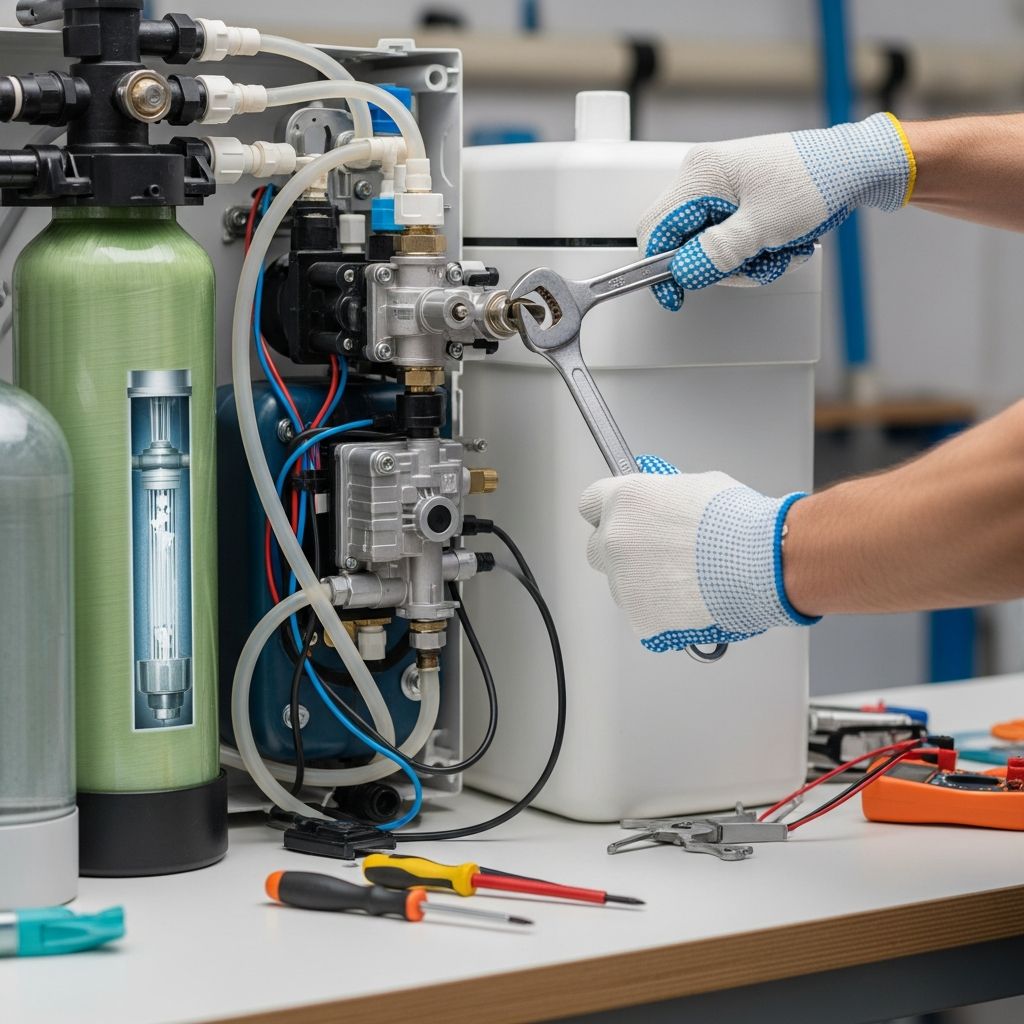
Water softeners are essential for homes with hard water, helping to prevent scale buildup, extend appliance life, and improve water quality. However, like any mechanical system, water softeners can develop issues over time. Fortunately, many common problems can be diagnosed and repaired with basic tools and a little know-how. This guide covers everything you need to know about repairing and maintaining your water softener, from troubleshooting to replacing key components.
How Do Water Softeners Work?
Most water softeners consist of two main components: the resin tank and the brine tank. The resin tank contains small beads that attract and hold hard water minerals such as calcium and magnesium. As hard water flows through the resin tank, these minerals are trapped by the beads, leaving softened water to flow into your home.
The brine tank stores salt or potassium chloride, which is used to regenerate the resin beads. During the regeneration cycle, a brine solution is flushed through the resin tank, removing the accumulated minerals and recharging the beads with sodium ions. This process ensures that the resin beads remain effective and your water stays soft.
How to Test Water Hardness
If you suspect your water softener isn’t working properly, the first step is to test your water hardness. You can use a water hardness test kit, available at most hardware stores or online. These kits typically involve adding a few drops of reagent to a water sample and comparing the color change to a chart.
- If the test shows that your water is still hard, your softener may not be regenerating properly.
- If the resin bed is exhausted, it may need to be replaced.
- Regular testing helps you monitor the effectiveness of your water softener and catch problems early.
Inspect the Regeneration Cycle
The regeneration cycle is crucial for maintaining the efficiency of your water softener. During this cycle, the system flushes a brine solution through the resin tank to remove accumulated minerals and recharge the beads.
- Observe your water softener during a regeneration cycle. Listen for unusual noises or look for issues with water flow.
- If the system isn’t regenerating at all, there may be a problem with the control valve or timer.
- Check the control panel for error messages or indicator lights that may signal a problem.
Replacing the Resin Bed
If your water softener is more than 10 years old or showing signs of decreased efficiency, the resin bed may need replacement. Here’s how to do it:
- Turn off the water supply and bypass the softener.
- Remove the control head and drain the tank.
- Remove the old resin using a wet/dry vacuum.
- Clean the tank thoroughly.
- Install a new distributor tube and add fresh resin.
- Reassemble the system and restore water flow.
Replacing the resin bed can significantly improve the performance of your water softener and extend its lifespan.
How to Fix a Clogged Brine Line
A clogged brine line can prevent proper regeneration, leading to hard water issues. To clear it:
- Locate the brine line connection at the control valve.
- Disconnect the line and blow compressed air through it.
- If blockage persists, replace the brine line.
Regularly inspecting and cleaning the brine line can prevent clogs and ensure smooth operation.
Repairing or Replacing Control Valves
Control valves regulate the flow of water into and out of the resin tank during the regeneration cycle. A broken control valve will keep the entire tank from functioning. Here’s how to repair a damaged or malfunctioning control valve:
- Turn off the water supply to the softener.
- Disconnect the control valve from the softener.
- Inspect the valve for any visible damages or blockages.
- Replace the valve if it’s broken; otherwise, clean it thoroughly.
- Reconnect the control valve and restore the water supply.
Control valves are critical components, so it’s important to address any issues promptly.
Fixing Cracked Distributor Tubes
The distributor tube within the softener tank ensures that water flows correctly through the resin bed. A cracked tube can lead to inefficiency:
- Shut off the water supply and bypass the softener.
- Drain the softener tank.
- Remove the resin and distributor tube.
- Inspect the tube. Replace it if there are any cracks.
- Reassemble the system and restore water flow.
A cracked distributor tube can cause uneven water flow and reduce the effectiveness of your water softener.
Annual Maintenance
Regular maintenance is key to keeping your water softener in top condition. Consider these tasks once a year:
- Check and adjust hardness settings.
- Clean the brine tank.
- Inspect and clean the venturi valve.
- Sanitize the resin bed.
Annual maintenance helps prevent problems and ensures your water softener continues to perform efficiently.
Professional Servicing
While many repairs can be DIY projects, some issues require professional attention. Consider calling a water treatment specialist if:
- The problem persists after attempted fixes.
- Your system is under warranty.
- You’re uncomfortable performing repairs yourself.
Professional servicing typically includes system cleaning, performance testing, and minor repairs. Annual professional servicing can cost between $150 and $300.
Frequently Asked Questions (FAQs)
Q: How often should I replace the resin bed?
A: The resin bed should be replaced every 10 years or sooner if you notice a decrease in water softening efficiency.
Q: What causes a clogged brine line?
A: A clogged brine line is usually caused by salt buildup or debris. Regular cleaning can prevent clogs.
Q: Can I repair a control valve myself?
A: Yes, you can repair or replace a control valve yourself if you’re comfortable with basic plumbing tasks. Otherwise, consult a professional.
Q: How do I know if my water softener needs professional servicing?
A: If you’ve tried basic troubleshooting and repairs but the problem persists, or if your system is under warranty, it’s best to call a professional.
Q: What are the signs of a cracked distributor tube?
A: Signs include uneven water flow, decreased softening efficiency, and visible cracks in the tube.
References
- How to Repair a Water Softener — This Old House. 2023. https://www.thisoldhouse.com/plumbing/21016993/how-to-repair-a-water-softener-2
- How to Repair a Water Softener | This Old House — YouTube. 2023. https://www.youtube.com/watch?v=4E6hJAVe5iY
- How Much Does a Water Softener System Cost? — This Old House. 2023. https://www.thisoldhouse.com/plumbing/water-softener-system-cost
Similar Articles



Read full bio of medha deb