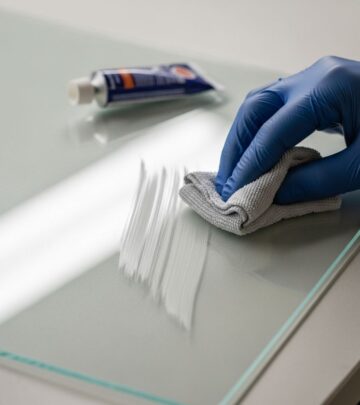
How to Repair Fogged Windows in Your Home
Learn why windows fog and discover four effective methods to restore clarity and energy efficiency.
Understanding Window Fogging and Its Causes
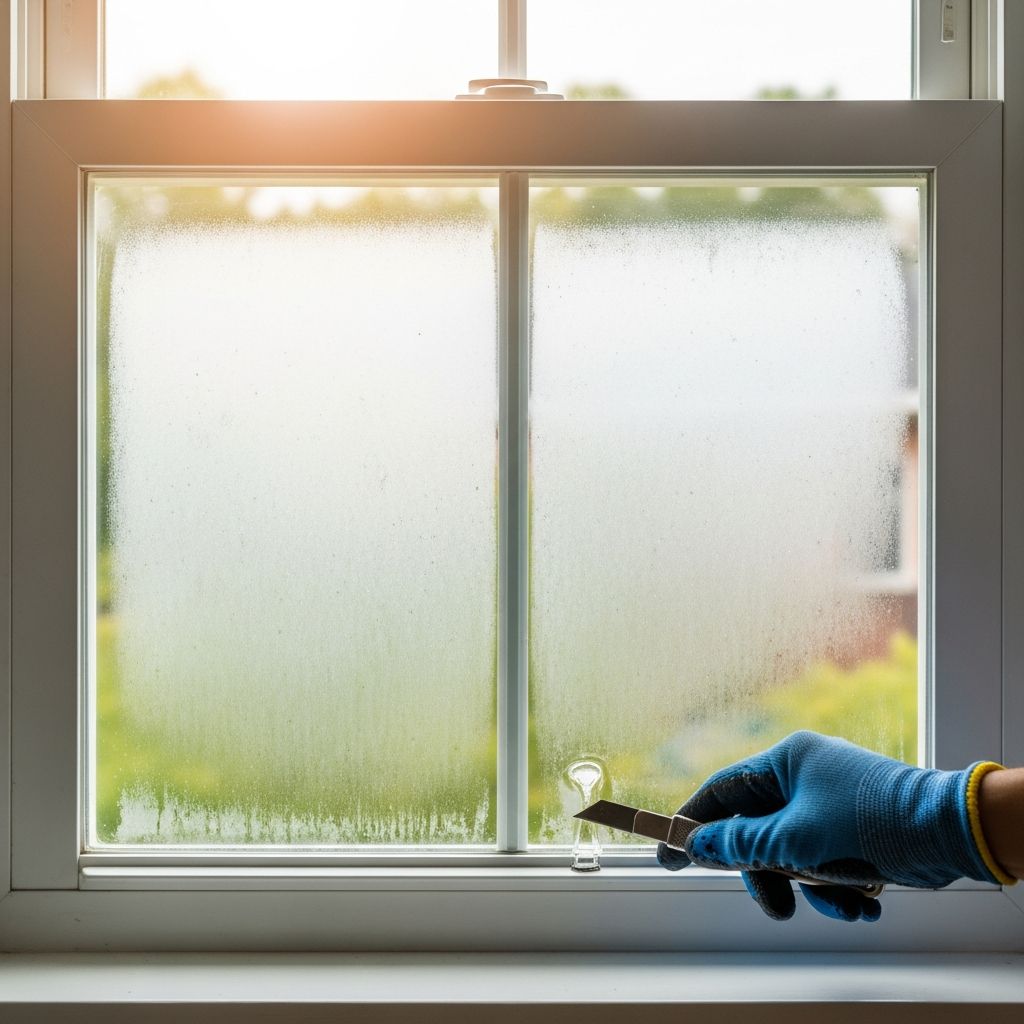
Foggy, cloudy windows are a common problem that affects many homeowners, and while they may not be aesthetically pleasing, understanding the underlying cause is essential to finding the right solution. Window fogging occurs naturally when warm, moist air condenses on a cold surface. However, when condensation appears between the panes of glass in your windows, it indicates a more serious issue that requires attention.
The first step in addressing fogged windows is determining whether the fog is on the exterior surface of the glass or trapped between the panes. If you can easily wipe away the fog with a cloth or glass cleaner, this simply indicates humidity condensing on the cooler glass surfacea temporary condition that requires nothing more than regular cleaning. However, if the fog persists between the panes and cannot be wiped away, your window seals have likely failed.
Over time, the seals that hold double-pane windows together will deteriorate. When these seals fail, the inert gastypically argon or kryptonthat was inserted between the panes during manufacturing begins to escape. As this protective gas leaks out, moisture enters the space between the glass panes, creating that stubborn cloudy appearance. Additionally, when seals fail, your window’s energy efficiency diminishes significantly, leading to higher heating and cooling costs.
Four Effective Solutions for Fogged Window Repair
1. Replace the Window Sashes
Replacing the window sash is often the easiest and most straightforward method for repairing fogged windows. The sash consists of the insulated glass unit (IGU) and the frame surrounding it. Most residential windows feature two sashes, and replacing them provides homeowners with brand-new, factory-sealed IGUs that prevent fogging from recurring.
This method is particularly appealing because the old sash simply pops out of its frame, and the new one drops into place. The process requires minimal tools and can often be completed by a homeowner without specialized equipment or professional assistance. Here’s how to replace a window sash:
- Unlock the window and slide the bottom sash upward a few inches
- Locate the two window latches positioned on the top of the sash
- Pull both latches inward simultaneously to release the sash
- Tip the sash into the room until it’s horizontal
- Lift one corner out of the window track and remove the sash completely
When ordering replacement sashes, you’ll need to contact the window manufacturer with precise measurements. Measure the width and height of your window opening and communicate these measurements in the format “W by H” to ensure the replacement sash arrives in the proper orientation. Once your new sash arrives, simply reverse the removal steps to reinstall it and secure it with the latches.
2. Replace the Entire Window
For homeowners with older windows or those seeking a comprehensive upgrade, complete window replacement is an excellent option for eliminating fogging. When you replace your entire windows, you’re investing in units that are significantly more energy efficient than older models. Many utility companies and government programs offer rebates and incentives for upgrading to Energy Star-certified windows, which can help offset the initial investment.
The window replacement process typically involves hiring a professional company that will measure each window in your home, order appropriate replacements, and handle the installation. During installation, technicians remove the existing panes and window stops, secure the new windows in place, and apply caulk, sealant, and trim around the perimeter. The existing exterior of your home and window frames typically do not need to be disturbed during this process.
While complete window replacement is the most expensive option upfront, it provides the greatest long-term value. Experienced DIYers have the option to purchase and install windows themselves, which can significantly reduce labor costs. However, professional installation ensures proper fit, sealing, and performance, which many homeowners consider worth the investment.
3. Replace Individual IGUs
For those seeking a middle-ground solution, replacing just the insulated glass unit (IGU) while retaining the existing sash frame is an option. This approach restores the window’s energy efficiency while preserving the original sash frame and hardware. However, it’s important to understand that IGU replacement is significantly more involved than sash replacement and typically requires professional expertise.
The IGU replacement process involves several complex steps. First, technicians must remove any retaining clips or strips holding the glass in the sash. Next, they carefully cut through the old sealant to extract the failed IGU. The shop will then measure the space and either construct a new IGU or order one from a manufacturer. Once the new unit arrives, technicians apply specialized sealants to ensure the connection is completely air- and water-tight before reinstalling any retaining strips or clips.
While DIY enthusiasts might be tempted to tackle this project themselves, finding a professional window company willing to perform IGU-only replacements can be challenging. The numerous technical details and requirements for proper sealing make this task best left to experienced professionals who have the right equipment and materials.
4. Defog the Windows
For homeowners looking for the most affordable option, defogging represents a viable temporary solution. This method restores the window’s transparency but does not address the underlying seal failure or restore energy efficiency. Defogging is ideal for situations where you’re planning a future window replacement or need a quick, economical fix.
The defogging process involves several precise steps. A professional contractor drills tiny holes in the glass pane, carefully positioning them to access the space between the glass layers. A specialized cleaning solution is then injected into this space to remove accumulated moisture and mineral deposits. Using a vacuum, technicians remove as much air as possible from between the panes, and a drying solution is injected to eliminate any remaining moisture. Once the interior of the glass is completely dry, the holes are sealed with a specialized material.
It’s crucial to understand that defogging is a temporary fix. Once the window seals continue to deteriorate, moisture will eventually return, and the fogging will reappear. For windows with glazed glass without any gas between the panes, resealing may be possible. However, for modern double-pane windows containing inert gases, the IGU must eventually be replaced.
Comparing Window Repair Methods
Understanding the differences between these repair methods helps homeowners make informed decisions based on their budget, timeline, and long-term goals.
| Repair Method | Cost Level | Energy Efficiency | Permanence | DIY Difficulty |
|---|---|---|---|---|
| Sash Replacement | Moderate | Restored | Permanent | Easy |
| Full Window Replacement | High | Maximum | Permanent | Moderate |
| IGU Replacement | Moderate | Restored | Permanent | Difficult |
| Defogging | Low | Not Restored | Temporary | Professional Only |
Why Replacement Is the Best Long-Term Solution
While defogging offers an affordable quick fix, replacement truly represents the smartest approach to addressing fogged windows. Whether you choose to replace the sash, the individual IGU, or the entire window unit, replacement eliminates the problem at its source and provides multiple benefits beyond simply restoring clarity.
When you invest in window replacement of any kind, you’re simultaneously addressing the fogging issue and restoring your window’s energy efficiency. Modern windows and replacement units incorporate advanced technologies that minimize heat transfer, reduce air leakage, and maintain the integrity of the inert gas between panes for decades. The result is a more comfortable home with consistent temperatures, reduced drafts, and noticeably lower heating and cooling expenses throughout the year.
Homeowners benefit from new, clean, fog-free windows that improve the aesthetic appeal of their home both from inside and outside. The improved clarity allows more natural light to enter your living spaces, creating a brighter, more welcoming environment. Additionally, the restored energy efficiency means your HVAC system works less strenuously, extending its lifespan and reducing maintenance costs over time.
Frequently Asked Questions About Fogged Windows
Q: How can I tell if my window fog is a seal failure or just condensation?
A: If you can wipe away the fog with a cloth or glass cleaner and the window becomes clear, it’s simply surface condensation. If the fog remains between the panes regardless of cleaning attempts, your window seals have failed and require professional attention.
Q: How much does it cost to defog windows professionally?
A: Professional defogging typically costs between $300 and $400 per window, though prices vary based on location and window size. This is significantly less expensive than replacement options but provides only a temporary solution.
Q: Can I replace just the glass in my fogged window?
A: Yes, you can replace the IGU (glass unit), but this requires professional expertise in most cases. Alternatively, replacing the entire sash is often easier and more affordable for homeowners attempting DIY repairs.
Q: Will replacing my windows help me save on energy costs?
A: Absolutely. Modern replacement windows are significantly more energy efficient than older windows. Many homeowners report 10-15% reductions in heating and cooling costs after upgrading windows, with many utility companies offering rebates to offset initial investment.
Q: How long does the defogging process last?
A: Defogging is a temporary solution. As window seals continue to deteriorate, moisture will eventually return between the panes. For a permanent solution, window or sash replacement is necessary.
Q: Can I replace window sashes myself without professional help?
A: Yes, sash replacement is one of the most DIY-friendly window repair options. The process simply involves removing the old sash and installing the new one, requiring minimal tools and expertise.
References
- How to Repair Fogged Windows in Your Home — This Old House. Accessed December 3, 2025. https://www.thisoldhouse.com/windows/87817/fogged-window-repair
- Window Seal Repair and Replacement — This Old House. Accessed December 3, 2025. https://www.thisoldhouse.com/windows/window-seal-repair
- How to Fix a Fogged Thermal Pane Window — This Old House. Accessed December 3, 2025. https://www.thisoldhouse.com/
- U.S. Environmental Protection Agency ENERGY STAR Program — EPA. Updated 2024. https://www.energystar.gov/
Similar Articles



Read full bio of Sneha Tete