How to Repair a Garbage Disposal: DIY Guide
Master garbage disposal repairs with this comprehensive DIY guide to fix jams and restore functionality.
How to Repair a Garbage Disposal: A Complete DIY Guide
A malfunctioning garbage disposal can quickly disrupt your kitchen routine since it’s an essential component of your sink’s plumbing system. Many homeowners face the anxiety of dealing with a broken disposal, worrying about expensive service calls or complete replacement costs. The good news is that many common disposal issues can be resolved with simple do-it-yourself fixes without calling a professional plumber. This comprehensive guide walks you through the steps to diagnose and repair a jammed garbage disposal, helping you restore functionality and avoid costly repairs or service calls.
Safety First: Essential Precautions
Before attempting any repairs on your garbage disposal, safety must be your top priority. These powerful kitchen appliances can cause serious injuries if not handled properly. Always follow these essential safety guidelines:
- Turn off the disposal’s power at the circuit breaker before beginning any work
- Never reach into the disposal with your bare hands, no matter the circumstances
- Use only tools specifically designed for garbage disposal repair
- Wear safety glasses to protect your eyes from debris and splashes
- Keep the area around the sink clear of obstacles
- If you’re unsure about electrical components, consult a licensed electrician
Understanding Your Garbage Disposal
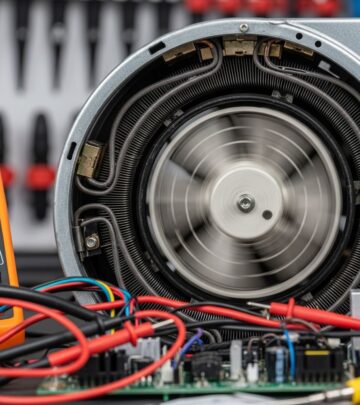
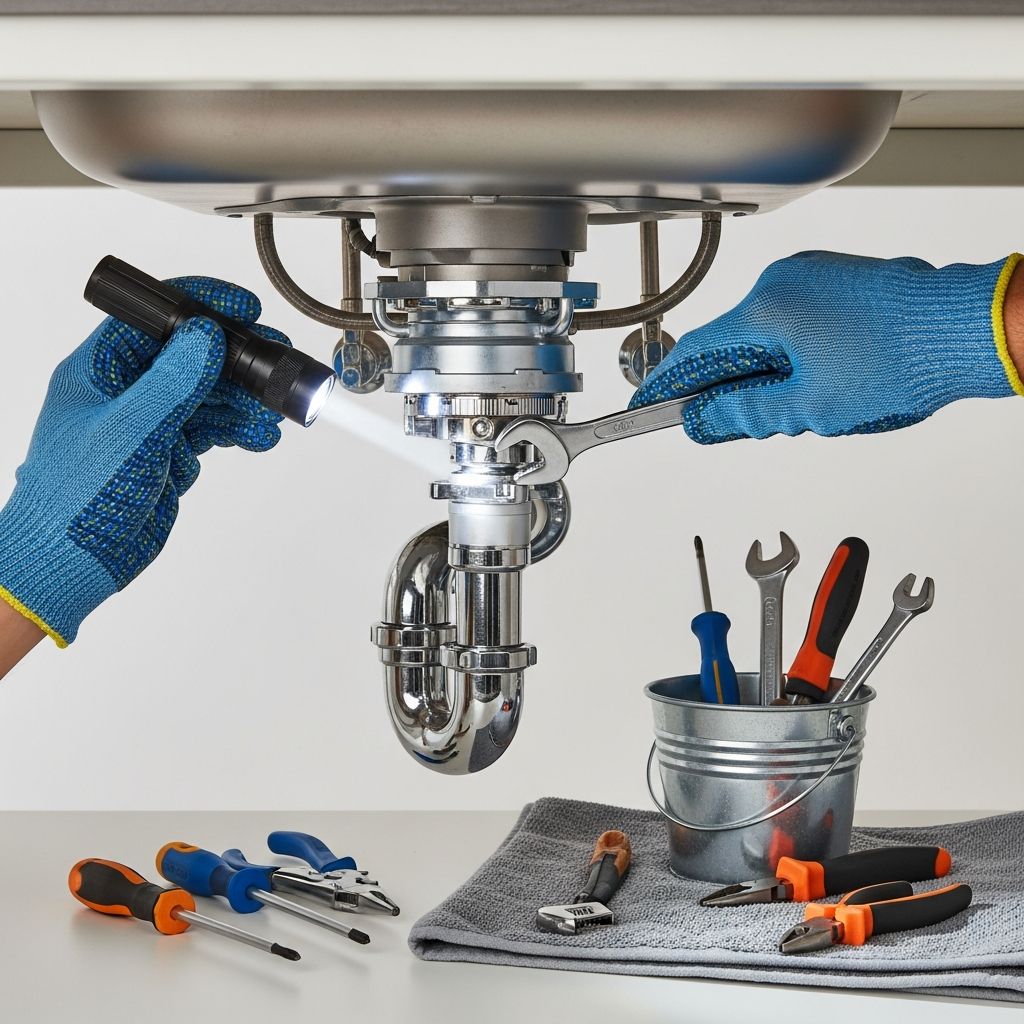
To effectively repair your garbage disposal, it helps to understand how it works. The disposal contains a motor connected to a rotating flywheel with cutter blades. When you turn on the unit, the motor spins the flywheel at high speeds, and the cutter blades break down food waste into small particles that flow through your plumbing. A splash guard at the top keeps debris from splashing back into the sink. When something goes wrong, it’s typically either an electrical issue or a physical jam caused by debris lodging in the cutter wheel.
Step-by-Step Repair Instructions
Step 1: Check the Electricity
Before assuming your disposal is broken, verify that power is actually reaching the unit. Many disposal problems are simply electrical issues that can be resolved quickly.
- Locate the appropriate circuit breaker or fuse at your home’s main electrical panel
- Check if the breaker has tripped or the fuse has blown
- If tripped or blown, reset the breaker or replace the fuse
- Switch on the disposal to test
- If you hear humming, immediately turn off the switch and unplug the unit
If the disposal still doesn’t work after resetting the breaker, press the thermal overload button located on the bottom of the disposal unit. This red button acts as a safety mechanism that cuts power when the motor overheats. If pressing this button doesn’t restore function, the issue is more serious and you should consult a licensed electrician rather than risk electrical hazards.
Step 2: Free the Jam Using an Allen Wrench
If the electrical supply is fine but the disposal won’t spin, a jam is likely the culprit. Most disposals come with a hex-shaped Allen wrench specifically designed for this purpose. Here’s how to use it:
- Ensure the disposal is unplugged or the circuit is turned off
- Locate the hex-shaped hole at the bottom center of the disposal
- Insert the hex-head Allen wrench (typically 1/4-inch) that came with your disposal
- Turn the motor shaft counterclockwise and then clockwise until the obstruction is dislodged
- Move the wrench back and forth gently to work the jam loose
- Remove the wrench and restore power to the unit
- Run water into the sink and turn on the disposal to test if it’s working
This method works well for most common jams involving food particles and small debris. The back-and-forth motion helps break up the blockage without forcing the motor, which could cause damage.
Step 3: Use a Specialized Garbage Disposal Wrench
If the Allen wrench method doesn’t successfully clear the jam, you may need to use a specialized garbage disposal wrench. This tool is designed to grip the cutter wheel directly, providing more leverage and rotational force.
- Insert the garbage disposal wrench into the disposal from above through the drain opening
- Rotate the wrench until its jaws lock securely onto the cutter wheel
- Turn the wrench forcefully counterclockwise, then clockwise with deliberate, strong movements
- Work the wheel back and forth until you feel it start to turn freely
- Remove the wrench carefully
- Test the disposal’s operation by running water and turning it on
The specialized wrench provides more gripping power and leverage than an Allen wrench, making it effective for stubborn jams. However, use caution not to apply so much force that you damage the disposal or strain the motor when power is restored.
Step 4: Visual Inspection and Manual Removal
Sometimes you can actually see what’s causing the jam. Before proceeding with more aggressive methods, try this approach:
- Shine a bright flashlight or work light down into the drain opening
- Look for visible debris such as bones, utensils, glass, or large food particles
- If you can see the obstruction, use tongs or needle-nose pliers to carefully remove it
- Never insert your hand into the disposal, even if the power is off
- Once the visible debris is removed, test the disposal again
This straightforward approach can save you time and effort if the problem is something obvious like a fork, bone, or piece of glass that got caught in the mechanism.
Cleaning and Maintenance After Repair
Once you’ve successfully freed the jam, it’s important to thoroughly clean the disposal to prevent future problems and eliminate odors. Proper maintenance extends the life of your unit and keeps it running smoothly.
Removing and Cleaning the Splash Guard
The splash guard is the rubber or plastic component that sits at the top of the disposal, keeping debris from splashing back into the sink. It should be cleaned regularly and can often be removed for thorough cleaning.
- Locate the splash guard at the top of the disposal chamber
- Disconnect it by pulling upward or unbolting if necessary
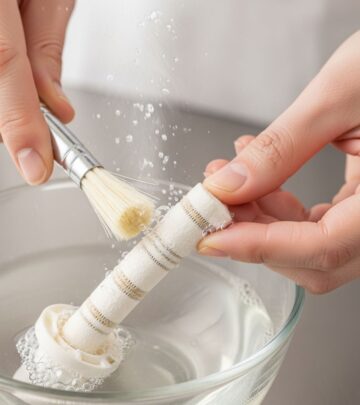
- Clean it separately using a long-handled brush or old toothbrush with soap and warm water
- Pay special attention to the underside where food particles accumulate
- Rinse thoroughly and reinstall
Scrubbing the Interior
The interior walls and cutter blades can accumulate stubborn food particles and grease buildup that affects performance.
- Use a long-handled brush or old toothbrush to scrub the interior walls
- Pay special attention to the area around the cutter wheel where particles get stuck
- Work the brush around all surfaces while water runs through the disposal
- Be gentle to avoid damaging the disposal components
Deodorizing Your Disposal
Garbage disposals can develop unpleasant odors from trapped food particles and bacterial growth. This natural deodorizing method is highly effective:
- Pour one cup of baking soda down the disposal drain
- Follow immediately with one cup of white vinegar
- Let the mixture fizz and bubble for several minutes
- Allow it to sit for five to ten minutes without running water
- Run hot water through the disposal while turning it on to rinse thoroughly
This chemical reaction naturally breaks down odor-causing residue and leaves your disposal fresh and clean. You can repeat this process monthly for ongoing maintenance.
Final Flush and Testing
After cleaning, give your disposal a final thorough flush to ensure everything is working properly:
- Insert the sink stopper to block the drain
- Fill the sink approximately three-quarters full with warm water
- Add one tablespoon of dish soap to the water
- Give the water a good swish to mix in the soap
- Remove the stopper and let the soapy water drain while running the disposal
- This helps flush out any remaining debris and tests overall functionality
Troubleshooting Common Issues
Disposal Humming But Not Spinning
If your disposal makes a humming sound when turned on but the flywheel doesn’t spin, this indicates a jam. The motor is receiving power and trying to work, but something is physically blocking the cutter wheel from rotating. Follow the jam-clearing procedures outlined above to resolve this issue.
No Sound or Power
If there’s no humming or any sound at all, check the electrical supply first. Verify that the circuit breaker hasn’t tripped and that the outlet is functioning by plugging in another appliance. Press the thermal overload button on the bottom of the unit. If still nothing happens, you likely have an electrical problem requiring professional help.
Water Leaking from the Disposal
While not a jam issue, leaks are a common problem worth mentioning. If water leaks from your disposal, check all connection points, including the mounting ring, drain connections, and the area where the disposal attaches to the sink flange. These connections may simply need tightening, or plumber’s putty may need reapplication for a watertight seal.
When to Call a Professional
While many disposal problems can be fixed with DIY methods, some situations require professional attention. Call a licensed plumber if you encounter persistent electrical issues, multiple failed repair attempts, cracks in the disposal body, or if you’re simply uncomfortable working with the unit. Attempting repairs beyond your skill level could result in injury or further damage.
Frequently Asked Questions
Q: Can I repair a garbage disposal myself?
A: Yes, many common issues like jams can be fixed with DIY methods. Always prioritize safety by turning off power and never reaching into the disposal with your hands. Use proper tools and follow the steps outlined in this guide.
Q: How often should I clean my garbage disposal?
A: Clean your disposal monthly using the baking soda and vinegar method. For heavy users, weekly cleaning may be beneficial. Regular cleaning prevents odors and maintains optimal performance.
Q: What items should I never put in a garbage disposal?
A: Avoid putting bones, shells, fibrous vegetables, grease, oils, pasta, rice, and non-food items into your disposal. These items commonly cause jams or damage the unit.
Q: How long does it take to repair a jammed disposal?
A: Most simple jams can be cleared in 15 to 30 minutes using an Allen wrench. More stubborn jams may require 30 to 60 minutes of troubleshooting.
Q: Is it safe to use chemical drain cleaners in a garbage disposal?
A: No, chemical drain cleaners can damage the disposal and harm the environment. Stick with natural methods like baking soda and vinegar for cleaning and deodorizing.
Q: What’s the red button on the bottom of my disposal?
A: That’s the thermal overload reset button. It automatically trips when the motor overheats to prevent damage. Press it to reset the unit after an overheating incident.
References
- How To Repair a Garbage Disposal — This Old House. 2024. https://www.thisoldhouse.com/plumbing/21124373/how-to-repair-a-garbage-disposal
- How to Keep Your Garbage Disposal Running Smoothly — This Old House. 2024. https://www.thisoldhouse.com/plumbing/23036190/garbage-disposal-maintenance-tips
- How To Fix a Garbage Disposal That’s Humming But Not Working — MR Appliance. 2024. https://www.mrappliance.com/blog/garbage-disposal-wont-spin-heres-what-to-do/
Similar Articles


Read full bio of medha deb