How to Replace an Exterior Door: Complete Guide
Master exterior door replacement with our step-by-step guide covering tools, installation, and finishing touches.
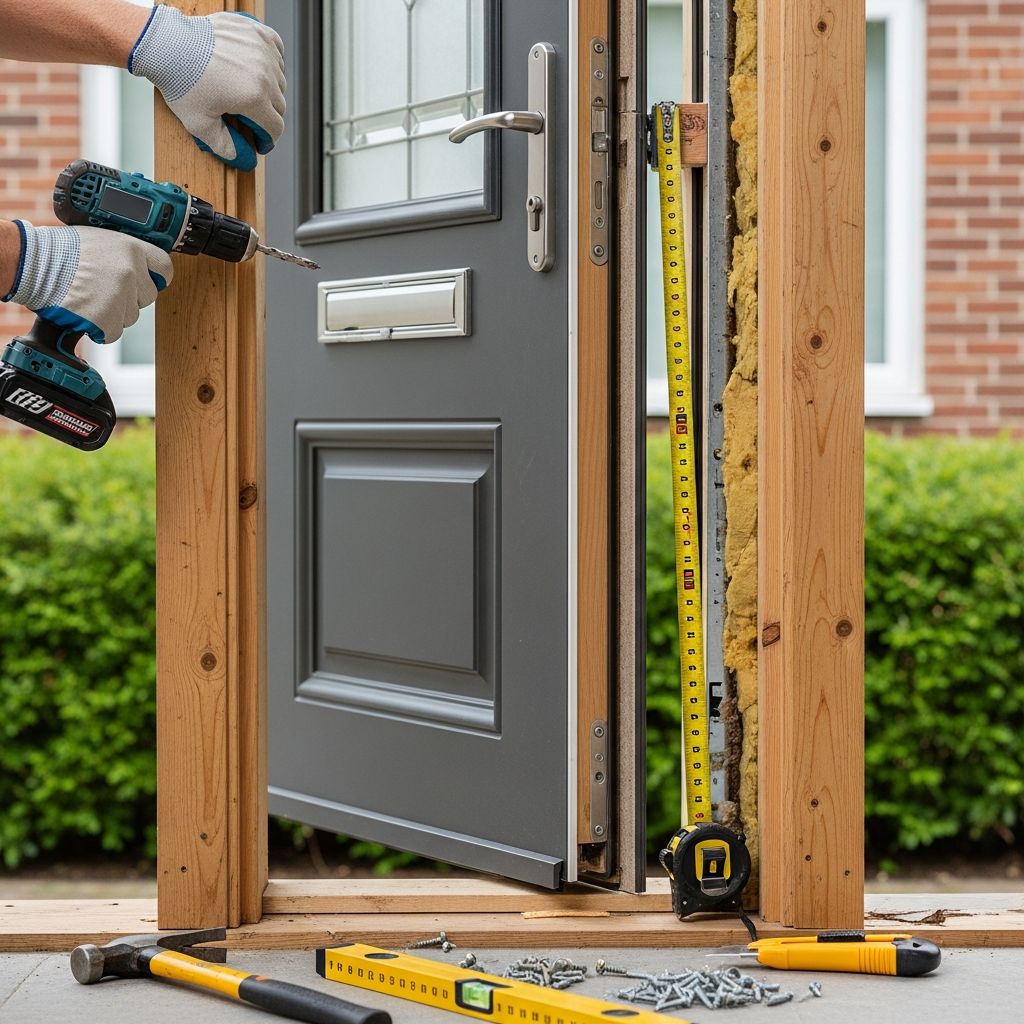
How to Replace an Exterior Door: A Complete DIY Guide
Replacing an exterior door is one of the most rewarding home improvement projects you can undertake. Whether your current door is damaged, outdated, or simply not functioning properly, installing a new exterior door can dramatically improve both the appearance and security of your home. This comprehensive guide will walk you through every step of the process, from preparation and measurements to final installation and finishing touches.
Understanding When to Replace Your Exterior Door
Before diving into the replacement process, it’s important to assess whether your door actually needs replacing. Common signs that indicate it’s time for a new exterior door include visible rot or water damage, difficulty opening and closing, drafts around the frame, cracked or broken glass, or simply wanting to upgrade to a more stylish or energy-efficient option. If you notice any of these issues, replacement may be the best solution.
Tools and Materials You’ll Need
Successful door replacement requires having the right tools on hand before you begin. Here’s what you’ll need:
Essential Tools
- Cordless drill with drill bits and screw bits
- 15-gauge and 18-gauge brad nailer with appropriate fasteners
- Tape measure
- Pencil for marking measurements
- Level to ensure proper alignment
- Pry bar or crowbar for removing the old door
- Hammer for driving nails and shims
- Shims for leveling and squaring the frame
- Caulk gun for applying silicone sealant
- Forstner bit for drilling clearance holes
- Chisel for cleaning out strike plate areas
Materials Required
- Pre-hung exterior door unit with brick molding
- Jamb extension kits (if needed for wall thickness)
- Threshold extension (typically included with jamb kits)
- Exterior-grade silicone caulk
- Interior trim pieces
- Weather stripping
- Screws for frame fastening
Taking Accurate Measurements
Accurate measurements are crucial for a successful door installation. Before removing your old door, carefully measure the existing opening and frame dimensions. Pay special attention to the wall thickness, as this determines whether you’ll need jamb extension kits. Measure from the interior gasket to where the brick molding attaches to determine the exact extension needed. For homes with 2×6 exterior walls, you’ll likely need jamb extensions, whereas standard 2×4 walls may not require them.
Check the existing door frame condition as well. Look for signs of rot, particularly around the bottom corners where water damage is most common. Understanding the current state of your frame will help you plan the removal and installation process more effectively.
Removing the Old Door
Removing the existing door is the first major step in the replacement process. Start by carefully prying off the interior trim using a pry bar, working slowly to avoid damaging the surrounding wall. Once the trim is removed, you’ll have better access to the fasteners holding the frame in place.
Next, remove the door from its hinges by lifting it straight up and setting it aside in a safe location. With the door removed, you can now focus on removing the frame itself. Use your pry bar to carefully extract the frame from the rough opening, working from multiple points to avoid twisting or binding. Take your time during this step, as rushing can damage the surrounding wall structure.
After the old frame is out, inspect the rough opening. Remove any debris, damaged wood, or deteriorated siding. If you find rotted siding or frame members, these should be replaced before installing the new door. This is your opportunity to ensure the opening is clean and ready for proper installation.
Preparing the New Door and Jamb Extensions
If your measurements indicate that jamb extensions are needed, you’ll need to prepare them before installation. Jamb extension kits typically include three pieces of wood and a threshold extension. Start by carefully removing the brick molding from the new door frame. This allows you to install the jamb extensions properly.
Align the jamb extension pieces with the door frame and secure them using a 15-gauge brad nailer to hold them temporarily in place. Later, you’ll use screws through the hinge holes and other fastening points to permanently secure these extensions. The threshold extension slides onto a channel integrated into the frame—simply position it and ensure it’s properly seated.
Setting Up for Installation
Before placing the door in the opening, apply a generous bed of exterior-grade silicone caulk around the rough opening. This creates a weathertight seal and helps prevent water intrusion. Position the door carefully in the opening, checking that the brick molding sits flush against the exterior wall surface.
The Critical Shimming Process
Proper shimming is essential for a door that functions smoothly and looks professional. Begin shimming from the hinge side of the frame. Insert shims between the frame and the rough opening, driving them in gradually from both sides until they’re snug. The goal is to create even pressure without over-tightening.
Once the hinge side is roughly positioned, screw the frame to the opening through one of the hinge holes into the framing. This anchors the hinge side temporarily. Now move to the opposite side and repeat the shimming process on the latch side.
The critical measurement during shimming is the “reveal”—the consistent gap between the door edge and the frame opening. You want this gap to be uniform all around the door, typically between one-eighth and one-quarter inch. Check this reveal frequently by opening and closing the door, making adjustments as needed. This back-and-forth process of checking, adjusting shims, and re-checking might take ten to twenty minutes, but it’s worth the time investment.
Once the reveal is perfect all the way around, secure the frame with screws at multiple points, going through the shims into the framing. This distributes the pressure evenly and prevents the frame from shifting over time.
Installing Flashing and Weather Protection
After the frame is securely fastened, install the flashing and weather stripping. Pull off the weather stripping that came on the door frame, as this will be reinstalled after shimming is complete. Ensure that rubber flashing is properly positioned on the outside to direct water away from the frame and siding.
Once exterior flashing is in place, pre-drill holes for the brick molding attachment. Carefully position the brick molding over the exterior edge of the frame and nail it in place, ensuring it sits flush and evenly all around. Check frequently that the molding isn’t pushing the frame out of square.
Installing Interior Trim
Moving to the interior of the door, cut and fit your interior trim pieces to frame the opening cleanly. Use an 18-gauge brad nailer for this work, as it creates smaller nail holes that are less visible. Nail the trim securely to the frame and wall studs, maintaining consistent spacing and alignment.
If you’re not reusing the original interior trim, this is an opportunity to upgrade to something that complements your home’s décor. Take time to ensure all interior trim is properly aligned, level, and securely fastened before moving on to hardware installation.
Installing Door Hardware and Lockset
With the door frame and trim installed, you can now focus on the hardware. Start with the lockset installation, following the manufacturer’s instructions carefully. Most modern locksets come with templates or guides that show exactly where to drill holes for proper alignment.
Drill the required holes through the door for the bolt and strike mechanism. Install the lockset body, then attach the handle hardware on both sides. Tighten all set screws to ensure the hardware is secure and functions smoothly.
Install the strike plate on the door frame, ensuring it’s positioned to catch the bolt smoothly when the door closes. If there isn’t enough clearance for the bolt or deadbolt to function properly, you may need to use a Forstner bit to enlarge the hole and then carefully chisel out the opening to make it square. This allows the strike plate to sit flush and function correctly.
Final Sealing and Finishing
Before considering your project complete, apply caulk around all the exterior trim and any visible gaps. Use exterior-grade silicone caulk to create weathertight seals that will protect your door installation from water infiltration and air leaks for years to come.
Install the screw hole covers that came with your door hardware to give everything a polished, finished appearance. Add any final trim pieces needed at the threshold, particularly if siding needs to be integrated or replaced at the bottom of the opening.
Timeline and Expectations
A typical exterior door replacement can be completed in thirty to forty-five minutes once you have experience with the process. However, if you’re doing this for the first time, budget two to three hours to account for careful measurements, adjustments, and finishing touches. The most time-consuming part of the project is usually the shimming and reveal adjustment process, as this requires multiple checks and fine-tuning.
Frequently Asked Questions
Q: Do I need jamb extensions for my door replacement?
A: Whether you need jamb extensions depends on your wall thickness. Standard 2×4 exterior walls typically don’t require extensions, but 2×6 walls usually do. Measure from the interior gasket to where the brick molding should attach to determine if extensions are necessary.
Q: What’s the importance of maintaining consistent door reveals?
A: Consistent reveals ensure your door looks professional and functions smoothly. Uneven reveals indicate the frame isn’t square or properly shimmed, which can lead to operational problems and water infiltration over time.
Q: Can I reuse my old interior trim?
A: It depends on the condition of your existing trim. If your old trim was installed directly against the door jamb without proper spacing, you may prefer to install new trim that looks better and fits more professionally.
Q: How much exterior caulk should I apply?
A: Apply a generous, continuous bead of exterior silicone caulk around the entire rough opening before installing the door. This creates the primary weathertight seal and is critical for long-term performance.
Q: What should I do about rotted siding around my door opening?
A: Remove and replace any rotted wood before installing the new door. Rotted areas won’t provide proper support for the door frame and can compromise the entire installation.
Q: How do I know if my door is shimmed correctly?
A: Your door should open and close smoothly without sticking, maintain a consistent reveal all around, and not bind at any point. Use a level to verify that the frame is plumb and square.
References
- How to Install a Screen Door — Family Handyman. 2020-08-19. https://www.familyhandyman.com/project/storm-door-replacement/
- How To Install A New Front Door In 30 Minutes — The Handyman. 2019-08-26. https://www.youtube.com/watch?v=j2mC9CP5LdY
Similar Articles








Read full bio of medha deb