How to Reseed Your Lawn: Complete Step-by-Step Guide
Master the art of lawn reseeding with our comprehensive guide to restore your patchy grass.
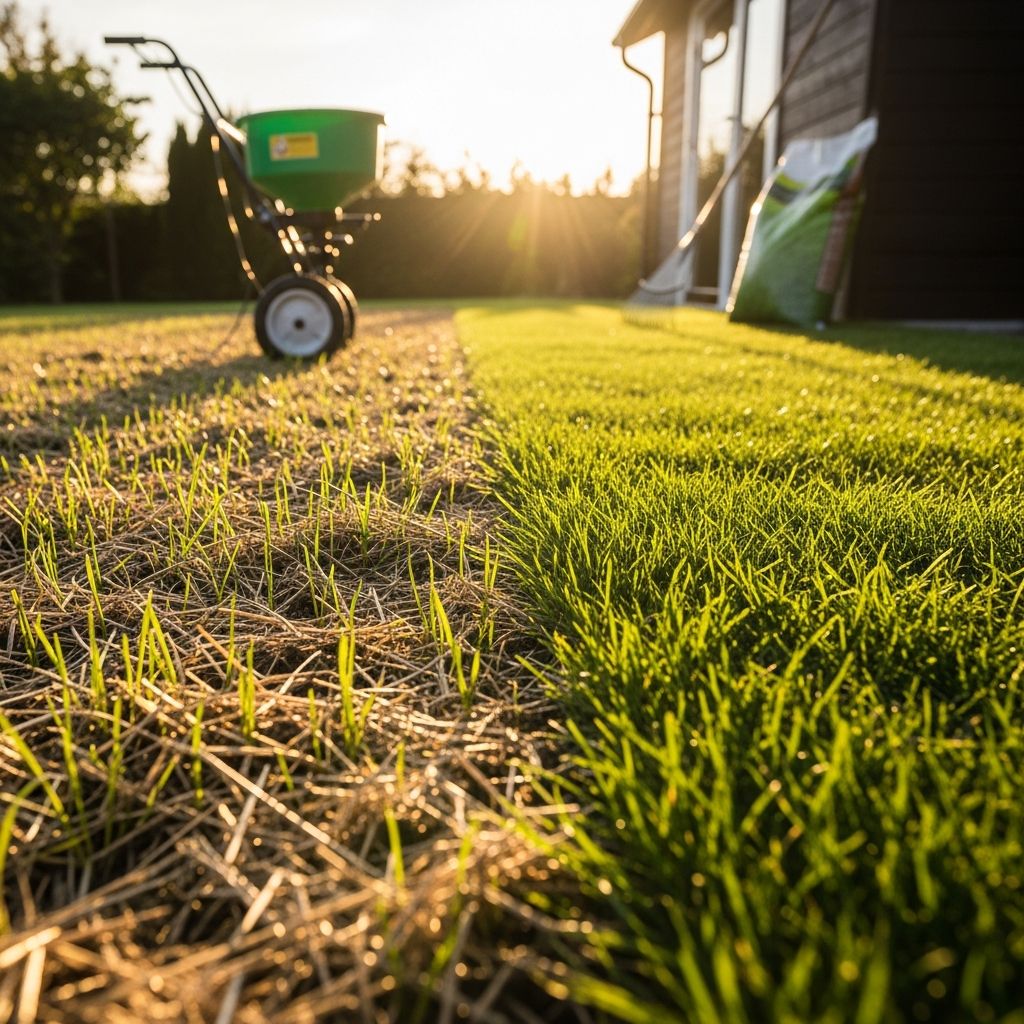
A lush, green lawn is a hallmark of good property maintenance and curb appeal. However, over time, lawns can develop bare patches, thin areas, and weedy sections due to heavy foot traffic, disease, weather stress, or pest damage. Rather than attempting expensive sod installation or hiring professional contractors, reseeding is an affordable and effective solution that most homeowners can accomplish themselves. This comprehensive guide will walk you through the process of reseeding your lawn to restore its beauty and vitality.
When to Reseed Your Lawn
Timing is critical when it comes to reseeding your lawn. The success of your reseeding efforts depends largely on choosing the right season and weather conditions. Understanding the optimal timing for your region will significantly improve germination rates and establishment.
Best Seasons for Reseeding
The ideal time to reseed depends on your grass type and climate zone. For cool-season grasses, which dominate northern regions, early fall (late August through September) is the optimal time. During this period, soil temperatures are still warm enough to encourage seed germination, while cooler air temperatures reduce stress on young seedlings. Spring, specifically April through May, is the second-best option for cool-season grasses. For warm-season grasses typical of southern regions, late spring through early summer (May through June) provides the best conditions for germination and establishment.
Avoid reseeding during extreme heat, drought, or cold snaps. Summer heat causes rapid moisture loss and seedling stress, while winter cold prevents germination entirely. Late spring can be problematic in northern regions due to competing weeds.
Assessing Your Lawn’s Condition
Before beginning the reseeding process, conduct a thorough evaluation of your lawn to identify the underlying causes of damage. This assessment will help you determine whether reseeding alone will solve the problem or if additional treatments are necessary.
Identifying Problem Areas
- Bare patches: Areas completely devoid of grass, often resulting from heavy traffic, pet damage, or disease
- Thin spots: Regions where grass is sparse but not completely absent, typically caused by compaction or nutrient deficiency
- Weedy areas: Sections where weeds have invaded due to weak grass coverage
- Diseased sections: Areas showing signs of fungal infections or other lawn diseases
- Compacted soil: Hard, dense soil that prevents root penetration and water absorption
Take note of the pattern and distribution of problem areas. If damage is scattered throughout the lawn, overall lawn health may be the issue. If problems are localized, the causes might be specific to those areas, such as shade, drainage problems, or pet urine.
Soil Preparation: The Foundation for Success
Proper soil preparation is the most critical step in the reseeding process. Seeds will only germinate and establish successfully in well-prepared soil with adequate nutrients, proper pH, and good contact with the seed.
Step 1: Test Your Soil
Before making any amendments, conduct a soil test to determine pH and nutrient levels. Most grass grows best in slightly acidic to neutral soil with a pH between 6.0 and 7.0. Contact your local cooperative extension office to arrange a professional soil test, or use an at-home soil testing kit. The results will indicate whether you need to add lime to raise pH or sulfur to lower it, and what nutrients are deficient.
Step 2: Remove Debris and Dead Grass
Begin by raking the affected area vigorously to remove dead grass (thatch), leaves, and debris. This process, called dethatching, exposes bare soil and creates better seed-to-soil contact. For larger areas, consider renting a power rake or dethatcher from a local equipment rental center. Remove all loose material from the lawn to prevent it from interfering with seed germination.
Step 3: Aerate Compacted Soil
If soil compaction is an issue, aeration is essential. Compacted soil restricts root growth, limits water penetration, and reduces oxygen availability to seed and roots. For small areas, use a manual core aerator. For larger lawns, rent a mechanical aerator. Core aeration removes small plugs of soil, creating channels for water and air penetration. Perform aeration a few days before reseeding to allow the soil to settle slightly.
Step 4: Grade and Level the Surface
Fill in low spots and ensure the soil surface is relatively level. Use a landscape rake to create a smooth seedbed. Proper grading prevents water from pooling in certain areas and ensures uniform seed distribution. The surface should be firm enough that you don’t sink into it when walking, but loose enough to allow good seed-to-soil contact.
Step 5: Amend the Soil
Based on your soil test results, incorporate necessary amendments. Add lime if pH is too low or sulfur if too high. Mix in compost or topsoil to improve organic matter content and soil structure. For very poor soils, spread a half-inch layer of quality topsoil over the entire reseeding area. Work amendments into the top two to three inches of soil with a garden rake or tiller.
Selecting the Right Grass Seed
Choosing appropriate grass seed is crucial for long-term success. Different grass species thrive in different climates and conditions. Using the right seed for your region and lawn conditions ensures better germination and establishment.
Cool-Season Grasses
Cool-season grasses are ideal for northern regions with cold winters and moderate summers. Popular varieties include:
- Perennial ryegrass: Fine texture, quick germination, good for high-traffic areas
- Fescue: Fine to medium texture, drought-tolerant, shade-tolerant varieties available
- Bluegrass: Fine texture, self-repairing through rhizomes, excellent durability
Warm-Season Grasses
Warm-season grasses thrive in southern regions with hot summers and mild winters. Common warm-season varieties include:
- Bermuda grass: Fine texture, highly traffic-tolerant, drought-resistant
- Zoysia grass: Dense growth, excellent wear resistance, shade-tolerant
- Bahia grass: Coarse texture, drought-tolerant, low maintenance
Seed Quality and Labels
Purchase grass seed from reputable sources and always check the label information. Look for seed with high germination rates (typically 85% or higher) and low weed seed content. Avoid buying grass seed that has been stored for extended periods, as germination rates decline over time. Purchase seed from the current year’s crop when possible.
The Reseeding Process
With soil properly prepared and appropriate seed selected, you’re ready to begin the actual reseeding process. This involves distributing seed evenly and ensuring good seed-to-soil contact.
Step 1: Calculate Seed Amount
Determine the square footage of the area to be reseeded by multiplying length by width. Check your seed bag for recommended application rates, typically expressed as pounds per 1,000 square feet. Calculate the total amount of seed needed and purchase slightly more to account for potential overages or missed spots.
Step 2: Distribute Seed Evenly
For small areas (under 500 square feet), hand-spreading seed with a rotary spreader or drop spreader works well. For larger areas, use a mechanical spreader for more uniform distribution. Divide the reseeding area into sections and mark them with string or chalk. Apply seed in two passes, with the second pass perpendicular to the first, ensuring complete coverage and even distribution. This cross-pattern method helps achieve uniform density and prevents lines or missed spots.
Step 3: Improve Seed-to-Soil Contact
After spreading seed, lightly rake the area to work seed into the soil surface. This is critical for germination, as seeds need direct contact with moist soil. Raking also helps cover seed with a thin layer of soil. For small areas, use a landscape rake with light pressure. Avoid pressing too hard, which could bury seed too deeply or compact soil.
Step 4: Apply Starter Fertilizer (Optional)
Consider applying a starter fertilizer formulated for new grass establishment. These products have a higher middle number (phosphorus) to encourage root development. Follow product instructions for application rates. Alternatively, if your soil test indicated adequate nutrients, this step may be unnecessary.
Watering and Establishment
Proper watering is essential for seed germination and seedling establishment. Seeds are especially vulnerable during the first two to three weeks after planting.
Initial Watering Schedule
Keep the seeded area consistently moist (but not waterlogged) for the first two to three weeks. Water lightly and frequently—multiple light waterings daily are better than occasional deep watering. Depending on weather conditions, this may mean watering 2-4 times daily. The soil surface should remain visibly moist at all times during this critical establishment period.
Adjusting Watering as Seedlings Emerge
Once seedlings emerge (typically 7-14 days after planting, depending on species), gradually reduce watering frequency while increasing the depth of each watering. This encourages deeper root development. By 3-4 weeks, transition to normal watering practices for your region, typically deep watering 1-2 times weekly.
Protecting the Seeded Area
Keep foot traffic off the seeded area until grass is well-established (at least 3-4 weeks old). Heavy traffic during early establishment can damage fragile seedlings and compact soil, reducing success rates. Consider using rope, stakes, or signs to discourage people from walking on the newly seeded area.
Maintenance During Establishment
The first several weeks after reseeding require special care to ensure success. Avoid activities that could harm young grass.
Mowing Practices
Do not mow new seedlings until they reach at least 3-4 inches in height. When mowing does begin, never remove more than one-third of the blade length at a time. Use sharp mower blades to avoid tearing fragile new grass. Continue regular mowing schedules only after grass is well-established, typically 6-8 weeks after seeding.
Weed Management
Weeds often emerge during the establishment period, competing with new grass seedlings for water and nutrients. Hand-pull visible weeds to avoid disturbing seedlings. Wait until new grass is well-established before using any herbicides, as many products can damage young grass. Pre-emergent herbicides applied before reseeding can help suppress annual weeds.
Fertilization During Establishment
Apply a light application of nitrogen fertilizer 4-6 weeks after seeding to encourage leaf growth and density once seedlings are established. Follow product recommendations carefully, as excessive nitrogen can promote disease susceptibility in young grass.
Common Mistakes to Avoid
Understanding common reseeding mistakes helps ensure better outcomes:
- Poor soil preparation: Skipping or rushing soil prep is the most common cause of reseeding failure
- Wrong seed for your region: Using inappropriate grass varieties leads to poor establishment and growth
- Insufficient watering: Allowing soil to dry out during germination kills seeds before they sprout
- Overwatering: Excessive water creates muddy conditions and can promote disease
- Uneven seed distribution: Results in patchy coverage with thin areas that remain
- Too much fertilizer: Excessive nutrients promote weed growth and disease problems
- Mowing too early: Mowing immature seedlings damages or kills the new grass
- Poor timing: Reseeding at inappropriate seasons reduces germination rates
Timeline for Results
Understanding the typical timeline for reseeding success helps set realistic expectations:
| Timeline | Expected Development |
| 7-14 days | Germination begins; seedlings emerge |
| 2-3 weeks | Visible grass blades; critical establishment period |
| 4-6 weeks | Seedlings mature; first mowing possible; root development increases |
| 8-12 weeks | Full establishment; normal lawn maintenance resumes |
| 6-12 months | Fully mature grass; optimal appearance and durability |
Frequently Asked Questions
Q: Can I reseed my entire lawn at once?
A: Yes, you can reseed your entire lawn, though it requires more seed and effort than spot-treating problem areas. Fall reseeding of entire lawns is common in northern regions. The process is the same, just on a larger scale. Consider renting equipment like aerators and spreaders for the project.
Q: What should I do if weeds emerge in my newly seeded area?
A: Hand-pull weeds to avoid disturbing seedlings. Wait at least 6-8 weeks before applying any herbicides. Once grass is well-established, selective herbicides designed for your grass type can be used for remaining weeds.
Q: How long does it take to see results from reseeding?
A: Germination typically begins within 7-14 days, depending on grass species and conditions. Visible improvement in lawn coverage is apparent within 3-4 weeks. Full establishment and mature appearance takes 8-12 weeks.
Q: Can I reseed in summer?
A: Summer reseeding is generally not recommended for most regions, as heat stress, drought, and rapid moisture loss harm seedlings. Spring and fall are ideal. In cooler climates with cool-season grass, late spring is acceptable. In warm-season grass regions, late spring through early summer is appropriate.
Q: Do I need a professional to reseed my lawn?
A: Most homeowners can successfully reseed their lawns following proper procedures. Professional services may be helpful for large areas or lawns with complex problems, but reseeding is an achievable DIY project for most people.
Q: What’s the difference between reseeding and overseeding?
A: Reseeding typically refers to addressing specific bare patches or damaged areas after soil preparation. Overseeding is the process of spreading seed over existing grass without removing it, often done annually to thicken thin lawns. Reseeding usually involves more intensive soil preparation.
Q: Should I use straw mulch on my reseeded lawn?
A: Straw mulch can help retain soil moisture and protect seeds from birds, but ensure it’s weed-free straw. If straw quality is questionable, skip this step. Straw should be thin enough that new seedlings can push through it as they emerge.
Conclusion
Reseeding is an effective and affordable way to restore a beautiful, healthy lawn. By carefully following the steps outlined in this guide—from proper soil preparation through appropriate maintenance during establishment—you can successfully repair damaged areas and enjoy the satisfaction of a lush, green lawn. Remember that patience and consistency during the establishment period are key to success. With proper care and attention, your reseeded lawn will mature into a thriving, attractive landscape feature that enhances your property’s curb appeal and value.
References
- University of Minnesota Extension: Lawn Establishment and Renovation — University of Minnesota. 2024. https://extension.umn.edu/lawns-and-gardens/lawn-establishment-and-renovation
- Penn State College of Agricultural Sciences: Turfgrass Management — Penn State University. 2023. https://extension.psu.edu/turfgrass-management
- Clemson Cooperative Extension: Establishing a Lawn from Seed — Clemson University. 2024. https://www.clemson.edu/extension/
- Oregon State University Extension: Lawn Establishment — Oregon State University. 2023. https://extension.oregonstate.edu/ask-expert/featured/how-do-i-establish-lawn
- USDA: Turfgrass and Lawn Care Best Management Practices — U.S. Department of Agriculture. 2023. https://www.usda.gov/
Similar Articles







Read full bio of medha deb