How to Restain Kitchen Cabinets: A Complete Guide
Transform your kitchen with professional restaining techniques and expert tips for beautiful, durable cabinet finishes.
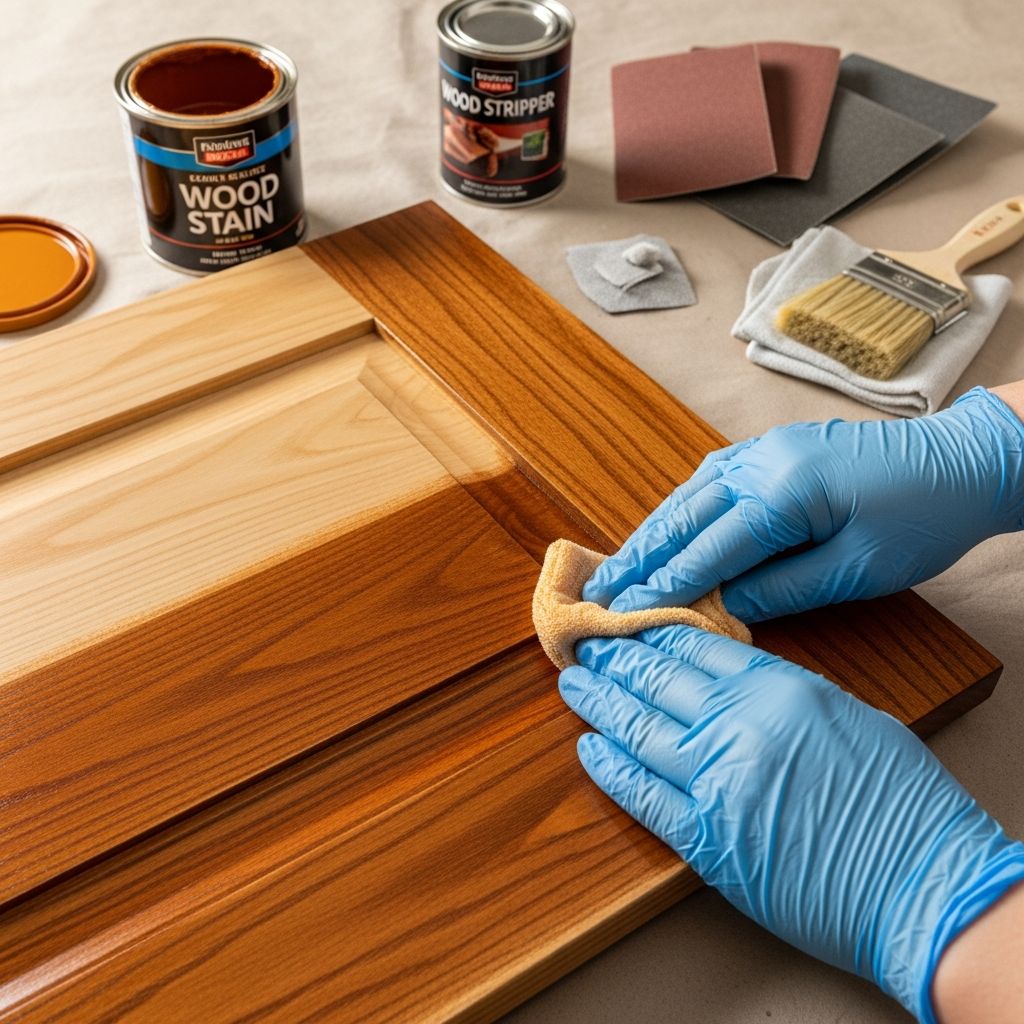
Kitchen cabinets take a beating year after year, enduring moisture, heat, sunlight, and constant use. Over time, the original stain can fade, become blotchy, or lose its luster. Rather than investing thousands of dollars in replacing your cabinets entirely, restaining offers a cost-effective solution to breathe new life into your kitchen. This comprehensive guide will walk you through the entire process of restaining kitchen cabinets, from preparation to final application, ensuring professional results.
Why Restain Kitchen Cabinets?
Restaining kitchen cabinets is an excellent way to update your kitchen’s appearance without the expense of full replacement. Whether your cabinets have lost their original color, developed a worn patina, or you simply want a fresh aesthetic, restaining provides a transformative solution. The process revitalizes wood surfaces, protects against damage, and can dramatically impact your kitchen’s overall design.
Beyond aesthetics, restaining extends the lifespan of your cabinets by applying a protective finish that shields the wood from moisture, temperature fluctuations, and daily wear. This makes restaining both an economical and practical choice for homeowners seeking to maintain their kitchen’s value and functionality.
Tools and Materials You’ll Need
Before beginning your restaining project, gather all necessary tools and materials. Having everything on hand ensures a smooth workflow and prevents interruptions during the staining process.
Essential Tools:
- Screwdriver (Phillips and flathead)
- Orbital sander or hand-sanding supplies (120-grit, 150-grit, and 220-grit sandpaper)
- Paintbrushes (2-3 inch natural bristle brushes)
- Paint rollers (foam or microfiber)
- Drop cloths or plastic sheeting
- Painter’s tape
- Latex or rubber gloves
- Safety glasses
- Dust mask or respirator
- Stir sticks
- Tack cloth
- Sawhorses or work tables
- Caulk gun (if needed for gaps)
Materials Required:
- Wood stain (color of your choice)
- Wood conditioner (for softwoods)
- Polyurethane or wood sealer (optional topcoat)
- Mineral spirits or stain thinner
- Wood filler (for any gaps or damage)
- Sandpaper (various grits)
- Clean rags or lint-free cloths
Step-by-Step Preparation Process
1. Remove Cabinet Doors and Hardware
The first step in restaining your cabinets is removing all doors and hardware. Label each door and hinge using masking tape and a marker so you can easily reinstall them later. Remove drawer fronts as well. This allows you to stain all surfaces evenly and makes handling much easier than trying to work around installed components.
2. Clean the Cabinet Surfaces
Thoroughly clean all cabinet surfaces with a degreasing cleaner to remove accumulated dust, cooking oil, and grime. A clean surface ensures better stain adhesion and more uniform color application. Use a damp cloth to wipe down all surfaces, then allow them to dry completely before proceeding.
3. Sand All Surfaces
Sanding is crucial for successful restaining. Begin with 120-grit sandpaper to remove the existing finish, working in the direction of the wood grain. Progress to 150-grit, then finish with 220-grit sandpaper for a smooth surface. Sand cabinet frames, doors, and drawer fronts uniformly. This process creates a receptive surface for the new stain and ensures even color absorption.
For best results, use an orbital sander on large, flat surfaces and hand-sand edges, corners, and detailed areas. Sand until the surface feels smooth and the old finish is sufficiently removed.
4. Fill Gaps and Repair Damage
Inspect your cabinets for gaps, dents, or gouges. Use wood filler to repair any imperfections, allowing it to dry according to manufacturer instructions. Once dry, sand these areas smooth with 220-grit sandpaper to blend seamlessly with surrounding wood.
5. Remove Dust and Apply Conditioner
Use a tack cloth to remove all dust from sanding. This step is essential, as dust particles will show in your stain application. For softwoods or woods prone to uneven staining, apply a wood conditioner before staining. This promotes even color absorption and prevents blotchy results. Follow product instructions for application and drying time.
Applying the Stain
Test Your Stain First
Always test your chosen stain color on an inconspicuous area or scrap wood from your cabinets. This allows you to see how the color looks on your specific wood and make adjustments if necessary. Different wood types and underlying colors can affect the final stain appearance.
Stir the Stain Properly
Stir your stain thoroughly with a stir stick, mixing for at least two minutes. This ensures pigment distribution and consistent color. Stains with pigments that settle require adequate stirring to prevent color variations in your application.
Apply Stain Evenly
Using a natural bristle brush, apply stain to cabinet surfaces in the direction of the wood grain. Work on one piece at a time, maintaining a wet edge to avoid lap marks. Apply stain in thin, even coats rather than one thick coat, which can result in blotchy appearance and uneven drying.
For large flat surfaces, consider using a foam roller to achieve an even finish more quickly. Allow each coat to dry according to manufacturer specifications before applying additional coats. Most quality stains require 24 hours of drying time between coats.
Remove Excess Stain
Wipe away excess stain with a clean, lint-free cloth shortly after application. This technique allows better control over stain intensity and helps prevent blotchy spots. The timing varies by stain type—oil-based stains may require wiping within minutes, while water-based stains might allow longer working time.
Multiple Coats and Color Building
Most cabinet restaining projects benefit from multiple stain coats to achieve desired color depth and richness. Apply two to three coats, allowing complete drying time between applications. Each coat builds upon the previous one, creating more saturated color. Sand lightly with 220-grit sandpaper between coats to promote adhesion and ensure smooth surfaces.
Light sanding between coats removes dust particles and raises grain slightly, allowing better topcoat adhesion if you plan to seal your cabinets with polyurethane.
Applying Protective Topcoats
While stain provides color, it offers minimal protection against moisture and daily wear. Applying a protective topcoat significantly extends your cabinet’s lifespan and durability. Polyurethane finishes offer excellent protection against water damage, scratches, and general wear.
Choosing a Topcoat:
- Water-Based Polyurethane: Low odor, quick-drying, non-yellowing, easy cleanup
- Oil-Based Polyurethane: Durable, amber tone, longer drying time, strong odor
- Wipe-On Polyurethane: Easy application, thinner consistency, requires multiple coats
Apply topcoats with a foam brush or roller, working in thin, even layers. Sand lightly between coats with 220-grit sandpaper, and allow complete drying before reassembling cabinets. Most polyurethane finishes require 48-72 hours for complete cure before regular use.
Reassembling Your Cabinets
Once all stain and topcoats have completely dried and cured, reinstall your cabinet doors, drawers, and hardware. Use your labels to ensure correct placement. Check that doors and drawers operate smoothly and align properly. Make any necessary adjustments to hinges or slides before fully tightening fasteners.
Maintenance and Care After Restaining
Proper maintenance extends the life of your newly restained cabinets significantly. Avoid excessive moisture by wiping spills immediately and maintaining proper ventilation in your kitchen. Clean cabinet surfaces regularly with a soft, damp cloth and mild soap solution. Avoid abrasive cleaners that can scratch the protective finish.
For kitchens with high humidity, ensure adequate ventilation and consider dehumidifiers in summer months. This prevents moisture from affecting the wood and finish. Use coasters under glasses and protect cabinet surfaces from direct contact with hot cookware.
Common Mistakes to Avoid
Insufficient Sanding
Failing to sand adequately before staining results in poor adhesion and blotchy color application. Thorough sanding creates a receptive surface essential for even stain absorption.
Skipping Wood Conditioner
For softwoods, skipping conditioner can result in blotchy, uneven staining. This step is especially important for pine, fir, and other woods prone to absorption variations.
Applying Stain Too Thick
Heavy stain application can appear blotchy and takes longer to dry. Multiple thin coats produce superior results to single heavy applications.
Not Testing Stain Color
Testing stain on inconspicuous areas prevents disappointment with final results. Wood type and existing color significantly affect stain appearance.
Inadequate Drying Time
Rushing through drying times compromises final finish quality. Allow manufacturer-recommended drying and curing periods before use.
Cost Comparison: Restaining vs. Cabinet Replacement
| Option | Cost Range | Timeline | Disruption Level |
|---|---|---|---|
| DIY Restaining | $200-$500 | 1-2 weeks | Moderate |
| Professional Restaining | $1,500-$3,500 | 2-4 weeks | Low |
| Cabinet Refacing | $3,000-$8,000 | 1-2 weeks | Moderate |
| Cabinet Replacement | $5,000-$15,000+ | 2-4 weeks | High |
Professional vs. DIY Restaining
While DIY restaining saves money, professional services offer expertise and specialized equipment. DIY projects allow budget flexibility and personal satisfaction but require significant time investment and attention to detail. Professionals deliver consistent, high-quality results with warranties but at considerably higher cost.
Consider your skill level, available time, and desired finish quality when deciding between DIY and professional services. For complex cabinet designs or premium wood types, professional services may provide superior results.
Frequently Asked Questions
Q: How long does cabinet restaining typically take?
A: DIY restaining typically takes 1-2 weeks, including sanding, staining, and curing time. Professional services may take 2-4 weeks depending on project size and complexity. The process involves multiple drying periods between coats, which cannot be accelerated.
Q: Can I restain cabinets without removing doors?
A: While possible, removing doors and hardware ensures more even staining and easier access to all surfaces. In-place staining is more challenging and may result in drips, runs, or uneven color application.
Q: What stain color should I choose?
A: Choose colors that complement your kitchen’s overall design and lighting. Test stain samples on your actual wood to see how colors appear in your specific space. Lighter stains hide dust better, while darker stains show grain character more dramatically.
Q: Is wood conditioner necessary for all woods?
A: Conditioner is essential for softwoods like pine and fir but less critical for hardwoods like oak or maple. Check your specific wood type and stain manufacturer recommendations to determine if conditioning is necessary.
Q: How durable is restained cabinet finish?
A: With proper application and maintenance, restained cabinets with polyurethane topcoat can last 5-10 years before requiring touch-ups or refinishing. High-traffic kitchens may need refreshing sooner than low-use cabinets.
Q: Can I change stain color significantly from the original?
A: Yes, but dramatic color changes may require additional sanding or stripping to remove existing stain. Light stains over dark wood may appear different than desired. Test samples first and consider professional stripping for major color transformations.
Q: Should I stain or paint my cabinets?
A: Staining preserves wood grain and natural appearance, while painting provides more color options and solid coverage. Choose staining to enhance wood beauty or painting for complete color transformation and easier maintenance on lower-quality wood.
Q: Can I use my kitchen during the restaining process?
A: Limited kitchen use is possible during restaining, but using cabinets during the process disrupts work and compromises results. Plan for at least 24-48 hours of limited access while stain and topcoat cure properly.
References
- Finishing Wood Surfaces: Stains and Topcoats — The Spruce. 2024. https://www.thespruce.com/wood-stain-types-and-application-3276598
- Wood Grain Direction and Sanding Technique — Woodworking Magazine. 2024. https://www.woodworkingmagazine.com/finishes/sanding-wood-grain-direction
- Cabinet Refinishing Best Practices — National Association of Home Builders (NAHB). 2023. https://www.nahb.org/cabinet-refinishing
- Polyurethane Finish Types and Durability — Fine Homebuilding. 2024. https://www.finehomebuilding.com/article/polyurethane-finishes-for-wood
- Wood Conditioner Application Guide — Minwax. 2024. https://www.minwax.com/wood-products/wood-conditioner
Similar Articles





Read full bio of medha deb