How to Retrofit a Home for an Earthquake
Strengthen your home against earthquakes with expert retrofitting techniques and step-by-step guidance.
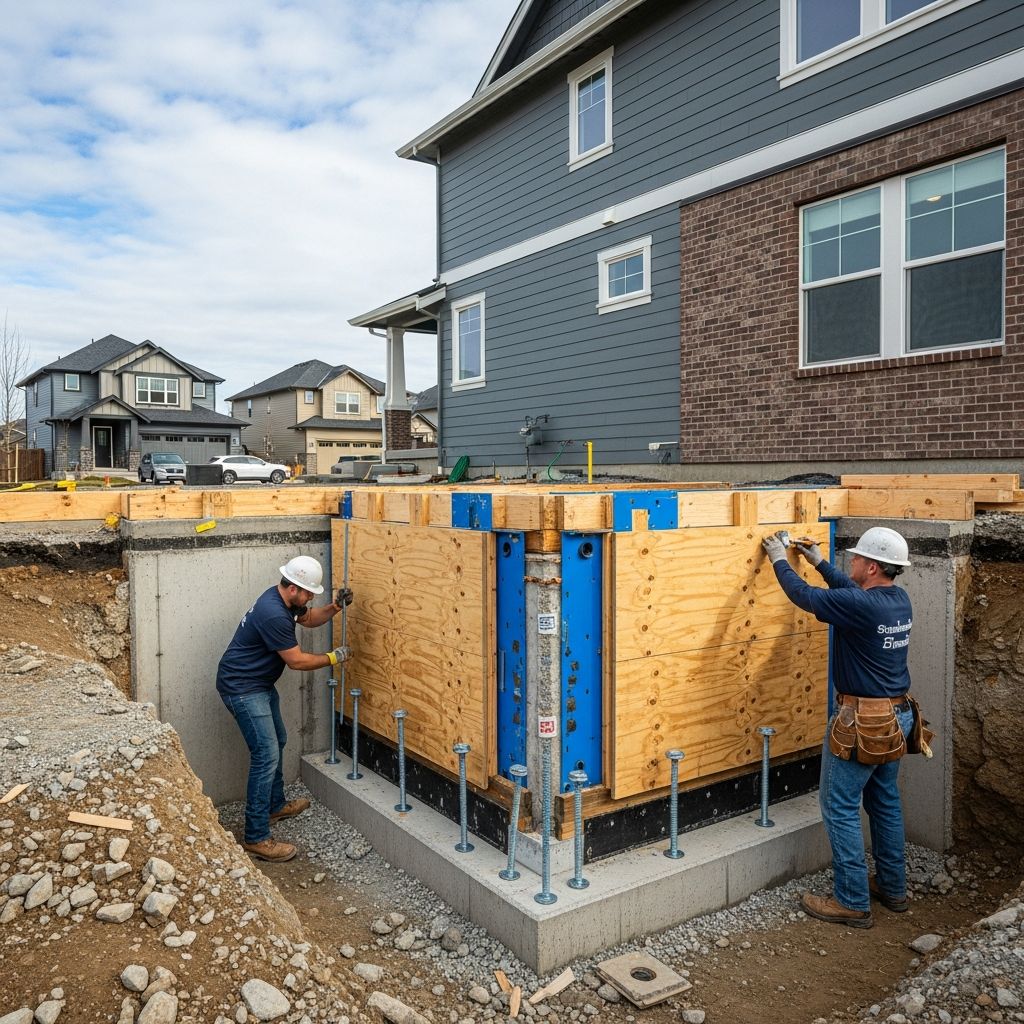
Earthquakes pose significant risks to homes, particularly those built before modern seismic building codes were established. Retrofitting your home can substantially reduce earthquake-related damage and protect your family during seismic events. This comprehensive guide outlines the essential steps and strategies for strengthening your home’s resilience against earthquakes.
Understanding Your Home’s Earthquake Vulnerability
Before beginning any retrofitting work, it is crucial to assess your home’s current vulnerability to earthquake damage. Many homes, especially those constructed before 1985, lack the necessary structural features to withstand significant seismic activity. The foundation is often a critical area of weakness, particularly if it consists of crumbly or porous concrete that cannot adequately resist earthquakes. An initial assessment by a qualified structural engineer will identify specific vulnerabilities and create a tailored retrofitting plan for your property.
Evaluating Structural Integrity
During the assessment phase, engineers examine multiple critical components of your home’s structure. They evaluate the foundation, framing, and overall structural integrity to identify areas requiring reinforcement. Common problem areas include cripple walls, floor joists, and foundation connections. Additionally, inspectors check for faulty materials such as crumbly concrete, unreinforced brick masonry, insect damage, and dry rot in wood framing. Any of these issues must be addressed before proceeding with the retrofitting process.
Secure the House to the Foundation
Creating a continuous load path from the roof to the foundation is the most critical step in earthquake retrofitting. This connection helps your home transfer lateral loads from its frame to its foundation, significantly reducing the risk of the structure sliding off its base during an earthquake. The process involves several interconnected components working together to maintain structural integrity.
Install Shear Transfer Ties
The first component in establishing this load path is installing shear transfer ties from the floor system to the sill plate. These metal brackets transfer forces from the upper structure down to the foundation. Using specialized hardware, such as Simpson Strong-Tie connectors, engineers install these ties at locations determined through structural analysis. The installation typically uses 10-penny nails driven with a palm nailer, following manufacturer specifications to ensure proper load transfer.
Connect the Sill Plate to the Foundation
The sill plate (also called the mud sill) serves as the connection between your home’s wood frame and the concrete foundation. This connection must be reinforced to prevent lateral movement during earthquakes. Metal L-brackets are secured into the rim joist and sill plate at engineer-specified locations. Additionally, side plates are installed to connect the sill plate directly to the foundation, creating a more robust connection than traditional foundation bolts alone.
Anchor the Foundation Connection
Modern earthquake retrofitting improves upon older mudsill bolting techniques by using steel straps, foundation plates, and framing clips that provide both lateral sliding resistance and vertical lifting resistance. Recent construction techniques involve setting steel straps in wet concrete as the foundation is poured, with the straps extending upward across the sill to connect to floor or wall framing. For retrofitting existing homes, screw anchors are drilled into the foundation to a depth specified by the engineer, typically achieving two-thirds embedment into six-inch concrete walls. A structural screw is then installed through the side plate into the foundation using an impact wrench.
Address Cripple Wall Vulnerabilities
Cripple walls are short walls located between the foundation and the first floor of a home, commonly found in homes built on raised foundations. These walls are particularly vulnerable to earthquake damage and often experience racking (twisting or bowing to one side) during seismic events. Reinforcing cripple walls is one of the most cost-effective earthquake safety measures you can implement.
Install Plywood Bracing
Cripple wall bracing involves installing plywood or oriented strand board (OSB) panels on the interior of these walls. Sheets of plywood nailed to the cripple walls help prevent damage from shaking in this inherently weak area of the structure. The plywood panels must be securely attached to the framing with nails spaced according to building code requirements. This bracing prevents the walls from collapsing during seismic activity and stabilizes the overall structure.
Why Cross-Bracing Alone Is Insufficient
Many older homes rely on cross-bracing within the framing to resist lateral forces. However, modern engineering standards recognize that cross-bracing alone is insufficient to provide adequate earthquake resistance. Solid plywood sheathing provides superior racking resistance and distributes lateral forces more effectively throughout the wall system.
Install Shear Walls for Lateral Force Resistance
Shear walls are structural elements specifically designed to resist lateral forces caused by earthquakes. These walls are created by adding plywood or OSB panels to certain walls within your home’s structure, transforming them into reinforced shear walls. The installation process involves careful attention to connection details and material specifications.
Installation Techniques
During shear wall installation, plywood or OSB panels are attached to wall framing using special nails and construction techniques specified by structural engineers and building codes. The panels must be securely fastened to ensure they can transfer lateral forces effectively. The nail spacing, size, and pattern are critical to the wall’s performance and must follow manufacturer and engineer specifications exactly. Proper installation ensures that the walls can resist the shearing forces that earthquakes produce.
Reinforce Chimneys and Masonry
Chimneys and masonry elements are particularly vulnerable during earthquakes and often sustain significant damage or complete failure. These heavy, brittle elements can collapse or separate from the main structure during seismic shaking, creating safety hazards and allowing weather to damage the home’s interior.
Chimney Bracing and Strapping
Chimneys should be secured with metal straps and brackets at multiple points to prevent collapse. These straps anchor the chimney to the roof framing and wall framing, keeping the structure in place during seismic movement. The straps distribute lateral forces and prevent the chimney from separating from the house.
Masonry Reinforcement
Unreinforced brick or stone masonry requires special attention and professional design work. An engineer or architect must design repairs and reinforcement strategies for masonry elements, as simply adding bracing may not be sufficient. Reinforcing materials should enhance both the strength and stability of masonry walls to help them withstand earthquake forces.
Install an Automatic Gas Shutoff Valve
During an earthquake, gas lines can rupture, creating a significant fire hazard. Installing an automatic gas shutoff valve provides critical protection by shutting off the gas supply when seismic movement is detected. This device must be installed by a licensed gas professional to ensure proper installation and compliance with local codes.
How Automatic Shutoff Valves Work
These valves contain a pendulum or ball-check mechanism that activates when the home experiences sudden lateral movement or acceleration typical of an earthquake. Upon activation, the valve closes, shutting off the gas supply to the entire home. This simple mechanism prevents gas leaks that could lead to fires or explosions during and after an earthquake.
Secure Water Heaters and Appliances
Large appliances like water heaters can become projectiles during earthquakes, causing injuries and property damage. Securing these items to surrounding walls is an essential but often overlooked aspect of earthquake preparation.
Water Heater Strapping
Water heaters should be secured to surrounding walls using heavy-duty straps installed at multiple points along the unit. Proper strapping prevents the water heater from tipping or falling during seismic shaking, which could rupture gas or water connections and cause flooding or fires.
Secure Valuables and Contents
Beyond structural retrofitting, securing the contents of your home can prevent injuries and property damage during an earthquake. Heavy items and valuables can shift, tip, or fall during seismic shaking, creating hazards and destroying irreplaceable items.
Fastening Techniques
Valuables and decorative items can be secured to walls, shelves, and floors using museum putty and zip ties. Museum putty is a reusable adhesive that holds items in place while remaining removable, making it ideal for valuable artwork, photographs, and collectibles. Zip ties provide additional security for items that need more robust fastening.
Professional Consultation and Permitting
Earthquake retrofitting involves structural modifications that typically require professional guidance and building permits. Consulting with a licensed structural engineer who specializes in seismic retrofits can help identify the most critical areas to address and ensure that work meets local building codes and standards.
When to Hire Professionals
Certain retrofitting tasks, such as gas line work and structural modifications, must be performed by licensed professionals. Even for tasks that motivated homeowners can undertake themselves, professional consultation remains valuable for ensuring that work is performed correctly and that no critical issues are overlooked.
Understanding the Load Path Concept
The foundation of earthquake retrofitting rests on the concept of a continuous load path. This path allows seismic forces to be transferred from the roof, through the walls, to the foundation, and ultimately into the ground. If any connection in this path fails, the entire structure’s integrity is compromised, potentially resulting in the home sliding off its foundation or experiencing catastrophic structural failure. Like the weakest link in a chain, a single failed connection can cause extensive structural damage.
Cost-Effectiveness of Retrofitting
Among all available retrofitting options, bolting the mud sill to the foundation and adding plywood to cripple walls are the most cost-effective measures you can implement. These two steps address the most common failure modes observed in past earthquakes and provide significant protection for relatively modest investment. However, the specific retrofitting needs for your home depend on its age, construction type, and local seismic risk.
Pre-Retrofit Structural Assessment
Before beginning retrofitting work, it is essential to check for faulty materials in both the concrete foundation and wood framing. Crumbly or porous concrete will not provide adequate strength for earthquake resistance and may need to be replaced or significantly strengthened. Similarly, any wood with insect damage or dry rot must be repaired or replaced before retrofitting can proceed. Addressing these issues may require hiring a pest control company and fixing water leaks that could contribute to additional damage.
Post-Retrofit Maintenance
After completing your earthquake retrofit, ongoing maintenance ensures that your investments remain effective. Regularly inspect bolts and connections to ensure they remain undamaged and rust-free. Check that fasteners have not loosened over time and that all components remain properly secured.
Building Code Requirements and Local Standards
Building codes and earthquake safety standards vary by location and have evolved significantly over time. Homes built in 1990 or later typically include earthquake-resistant features installed during original construction. However, homes built before this date often lack these protections. It is important to check with your local building department for specific retrofitting requirements in your area, as these requirements reflect the seismic hazard level and building practices particular to your region.
Frequently Asked Questions
Q: How long does a typical earthquake retrofit take?
A: The timeline varies depending on the scope of work and your home’s specific needs. A basic retrofit of a small home might take several weeks, while more comprehensive retrofits can take several months. Your structural engineer can provide a more precise estimate after assessing your home.
Q: How much does earthquake retrofitting cost?
A: Costs vary significantly based on home size, current condition, and the extent of retrofitting needed. Foundation bolting and cripple wall bracing might cost $3,000 to $7,000, while more comprehensive retrofits can exceed $15,000. Some areas offer rebates or incentives for seismic retrofits, so check with your local government.
Q: Can I do some of the retrofit work myself?
A: With proper guidance, motivated homeowners can perform some tasks like cripple wall bracing. However, structural modifications, gas line work, and other specialized tasks require licensed professionals. Always consult with a structural engineer before beginning any work.
Q: Which retrofitting measures are most important?
A: Foundation bolting and cripple wall bracing are the most cost-effective and important measures for most homes. These address the most common failure modes and should be prioritized. Your structural engineer can help prioritize other measures based on your home’s specific vulnerabilities.
Q: How do I know if my home needs retrofitting?
A: Homes built before 1985 typically lack modern seismic features and benefit significantly from retrofitting. Have a structural engineer conduct an assessment to identify your home’s specific vulnerabilities and retrofitting needs.
References
- Seismic Retrofit Guide — Earthquake Engineering Research Institute and Simpson Strong-Tie. 2024. https://mitigation.eeri.org/files/4_Seismic_retrofit_guide_Simpson_Strong_tie.pdf
- How to Retrofit a Home for an Earthquake | Ask This Old House — This Old House. 2024. https://www.youtube.com/watch?v=KtZUZIRDr1Y
- How To Retrofit a Home for an Earthquake — This Old House. 2024. https://www.thisoldhouse.com/natural-disasters/21124729/how-to-retrofit-a-home-for-an-earthquake
- Residential Seismic Strengthening — City of Portland Bureau of Planning and Sustainability. 2024. https://www.portland.gov/ppd/residential-permitting/home-projects/residential-seismic-strengthening
- Earthquake Retrofitting & Seismic Upgrades FAQ — Earthquake Safety. 2024. https://earthquakesafety.com/earthquake-retrofitting-faq.html
Similar Articles





Read full bio of medha deb