Mend It, Don’t Bin It: A Complete Guide to Sewing Holes in Clothes
Simple repair techniques to rescue favorite garments and extend their life
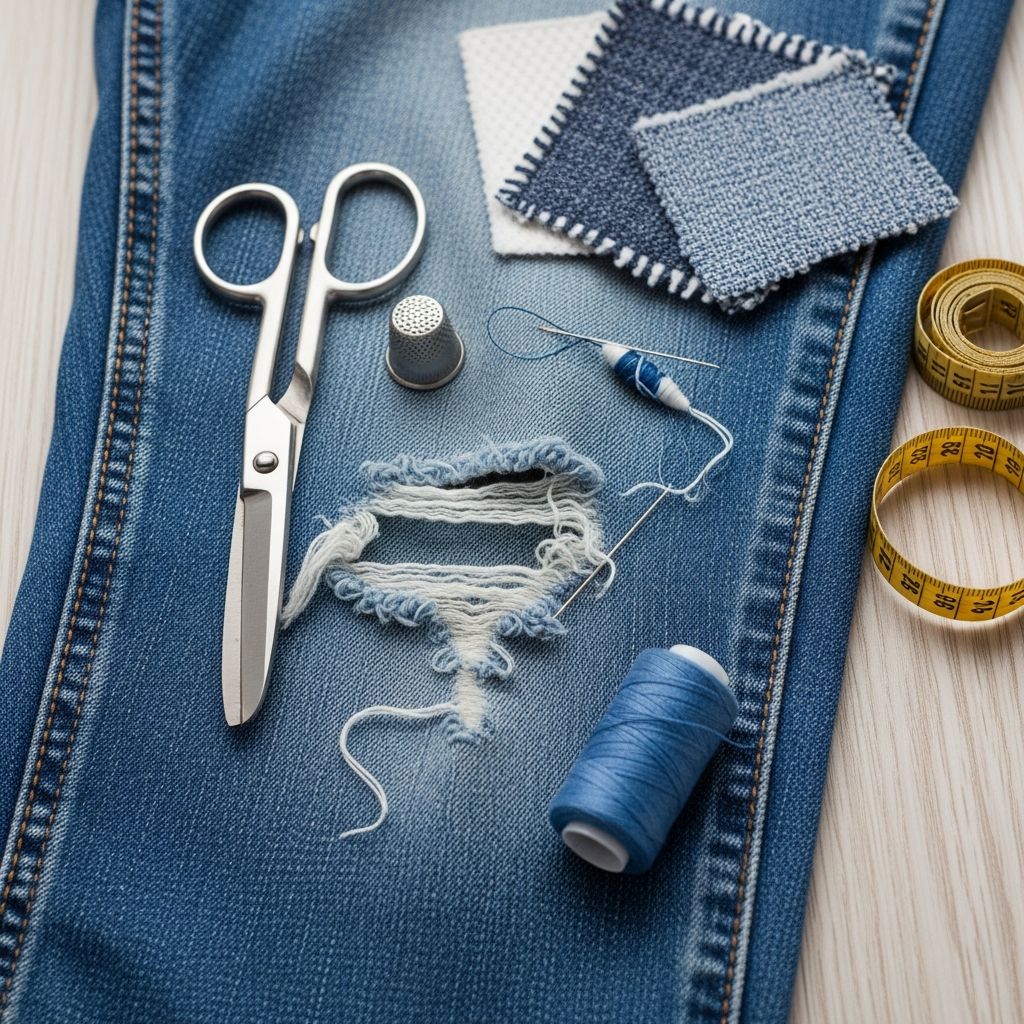
How to Sew a Hole in Clothes: A Practical, Step-by-Step Guide
Sewing up a hole is one of the most useful skills for anyone who wears clothes—which is to say, everyone. Instead of throwing away a favorite shirt or pair of jeans, a few minutes with a needle and thread can restore it, save money, and reduce waste.
This guide walks through how to fix different kinds of holes by hand, choose the right stitches, and adapt your repair to the fabric so it looks neat and lasts through many more wears.
Why Mending Holes Matters
Repairing clothing is good for your budget and the planet, and it often takes less time than shopping for a replacement. Knowing a few simple stitches lets you tackle everyday wardrobe mishaps instead of treating them as a reason to buy new.
- Preserve favorite garments that fit well and feel comfortable.
- Reduce textile waste by extending the life of what you already own.
- Gain confidence with basic hand sewing, which helps with many other small repairs.
Essential Tools for Mending Holes
You do not need a sewing machine to repair most holes. A small kit of simple tools is enough to handle everyday damage in shirts, trousers, sweaters, and more.
- Hand sewing needles: A mix of sharp, fine needles for light fabrics and slightly thicker ones for denim or canvas.
- Thread: All-purpose polyester or cotton thread in neutral colors (black, white, gray, navy) plus any colors you wear often.
- Sharp scissors: For trimming frayed threads and cutting thread ends cleanly.
- Pins or clips: To hold edges of a tear together while you sew.
- Thimble (optional): Helpful for pushing the needle through thick seams or multiple layers.
- Patch fabric (optional): Small fabric scraps for reinforcing large or worn-out areas.
Understanding Hole Types Before You Start
Not all holes are the same, and choosing the right method depends on how the fabric is damaged. Look closely at the area to decide what you are dealing with before threading your needle.
| Type of Damage | What It Looks Like | Best Repair Approach |
|---|---|---|
| Small puncture or pinhole | Tiny opening, no long tear, fabric still strong around it | Pull edges together and close with small, closely spaced stitches |
| Straight tear on a seam | Hole follows the seam line, original stitching has broken | Restitch along the seam using a strong stitch such as backstitch |
| Straight tear in the fabric | Clean rip across the cloth, not on a seam, edges can be aligned | Align edges and sew with backstitch or whipstitch; add patch if area is weak |
| Worn area or frayed hole | Fabric thin or threadbare, threads missing in a patch | Rebuild area with darning or sew on a patch for strength |
| Snag or pulled thread | Loop of thread pulled out but not fully broken | Ease thread back into place from the wrong side; avoid cutting it |
Basic Stitches for Mending Holes
Three simple hand stitches cover most clothing repairs. Once you are familiar with these, you can adapt them to almost any hole or tear.
- Running stitch: A simple in-and-out stitch suitable for temporary seams or lightly stressed areas.
- Backstitch: A strong, secure stitch that mimics machine stitching and works well for seams and tears.
- Whipstitch (overcast stitch): Stitches that loop over the edge of the fabric, ideal for closing small holes and preventing fraying.
How to Prepare the Garment
Good preparation makes the repair cleaner and more durable. Taking a few minutes before the first stitch helps you avoid puckering and crooked seams.
- Turn the garment inside out: Most repairs look neater when worked from the wrong side of the fabric.
- Trim loose threads: Carefully snip away long, frayed threads without cutting into the intact fabric.
- Smooth and align: Flatten the fabric around the hole with your hands and match any obvious edges or patterns.
- Pin if needed: Use pins to hold a straight tear together so the edges stay aligned while you sew.
- Match your thread: Choose a color that blends in, unless you want a decorative, visible mend.
Step-by-Step: Repairing a Tiny Hole
Very small holes in T-shirts, blouses, or lightweight tops can often be closed almost invisibly. The key is gentle tension and small stitches.
- Thread a fine needle with a single strand of matching thread and knot the end.
- Bring the needle up from the wrong side a few millimeters away from the hole to hide the knot.
- Take small, closely spaced stitches around the opening, catching just a few threads of fabric each time.
- Gradually draw the edges of the hole together as you go around, like tightening a drawstring.
- When the hole is closed, take two or three tiny stitches on top of each other to secure the thread, then trim the excess on the inside.
Closing a Tear Along a Seam
When a hole appears directly on a seam—such as on the side of trousers or under the arm of a shirt—the fabric is often still strong. You mainly need to replace the broken stitching.
- Turn the garment inside out and line up the original seam edges so they match smoothly.
- Pin the seam edges together if the fabric is slippery or hard to control.
- Thread your needle and knot the end; start slightly before the beginning of the damaged area to overlap with existing stitching.
- Work a firm backstitch along the original seam line, spacing stitches close together for strength.
- Continue past the end of the torn area to anchor your new sewing into the intact seam.
- Secure the thread with a few extra stitches and trim the ends; turn the garment right side out and smooth the seam.
Fixing a Straight Tear in Fabric
A rip across the front of a shirt or leg of trousers needs a slightly different approach, because there is no existing seam to follow. For clean, straight tears, you can still make a nearly invisible mend if the fabric is not too damaged.
- Press the torn area lightly with an iron if safe for the fabric, so the edges lie flat and straight.
- Bring the two sides of the tear together so the edges just touch, not overlap, and pin them in place.
- From the wrong side, sew along the tear using backstitch, catching a small amount of fabric on each side of the rip.
- Keep stitches evenly spaced and aligned so the seam lies flat and does not pucker.
- If the area feels weak, reinforce it by sewing a small patch on the inside after closing the tear.
Reinforcing Large Holes and Worn Areas
When fabric has thinned out or the hole is too large to simply pull together, it is better to reinforce the area instead of forcing the edges to meet. Two main options are darning and patching.
Darning (Weaving New Threads)
Darning works well for sweaters, socks, and woven fabrics where you want a flexible repair. The idea is to fill the gap by weaving new threads in place of the missing ones.
- Place a firm object such as a small bowl, darning mushroom, or smooth jar under the hole to create a stable surface.
- Outline the edge of the hole with a loose running stitch to prevent further fraying.
- Work rows of parallel stitches across the hole, anchoring each row into solid fabric beyond the damaged area.
- Then weave stitches at right angles to the first set, passing over and under the existing rows to form a woven patch.
- Fill the entire gap evenly and secure the thread on the inside when done.
Patching (Covering and Strengthening)
Patching is ideal for knees of jeans, elbows on jackets, or any high-wear spot. A well-chosen patch can either blend in or become a design feature.
- Cut a piece of fabric slightly larger than the hole (at least 1–2 cm beyond the damaged area on all sides).
- Turn under the raw edges of the patch by a small amount to prevent fraying.
- Place the patch on the inside or outside of the garment, depending on whether you want it hidden or decorative.
- Pin in place and sew around the edge using small whipstitches or a neat running stitch.
- For extra strength, sew a second row of stitches just inside the first, especially on knees or elbows.
Fabric-Specific Tips
Different fabrics behave differently under the needle. Adjusting your approach based on the material helps your repair look smoother and last longer.
T-Shirts and Knit Fabrics
- Use a fine, sharp needle and avoid pulling stitches too tight to keep the fabric from puckering.
- Stretch the fabric slightly as you sew, especially across areas that will be under tension, such as shoulders or hips.
- Choose a polyester thread with a little give rather than stiff, heavy thread.
Jeans and Heavy Woven Fabrics
- Use a stronger, slightly thicker needle and a thimble to push through multiple layers or thick seams.
- Consider a patch on the inside of the jeans to reinforce weak denim before it tears further.
- If you like visible mending, experiment with contrasting thread and decorative stitching patterns.
Sweaters and Knits
- Work gently to avoid enlarging the hole; wool and knit structures can unravel quickly.
- For small holes, weave yarn through surrounding stitches to recreate the knit rather than pulling edges together tightly.
- Try darning techniques that mimic the direction of the existing knit for a more subtle repair.
Finishing Touches for a Neat Result
How you finish your repair makes a big difference in comfort and durability. Rough knots or long thread tails can scratch the skin or snag when you wear or wash the garment.
- Secure threads with two or three tiny stitches in place rather than a bulky knot whenever possible.
- Trim thread ends close to the fabric on the inside so they do not show through or catch on other clothes.
- Press the repaired area gently with an iron (if the fabric allows) to flatten the stitches and blend the seam.
Common Mistakes to Avoid
A few frequent errors can make a repair more obvious or less sturdy than it needs to be. Watching for these helps you get better results from the start.
- Stitches that are too tight: This causes puckering and can even create new stress points around the repair.
- Using mismatched thread thickness: Thread that is much heavier or lighter than the fabric looks uneven and may wear out quickly.
- Ignoring weak surrounding fabric: Repairing only the visible hole instead of reinforcing the whole worn area invites another tear nearby.
- Cutting pulled threads: Snipping a snag without carefully easing it back into place can turn a small problem into a full hole.
FAQs About Sewing Holes in Clothes
Can every hole be fixed by hand?
No, not every hole is a good candidate for hand repair. If the fabric is extremely thin, brittle, or badly shredded over a large area, the material itself may not be strong enough to hold new stitches. In that case, a large patch or repurposing the fabric into something else may be more realistic.
How do I make my repair nearly invisible?
For the least noticeable mend, match your thread color and thickness closely to the original fabric, keep stitches small and even, and work from the inside of the garment. Pressing the area after sewing also helps the repair blend in with the surrounding fabric.
Is it safe to repair stretchy sportswear?
Stretchy athletic garments can be repaired, but they need stitches that do not completely lock the fabric in place. Use fine, flexible thread, avoid very tight stitches, and test the stretch gently as you sew so the repair can move with the garment.
Should I wash clothes before or after repairing holes?
It is usually best to wash the garment first so you are sewing on clean fabric that will not shrink or distort further after the repair. After mending, turn clothes inside out and use gentle cycles to reduce stress on the stitched area.
What if my first attempt looks messy?
Hand sewing improves quickly with practice. If a repair looks uneven or puckered, carefully remove the stitches with a seam ripper or pointed scissors and try again with slightly looser tension and smaller, more consistent stitches. Even imperfect mending often looks much better than an open hole.
With a bit of patience and the right approach for each fabric and hole type, mending becomes a satisfying habit. Once you see how many garments can be rescued in a few minutes at home, tossing them out will feel like a last resort rather than the only option.
Similar Articles








Read full bio of medha deb