How To Stop Kitchen Faucet Leaks: 8 Easy DIY Steps
Master DIY faucet repair: Identify leaks, gather tools, and fix common issues step-by-step.
How to Stop Kitchen Faucet Leaks
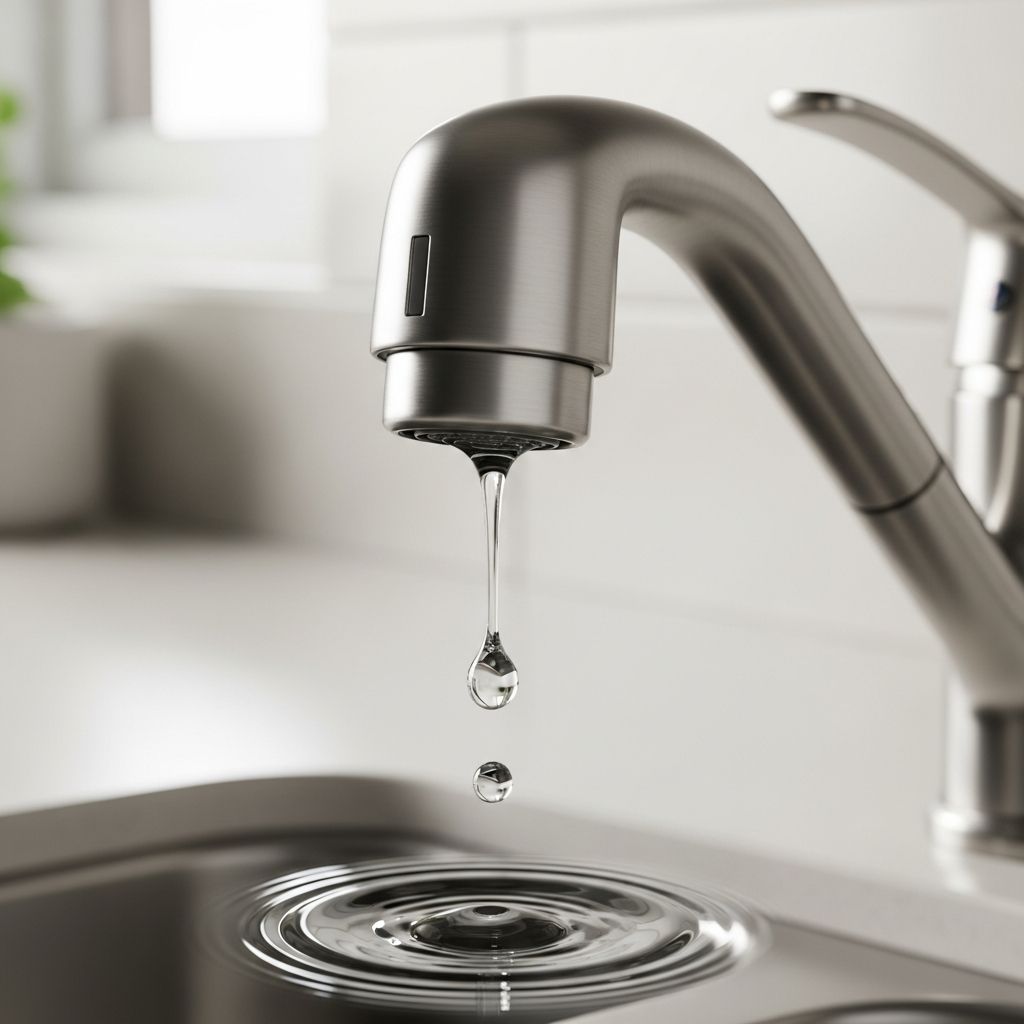
A leaking kitchen faucet is one of the most common household plumbing issues homeowners face. Beyond the annoying dripping sound, a persistent leak can waste thousands of gallons of water annually and lead to water damage under your sink cabinet. The good news is that most kitchen faucet leaks can be fixed with basic tools and a little know-how, often without calling an expensive plumber. This comprehensive guide will walk you through identifying the source of your leak and performing the necessary repairs yourself.
Understanding Kitchen Faucet Leaks
Kitchen faucet leaks manifest in different ways depending on where the problem originates. Water might drip from the spout when the faucet is turned off, leak from around the base of the faucet where it meets the sink, or seep from underneath the sink cabinet. Understanding the source of your leak is the first critical step in determining the appropriate repair approach. Each type of leak points to a different internal component that may need replacement or adjustment.
Step 1: Identify the Source of the Leak
Before you begin any repairs, carefully observe where water is coming from. Watch the leak closely to determine if it’s originating from the faucet handle, the stem area, or the faucet body itself. You can also test the water temperature to see whether the leak is coming from the hot or cold water line—this information helps identify which handle unit requires repair if you have a dual-handle faucet.
Common leak locations include:
- The faucet handle area
- The stem connection point
- The base where the faucet meets the sink
- The spout itself
- Underneath the sink at supply line connections
Take time to place a paper towel under the suspected leak area and observe for several minutes. This helps you pinpoint the exact location and severity of the problem.
Step 2: Turn Off the Water Supply
Safety is paramount when working on plumbing fixtures. Locate the shut-off valves beneath your sink—there should be two valves, one for hot water and one for cold water. Turn these valves clockwise to shut off the water supply to your faucet. If you cannot locate the shut-off valves or if they won’t turn, you’ll need to shut off the main water supply to your entire house.
After shutting off the water supply, turn both faucet handles to their fully open position to release any remaining water pressure in the lines. This step is essential for preventing water from spraying out when you begin disassembly.
Step 3: Gather Materials and Prepare Your Work Space
Proper preparation prevents damage to your faucet and makes the repair process smoother. Gather all necessary tools and materials before you begin:
- Teflon tape (1/2″ and 3/4″ widths)
- Masking tape
- Flathead screwdriver
- Phillips head screwdriver
- Adjustable crescent wrench
- Petroleum jelly
- Replacement O-rings and washers (various sizes)
- Clean hand towel
- Plumber’s grease or silicone grease
Protect your faucet’s finish by wrapping shiny chrome or nickel-plated parts with masking tape. This prevents your wrench from scratching the faucet’s surface during repairs. Place a towel in the sink drain to catch any small parts that might otherwise disappear down the drain.
Step 4: Remove the Faucet Handle
Most faucet handles have a decorative button or cap covering the screw. Using a flathead screwdriver, gently pry under the edge of this button and twist the screwdriver slightly until the button pops off. Take care not to apply excessive force, as these caps can crack.
Once the decorative cap is removed, you’ll see the handle screw. Unscrew this carefully using the appropriate screwdriver (usually Phillips head). Gently pull or pry off the faucet handle. If the handle is stuck due to rust or mineral buildup, work it gently rather than yanking forcefully, as aggressive movement can damage the internal mechanisms.
Step 5: Remove the Stem Assembly
Beneath the faucet handle sits the stem, which is held in place by a large six-sided packing nut. Using your adjustable wrench, grip this nut securely and attempt to loosen it. The nut may unscrew in either direction, so if it doesn’t budge clockwise, try turning it counterclockwise.
Once the packing nut is loose enough, use your fingers to unscrew it the rest of the way. Carefully lift the entire stem assembly out of the faucet body. Set these components in a safe place where they won’t roll away or get lost.
Step 6: Diagnose and Repair the Specific Leak
Now that you have access to the internal components, you can address the specific type of leak you’re experiencing.
Repairing a Handle Leak
If water leaks from around the handle area, the issue typically involves the packing nut threads. Wrap these threads with Teflon tape to create a better seal, then gently tighten the packing nut. Be careful not to overtighten, as this can cause other problems.
If the leak persists after re-taping, remove the packing nut completely and inspect the nylon washer underneath. If this washer is worn or damaged, replace it with a new one of identical size and reassemble the faucet.
Repairing a Stem Leak
A stem leak occurs when water seeps from where the stem meets the faucet body. To fix this, unscrew the stem from the packing nut to expose the plastic O-ring. Pinch the O-ring to get a finger hold, then carefully pull it off. Replace it with a new O-ring of the exact same size, lubricating it lightly with petroleum jelly before installation. The lubrication ensures proper sealing and makes future removal easier.
Repairing a Faucet Spout Leak
If water drips from the spout when the faucet is off, the problem is typically a worn rubber washer on the bottom of the stem. Locate the bottom screw that holds this washer in place, carefully unscrew it, and remove the old washer. Install a new rubber washer of identical size and re-tighten the screw securely.
Understanding Faucet Components and Common Issues
Modern kitchen faucets contain several key components that work together to control water flow and temperature. Understanding these parts helps you identify problems more quickly. The most common source of leaks is a worn-out washer or gasket, a loose O-ring, or corrosion in the valve seat. In some faucets, particularly cartridge-style models, a damaged cartridge is the culprit.
Different faucet types may have different repair requirements. Single-handle faucets typically use a cartridge system, while two-handle faucets often rely on washers and O-rings. Some higher-end models use ceramic disc cartridges that last longer but cost more to replace.
Step 7: Reassemble the Faucet
After completing your repairs, it’s time to reassemble everything. Apply a thin layer of petroleum jelly to the threads of the stem—this lubrication helps the faucet operate smoothly and makes future disassembly easier. Screw the stem back into its original position, tightening it securely with your wrench but avoiding over-tightening.
Reattach the handle, aligning any markers or guides to ensure proper operation. Replace the decorative button or cap by pressing it firmly into place until it clicks. Make sure the handle moves freely through its full range of motion before moving to the testing phase.
Step 8: Test Your Work
Turn the water supply back on by rotating the shut-off valves counterclockwise. Open the faucet slowly and allow water to run for a minute to clear any air from the lines. Then turn the faucet off and carefully watch all the areas where you made repairs for any leaks.
Check for leaks at the handle, stem, spout, and base of the faucet. Leave the area under the sink open and check back after several hours to ensure no water has accumulated. If you notice any dripping, you may need to repeat the repair process or tighten connections further.
When to Call a Professional Plumber
While many faucet leaks can be fixed with basic repairs, some situations warrant professional help. If your faucet is very old, if the repairs seem complex or require specialized tools, or if you’re uncomfortable with the process, calling a plumber is a wise choice. Additionally, if you’ve attempted repairs and the leak persists, a professional can diagnose more complex issues that may not be visible during basic disassembly.
Professional plumbers have access to specialized diagnostic tools and replacement parts for all faucet brands and models. For expensive or high-end faucets, professional repair may be more cost-effective than replacement.
Prevention and Maintenance Tips
Extending the life of your kitchen faucet requires simple maintenance practices. Regularly check the area under your sink for signs of moisture or leaks. Hard water buildup can reduce faucet lifespan, so consider installing a water softener if you have hard water. Avoid using excessive force when turning faucet handles—gentle operation reduces wear on internal components.
Periodically inspect supply line connections and tighten them if they’ve loosened. Some homeowners prefer to replace supply lines every 5-10 years as a preventive measure, even if they haven’t started leaking yet.
Frequently Asked Questions
Q: How much water does a leaking kitchen faucet waste?
A: A faucet dripping at one drop per second can waste over 3,000 gallons of water annually. This not only increases your water bill but also impacts the environment.
Q: Can I fix my faucet leak without turning off the water?
A: No. Turning off the water supply is essential for safety and to prevent flooding. Always shut off the water before beginning any faucet repairs.
Q: What’s the difference between O-rings and washers?
A: Washers are flat rubber or nylon discs that seal connections, while O-rings are rubber or silicone rings that create seals in cartridge systems. Both wear out over time and must be replaced.
Q: How long do faucet repairs typically last?
A: A properly executed faucet repair using quality replacement parts can last many years. However, if the faucet is very old, you may encounter additional problems requiring replacement of other components.
Q: Should I replace my faucet if it keeps leaking after repair?
A: If repairs don’t solve persistent leaks, it may be more economical to replace the faucet entirely. Old faucets often have multiple failing components, and replacement offers improved efficiency and modern features.
References
- How to fix a faucet leak — City of Portland, Oregon. Accessed December 03, 2025. https://www.portland.gov/water/water-efficiency-programs/faucet-leak
- Kitchen Faucet Leaks at the base. Easy Fix! — Sparky Channel. https://www.youtube.com/watch?v=dyx5VgsVM6A
- How to Fix a Leaky Faucet Based on Type — American Home Shield. Accessed December 03, 2025. https://www.ahs.com/home-matters/repair-maintenance/how-to-fix-a-leaky-faucet/
- I Have a Leak (kitchen) — Pfister Faucets. Accessed December 03, 2025. https://www.pfisterfaucets.com/parts-support/troubleshooting/support-articles/i-have-a-leak-kitchen
- How to Fix a Leaky Faucet — The Home Depot. Accessed December 03, 2025. https://www.homedepot.com/c/ah/how-to-fix-a-leaky-faucet/9ba683603be9fa5395fab90ee6659fb
Similar Articles








Read full bio of Sneha Tete