How To Stop A Running Toilet: 3 Simple DIY Fixes
Learn simple DIY solutions to fix a running toilet and save water and money.
A running toilet is one of the most common household plumbing issues homeowners face, and it’s often more annoying than it is serious. That persistent sound of water flowing in your tank, especially late at night, can disrupt your sleep and waste thousands of gallons of water annually. The good news is that in most cases, you don’t need to call an expensive plumber to fix it. Many running toilet problems can be resolved with simple DIY repairs using basic tools and a little patience. Understanding the common causes and how to address them can save you money, reduce your water bill, and restore peace and quiet to your home.
Why Your Toilet Keeps Running
Before you can fix a running toilet, it’s important to understand what causes the problem in the first place. Your toilet is designed with a sophisticated system of valves, floats, and seals that work together to fill the tank after flushing and maintain the proper water level. When any component of this system malfunctions or wears out, water continues to flow into the tank or drains from the tank into the bowl, causing the toilet to run continuously. The most common culprits are the flapper, the fill valve, and improper water level adjustment. Each of these issues has distinct symptoms and solutions.
Understanding Toilet Tank Components
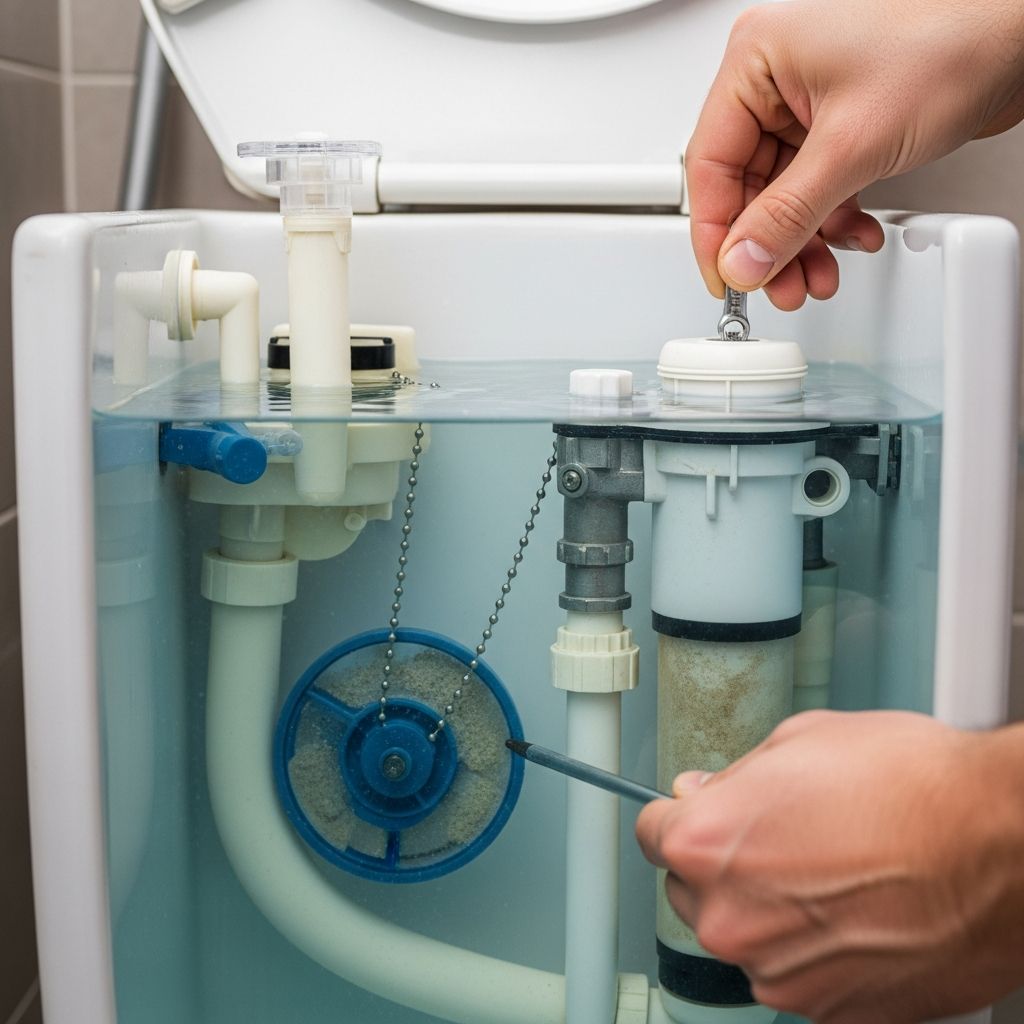
To successfully diagnose and fix a running toilet, you should familiarize yourself with the main components inside the tank. When you lift the lid off your toilet tank, you’ll see several key parts working together:
- The Flapper: A rubber seal at the bottom of the tank that opens when you flush to let water into the bowl and closes to refill the tank
- The Fill Valve: A valve that controls water entering the tank to refill it after flushing
- The Float: A mechanism attached to the fill valve that rises and falls with the water level to control when filling stops
- The Overflow Tube: A tube in the center of the tank that prevents overflow by allowing excess water to drain into the bowl
- The Chain: Connects the flush lever to the flapper to lift it when you flush
Understanding how these components work together helps you identify which one might be causing your running toilet problem.
Common Cause #1: A Faulty Flapper
The flapper is the most common cause of a running toilet, accounting for the majority of all running toilet problems. This rubber seal sits at the bottom of your tank and creates a watertight seal when the toilet is at rest. When the flapper deteriorates, cracks, warps, or develops mineral deposits, it can no longer seal properly, allowing water to continuously leak from the tank into the bowl.
Signs of a Faulty Flapper
You can determine if your flapper is the problem by listening carefully to your toilet. If you hear a hissing sound coming from inside the tank, water is likely leaking past a worn flapper. Another test is to add a few drops of food coloring to the tank without flushing. If the color appears in the bowl within thirty minutes, water is leaking through the flapper. Common reasons flappers fail include mineral buildup from hard water, exposure to cleaning chemicals, and simple wear and tear over time. Most flappers last between four to seven years before needing replacement.
How to Replace the Flapper
Replacing a flapper is one of the easiest toilet repairs you can perform. First, turn off the water supply to your toilet using the shutoff valve usually located near the base of the toilet. Flush the toilet to empty most of the water from the tank. Locate the flapper at the bottom center of the tank—it’s the rubber piece attached to a chain. Remove the flapper by gently lifting it off its mounting pins. Take the old flapper to your local hardware store to ensure you purchase an exact replacement, as flappers come in various sizes. Install the new flapper by positioning it over the same mounting pins, and turn the water supply back on. Test your toilet by flushing and listening for any unusual sounds.
Checking the Chain Length
While you’re addressing flapper issues, check the chain connecting your flush lever to the flapper. If the chain is too long, it may not lift the flapper completely when you flush, or it could prevent the flapper from sealing properly when closing. The chain should have minimal slack—about one-eighth to one-quarter inch—when the flapper is closed. If the chain is too long, remove the flapper and shorten the chain by removing one or two links or by adjusting where it attaches to the flapper. Use wire cutters to trim the chain if necessary. A properly adjusted chain ensures the flapper opens fully when flushing and closes completely when not in use.
Common Cause #2: Incorrect Water Level
Another frequent cause of running toilets is having too much water in the tank. When the water level rises above the overflow tube, water continuously drains into the bowl through the overflow tube, causing the toilet to run. The ideal water level should sit approximately one-half to one inch below the top of the overflow tube. If your water level is too high, you can adjust it by modifying the float mechanism on your fill valve.
Identifying High Water Level Issues
To check if water level is your problem, turn off the water supply and look inside the tank. Measure the distance between the water level and the top of the overflow tube. If the water is right up to or above the overflow tube, this is likely causing your running toilet. High water levels can occur when the float mechanism isn’t properly adjusted or when mineral deposits prevent the float from moving freely.
Adjusting the Float
Most fill valves have adjustable floats that control when the water supply shuts off. There are several types of float mechanisms: some feature a float ball on an arm, others use a clip-style float on a rod, and newer models have sealed float chambers. For a float ball mechanism, locate the adjustment screw on the fill valve and turn it clockwise to lower the float, which will reduce the water level. For clip-style floats, pinch the clip and slide the float down on the rod. Make small adjustments and test your toilet after each one. You may need to turn the water back on to see how the new adjustment affects the water level. Continue adjusting until the water level sits in the proper range, just below the overflow tube.
Common Cause #3: Defective Fill Valve
The fill valve, also called the inlet valve or ballcock, is responsible for refilling your tank with water after you flush. When a fill valve becomes defective or worn, it may not shut off properly, causing water to continuously flow into the tank and overflow into the bowl through the overflow tube. A malfunctioning fill valve is more complex to fix than a flapper or float adjustment, but replacing it is still a manageable DIY project for most homeowners.
Signs of a Failing Fill Valve
If you’ve adjusted the float and replaced the flapper but your toilet still runs, the fill valve itself is likely the problem. Signs include water trickling into the tank even when it’s full, a fill valve that makes unusual noises, or a fill valve that doesn’t respond to float adjustments. Sometimes the issue is simply mineral deposits or debris preventing the valve from sealing completely, which can sometimes be fixed by cleaning the valve. However, most of the time a failing fill valve needs replacement.
How to Replace the Fill Valve
Before starting, turn off the water supply valve located near the base of the toilet. Flush the toilet to empty the tank and place a small bucket underneath the water line connection at the base of the tank to catch any residual water. Disconnect the water supply line from the bottom of the fill valve by turning the compression fitting counterclockwise or by removing the retaining nut if your connection uses that style. From inside the tank, locate the lock nut holding the fill valve assembly to the tank and remove it using an adjustable wrench or channel locks. You may need to hold the valve steady from inside while turning the nut from below. Gently pull the old fill valve up and out of the tank. Before installing the new fill valve, ensure the rubber washer on the bottom of the assembly is seated properly and hasn’t been damaged. Insert the new fill valve into the same opening, ensuring the float mechanism sits at a similar height to the original. Secure the new valve with the lock nut, reconnect the water supply line, and turn the water back on. Adjust the float height as needed to achieve the proper water level in your tank.
Step-by-Step Troubleshooting Guide
Follow these steps to systematically identify and fix your running toilet:
- Turn off the water supply at the shutoff valve behind or near your toilet
- Listen for hissing sounds coming from inside the tank, which indicates a leaking flapper
- Add food coloring to the tank and wait thirty minutes without flushing to check for leaks into the bowl
- Remove the tank lid and inspect the flapper for visible cracks, warping, or mineral buildup
- If the flapper looks damaged, replace it with a new one of the same size and style
- Check that the chain has appropriate slack and is properly attached
- Measure the water level inside the tank to ensure it’s half to one inch below the overflow tube
- If the water level is too high, adjust the float mechanism by turning the adjustment screw or moving the clip
- Turn the water supply back on and test the toilet by flushing several times
- If the toilet still runs after addressing the flapper and float, the fill valve likely needs replacement
Tools and Materials You’ll Need
Most running toilet repairs require only basic tools and inexpensive replacement parts that you can find at any hardware store:
| Item | Purpose | Cost |
|---|---|---|
| Adjustable wrench or channel locks | Loosening and tightening nuts | $10-25 |
| Screwdriver (flathead and Phillips) | Making adjustments to float mechanisms | $5-15 |
| Replacement flapper kit | Fixing a leaking flapper | $3-8 |
| Replacement fill valve | Fixing a defective fill valve | $20-50 |
| Bucket | Catching water during repair | $2-5 |
| Wire cutters | Shortening the flapper chain | $5-10 |
Preventing Future Running Toilet Problems
Once you’ve fixed your running toilet, taking preventative measures can help you avoid the problem in the future. Avoid using harsh chemical cleaners inside your toilet tank, as these can damage rubber components and accelerate deterioration. Clean your toilet regularly using gentle methods. If you live in an area with hard water, mineral deposits can accumulate faster, so consider installing a water softener to extend the life of your toilet components. Have your toilet inspected annually as part of your home maintenance routine. Replace worn components promptly before they cause more serious problems. Keep the area around your toilet dry to prevent corrosion of metal components.
When to Call a Professional Plumber
While most running toilet problems are simple DIY fixes, some situations warrant calling a professional. If you’re uncomfortable working with your toilet’s internal components, lack the necessary tools, or have tried the common fixes without success, a plumber can diagnose and repair the problem quickly. Additionally, if your toilet continues running after you’ve replaced the flapper and adjusted the float, there may be a more complex issue requiring professional assessment. If you notice water leaking from the base of the toilet or notice structural damage to the tank, professional help is definitely needed.
Frequently Asked Questions
Q: How much water does a running toilet waste?
A: A running toilet can waste between 200 to 1,000 gallons of water per day, depending on the severity of the leak. Over a month, this can waste thousands of gallons and significantly increase your water bill.
Q: Can I fix a running toilet without turning off the water?
A: While you can inspect the toilet without shutting off the water, you should always turn off the water before attempting repairs to prevent water damage and ensure your safety.
Q: How long does it take to fix a running toilet?
A: Simple fixes like replacing a flapper or adjusting the float typically take 15 to 30 minutes. Replacing a fill valve may take 45 minutes to an hour.
Q: Is it cheaper to replace the toilet or repair it?
A: Repairing a running toilet costs between $5 and $50 in parts, while replacing an entire toilet costs $200 to $500 or more. Repairs are almost always the more economical choice.
Q: Can mineral deposits cause a running toilet?
A: Yes, mineral buildup from hard water can prevent the flapper from sealing properly and can cause fill valves to malfunction. Cleaning or replacing affected components usually resolves the issue.
Q: How often should I replace toilet components?
A: Flappers typically last 4 to 7 years, while fill valves may last 10 to 15 years depending on water quality and usage. Replace components when they show signs of wear or malfunction.
Q: Will a running toilet eventually stop on its own?
A: No, a running toilet will not fix itself and will continue to waste water. The problem typically worsens over time as components continue to deteriorate.
References
- How to Fix a Running Toilet — MrFixItDIY. 2023-03-16. https://www.mrfixitdiy.com/fix-a-running-toilet/
- How to House: How to Fix a Running Toilet — HGTV. 2017-11-28. https://www.hgtv.com/
- Water Conservation Tips — U.S. Environmental Protection Agency. https://www.epa.gov/watersense/
Similar Articles




Read full bio of medha deb