Termite Damage: 5 Early Signs Every Homeowner Should Know
Learn to identify termite damage signs early: from blistered floors to hollow wood and mud tubes.
How to Tell If You Have Termite Damage
Termites are tiny but destructive insects that feed on the cellulose found in wood and other organic materials within your home’s structure. While often difficult to notice at first, termite infestations can cause significant structural damage if left unchecked. The challenge for homeowners is that termite damage typically occurs inside the wood, making early detection difficult. However, by understanding the telltale signs of a termite infestation, you can identify the problem before it becomes catastrophic. Common indicators include clicking sounds, termite droppings, tiny holes in drywall, hollow-sounding wood, and visible structural issues. Early detection is crucial because termites can cause extensive damage in just months, depending on the colony size and species.
Signs of Termite Damage
The exact signs of termite damage can vary depending on the termite species infesting your home. Subterranean termites, the most destructive kind, live in the soil and tunnel to their food source—your home—while drywood termites make their nests in the wood itself. Both can cause incredible amounts of damage, but they leave different telltale signs that help identify which type of termite you’re dealing with.
Blisters in Flooring or Wall Coverings
Subterranean termites can cause issues that closely resemble water damage, which often confuses homeowners. If termites are feeding on wood right beneath your flooring, your floors may blister or swell noticeably. Paint, drywall, wallpaper, and sheetrock can also show signs of bubbling, rippling, or sinking if there is termite damage hidden behind them. These surface deformations occur as termites consume the structural support beneath, causing the material above to shift and warp. Unlike typical water damage, which tends to be localized, termite-related blistering can spread progressively as the infestation grows. Inspect areas prone to moisture, such as basements and bathrooms, with particular attention to spots where the flooring feels soft or spongy.
Frass (Termite Droppings)
One of the most distinctive signs of a drywood termite infestation is the presence of frass—termite droppings that appear as small pellets of wood. Mounds of frass look remarkably similar to sawdust and can often be found in the open near wooden structures. Drywood termites create galleries, or tunnels, when they establish their nests. As they burrow through wood, the termites push their droppings out of the tunnels to keep their living spaces clean. Finding these piles of frass near wooden structures, furniture, or windowsills is a strong indicator of active drywood termite activity. You may discover frass on floors, windowsills, or around baseboards where colonies are actively feeding.
Tight-Fitting Doors and Windows
When termites feed on the wooden structures surrounding doors and windows, they weaken the internal framework of these components. As the wood loses its structural integrity and strength, the frames begin to shift and warp, causing doors and windows to stick, jam, or fail to close properly. Unlike the regular swelling that occurs from seasonal humidity changes, termite damage creates uneven and persistent warping that remains regardless of seasonal variations. You might also notice fine dust or mud tubes near the edges of your doors or windows, which confirms active termite activity in these areas. If your doors suddenly become difficult to open or close, especially in rooms you haven’t had issues with before, it’s worth investigating for termite damage.
Maze-like Patterns in Wood
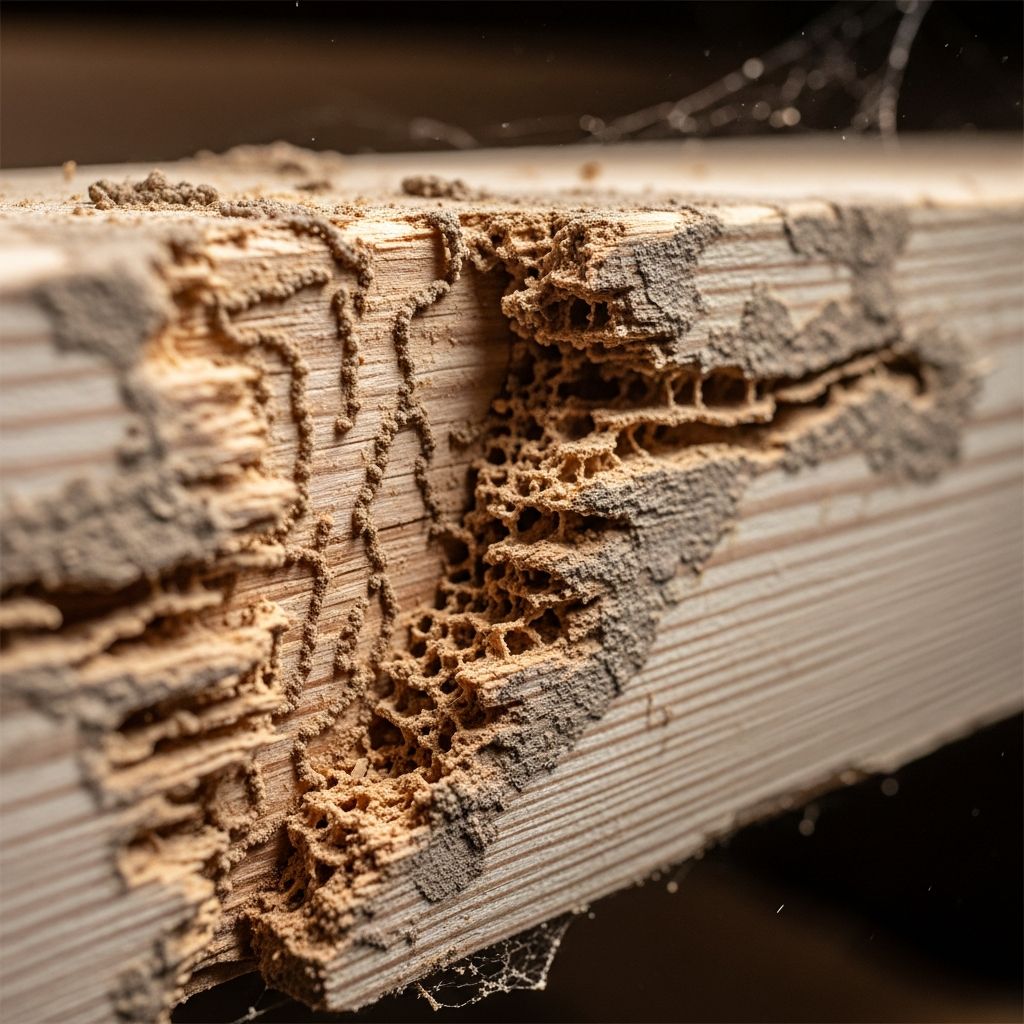
Termite damage often manifests as distinctive, maze-like galleries within wood structures. As termites burrow through the material feeding on cellulose, they leave behind a complex network of winding tunnels that resemble a maze. When inspecting your home, look for wood that sounds hollow when tapped lightly with a tool or crumbles easily under slight pressure—both are telltale signs pointing to an active infestation. You might also spot small holes or punctures across the surface of your home’s drywall, support structures, or wooden beams. These visual and tactile clues make it easier to spot termite activity and differentiate it from other forms of wood damage. The hollow nature of infested wood indicates that most of the structural material has been consumed internally.
Headbanging Sounds
Subterranean termites signal danger to other colony members by banging their heads against walls or shaking their bodies. This behavior creates a rustling or rattling sound that is very faint but may be audible in quiet environments, particularly at night when background noise is minimal. While this sign is subtle and easy to miss, hearing these clicking or tapping sounds—especially near walls, wood beams, or wooden furniture—can be an early indicator of termite activity. If you notice these sounds consistently in specific areas of your home, it warrants further investigation and a professional pest control inspection.
Understanding Different Termite Types
Subterranean Termites
Subterranean termites are the most destructive termite species and cause more damage to U.S. homes than all other wood-damaging pests combined. These termites live in the soil and build mud tubes or tunnels from ground level to reach above-ground food sources. These tunnels are constructed from saliva, mud, and feces, creating protected pathways that keep the termites moist during their journey. The presence of mud tubes near your home’s foundation is a classic sign of subterranean termite infestation. These tubes can be found on exterior foundation walls, interior foundation walls, support piers, or plumbing structures beneath the house.
Drywood Termites
Drywood termites build their colonies directly within wooden structures on which they feed. Unlike subterranean termites, they don’t require contact with soil and can be found deep inside walls or furniture. Drywood termite infestations may only become apparent after a colony has burrowed so deeply into an infested item that the veneer cracks and the maze-like tunnels beneath become visible. Such damage is particularly common in antique furniture pieces. If this damage occurs on new furniture, floors, or walls of your home, contact a pest control professional immediately to discuss the severity of your infestation and available extermination options.
How to Inspect Your Home for Termite Damage
Conducting a thorough home inspection is essential for early termite detection. A systematic approach helps ensure you don’t overlook critical areas where termites commonly infest.
Inspection Tools and Equipment
Before beginning your inspection, gather the following items to help you inspect dark or tight areas safely and detect subtle termite activity:
- Coveralls for protection
- Face mask to avoid dust inhalation
- Flashlight or headlamp for visibility
- Work gloves to protect hands
- Moisture meter to detect hidden moisture
- Pocket knife or screwdriver to probe wood
- Screwdriver for deeper probing
Inspection Process
Begin your inspection at the foundation of your home and work your way up systematically. Examine baseboards, door and window frames, flooring, walls, ceilings, and roof framing for signs of termites. Common indicators include mud tubes, blistered paint, or frass. Pay particular attention to crawl spaces, basements, attics, and exterior decks—areas that attract moisture and create prime nesting spots for termite colonies. These moisture-rich environments are termite magnets and warrant careful scrutiny during your inspection.
When probing wood, use your pocket knife or screwdriver to test for hollow areas or soft spots. Apply gentle pressure to determine if the wood crumbles or feels compromised. Look carefully for mud tubes traveling along foundation walls and wooden supports. If you find hollow-sounding or deteriorated wood, active mud tubes, or visible frass, contact a pest control expert right away. If the signs seem minor or inactive, continue monitoring every few months to ensure conditions don’t worsen and to catch any developing infestations early.
Frequently Asked Questions
Q: What does the start of termite damage look like?
A: Termite damage is typically difficult to detect early since it occurs inside the wood of a house. Early signs of infestation include buckling or swelling wood, a hollow sound when tapped, mud tubes near the foundation, or small piles of sawdust-like frass. By the time visible damage appears on the exterior, significant internal damage may already have occurred.
Q: How quickly can termites damage a house?
A: Termites can cause significant damage in months, depending on the colony size and termite species. Formosan subterranean termites, known for their exceptionally large colonies, can cause substantial structural damage in as little as six months to a year. Smaller colonies may take longer to cause visible damage, but they should never be ignored.
Q: Can termite damage resemble water damage?
A: Yes, termite damage can closely resemble water damage, particularly with subterranean termites. Blistering floors, swollen ceilings, and bubbling paint are common to both conditions. However, termite damage typically persists and worsens over time, whereas water damage may stabilize once the moisture source is eliminated. A pest control professional can help determine the actual cause.
Q: What should I do if I suspect termite damage?
A: If you suspect termite damage, contact a pest control professional immediately for a thorough inspection. Do not attempt to treat the infestation yourself, as professional-grade treatments are more effective. The sooner you address the problem, the less damage the termites will cause to your home’s structure.
Q: Are there visual differences between subterranean and drywood termite damage?
A: Yes, there are notable differences. Subterranean termites leave mud tubes and cause damage that resembles water damage, with blistering and swelling. Drywood termites leave visible frass (sawdust-like droppings) and create visible galleries when they tunnel through wood. Identifying the termite type helps pest control professionals choose the most effective treatment approach.
Prevention and Next Steps
While identifying termite damage is crucial, prevention is equally important. Reduce moisture around your home’s foundation by ensuring proper drainage and ventilation in crawl spaces. Eliminate wood-to-soil contact by maintaining space between structural wood and the ground. Remove dead trees, stumps, and wood debris from your property, as these attract termites. Have your home inspected annually by a pest control professional, especially if you live in an area with a high termite population. Regular inspections can catch infestations in their early stages before extensive damage occurs.
If you’ve identified signs of termite damage, don’t delay in seeking professional help. The cost of professional treatment is significantly less than the cost of repairing extensive structural damage caused by unchecked termite infestations. A pest control expert can assess the extent of the infestation, identify the termite species, and recommend the most appropriate treatment plan for your specific situation.
References
- How to Identify and Control Termites — U.S. Environmental Protection Agency. 2024. https://www.epa.gov/safepestcontrol/termites-how-identify-and-control-them
- Signs of Termite Infestation — Mississippi State University Extension. 2024. https://extension.msstate.edu/insects/termites/signs-termite-infestation
- What Does Termite Damage Look Like — Orkin Pest Control. 2024. https://www.orkin.com/pests/termites/damage/termite-damage-signs
- Signs of Termite Damage and Termite Infestations — Dodson Brothers Pest Control. 2024. https://www.dodsonbros.com/termites/signs-of-termite-damage-and-termite-infestations/
Similar Articles








Read full bio of medha deb