How To Unclog A Toilet: 6 Easy Methods To Clear Clogs
Master toilet unclogging with proven methods and tools for quick fixes.
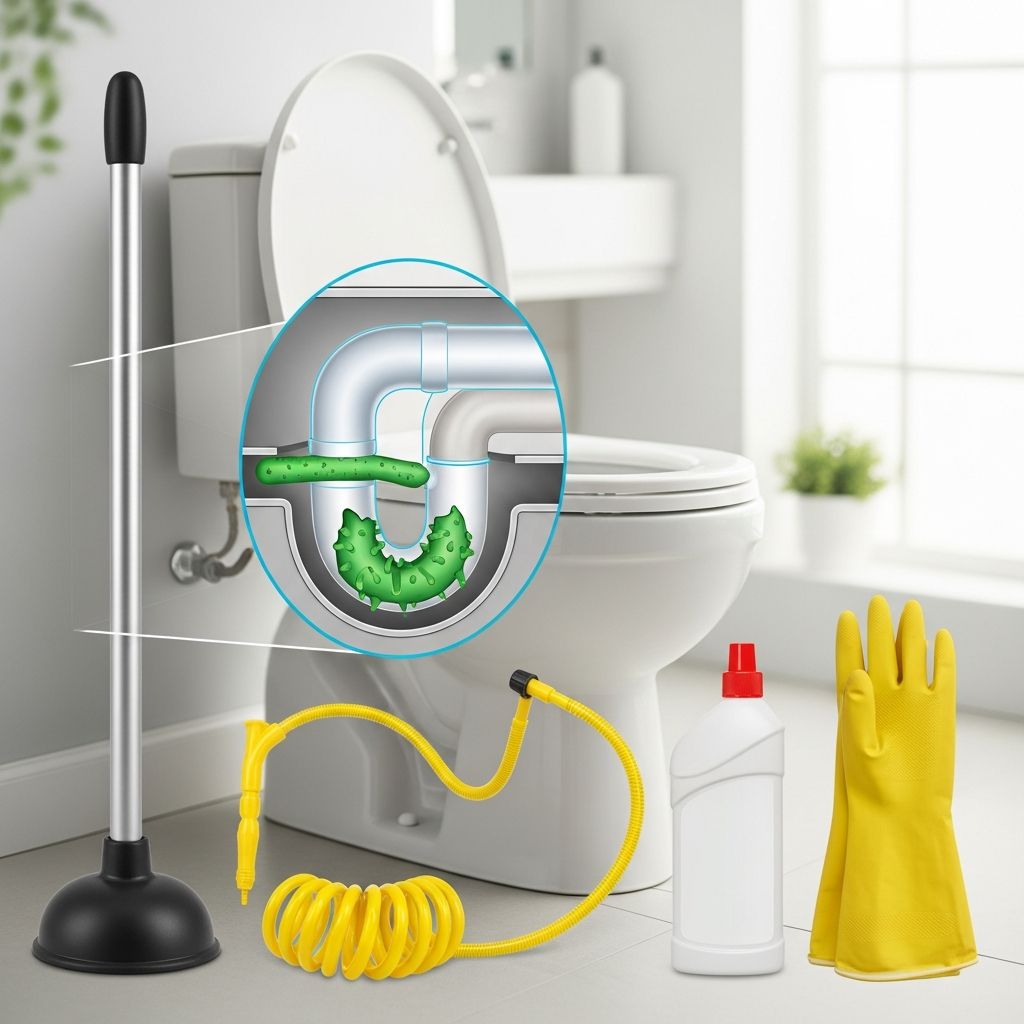
How to Unclog a Toilet: A Complete Guide to Fixing Common Clogs
A clogged toilet is one of the most common plumbing problems homeowners face, and fortunately, it’s often something you can fix yourself without calling a professional plumber. Whether you’re dealing with a slow-draining toilet or a complete blockage, understanding the different methods available will help you resolve the issue quickly and efficiently. This comprehensive guide will walk you through various techniques, from using basic tools you likely already have at home to more advanced plumbing equipment.
Understanding Toilet Clogs
Before attempting to fix your clogged toilet, it’s helpful to understand what causes the problem. Toilet clogs typically result from an obstruction in the bowl or deeper within the drain pipe. Common culprits include excessive toilet paper, foreign objects, or buildup in the plumbing system. Taking a moment to troubleshoot can help you determine the severity of the clog and which method will work best.
Safety First: Preparation Steps
When dealing with a clogged toilet, protecting yourself is paramount. Always wear a pair of rubber gloves to avoid contact with bacteria and waste materials. Before starting any unclogging method, check that there’s adequate water in the bowl. If the bowl is empty or nearly empty, pour in a cup or two of water from the sink to ensure you get a proper seal with your plunger or to have enough liquid for other methods to work effectively. Keep a plastic bag and towels nearby in case of spills or overflow.
Method 1: Using a Plunger
The plunger is the most common and often most effective tool for clearing toilet clogs. A toilet plunger, which has a flanged cup design, creates a better seal than a standard plunger and is specifically designed for toilet use.
Step-by-Step Plunger Instructions
Step 1: Position the Plunger – Place the plunger’s cup completely over the drain opening at the bottom of the toilet bowl. Ensure a complete seal around the drain opening.
Step 2: Create Pressure – Slowly but vigorously thrust the handle up and down several times. The up-and-down motion creates pressure that dislodges the clog. You should feel resistance as you push down and hear a suction sound as you pull up.
Step 3: Check Progress – After several plunges, remove the plunger and check if water is draining. If the water level drops or drains completely, you’ve likely cleared the clog.
Step 4: Flush – Once the water begins to drain, flush the toilet to ensure the clog is completely cleared and the toilet is functioning normally.
Method 2: The Hydrostatic Pressure Technique
This method doesn’t require any special tools and works by using the weight and pressure of water to dislodge clogs. It’s particularly effective for clogs caused by toilet paper or other soft materials. This technique works best when the water level in the bowl is low or at a medium level. If the bowl is full or nearly overflowing, skip this method and use a plunger or snake instead.
Steps for Hydrostatic Pressure
Step 1: Fill a Bucket – Fill a bucket with about one gallon of water. Room temperature water works fine for this method.
Step 2: Pour into the Bowl – Slowly pour the water into the toilet bowl in a circular motion. The weight of the water creates hydrostatic pressure within the pipe.
Step 3: Wait and Observe – Allow the water to sit for a few minutes. The pressure and weight may be enough to push the obstruction through the pipe.
Step 4: Attempt to Flush – Gently flush the toilet. If successful, you should see the water and waste drain completely. If not, the clog may be more stubborn, and you should move on to another method.
Method 3: Toilet Auger (Snake)
For stubborn clogs that plungers can’t handle, a toilet auger, also known as a toilet snake, is an excellent option. This specialized plumbing tool features a long metal tube with a crank handle and is specifically designed to navigate the curves of a toilet drain.
Using a Toilet Auger
Step 1: Insert the Auger – Insert the sharp end of the metal tube into the toilet drain opening. Be gentle to avoid scratching or cracking the porcelain.
Step 2: Turn the Crank – Turn the crank handle clockwise. The tube will “snake” its way into the pipe, working around bends and curves to reach the obstruction.
Step 3: Break Through the Clog – As you turn the crank, you’ll feel resistance when you reach the clog. Continue turning to break through or dislodge the blockage.
Step 4: Retract the Auger – Turn the handle in the opposite direction (counterclockwise) to spool the tube back up into the device. As you pull back, you may bring pieces of the clog with you.
Step 5: Dispose and Flush – Have a plastic bag ready to dispose of any material brought up by the auger. Once removed, flush the toilet to confirm the clog is cleared.
Method 4: Hot Water Treatment
For clogs caused by soap residue, grease, or other materials that respond to heat, pouring hot water into the toilet can be surprisingly effective. This method is simple, inexpensive, and works well when combined with other approaches.
Hot Water Method Instructions
Important Note: Never use boiling water, as the extreme heat can crack the porcelain bowl. Use hot water from the tap instead, which should be around 120-130 degrees Fahrenheit.
Step 1: Ensure Low Water Level – If the bowl is full or overflowing, use a cup or small bucket to remove some water first. The bowl should have minimal water for this method.
Step 2: Pour Hot Water – Slowly pour about one gallon of hot water into the toilet bowl from waist height. This creates movement and helps distribute the heat throughout the clog.
Step 3: Wait for Results – Allow the hot water to sit for 15-30 minutes. The heat will help loosen and soften the clogged material.
Step 4: Flush – After waiting, attempt to flush. If the clog has loosened, the toilet should drain normally. You may need to repeat this process if the clog persists.
Method 5: Baking Soda and Vinegar
This household remedy uses a chemical reaction to break down clogs and is environmentally friendly. The combination of baking soda and vinegar creates fizzing action that can dislodge stubborn blockages.
Baking Soda and Vinegar Process
Step 1: Prepare the Bowl – Ensure the toilet bowl is about halfway filled with water. If necessary, pour in some water or remove some if it’s too full.
Step 2: Add Baking Soda – Pour one cup of baking soda directly into the toilet bowl.
Step 3: Add Vinegar – Slowly pour a similar amount of vinegar (about one cup) into the bowl. You’ll immediately see a fizzy, foaming reaction as the two substances interact.
Step 4: Let Chemistry Work – Allow the bubbling reaction to continue for one to two minutes. This fizzing action helps break apart the clog material.
Step 5: Flush – After the reaction settles, flush the toilet. The combination often clears minor clogs effectively.
Method 6: Dish Soap and Hot Water
This increasingly popular method uses dish soap’s lubricating and breaking properties to clear clogs. Many people report success with this simple technique, particularly for clogs caused by excessive toilet paper.
Dish Soap Method Steps
Step 1: Add Dish Soap – Pour approximately one cup of dish soap (quality brands like Dawn work well) directly into the toilet bowl. The soap will coat the obstruction and help break it down.
Step 2: Allow Time to Work – Let the soap sit for a minimum of 45 minutes, though 90 minutes to two hours is ideal. During this time, the soap lubricates the clog and begins breaking down the materials.
Step 3: Monitor for Self-Clearing – Occasionally, you’ll hear the toilet flush on its own as the clog clears during the waiting period. This indicates the method has worked.
Step 4: Add Hot Water (if needed) – If the clog hasn’t cleared after 90 minutes, fill a pot with hot (not boiling) water and slowly pour it into the toilet in a circular motion.
Step 5: Wait Again – Let the hot water mixture sit for another 30 minutes to allow the soap and heat to work together.
Step 6: Attempt to Flush – Flush the toilet gently. Keep a bucket nearby in case water begins to overflow. If the clog clears, the water will drain completely.
Comparison of Unclogging Methods
| Method | Cost | Time Required | Difficulty | Best For |
|---|---|---|---|---|
| Plunger | $ | 5-10 minutes | Easy | Most common clogs |
| Hydrostatic Pressure | Free | 10-15 minutes | Easy | Paper clogs, low water |
| Toilet Auger | $$ | 15-30 minutes | Moderate | Stubborn clogs |
| Hot Water | $ | 30-45 minutes | Easy | Grease, soap buildup |
| Baking Soda & Vinegar | $ | 15-30 minutes | Easy | Mild clogs |
| Dish Soap | $ | 2-3 hours | Easy | Paper-based clogs |
When to Call a Professional Plumber
While many toilet clogs can be resolved with the methods above, certain situations warrant professional help. If you’ve tried multiple methods without success, if the clog appears to be deeper in the plumbing system, or if you notice water backing up from other drains in your home, it’s time to call a licensed plumber. Additionally, if you’ve damaged the toilet or pipes during your unclogging attempt, professional repair is necessary. Some clogs may indicate underlying issues in your plumbing system that require expert diagnosis and repair.
Prevention Tips for Future Clogs
The best approach to toilet clogs is prevention. Be mindful of what you flush down the toilet—only human waste and toilet paper should go down. Avoid flushing paper towels, feminine hygiene products, baby wipes, or other items, even if they’re labeled “flushable.” Use a reasonable amount of toilet paper and consider breaking up larger amounts by flushing multiple times. Regular toilet maintenance, such as occasional hot water flushes, can help prevent buildup. Installing a toilet seat with a child-proof lock can prevent children from flushing inappropriate items.
Frequently Asked Questions
Q: Is it safe to use chemical drain cleaners in a toilet?
A: Commercial chemical drain cleaners can damage porcelain and are often harsh on pipes. It’s best to use the methods described in this guide first. If you do use chemicals, follow the manufacturer’s instructions carefully and ensure proper ventilation.
Q: How do I know if the clog is in the toilet or deeper in the plumbing?
A: If only the toilet is affected and other drains in your home work fine, the clog is likely in the toilet or its immediate drain line. If multiple drains are slow or backing up, the clog is probably deeper in the main sewer line.
Q: Can I use a regular plunger on a toilet?
A: While a regular cup plunger might work in a pinch, a flanged toilet plunger creates a better seal and is more effective. It’s worth investing in the right tool.
Q: What should I do if the toilet starts to overflow?
A: Stop immediately and place a bucket under the overflow. Most toilets have an overflow tube inside the tank that directs excess water into the bowl. If water is overflowing, you may need to turn off the water supply at the valve behind the toilet.
Q: How long should I wait before trying the next method?
A: For methods like hot water or baking soda and vinegar, wait 30 minutes before moving to another approach. For the dish soap method, wait at least 90 minutes before escalating to hot water or other techniques.
Q: Are there any tools I should always keep on hand?
A: Every home should have a toilet plunger and ideally a toilet auger. These two tools handle most clogs homeowners will encounter. Rubber gloves, a bucket, and towels are also essential.
References
- How to Unclog a Toilet — Scott Brand. Accessed 2025. https://www.scottbrand.com/en-us/tips-and-advice/cleaning/how-to-unclog-a-toilet
- How to Unclog a Toilet — The Home Depot. Accessed 2025. https://www.homedepot.com/c/ah/how-to-unclog-a-toilet/9ba683603be9fa5395fab908b90fe9e
- Plumbing Maintenance Guidelines — International Association of Plumbing and Mechanical Officials (IAPMO). Accessed 2025. https://www.iapmo.org/
Similar Articles



Read full bio of medha deb