How to Unclog a Toilet: Expert Methods and Solutions
Master toilet unclogging with proven techniques that save time and money on plumber calls.
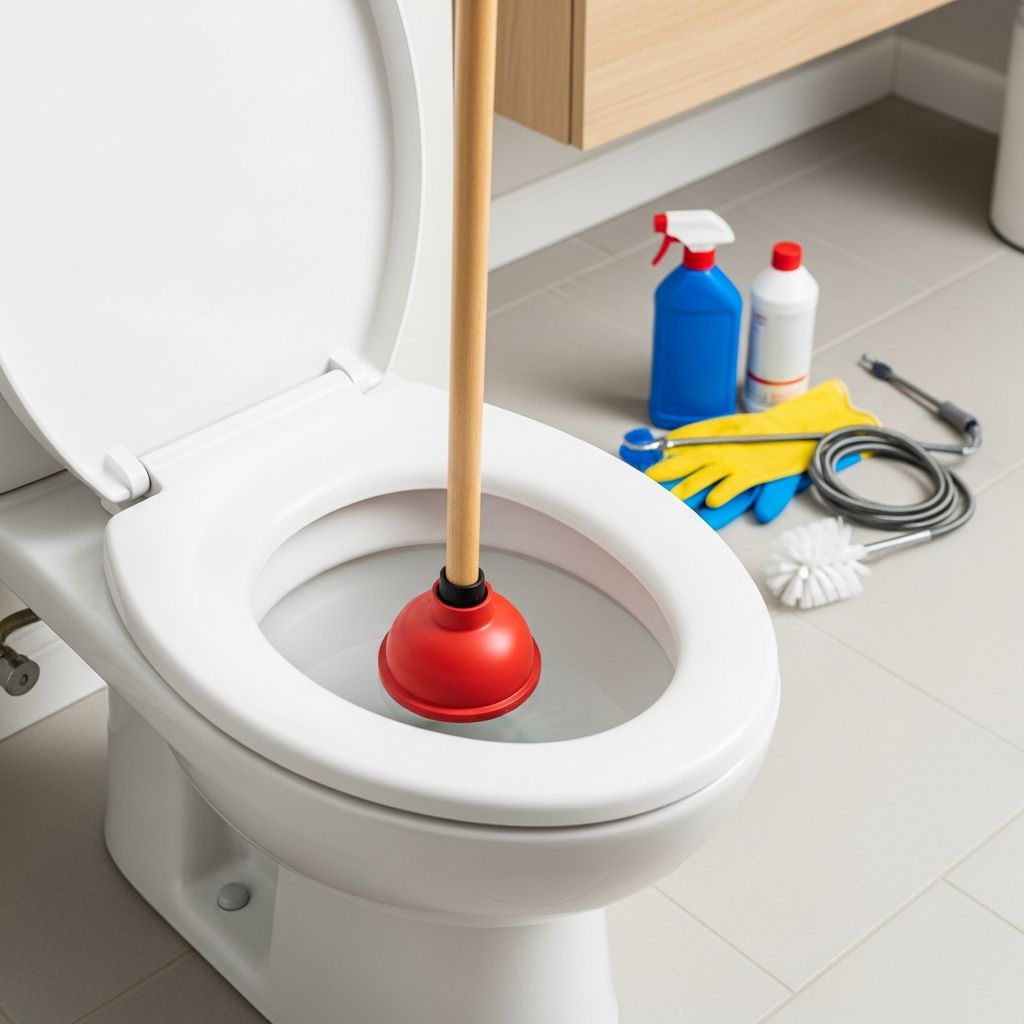
A clogged toilet ranks among the most common household plumbing problems, yet many homeowners panic when faced with this situation. The good news is that most toilet clogs can be resolved quickly and inexpensively using basic tools and techniques. Understanding the root causes of clogs and learning the proper methods to clear them empowers you to handle these situations confidently without immediately reaching for your phone to call an expensive plumber.
Understanding Toilet Clogs: Causes and Prevention
Before tackling the solution, it helps to understand what causes toilet clogs in the first place. The most common culprit is excessive toilet paper, but clogs can result from various other items accidentally flushed down the toilet. Identifying the cause of your particular clog helps determine the best approach for clearing it.
Common Causes of Toilet Clogs
Toilet paper remains the primary cause of most household toilet clogs. When too much paper is flushed at once, or when people use excessive amounts before flushing, it can accumulate in the trap and create a blockage. However, many other items end up lodged in toilets, causing problems. Personal grooming items like combs, hairbrushes, and hair itself frequently cause clogs. Accidental drops of medicine bottles, toys, or other small objects can also create blockages. Some households experience recurring clogs due to items that reduce flush volume, restricting water flow and making the toilet prone to backing up repeatedly.
Family Training: The Foundation of Prevention
The most effective way to prevent toilet clogs is establishing household toilet etiquette. Have a family discussion about what can and cannot go down the toilet. The cardinal rule is simple: only toilet paper and body waste should ever be flushed. Nothing else belongs in the toilet, and it should never be used as a trash can. Teaching family members to flush immediately after use prevents paper from accumulating. Additionally, instruct everyone to stop flushing if the water level starts rising after a flush, as continuing to flush a clogged toilet leads to overflow and water damage.
Immediate Response: What Not to Do
When you discover a clogged toilet, your first instinct might be to flush again hoping the clog clears, but this is precisely what you should avoid. Flushing a backed-up toilet almost guarantees overflow, sending water cascading across your bathroom floor. Instead, take these immediate steps to prevent disaster and prepare for clearing the clog.
Shutting Off the Water Supply
As soon as you notice the water level climbing toward the rim after flushing, immediately reach behind the toilet and shut off the water supply valve. This simple action prevents the toilet from overflowing completely. Most toilets have a small valve on the wall or floor behind the tank. Turn it clockwise until it stops. This is especially important for older toilets with larger tanks that hold more water. If you flush and water starts rising, acting quickly can save your bathroom from water damage.
Managing Water Levels
If the water level remains high after shutting off the supply, patience is your best tool. Allow the water to sit for a while; it will gradually seep past the blockage and the level will drop naturally to a point where you can safely plunge. However, if you’re in a hurry or the water level isn’t dropping, you can manually lower it by scooping water from the bowl into a bucket. Pour the water back down the toilet once the clog is cleared. This step is crucial because attempting to plunge a toilet with a high water level simply causes the water to surge over the rim onto your floor.
The Plunger Method: Your First Line of Defense
Once you’ve controlled the water level, the plunger is your first tool to try. However, using the correct plunger type makes an enormous difference in success rates.
Choosing the Right Plunger
Not all plungers are created equal. The common sink plunger has a simple cup shape, but toilets require a specialized toilet plunger. The key difference is the flange—a rubber extension that folds out from the base of a toilet plunger. This flange fits into the toilet’s trap opening and creates a complete seal between the plunger and the bowl. This seal is essential because it allows you to generate massive amounts of force with each plunge, creating the suction and pressure needed to dislodge blockages. A proper seal means the difference between successfully clearing a clog and wasting your time.
Proper Plunging Technique
When you’re ready to plunge, start slowly and deliberately. A plunger filled with air initially, so aggressive plunging immediately will simply blow water out of the toilet without creating useful pressure. Instead, place the plunger firmly over the trap opening and gently press down to create an air-tight seal. Then slowly build up to stronger and stronger pulses. This gradual increase in force allows the plunger to fill with water, which transmits pressure much more effectively than air. Continue with vigorous plunging motions for about thirty seconds to a minute. If the clog breaks free, you’ll see the water drain quickly and hear a satisfying gurgle. Test by flushing gently; if water drains normally, you’ve won the battle.
The Closet Auger: Bringing in Heavy Artillery
If plunging fails to clear the clog, it’s time to escalate to a closet auger, a specialized tool designed specifically for toilet clogs. Unlike a standard drain auger used for sink and shower drains, a closet auger features a protective plastic sleeve that prevents it from scratching the toilet’s porcelain.
Understanding Closet Augers
A closet auger is an affordable tool that costs around twenty-five dollars and is worthwhile to keep on hand before you need it. The device consists of a curved plastic piece at the end that sits in the trap, with a long flexible cable and a hand crank. As you turn the handle, the cable rotates and feeds through the trap, breaking apart or catching whatever is causing the blockage. The plastic coating around the shaft protects your toilet’s interior from damage that would result from a bare metal auger.
Using a Closet Auger Effectively
To use a closet auger, place the curved plastic part into the toilet trap and begin twisting the handle while slowly feeding the auger cable into the trap. You may feel resistance as the auger encounters the blockage. Continue twisting and feeding; when you feel the cable break through the obstruction, you’ve likely cleared the clog. Pull the auger back out of the toilet and flush to test whether water drains normally. Most clogs that resist plunging will yield to a closet auger.
Advanced Techniques for Stubborn Clogs
Sometimes standard methods don’t work, and you need to try additional approaches before resorting to removing the entire toilet.
Wet and Dry Shop Vacuum Method
Before attempting the more involved process of removing the toilet, try using a wet and dry shop vacuum. Place the vacuum hose as far down into the trap as possible and turn on the vacuum. The suction might pull out whatever is causing the blockage. Even if this method doesn’t clear the clog, it will remove all the water from the trap, which is a necessary step before attempting toilet removal.
Removing the Toilet: The Last Resort
If none of these methods succeeds, the obstruction is likely lodged deeper in either the three-inch pipe leaving the toilet or in a different section of the trap itself. At this point, you’ll need to pull the toilet to access and manually remove the blockage. This involves turning off the water supply, disconnecting the supply line, removing the bolts at the base of the toilet, and lifting the toilet away from the wax ring that seals it to the flange. While this process requires some effort and carries risks if done incorrectly, it does provide access to remove stubborn foreign objects causing the clog.
Unclogging Without a Plunger: Household Solutions
If you don’t have a plunger on hand or prefer to try household items first, several common materials can help clear minor clogs.
Dish Soap Method
Squirt a generous amount of dish soap directly into the toilet bowl. Pour a bucket of hot (but not boiling) water down the toilet. The combination of soap and heat helps break down clogs and lubricates the trap, allowing the clog to move. Wait about twenty minutes and flush gently. This method works best for clogs caused by toilet paper or soap residue.
Vinegar and Baking Soda Combination
Pour one cup of baking soda directly into the clogged toilet. Follow it with one to two cups of white vinegar. The chemical reaction between these two common household items creates fizzing action that can break apart clogs. Cover the bowl with a toilet brush or cloth to contain the reaction and direct it downward into the trap. Allow the mixture to sit for thirty minutes, then flush with hot water. This method is particularly effective for organic clogs like toilet paper.
Hot Water Treatment
Boil water in a large pot until it reaches a rolling boil. Carefully pour the hot water directly into the toilet from waist height, allowing it to fall with force into the bowl. The heat softens paper-based clogs and can dissolve soap or grease buildup. Wait a few minutes and flush gently. Repeat if necessary. Be cautious with this method on older toilets, as the thermal shock can crack porcelain.
Plastic Bottle Technique
Fill a plastic bottle with warm water and squeeze the water forcefully into the toilet bowl repeatedly. The pressure can sometimes dislodge minor clogs. While less effective than a plunger, this method works in a pinch and requires no additional tools.
When to Call a Professional Plumber
While most household clogs respond to DIY methods, some situations warrant calling a professional plumber. If you’ve tried plunging, used a closet auger, and attempted household solutions without success, the blockage is likely beyond simple tools. Similarly, if the clog involves a foreign object that you cannot safely retrieve, professional equipment and expertise become necessary. Additionally, if multiple drains in your home are backed up simultaneously, the problem likely lies in your main sewage line rather than the toilet itself, requiring professional intervention.
Frequently Asked Questions
Q: What should I do immediately after discovering a clogged toilet?
A: Immediately stop flushing and shut off the water supply valve behind the toilet. This prevents overflow and water damage. Then assess the water level and allow it to drop naturally or scoop out excess water before attempting to clear the clog.
Q: Why is a toilet plunger different from a sink plunger?
A: A toilet plunger has a flange that creates a complete seal in the toilet bowl, generating maximum force with each plunge. A sink plunger lacks this feature and cannot create the same pressure needed for toilet clogs.
Q: Can I use a standard drain auger on a toilet?
A: While technically possible, standard drain augers lack the plastic protective sleeve and can scratch porcelain. A closet auger is specifically designed for toilet use and protects your toilet from damage.
Q: Are household methods like vinegar and baking soda effective?
A: Yes, these methods work well for minor clogs caused by toilet paper or organic matter. For more stubborn blockages or foreign objects, mechanical methods like plungers or augers are more effective.
Q: How can I prevent future toilet clogs?
A: Establish household rules about what can be flushed, use reasonable amounts of toilet paper, and flush immediately. Avoid flushing feminine hygiene products, paper towels, or other non-toilet-paper items.
References
- How to Unclog a Toilet — The Family Handyman. 2024. https://www.familyhandyman.com/list/how-to-unclog-a-toilet/
- How to Fix a Clogged Toilet — The Family Handyman. 2024. https://www.familyhandyman.com/plumbing/toilet-repair/how-to-fix-a-clogged-toilet/
- 5 Ways You Can Unclog a Toilet Bowl Without a Plunger — The Family Handyman. 2024. https://www.familyhandyman.com/plumbing/5-ways-you-can-unclog-a-toilet-bowl-without-a-plunger/
- Toilet Repair and Maintenance Guide — U.S. Environmental Protection Agency. 2023. https://www.epa.gov/watersense/toilets
Similar Articles








Read full bio of medha deb