Unclog Drains Without Chemicals: 8 Safe, Effective Methods
Learn effective, eco-friendly methods to clear clogged drains using common household items and tools.
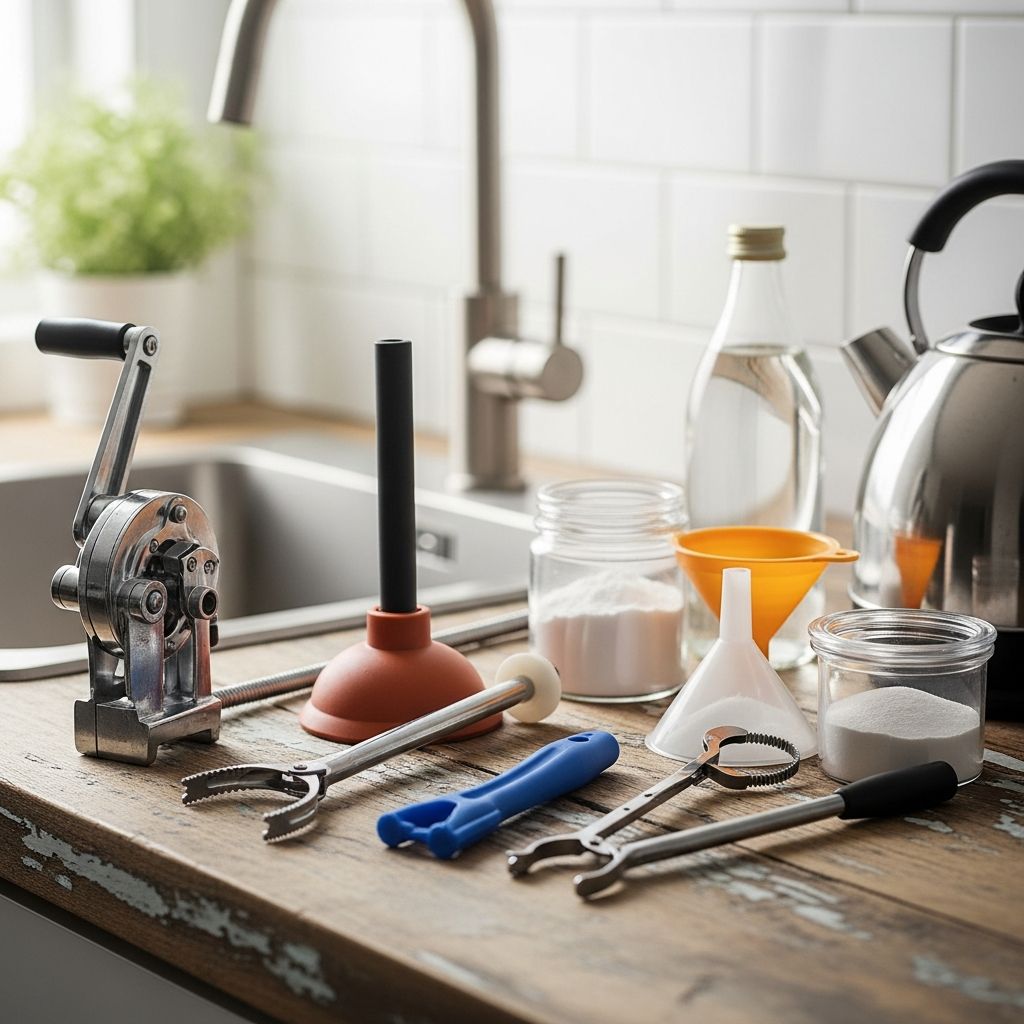
How to Unclog Drains Without Chemicals: Safe and Effective Solutions
Clogged drains are one of the most common household plumbing problems, and many homeowners immediately reach for commercial chemical drain cleaners. However, these harsh chemical solutions can damage your pipes, harm the environment, and pose serious health risks. The good news is that you can effectively unclog drains using safe, affordable, and eco-friendly methods that are already in your home or easily accessible at any hardware store. This comprehensive guide will walk you through multiple proven techniques to clear clogs without relying on dangerous chemicals.
Why Avoid Chemical Drain Cleaners
Before diving into the solutions, it’s important to understand why chemical drain cleaners should be avoided. Commercial drain cleaners contain corrosive substances that can burn through pipes, especially older ones made of cast iron or PVC. These chemicals also pose serious risks to your skin and eyes, and they create toxic fumes that can damage your respiratory system. Additionally, chemical cleaners harm aquatic ecosystems when they enter waterways, disrupting the natural balance of these environments. By choosing chemical-free alternatives, you protect your plumbing system, your health, and the planet.
The Plunger Method: Your First Line of Defense
The plunger is one of the most effective and underutilized tools for drain clearing. A standard cup plunger works by creating suction and pressure to dislodge clogs in sink and bathtub drains. For best results, fill the sink with enough water to cover the plunger cup completely, then place the plunger over the drain opening and pump vigorously for 15 to 20 seconds. The key is creating a tight seal around the drain to maximize the pressure.
For double sinks, ensure you block the overflow hole or the opposite sink drain with a wet cloth before plunging. This prevents air from escaping, making your plunging efforts more effective. If the clog is in a toilet, use a flange plunger specifically designed for toilet bowls, as these have a different shape that creates a better seal. The plunger method works especially well for clogs caused by hair, soap buildup, and food debris lodged near the drain opening.
Baking Soda and Vinegar: A Powerful Natural Combination
One of the most popular and effective chemical-free drain cleaning methods involves combining baking soda and white vinegar. This dynamic duo creates a fizzing action that can break down clogs naturally and safely.
Step-by-Step Baking Soda and Vinegar Process
- Remove standing water from the drain using a cup or small bucket
- Pour half a cup of baking soda directly down the drain
- Follow immediately with half a cup of white vinegar
- Cover the drain opening with a plug or wet cloth to contain the fizzing action
- Wait 15 to 30 minutes to allow the mixture to work on the clog
- Flush the drain with hot water to clear away loosened debris
- Repeat if necessary for stubborn clogs
The acid in vinegar combined with the abrasive properties of baking soda creates a natural cleaning action that dissolves soap scum, grease, and organic matter. This method is particularly effective for kitchen sink clogs and bathroom drain blockages. The fizzing reaction also helps break apart mineral deposits and scale buildup inside pipes.
The P-Trap Method: Accessing Clogs Below the Sink
For more stubborn clogs that don’t respond to plunging or baking soda and vinegar, you may need to disassemble the P-trap (the curved pipe section beneath the sink). This method requires no chemicals and gives you direct access to the clog.
How to Clean Your P-Trap
First, place a bucket underneath the P-trap to catch any water that spills out. Using an adjustable wrench, carefully loosen the slip nuts (the large hexagonal fittings) connecting the P-trap to the drain lines. Turn counterclockwise until they’re hand-tight, then carefully unscrew them the rest of the way. Slowly remove the P-trap section and empty any water or debris into your bucket.
Once removed, you can visually inspect the trap for accumulated debris. Often, hair, soap residue, and other materials accumulate in this section. Use a straightened wire coat hanger or a plumbing snake to push out stubborn blockages. Rinse the P-trap thoroughly with hot water from your sink or a garden hose. Before reassembling, make sure the rubber washers inside the slip nuts are still in good condition and properly seated.
Carefully reposition the P-trap and hand-tighten the slip nuts first. Once everything is aligned, use your wrench to tighten the nuts securely—but don’t over-tighten, as this can crack the plastic fittings. Turn on the hot water and check beneath the sink for leaks. If you notice dripping at the connections, tighten the nuts slightly more using your wrench.
Hot Water Flushing: Simple Yet Effective
Sometimes, the solution to a clogged drain is as simple as using hot water. Boil a large pot of water and carefully pour it down the drain in stages, allowing each batch to work through before adding more. The heat helps dissolve grease and soap buildup that may be causing a partial clog.
This method works best as a preventative maintenance measure or for minor clogs. For kitchen sinks, combine hot water flushing with salt for added abrasive action. Pour a cup of salt down the drain followed by boiling water. The salt crystals help scour the interior pipe surfaces while the hot water dissolves grease and washes away debris.
The Plumbing Snake: A Professional Tool for Home Use
A plumbing snake (also called a drain auger) is an affordable tool that can tackle more serious clogs located deeper in your drainage system. These come in manual and motorized versions, with manual models being perfectly adequate for most household drain problems.
To use a manual plumbing snake, remove the drain cover and feed the snake down into the drain. As you turn the handle, the rotating head at the end of the cable breaks apart the clog. Continue feeding the snake deeper until you feel resistance—this indicates you’ve reached the clog. Work the snake back and forth to break the blockage into smaller pieces that can flush away. Once you’ve cleared the clog, flush the drain with hot water to remove the loosened debris.
Enzyme-Based Drain Cleaners: Nature’s Alternative
While not exactly a household item, enzyme-based drain cleaners offer a chemical-free alternative to harsh commercial products. These products contain naturally occurring enzymes that digest organic matter in pipes, including hair, soap residue, and food particles.
Enzyme cleaners work slowly compared to chemical alternatives, but they’re much safer for your pipes and the environment. Pour the recommended amount down the drain before bed, and let it work overnight. These cleaners are ideal for maintenance and preventing future clogs rather than clearing severe blockages. They’re also safe to use regularly, making them excellent for keeping your drains flowing freely year-round.
Wire Coat Hanger Tool: Budget-Friendly Solution
A straightened wire coat hanger can serve as an effective DIY drain cleaning tool. Straighten the hanger completely, then bend one end into a small hook. Feed this makeshift tool down your drain to fish out hair clogs, which are among the most common drain blockages in bathrooms.
This method works particularly well for bathtub and shower drains where hair accumulation is the primary culprit. Simply work the hook down into the drain, rotate it to catch hair, and pull upward to extract the clog. You may need to repeat this process several times to remove all the hair buildup.
Prevention: The Best Drain Maintenance Strategy
While knowing how to clear clogs is valuable, preventing them in the first place is far easier and more economical. Install drain strainers or screens in all your sinks, tubs, and showers to catch hair and debris before they enter your pipes. Clean these strainers regularly by removing accumulated debris.
In the kitchen, avoid pouring grease or cooking oils down the drain. Instead, collect them in a container and dispose of them in the trash. Run hot water through your kitchen drain regularly while running your garbage disposal to flush away small particles. In bathrooms, regularly remove hair from shower drains and consider installing a hair trap.
Perform monthly maintenance flushes using baking soda and vinegar or hot salt water. This prevents buildup before it becomes a serious clog. These simple preventative measures can significantly reduce the frequency of drain problems in your home.
When to Call a Professional Plumber
While most household clogs can be handled using the methods described above, some situations require professional intervention. If you’ve tried multiple methods without success, if you suspect a clog deep in your main sewer line, or if you notice sewage backing up into your home, contact a licensed plumber immediately.
Professional plumbers have access to advanced equipment like motorized augers and camera systems that can diagnose and clear clogs that are beyond the reach of standard home tools. If your home has older cast iron pipes or you’re experiencing recurring clogs in the same location, a plumber can identify underlying issues that might require pipe replacement or repair.
Frequently Asked Questions
Q: How often should I use baking soda and vinegar to maintain my drains?
A: Use this method monthly as a preventative maintenance measure. If you have slow-draining sinks, you can increase this to every two weeks until normal flow is restored.
Q: Is it safe to use a plunger on every type of drain?
A: Plungers work well for sinks, tubs, and toilets, but avoid using them on drains with standing sewage, as this can spread contamination. Also, don’t plunge drains that have recently had chemical cleaners poured into them.
Q: Can I mix different methods, like using a plunger after baking soda and vinegar?
A: Yes, you can combine methods. After the baking soda and vinegar treatment has been sitting for 20-30 minutes, flushing with hot water followed by plunging can be very effective for stubborn clogs.
Q: How much does a plumbing snake cost, and is it worth the investment?
A: Manual plumbing snakes typically cost between $15 and $50. Given that a single professional plumber visit can cost $150-$300 or more, investing in a snake pays for itself after just one successful DIY use.
Q: Are enzyme-based drain cleaners effective on all types of clogs?
A: Enzyme cleaners work best on organic clogs like hair, grease, and food debris. They’re less effective on mineral buildup or clogs caused by objects like toys or wipes. For these situations, mechanical methods like snakes or plungers are more appropriate.
Q: What should I do if my drain still smells bad after unclogging?
A: Pour baking soda down the drain followed by hot water to neutralize odors. Alternatively, boil lemon peels with water and pour down the drain for a fresh, citrus scent.
References
- Drain Care and Maintenance — The Plumbing Institute. 2024-06-15. https://www.plumbinginstitute.org/drain-maintenance
- Chemical Drain Cleaners: Health and Environmental Impacts — U.S. Environmental Protection Agency. 2024-03-10. https://www.epa.gov/safechems/safer-chemical-ingredients
- Natural Drain Cleaning Methods — Consumer Reports. 2024-01-20. https://www.consumerreports.org/home-maintenance/
- Household Plumbing Maintenance Guide — The Home Depot Education Center. 2024-02-28. https://www.homedepot.com/c/ab/plumbing-guides
- Enzymatic Drain Cleaners: Effectiveness and Safety — Journal of Environmental Health Perspectives. 2023-11-05. https://ehp.niehs.nih.gov/
Similar Articles








Read full bio of medha deb