How to Unclog a Shower Drain: Methods and Solutions
Clear shower drain clogs with proven methods using natural solutions and professional techniques.
How to Unclog a Shower Drain: Complete Guide to Clearing Blockages
A clogged shower drain is one of the most common household plumbing issues homeowners face. Whether caused by hair buildup, soap scum, or mineral deposits, a slow-draining or completely blocked shower can disrupt your daily routine. The good news is that you have multiple options for clearing the clog, ranging from simple natural remedies you can try immediately to professional solutions for stubborn blockages. Understanding the different methods available will help you choose the best approach for your situation.
Why Shower Drains Get Clogged
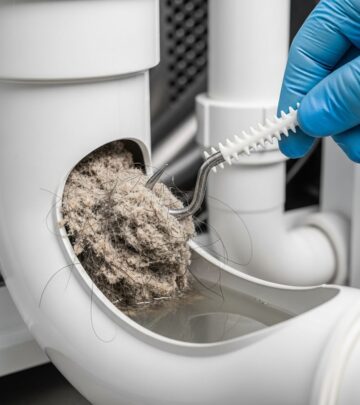
Before attempting to unclog your shower drain, it’s helpful to understand what causes blockages in the first place. Hair is the primary culprit in most shower drain clogs, as it accumulates over time and combines with soap residue and body oils to create stubborn blockages. Mineral deposits from hard water can also contribute to restricted water flow, particularly in areas with high water mineral content. Additionally, soap scum buildup gradually coats the interior pipe walls, trapping debris and reducing drainage efficiency. Understanding these causes can help you implement preventative measures to avoid future clogs.
Natural Drain Cleaning Methods
Natural methods offer safe, eco-friendly solutions for clearing minor to moderate shower drain clogs. These approaches are particularly effective for maintenance and preventing blockages from forming in the first place.
Hot Water Flushing
One of the simplest and most effective methods for unclogging a shower drain is using hot water. Very hot tap water helps dissolve soap residue, melted fats, and grime that accumulate along the pipe walls. This method works exceptionally well for kitchen sink drains and can provide immediate relief for slow-draining bathroom drains. To use this method, simply boil water in a pot and carefully pour it directly down the drain. Important safety note: avoid using boiling water on PVC pipes, as the extreme heat can damage them. Instead, use very hot tap water for PVC plumbing systems. For the best results, let the hot water sit in the drain for a few minutes before repeating the process if necessary.
Baking Soda and Vinegar Solution
The combination of baking soda and vinegar creates a fizzy chemical reaction that helps break down light buildup and loosen debris trapped in your drain. This method works by deodorizing the drain, removing grime, and breaking down organic material without relying on harsh chemicals. To use this method, pour half a cup of baking soda down the drain, followed by half a cup of white vinegar. Cover the drain opening to contain the fizzing action, which helps push the mixture through the blockage. Let it sit for 15 to 30 minutes, then flush with hot water. This approach is safe, inexpensive, and environmentally friendly, making it an excellent choice for general maintenance and mild clogs. However, it may not be strong enough for severe blockages.
Salt and Hot Water Mixture
Coarse salt combined with hot water can help scrub the interior of pipes, providing a mild but useful method for routine drain cleaning. The abrasive properties of salt help break up debris while the heat of the water flushes everything through the drain system. Mix half a cup of coarse salt with a pot of very hot water and pour it down the drain slowly. This method is particularly effective for maintaining drain health and preventing buildup from accumulating over time.
Enzyme-Based Drain Cleaners
Enzyme cleaners offer a natural alternative to harsh chemical solutions. These products use natural bacteria and enzymes to break down organic material such as hair, grease, soap scum, and food particles. Enzyme-based cleaners are excellent for ongoing maintenance and are safe for all types of plumbing systems, including older pipes and septic systems. They are non-corrosive and won’t damage your pipes or harm the environment. The main drawback is that they work slowly and are not ideal for urgent, severe blockages. However, when used regularly as part of a maintenance routine, enzyme cleaners can prevent clogs from forming altogether.
Manual Drain Clearing Methods
When natural remedies aren’t sufficient, manual tools offer effective solutions for removing physical blockages from your shower drain.
Using a Plunger
The plunger is a fundamental tool for clearing drain clogs and remains one of the first choices for many DIYers. Plungers work by creating suction and pressure that dislodges blockages and forces them through the pipes. To use a plunger on a shower drain, fill the drain area with enough water to cover the plunger cup, position the plunger directly over the drain opening, and push and pull vigorously up and down in rapid succession. This action creates pressure changes that help break apart and move the clog. Plungers are effective at removing various types of blockages and require no special knowledge or tools beyond the plunger itself.
Drain Snake or Auger
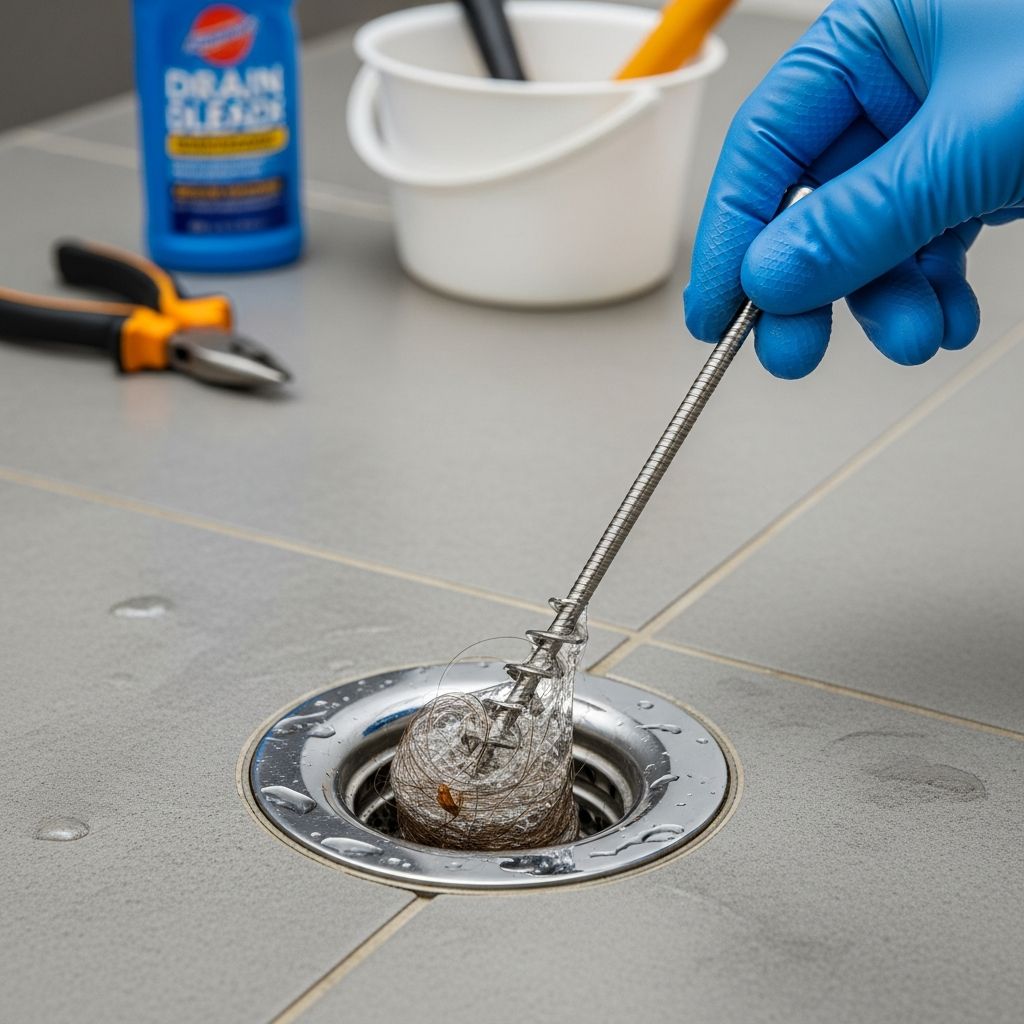
A drain snake, also called an auger, is a coiled metal cable that provides a more aggressive approach to clearing clogs. This tool is ideal for removing large blockages or objects stuck deep within your drain system. To use a drain snake, insert the cable into the drain and feed it through the pipe until it reaches the clog. Once you make contact with the blockage, you can either push through it to break it apart or hook onto it to pull it out of the pipe. Drain snakes are particularly effective for hair clogs, which are the most common shower drain blockages. This method requires more effort than plunging but offers superior results for stubborn obstructions.
Hair Trap Installation
One of the most effective preventative measures is installing a hair trap or drain strainer in your shower. These devices catch hair before it enters the drainage system, preventing blockages before they form. Hair traps are inexpensive, easy to install, and require minimal maintenance beyond regular cleaning. By removing accumulated hair from the trap weekly, you can significantly reduce the likelihood of future clogs.
Chemical Drain Cleaning Solutions
While natural methods work well for maintenance and mild clogs, chemical cleaners provide faster results for tougher blockages. However, they come with important considerations regarding pipe damage and safety.
Types of Chemical Cleaners
Chemical drain cleaners fall into three main categories, each working through different mechanisms to dissolve clogs.
Caustic Cleaners (Lye, Sodium Hydroxide): These contain highly alkaline substances that react with grease, hair, and soap scum to create heat and dissolve clogs. Caustic cleaners are often thick gels or liquids that cling to the clog and break it down effectively. They work well on organic material but can damage certain types of pipes over time.
Acidic Cleaners (Sulfuric Acid, Hydrochloric Acid): Acidic cleaners work quickly and can dissolve clogs in minutes by releasing hydrogen gas that dislodges blockages. These are extremely powerful and typically reserved for professional use due to safety concerns. The high risk of pipe damage, toxic fumes, and chemical burns makes them unsuitable for most homeowners.
Oxidizing Cleaners (Bleach, Peroxide, Nitrates): These cleaners release oxygen when they contact organic materials, helping break down tough clogs without generating as much heat as caustic cleaners. They are effective on hair and food buildup but may damage PVC pipes or older plumbing systems and can produce strong fumes.
Safety Considerations
Chemical drain cleaners should always be used with extreme caution. These products are caustic and can cause serious injury, including burns to skin and eyes if not used properly. Never mix different chemical cleaners, as this can create dangerous reactions. Additionally, chemical cleaners are known to corrode pipes over time and should not be used regularly. They may also push the clog deeper into your plumbing system, causing more extensive problems. Professional plumbers rarely rely on chemical drain cleaners because they offer only temporary fixes and risk long-term damage to your plumbing infrastructure.
Professional Drain Cleaning Methods
For severe blockages or when DIY methods fail, professional plumbers employ specialized techniques that deliver superior results without damaging your pipes.
Hydro-Jetting
Hydro jetting is an advanced drain cleaning method that uses high-pressure water jets to clear obstructions and thoroughly clean the interior of pipes. Professional plumbers insert a specialized hose into the drain line, which shoots water at extremely high pressure to break up debris, flush out grease, and even remove tree roots that have infiltrated pipes. This method is eco-friendly, requires no chemicals, and provides thorough cleaning that restores pipes to near-original condition. Hydro jetting is ideal for severe blockages in sewer lines, grease buildup in kitchen drains, and situations involving tree root infiltration. The main advantage is long-lasting results that prevent new clogs from forming quickly. However, hydro jetting should only be performed by professional plumbers with specialized tools and knowledge, as improper use can damage certain pipe types.
Mechanical Augers
Professional-grade mechanical augers are more powerful versions of consumer drain snakes. Plumbers use these motorized tools to break up and remove stubborn blockages that resist manual methods. These tools can reach deeper into the plumbing system and provide more force than hand-operated snakes, making them effective for complex clogs.
Camera Inspections
Professional plumbers often use camera inspections to identify the root causes of recurring clogs. Small waterproof cameras are inserted into the drain to provide visual confirmation of blockages, pipe damage, or other issues. This diagnostic approach ensures that the chosen treatment method addresses the actual problem rather than just providing temporary relief.
Choosing the Right Method for Your Situation
Selecting the appropriate drain cleaning method depends on several factors. For routine maintenance and mild clogs, start with natural methods like hot water flushing or baking soda and vinegar. If you have a moderate clog that natural methods haven’t resolved, try a plunger or drain snake before considering chemical solutions. For severe blockages, recurring problems, or if DIY methods have failed, contact a professional plumber who can assess your specific situation and employ appropriate techniques like hydro jetting or camera inspection.
Preventing Future Shower Drain Clogs
The best approach to shower drain problems is prevention. Install a hair trap in your shower drain and clean it regularly to remove accumulated hair before it enters the pipe system. Use hot water flushes weekly to help dissolve soap residue and maintain drain flow. Limit the use of heavy conditioners and oils that can accumulate in pipes. Consider using enzyme-based drain treatments monthly as preventative maintenance. These simple steps can significantly reduce the frequency and severity of shower drain clogs.
Frequently Asked Questions
Q: Is it safe to use boiling water on all types of pipes?
A: No, avoid using boiling water on PVC pipes, as the extreme heat can damage them. Instead, use very hot tap water for PVC plumbing systems. Boiling water is safe for metal pipes and traditional plumbing materials.
Q: How often should I clean my shower drain to prevent clogs?
A: For routine maintenance, perform a hot water flush weekly and use a hair trap that you clean regularly. Monthly enzyme-based treatments can provide additional preventative benefits and help maintain optimal drain flow.
Q: Can I mix baking soda and vinegar with other cleaners?
A: No, never mix different drain cleaners, particularly when combining natural solutions with commercial chemical products. Mixing cleaners can create dangerous chemical reactions and toxic fumes. Use one method at a time and rinse thoroughly between treatments.
Q: When should I call a professional plumber?
A: Contact a professional if DIY methods fail after multiple attempts, you have recurring clogs in the same drain, you suspect tree root infiltration, or you have older plumbing that might be damaged by aggressive methods. Professionals can diagnose underlying issues and provide solutions that prevent future problems.
Q: Are enzyme-based cleaners truly safe for all pipe types?
A: Yes, enzyme-based drain cleaners are safe for all plumbing materials, including PVC, copper, and older pipes. They contain natural bacteria and enzymes that break down organic matter without causing corrosion or damage. They are also septic-safe, making them ideal for homes with septic systems.
Q: How long does hydro jetting take, and is it worth the cost?
A: Hydro jetting typically takes 1-2 hours depending on the severity of the blockage and pipe configuration. While it costs more than basic drain cleaning, the thorough cleaning and long-lasting results make it worthwhile for severe blockages or recurring problems, as it prevents new clogs from forming quickly.
References
- Natural vs Chemical Drain Cleaning Methods Guide — Cardinal Plumbing Co. 2026. https://callcardinalplumbing.com/natural-vs-chemical-drain-cleaning-method/
- How to Choose The Right Drain Cleaning Method For Your Pipes — Acme Plumbing. https://www.acmeplumbing.com/blog/how-to-choose-the-right-drain-cleaning-method-for-your-pipes-a-comprehensive-comparison/
- Best Drain Cleaners for Old Pipes: What’s Safe and What to Avoid — AE Heating and Cooling. https://www.aeheatingandcooling.com/blog/best-drain-cleaners-for-old-pipes
- Understanding the Different Types of Drain Cleaning Methods — Drain Tech Plumber. https://www.draintechplumber.com/blogs/drain-cleaning-methods/
- Top 5 Best Drain Cleaning Methods Explained — Tempo Air. https://tempoair.com/top-5-best-drain-cleaning-methods-explained/
Similar Articles


Read full bio of medha deb