How to Unclog a Toilet Without a Plunger
Master DIY toilet unclogging techniques using common household items and proven methods.
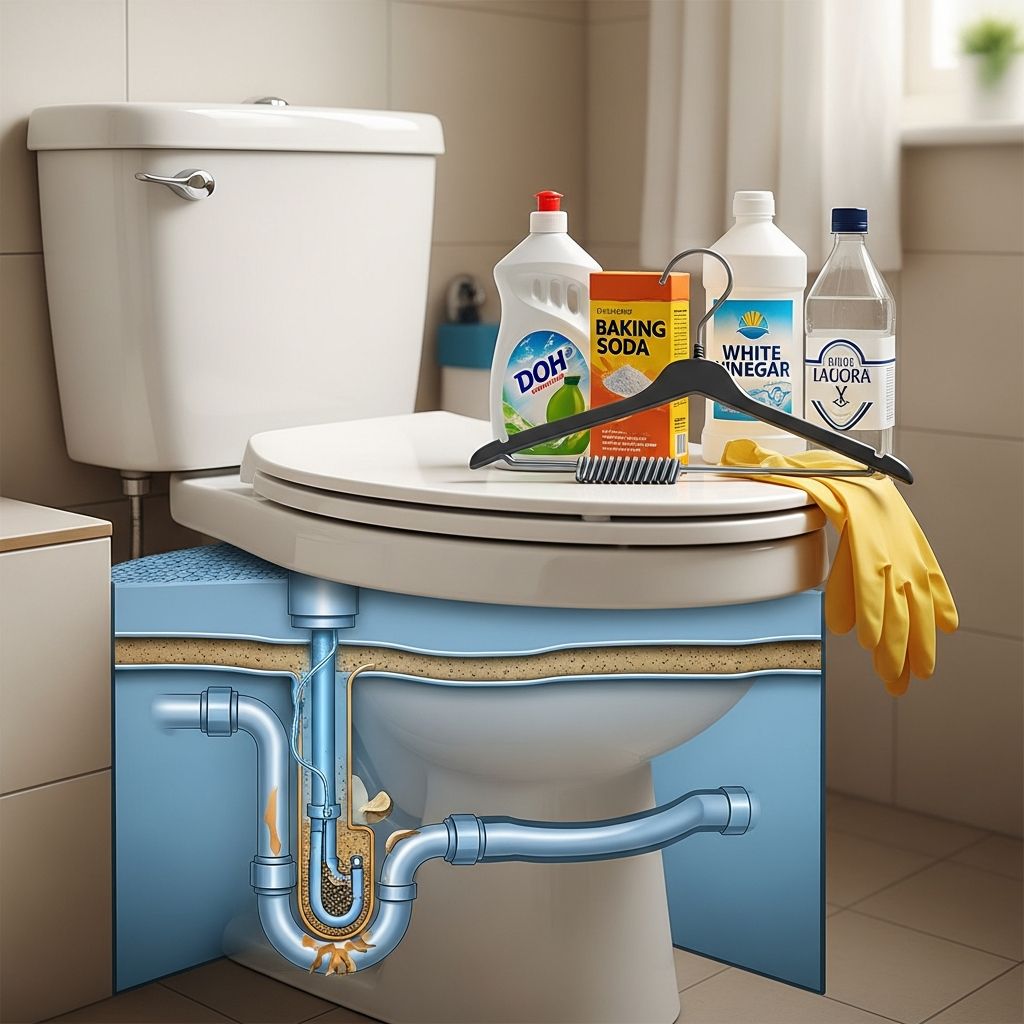
A clogged toilet is one of the most common household plumbing issues that homeowners face, and unfortunately, it often happens at the most inconvenient times. While a plunger is the traditional go-to tool for fixing this problem, there are many effective alternatives that use items you likely already have at home. Whether you’re dealing with a minor blockage or a more stubborn clog, these proven methods can help you restore normal toilet function without needing to invest in specialized equipment or call a professional plumber. In this comprehensive guide, we’ll explore multiple techniques that can help you unclog your toilet quickly and efficiently using household items and simple methods.
Understanding Toilet Clogs
Before diving into solutions, it’s important to understand what causes toilet clogs and when DIY methods are appropriate. Most toilet clogs result from an excessive buildup of toilet paper, human waste, or foreign objects that have accidentally been flushed. Understanding the nature of the blockage can help you choose the most effective unclogging method. Minor clogs that involve soft materials like toilet paper are often easier to resolve with gentle methods, while more stubborn blockages may require more aggressive techniques or professional intervention.
The Hot Water Method
One of the simplest and most effective techniques for unclogging a toilet is the hot water method. This approach relies on the principle that heat can help break down and soften the materials causing the blockage. To use this method effectively, start by removing as much water from the toilet bowl as possible using a cup or bucket. This allows you to add hot water directly to the clog without diluting it excessively. Heat a large bucket of water to just below boiling point—approximately 160 to 180 degrees Fahrenheit—being careful not to use boiling water, as the extreme heat can potentially crack the porcelain bowl. Slowly pour the hot water directly into the toilet drain from a height of about waist level. The combination of heat and water pressure often helps dissolve and dislodge minor clogs within a few minutes. For best results, allow the hot water to sit in the bowl for approximately 15 to 30 minutes before attempting to flush. This waiting period gives the heat time to work on softening the clog materials. If the clog hasn’t cleared after the first attempt, you may repeat this process several times.
The Dish Soap Method
Dish soap is another household item that can be surprisingly effective for toilet clogs. Liquid dish soap works as a lubricant that helps break down and soften the materials causing the blockage, allowing them to pass through the drain more easily. To use this method, squirt a generous amount of liquid dish soap—approximately one-half to one cup—directly into the toilet bowl. Allow the soap to sit for about 15 to 20 minutes, which gives it time to penetrate and work on the clog. For enhanced effectiveness, you can combine this method with hot water. After allowing the soap to work, slowly add a bucket of very hot water (but not boiling) to the bowl. The combination of the lubricating soap and the dissolving power of heat creates a powerful unclogging treatment. Wait an additional 15 to 30 minutes before flushing to allow the mixture to work. Many homeowners find that this combination method successfully clears minor to moderate clogs without requiring more invasive techniques.
The Baking Soda and Vinegar Method
For those who prefer natural, chemical-free solutions, the baking soda and vinegar method offers an effective alternative. This approach harnesses the chemical reaction between these two common household items to help break apart clogs. Start by pouring one cup of baking soda directly into the toilet bowl, making sure it settles into the drain area. Next, slowly pour two cups of white vinegar into the bowl. The mixture will immediately begin to fizz and bubble as a chemical reaction occurs—this is exactly what you want, as the effervescence helps break apart clog materials. Allow this mixture to work undisturbed for approximately 30 minutes. The fizzing action continues to work during this time, breaking down the blockage. After the 30-minute waiting period, heat a bucket of water to just below boiling and carefully pour it into the bowl. Allow everything to sit for another 15 minutes, then attempt to flush. This natural method is particularly appealing to those concerned about using chemical drain cleaners in their homes.
Creating a DIY Toilet Snake or Plumbing Snake
When chemical and thermal methods aren’t sufficient, a more mechanical approach using a DIY plumbing snake can be highly effective. If you don’t have a commercial drain snake available, you can easily create one from a wire coat hanger. Start by straightening out a standard metal wire coat hanger as much as possible. At one end, create a small hook by bending the wire at a right angle—this hook will help catch and dislodge clog materials. Before beginning, put on a pair of rubber gloves to protect your hands. Carefully feed the straightened wire hanger into the toilet drain, working slowly and deliberately to avoid damaging the porcelain bowl. Gently maneuver the wire to locate the clog, then carefully work it to break apart or dislodge the blockage. Once you’ve broken up the clog or hooked the material causing the blockage, slowly retract the wire. You may need to repeat this process several times to fully clear the drain. After using the DIY snake, flush the toilet to check if the clog has been resolved. Be patient and gentle with this method to avoid scratching or cracking the toilet bowl.
The Plastic Bottle Pressure Method
Another innovative technique that many homeowners find effective is the plastic bottle pressure method. This approach uses water pressure to dislodge clogs and works similarly to a plunger but uses everyday items. You’ll need a large plastic bottle—a standard two-liter soda or water bottle works well. First, ensure the toilet bowl has adequate water level; if it’s too low, add enough water from the sink or shower so the bottle will be fully submerged when inserted. Fill the plastic bottle with warm water and place it upside down into the toilet drain opening. Position the bottle so it creates a seal with the drain. Firmly squeeze the bottle to force a pressurized jet of water into the drain opening. Release the pressure and allow the bottle to refill with water from the toilet bowl, then repeat the squeezing motion. This back-and-forth pumping action creates pressure waves that can help break up and dislodge clogs. You may need to repeat this process 10 to 15 times to achieve results. The repetitive pressure often proves effective for soft clogs caused by toilet paper or similar materials.
Using a Drain Snake or Toilet Auger
For more stubborn clogs, investing in an inexpensive drain snake or toilet auger may be worthwhile. Unlike the DIY wire hanger method, a commercial drain snake provides better control and reach for deeper clogs. To use a drain snake, insert the curved end directly into the drain hole and carefully feed the cable into the toilet by turning the handle clockwise. As you feed the snake into the drain, you’ll feel increasing resistance—this indicates you’ve reached the clog. Continue turning the handle clockwise to either break apart the clog or snag it with the snake’s tip. Once you’ve addressed the blockage, turn the handle counterclockwise to retract the cable slowly. If the snake has caught the clog material, pull it out carefully. After fully retracting the snake, flush the toilet to verify that the clog has been cleared and normal water flow has been restored.
The Plastic Wrap Method
The plastic wrap method is a less conventional but sometimes effective technique for addressing certain types of clogs. This method works by creating pressure that helps push the clog through the pipes. To use this method, cover the top of the toilet bowl opening with plastic wrap, ensuring complete coverage. Press down firmly on the plastic wrap while simultaneously flushing the toilet. The pressure created by the combination of the flush and your hand pressure on the plastic wrap can sometimes dislodge clogs. However, this method requires caution to prevent mess and is best used when you’re confident the clog isn’t a complete blockage that could cause water overflow. The plastic wrap helps contain any splashing while you apply pressure. After a few firm presses, remove the plastic wrap and flush normally to check your results.
When to Call a Professional Plumber
While these methods are effective for most minor to moderate clogs, some situations require professional plumbing assistance. If you’ve attempted multiple methods without success, if the toilet overflows despite your efforts, or if you suspect the blockage is located deep within your plumbing system, it’s time to call a professional plumber. Additionally, if the clog is caused by a foreign object like toys or non-flushable items, a professional may need to disassemble the toilet to remove the obstruction. Persistent clogs that recur frequently may indicate a more serious underlying plumbing issue that requires professional diagnosis and repair.
Prevention Tips for Future Clogs
Preventing toilet clogs is far easier than dealing with them after they occur. The most important prevention measure is to be mindful about what you flush down the toilet. Toilet paper is designed to break down quickly in water, but many other products are not. Avoid flushing paper towels, facial tissues, feminine hygiene products, cotton swabs, dental floss, or any other non-flushable items. Additionally, limit the amount of toilet paper you use per flush, and consider installing a low-flow or dual-flush toilet that uses less water and is less prone to clogs. Regular maintenance, such as periodically pouring hot water down the drain, can also help prevent buildup that leads to clogs. Teaching all household members about proper toilet usage is equally important for long-term clog prevention.
Supplies You May Need
Having the right supplies on hand can make addressing a clogged toilet much easier when the situation arises. Here are items you should consider keeping in your home:
- Bucket or large cup for water removal and hot water transport
- Hot water source (kettle or pot)
- Dish soap (liquid formulation works best)
- Baking soda
- White vinegar
- Wire coat hanger (for DIY snake creation)
- Rubber gloves
- Plastic wrap
- Large plastic bottles
- Drain snake or toilet auger (optional but recommended)
- Towels for cleanup and spill management
Safety Precautions
When attempting to unclog a toilet using any of these methods, several safety precautions should be observed. Always wear rubber gloves to protect your hands from contaminated water and sharp wire edges. Ensure adequate ventilation in the bathroom by opening windows or running the exhaust fan. Never mix commercial drain cleaners with other substances, particularly those containing bleach, as this can create dangerous fumes. When working with hot water, use caution to avoid burns—never use boiling water directly in the toilet as it can crack the porcelain. If you have tried multiple methods and the clog remains, avoid the temptation to use harsh chemical drain cleaners excessively, as they can damage your plumbing system and pose environmental hazards.
Frequently Asked Questions
Q: How long should I wait after applying the hot water method before flushing?
A: Allow the hot water to sit in the toilet bowl for at least 15 to 30 minutes. This waiting period gives the heat sufficient time to work on softening the clog materials. If you’re combining hot water with dish soap, allow an additional 15-20 minutes for the soap to take effect.
Q: Is it safe to use boiling water in the toilet?
A: No, boiling water is not recommended for use in toilets. The extreme temperature can cause thermal shock and potentially crack the porcelain bowl. Instead, heat water to just below boiling (around 160-180 degrees Fahrenheit) for safe and effective results.
Q: Can I use baking soda and vinegar if I’ve already used dish soap?
A: It’s generally better to choose one method and allow it to work completely before attempting another. Mixing too many substances can create unpredictable reactions. If your first attempt doesn’t work, flush thoroughly and wait a few hours before trying a different method.
Q: How often can I use the hot water method without damaging my toilet?
A: The hot water method is safe to use regularly for maintenance and clog prevention. Many homeowners pour hot water down their drains weekly to prevent buildup. However, avoid using it excessively on a single day to prevent thermal stress on the porcelain.
Q: What should I do if the clog won’t clear after trying multiple methods?
A: If you’ve tried several methods without success over a 24-hour period, it’s time to call a professional plumber. Persistent clogs may indicate a deeper issue in your plumbing system that requires professional tools and expertise to resolve.
Q: Is the DIY wire hanger method as effective as a commercial drain snake?
A: The DIY wire hanger method can be effective for many clogs, but a commercial drain snake offers better control, reach, and durability. If you frequently experience clogs, investing in an inexpensive drain snake may be worthwhile.
References
- How to Unclog a Toilet Without a Plunger — Silverwater Plumbing. 2024. https://silverwaterplumbing.com.au/how-to-unclog-a-toilet-without-a-plunger/
- How To Unclog a Toilet Without a Plunger — This Old House. 2024. https://www.thisoldhouse.com/plumbing/21436657/unclog-toilet-without-plunger
- How to Unblock a Toilet WITHOUT a Plunger — The Relining Company. 2024. https://www.thereliningcompany.com.au/how-to-unblock-toilet-without-plunger/
- How to Unclog a Toilet Without a Plunger — The Home Depot. 2024. https://www.homedepot.com/c/ah/how-to-unclog-a-toilet-without-a-plunger/9ba683603be9fa5395fab901d9016d27
Similar Articles








Read full bio of Sneha Tete