How To Wash A Down Comforter At Home: Step-By-Step Guide
Master the art of washing your down comforter to maintain its loft and comfort for years to come.
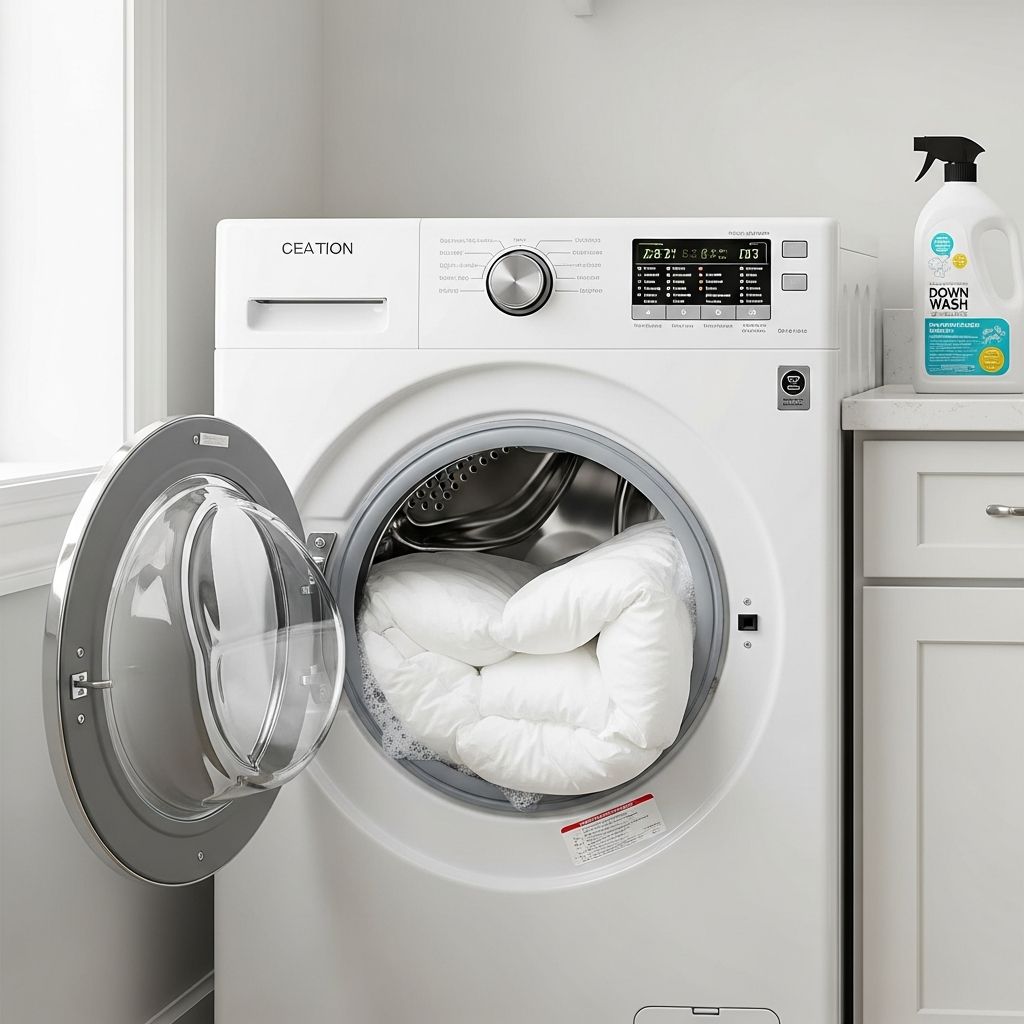
A down comforter is a significant investment in your comfort and sleep quality, and with proper care, it can provide years of warmth and coziness. Unlike many people assume, washing a down comforter at home is entirely possible and often preferred over dry cleaning when done correctly. Understanding the right techniques, materials, and precautions ensures your comforter maintains its loft, warmth, and pristine condition for decades to come.
Before You Start: Check the Care Label
The most critical first step before washing your down comforter is to carefully read the manufacturer’s care label. This label provides essential information about your specific comforter and whether it can be machine-washed at all. Some premium down comforters are labeled “Dry Clean Only,” which means you should take them to a professional dry cleaner rather than attempting to wash them yourself. Ignoring these instructions could result in permanent damage to your comforter’s down filling or outer shell. If your comforter is machine-washable, the label will typically include specific water temperature recommendations, cycle settings, and drying instructions that you should follow closely.
Preparing Your Down Comforter for Washing
Proper preparation is essential for a successful wash. Before placing your comforter in the washing machine, inspect it carefully for any rips, tears, or holes in the fabric. If you notice any damage, repair it first using a needle and thread or fabric patch, as washing a damaged comforter could result in down filling leaking into your washing machine. Additionally, check all seams and stitching to ensure they’re secure and intact.
Remove any non-removable covers or casings if possible, and close any zipper closures to prevent snagging. If your comforter has decorative elements like buttons or embroidery, consider placing it inside a large mesh laundry bag for extra protection during the wash cycle.
Choosing the Right Washing Machine
One of the most important considerations is selecting the appropriate washing machine. Front-loading machines are generally the best choice for washing down comforters because they’re gentler on the fabric and filling. Top-loading machines with an agitator can be too harsh and may cause damage or uneven washing. However, if your home washing machine is too small for your comforter (which is common for king-size or oversized comforters), a commercial-grade machine at a laundromat is an excellent alternative. These larger machines can accommodate bulky comforters more effectively and allow better water circulation for thorough cleaning.
When using a laundromat, choose the largest available machine and ensure it’s clean before use. Many laundromats have machines specifically designated for bedding and larger items, which are ideal for comforter washing.
Selecting the Right Detergent
The type of detergent you use significantly impacts the cleanliness of your comforter and the integrity of the down filling. Always choose a mild, low-suds detergent specifically formulated for delicate fabrics. Gentle options like Woolite or similar products designed for down and feathers are ideal choices. Homemade laundry detergent is another excellent option if you prefer a natural approach.
Equally important is knowing what to avoid. Never use bleach, which can weaken and yellow the fabric shell and damage the delicate down filling. Fabric softeners should also be avoided, as they leave a residue that coats the down and reduces its ability to trap air, thereby diminishing the loft and warmth of your comforter. Enzyme-based detergents can also damage down, so steer clear of these products entirely. Using the correct amount of detergent is equally crucial—use less than you normally would for regular laundry to minimize residue and ensure thorough rinsing.
The Washing Process
Temperature and Cycle Settings
Water temperature plays an important role in protecting your down comforter. Always use cold water, as hot water can damage the down filling and cause the outer fabric to fade or shrink. Cold water is equally effective at removing dirt and odors while being gentler on your comforter’s materials.
Select the gentle or delicate cycle on your washing machine, which uses slower agitation and gentler water movement. This minimizes stress on the fabric and down filling. A normal or heavy cycle could cause bunching, matting, or damage to the down clusters. Some washing machines have a specific cycle for bedding or down items, which is perfect if your machine offers this option.
Loading the Machine
Place your down comforter loosely in the washing machine without overstuffing. The comforter should have enough space to move freely and allow water and detergent to circulate through it thoroughly. Overstuffing prevents proper cleaning and rinsing, leaving detergent residue in the down. For extra-large comforters, you may need to use a commercial machine or split the washing into two separate loads.
Washing Duration and Rinsing
Run the gentle or delicate cycle with cold water. Most down comforters require only one regular wash cycle. However, if your comforter is particularly soiled or hasn’t been washed in several years, you might consider running a second gentle cycle. After the wash cycle completes, run at least one additional rinse cycle to ensure all detergent residue is removed from the down filling. Any remaining soap can affect the loft and create unpleasant odors, so thorough rinsing is essential.
Drying Your Down Comforter
The drying process requires patience and attention, as improper drying can damage your comforter or leave it with damp sections that could develop mildew. Drying a down comforter typically takes considerably longer than drying regular bedding.
Using a Dryer with Tennis Balls
For best results, use a large-capacity tumble dryer on a low to medium heat setting. High heat can damage the fabric and down filling, so always avoid high-temperature cycles. Before starting the dryer, toss several clean tennis balls or dryer balls into the machine with your comforter. These balls help break up clumps of down and agitate the comforter gently as it dries, preventing the filling from bunching in one area and promoting even drying throughout.
The drying process may take several hours, sometimes up to half a day or longer depending on the size and weight of your comforter. Plan accordingly and don’t rush this step.
Monitoring the Drying Process
Check on your comforter periodically—ideally every hour—to ensure it’s drying evenly and the down is redistributing properly. If you notice the comforter clustering in one area or staying in the same position, pause the dryer and manually fluff the comforter by shaking it out and repositioning the down filling. This prevents permanent damp spots, clumping, and potential heat damage to one area.
Some people prefer to remove the comforter halfway through the drying cycle, thoroughly shake and fluff it by hand, and then return it to the dryer for the remaining time. This hands-on approach often yields better results, especially for larger comforters.
Air Drying as an Alternative
If you prefer to avoid the dryer entirely or want an even gentler approach, air drying is possible. Hang your wet comforter over a clothesline or sturdy railing in a well-ventilated area, preferably outdoors on a breezy day. Periodically shake and fluff the comforter to help the down redistribute as it dries. This method takes significantly longer—sometimes 24 to 48 hours—but is extremely gentle on your comforter and eliminates any heat-related risks.
Storage and Long-Term Maintenance
Proper storage between seasons is essential for maintaining your down comforter’s condition. Store your clean, completely dry comforter in a breathable cotton storage bag rather than plastic, which can trap moisture and promote mildew growth. Ensure the storage location is cool, dry, and clean, away from direct sunlight, moisture, and pests.
Never store a comforter that isn’t completely dry, as trapped moisture can lead to mold and mildew development. Periodically air out your stored comforter by taking it out and letting it breathe, especially during seasonal transitions.
How Often Should You Wash Your Down Comforter?
Washing frequency significantly affects your comforter’s lifespan. Generally, you should wash your down comforter once or twice per year, such as at the beginning and end of winter or during spring cleaning and before storage. Frequent washing, while it freshens your comforter, can gradually wear down the fabric and affect the down’s loft over time. The less frequently you wash it, the longer your comforter will maintain its original appearance and performance.
Between washes, you can freshen your comforter by airing it outside on a sunny day, vacuuming it lightly with an upholstery attachment, or using a fabric refresher spray designed for delicate items.
Troubleshooting Common Issues
Clumping Down
If your down ends up clumped in one area after washing or drying, don’t panic. Gently separate the clumps by hand, working the down back into an even distribution. For stubborn clumping, you can place the comforter back in the dryer on low heat with tennis balls for an additional short cycle.
Unpleasant Odors
If your dried comforter smells unpleasant, it likely contains residual detergent or hasn’t dried completely. Run additional rinse cycles through the washing machine before drying, or air it outside in the sun to naturally freshen the smell.
Wet Spots After Drying
Wet or damp spots indicate incomplete drying. Return the comforter to the dryer with tennis balls for additional drying time, checking frequently to prevent overheating one area.
Frequently Asked Questions
Q: Can I dry clean my down comforter instead of washing it at home?
A: Yes, if your comforter is labeled “Dry Clean Only,” professional dry cleaning is your best option. However, comforters labeled as machine-washable can be successfully washed at home using the proper techniques described above.
Q: What if I don’t have tennis balls for the dryer?
A: While tennis balls are ideal, you can use clean wool dryer balls, clean sneakers, or even crumpled aluminum foil balls as alternatives. The goal is to have objects that gently agitate the comforter and break up clumps.
Q: How can I prevent down from leaking into my washing machine?
A: Inspect your comforter for rips or holes before washing and repair any damage. Additionally, using a mesh laundry bag provides extra protection against leaks, especially for older comforters with weakened seams.
Q: Is it safe to wash a down comforter in a standard home washing machine?
A: Yes, as long as it’s large enough to allow the comforter to move freely and it’s a front-loading machine if possible. If your machine is too small, visit a laundromat with larger commercial machines.
Q: Can I use regular laundry detergent on my down comforter?
A: No, regular detergent often contains additives that can damage down. Use mild, low-suds detergents designed for delicate fabrics or down-specific products for best results.
Q: Why shouldn’t I use fabric softener on my down comforter?
A: Fabric softener creates a residue that coats the down fibers, reducing their ability to trap air and decreasing loft, warmth, and overall comfort of your comforter.
References
- How To Care for Your Down Comforter — The Company Store. 2024. https://www.thecompanystore.com/how-to-care-for-down-comforter.html
- How to Wash a Down Comforter the Right Way at Home — Everyday Cheapskate. 2024. https://www.everydaycheapskate.com/how-to-wash-a-down-comforter/
- Textile Care and Fabric Maintenance Standards — American Cleaning Institute. 2024. https://www.cleaninginstitute.org/
Similar Articles



Read full bio of medha deb