How To Wash An Electric Blanket Safely: Step-By-Step Guide
Learn the safest methods to clean your electric blanket without damaging internal wiring.
Electric blankets are a cozy investment that provides warmth and comfort during cold nights, but they require special care when it comes to cleaning. Unlike regular blankets, electric blankets contain delicate internal wiring and heating elements that demand careful attention. Many people hesitate to wash their electric blankets, fearing they’ll damage the electrical components. However, with the right knowledge and proper techniques, you can safely clean your electric blanket and keep it fresh and hygienic without compromising its functionality.
Whether you’re dealing with stains, dust accumulation, or simply want to refresh your blanket after extended use, this comprehensive guide will walk you through every step of the process. From unplugging and disconnecting your blanket to drying it properly, we’ll cover everything you need to know to maintain your electric blanket in excellent condition.
Are Electric Blankets Machine Washable?
The good news is that most modern electric blankets are indeed machine washable, though not all models share this capability. Before you proceed with any cleaning method, it’s absolutely essential to check the care label on your specific blanket. The manufacturer’s instructions are your best resource for understanding what your particular electric blanket can tolerate.
If your blanket is machine washable, you’ll find that cleaning becomes significantly easier and more convenient. However, even machine-washable electric blankets require a gentle approach because the delicate internal wiring and heating elements are sensitive to rough handling and excessive agitation. The key is following the manufacturer’s guidelines while employing best practices for protecting these sensitive components throughout the washing process.
Preparing Your Electric Blanket for Cleaning
Unplug and Disconnect
The first and most critical step in cleaning your electric blanket is ensuring complete electrical safety. Begin by unplugging your electric blanket from the wall outlet. Next, carefully detach any control units, cords, and electrical connectors from the blanket. This step is non-negotiable—electricity and water are incompatible, and mixing them poses serious safety risks.
Take time to examine all connection points to ensure you’ve removed every electrical component. Some electric blankets have multiple connection points, so verify that nothing remains attached before proceeding to any water-based cleaning method.
Inspecting for Damage
Before washing, inspect your electric blanket for any visible damage. Look for worn spots, small holes, or areas where the fabric appears compromised. If you notice significant damage, especially near the edges or corners where the internal wiring runs, consider whether machine washing is appropriate. For blankets with minor damage, hand washing may be a safer alternative.
Machine Washing Your Electric Blanket
Pre-Treating Stains
If your electric blanket has stubborn stains or spots, address them before the main wash cycle. Dab a small amount of mild detergent directly onto the stained area and gently work it in using a soft cloth. Avoid using bleach or harsh chemical cleaners, as these can damage both the fabric and the internal wiring. A gentle touch is essential—never scrub aggressively, as this can weaken the fabric and potentially damage the heating elements beneath.
Selecting the Right Settings
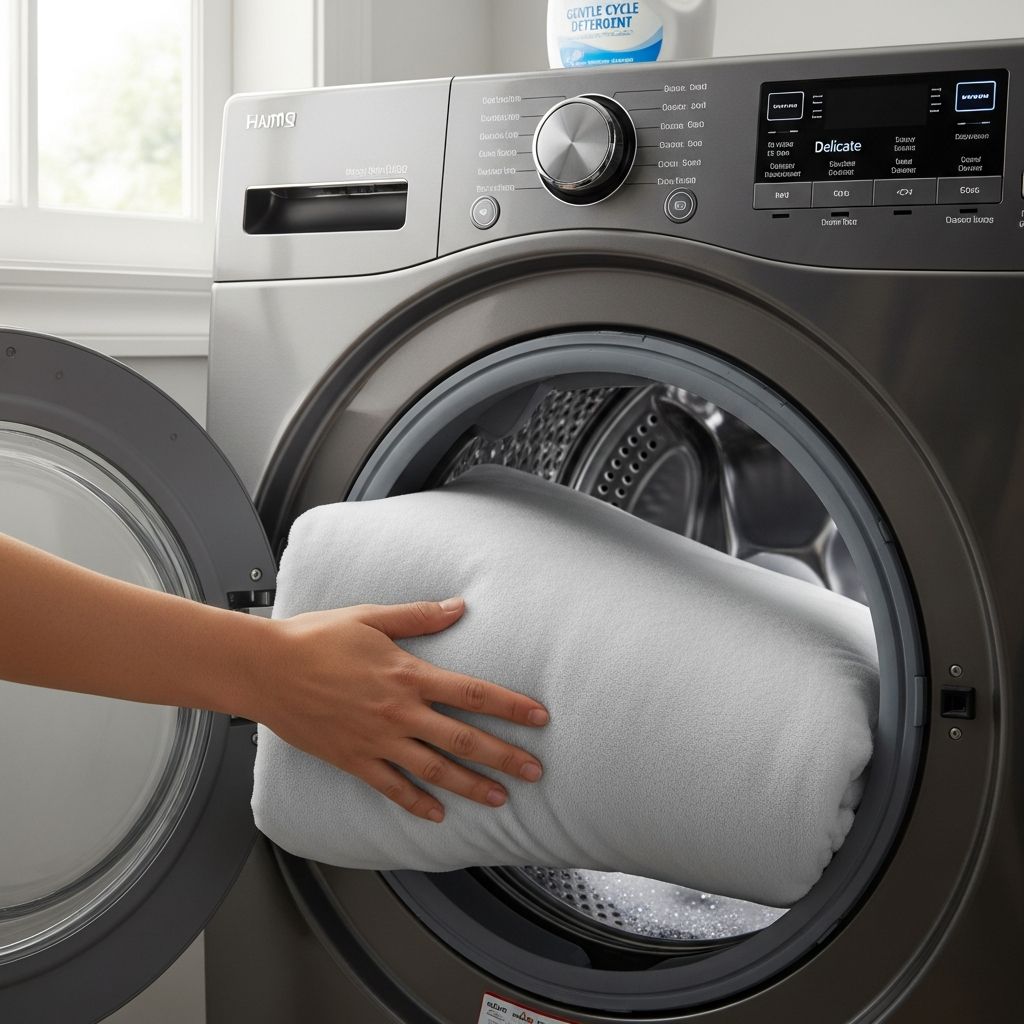
When placing your electric blanket in the washing machine, choose a gentle or delicate cycle setting. Use cold or lukewarm water—never hot water, as excessive heat can shrink the fabric and damage the internal wiring. Select a mild detergent and avoid fabric softeners entirely. Fabric softeners create a coating on the fabric that can interfere with the blanket’s heating performance and may compromise the functionality of the internal elements.
Important Washing Considerations
Keep the wash cycle brief. A short wash cycle, typically lasting just two to three minutes, reduces the risk of the internal wires tangling or stretching. When it comes to electric blankets, less is definitely more. The gentler and quicker you can get through the wash cycle, the better for preserving the integrity of the internal components.
If your washing machine offers a choice between a front-loader and a top-loader with an agitator, always choose the front-loader. Top-loader agitators can be rough on the delicate wiring inside your blanket, potentially causing damage that may not be immediately apparent but could affect performance or safety over time.
Rinsing Your Electric Blanket
After the main wash cycle completes, thorough rinsing is essential. If your machine has an extra rinse cycle option, use it. This ensures that every trace of detergent is removed from the blanket. Detergent residue can accumulate on the heating elements and reduce the blanket’s effectiveness. A thorough rinse also helps maintain the blanket’s softness and overall feel.
Hand Washing Your Electric Blanket
If machine washing isn’t an option for your specific blanket, or if you prefer a more hands-on approach, hand washing is an excellent alternative. Hand washing actually allows for more control and gentleness throughout the cleaning process.
Step-by-Step Hand Washing Process
Begin by unplugging and disconnecting your electric blanket as previously described. Fill a sink or basin with lukewarm water and add a small amount of mild detergent. Submerge your blanket and allow it to soak gently for five to ten minutes. This soaking period allows the detergent to penetrate and loosen dirt and stains without requiring aggressive scrubbing.
For any stubborn spots that remain, gently dab them with a soft cloth and a small amount of mild detergent. Avoid harsh scrubbing motions that could stress the internal wiring. Once you’ve addressed stains, drain the soapy water and rinse the blanket thoroughly in clean, cold water. Gently press—never wring or twist—the water out of the blanket. This pressing motion is crucial; wringing or twisting can strain or potentially snap the wires inside the blanket.
Supporting Your Blanket Properly
When lifting your wet electric blanket, support the entire blanket evenly. Never yank or pull on it, especially from the corners or edges. The additional weight of water combined with improper handling can damage the internal wiring. Think of your blanket as a delicate item requiring gentle support throughout the entire washing and rinsing process.
Drying Your Electric Blanket
Air-Drying: The Safest Option
Air-drying is the recommended method for drying your electric blanket and offers the safest approach. Lay your blanket flat on a clean, dry clothes-drying rack in a well-ventilated space. Alternatively, you can place it on any clean, dry surface that allows air circulation. Avoid hanging your blanket from the edges, as this can stretch the fabric and potentially damage the internal wiring from the weight and stress.
For even drying, flip your blanket occasionally throughout the drying process. While air-drying takes longer than machine drying—potentially 24 hours or more depending on humidity and air circulation—the extra time is well worth the protection you’re providing to your blanket’s internal components.
Machine Drying with Caution
If your blanket’s care label specifically permits tumble drying, you can use this method, but extreme caution is necessary. Set your dryer to the lowest heat setting or a delicate cycle. High heat can damage the internal wiring and compromise the blanket’s safety and performance.
Limit the initial machine drying time to just 10 to 15 minutes. This brief period removes excess moisture without exposing the blanket to prolonged heat. After this initial machine drying, remove the blanket while it’s still slightly damp and complete the drying process by laying it flat on a rack. This combination approach allows you to benefit from the speed of machine drying while minimizing heat exposure to the sensitive internal components.
Essential Safety Guidelines and What to Avoid
Understanding what not to do is just as important as knowing the correct cleaning methods. Here are critical guidelines to protect your electric blanket:
- Never use hot water: Hot water can shrink the fabric and damage the internal wiring. Always stick to cold or lukewarm water.
- Never use bleach or harsh chemicals: These substances can deteriorate the fabric and compromise the internal wiring. Mild detergent is all that’s needed.
- Never iron your blanket: The heat from an iron can damage or even destroy the internal wiring. Wrinkles are a minor cosmetic issue compared to a non-functional blanket.
- Never wring or twist: This action can strain or snap the internal wires. Always press gently to remove excess water.
- Never dry clean: Dry cleaning chemicals can damage both the fabric and the internal components.
- Never use pins or sharp objects: Pins can puncture the fabric and damage the internal wiring. Handle your blanket carefully and avoid placing sharp objects on it.
- Never use fabric softeners: These products coat the fabric and can interfere with the blanket’s heating performance.
Storage Tips for Long-Term Care
Proper storage extends the life of your electric blanket. Fold or roll your blanket loosely to avoid tight creases that can stress and potentially damage the internal wiring. Store it in a cool, dry place away from direct sunlight, which can fade and weaken the fabric over time. Avoid storing your blanket in damp areas, as moisture can corrode the electrical components or promote mold growth.
Frequently Asked Questions
Q: Can I wash my electric blanket if it’s still plugged in?
A: No. Always unplug your electric blanket from the wall outlet before attempting any cleaning. Never expose the electrical components to water. This is a critical safety measure.
Q: How often should I wash my electric blanket?
A: Most experts recommend washing your electric blanket every few months with regular use, or whenever it visibly needs cleaning. However, always check your manufacturer’s guidelines, as recommendations may vary by model.
Q: What detergent is best for cleaning electric blankets?
A: Use a mild, gentle detergent designed for delicate fabrics. Avoid heavy-duty detergents, bleach, fabric softeners, and any harsh chemical cleaners. If possible, use detergent specifically formulated for electric blankets.
Q: Can I dry my electric blanket in the sun?
A: Yes, sun-drying is an excellent option. Lay your blanket flat in a sunny location with good air circulation. The sun’s natural UV rays provide a gentle drying method without heat damage. Just ensure your blanket doesn’t experience extreme heat or get too hot to touch.
Q: Is it safe to sleep on an electric blanket while it’s damp?
A: No. Always ensure your electric blanket is completely dry before reconnecting the electrical components and using it. Moisture combined with electricity poses serious safety risks, including electrical shock or fire hazards.
Q: What should I do if I accidentally damaged my blanket while washing?
A: If you notice a tear, puncture, or visible damage to the blanket’s fabric after washing, do not use it as an electric blanket. You can still use it as a regular blanket, but the damaged area may allow water or debris to contact the internal wiring, creating safety hazards if you reconnect the electrical components.
Q: Can I wash my electric blanket if the control unit won’t detach?
A: Contact the manufacturer for assistance. Forcing a control unit that won’t detach can damage both the unit and the blanket’s internal connections. The manufacturer can provide guidance specific to your model.
Conclusion
Washing your electric blanket doesn’t have to be a daunting task when you understand the proper techniques and safety guidelines. Whether you choose machine washing for convenience or hand washing for extra control, following these steps will keep your electric blanket clean, fresh, and functioning properly for years to come. Remember that the key to successful electric blanket care is treating it gently, avoiding extreme temperatures and harsh chemicals, and always prioritizing electrical safety. By investing a little extra care in the cleaning process, you’ll extend the life of your electric blanket and ensure it continues to provide cozy warmth throughout the seasons.
References
- How to Wash an Electric Blanket Safely — Vonhaus. 2025. https://www.vonhaus.com/vh_en/blog/how-to-wash-an-electric-blanket
- Cleaning an Electric Blanket — David GPO. October 23, 2025. https://www.youtube.com/watch?v=mMZRtM7kO68
Similar Articles


Read full bio of Sneha Tete