How To Wash Pillows: 5 Simple Steps For Cleaner Pillows
Learn the best methods to wash and care for your pillows to keep them fresh and hygienic.
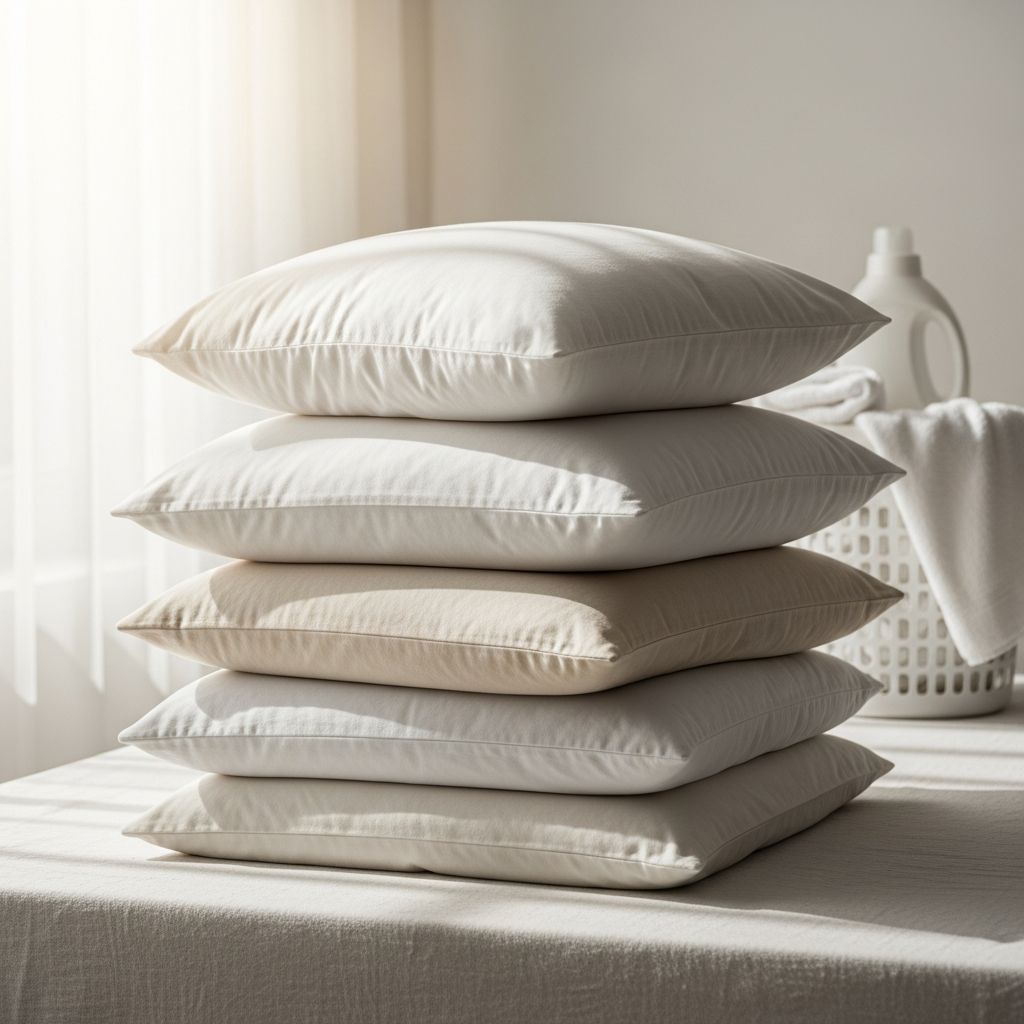
How to Wash Pillows: A Complete Cleaning Guide
Pillows are an essential part of our daily lives, providing comfort and support during sleep. However, many people overlook the importance of regularly washing their pillows. Over time, pillows accumulate dead skin cells, dust mites, sweat, oils, and other debris that can affect their cleanliness and lifespan. After two years of regular use, approximately one-third of a pillow’s weight can consist of dead skin, dust mites, and their droppings. This makes regular pillow washing not just a matter of cleanliness, but also a health concern. Learning how to properly wash your pillows ensures they remain fresh, hygienic, and comfortable for years to come.
Why You Should Wash Your Pillows
Understanding the importance of pillow washing is the first step toward maintaining a healthy sleep environment. Pillows collect various contaminants over time that can impact both your health and the pillow’s longevity. Dead skin cells that naturally shed from your face and head accumulate in the pillow’s fabric and filling. Dust mites, microscopic creatures that thrive in bedding, feed on these dead skin cells and leave behind droppings that can trigger allergies and respiratory issues. Additionally, body oils, sweat, and moisture from your scalp and neck seep into the pillow material, creating an environment where bacteria and mold can flourish.
Regular pillow washing helps eliminate these allergens and contaminants, reducing the risk of allergic reactions, asthma flare-ups, and skin irritation. It also extends the life of your pillows by preventing the buildup of materials that can break down the fabric and filling. Beyond health benefits, clean pillows simply feel better and provide a more pleasant sleeping experience.
How Often Should You Wash Pillows?
The frequency of pillow washing depends on several factors, including personal hygiene habits, allergies, and the climate you live in. Most experts recommend washing pillows every three to six months as a general guideline. However, certain situations may warrant more frequent washing. If you have allergies or asthma, consider washing your pillows every two to three months to minimize allergen exposure. People who sweat heavily during sleep or those living in humid climates should also wash pillows more frequently to prevent mold and mildew growth. Conversely, if you use a pillow protector and practice good sleep hygiene, you might be able to extend the washing interval to every six months.
It’s also important to wash pillows promptly after illness or if they’ve been exposed to spills or stains. Regularly washing your pillowcases weekly and your pillow protectors every few weeks can help maintain pillow freshness between deeper cleanings.
Preparing Your Pillows for Washing
Before washing your pillows, proper preparation is essential to ensure the best results and prevent damage. Start by checking the care label attached to your pillow. This label provides important information about the pillow’s material composition, manufacturer recommendations, and any specific washing instructions or warnings. Different pillow types require different cleaning methods, so understanding your pillow’s construction is crucial.
Remove the pillowcase and any pillow protector from the pillow. Inspect the pillow for any visible stains, damage, or areas of concern. If you notice any tears or loose seams, consider repairing them before washing to prevent the filling from leaking out during the cleaning process. For pillows with stubborn stains, you might want to pre-treat the affected area with a mild stain remover or a solution of water and detergent, allowing it to sit for a few minutes before washing.
Check that your washing machine and dryer are in good working condition and that you have the appropriate detergent on hand. For most pillows, a gentle or mild detergent works best, as harsh chemicals can damage the fabric and compromise the pillow’s integrity.
Different Pillow Types and Washing Methods
Not all pillows are created equal, and washing methods vary depending on the pillow’s material and construction. Understanding the specific requirements for your pillow type ensures effective cleaning without causing damage.
Down and Feather Pillows
Down and feather pillows are luxurious and provide excellent comfort, but they require careful handling during washing. These pillows can typically be machine washed on a gentle or delicate cycle using cool water. Use a mild detergent and avoid bleach or fabric softeners, which can damage the delicate down clusters. When machine washing, place the pillow in a mesh washing bag to provide extra protection. After washing, it’s crucial to dry these pillows completely to prevent mold growth. Use a low heat setting in the dryer and add wool dryer balls or clean tennis balls to help fluff the pillow and break up clumping of the down fill. The drying process may take several hours, so be patient and ensure the pillow is completely dry before use.
Memory Foam Pillows
Memory foam pillows require a gentler approach than traditional pillows. In most cases, machine washing is not recommended for memory foam pillows as the agitation and water exposure can degrade the foam material. Instead, spot-clean memory foam pillows by removing surface stains with a damp cloth and mild soap solution. For deeper cleaning, hand wash only the pillowcase while ensuring water doesn’t saturate the foam. If the pillow’s care label permits, you may gently hand wash the entire pillow in cool water with minimal agitation, but always verify the manufacturer’s recommendations first. Allow memory foam pillows to air dry naturally, as heat can cause the material to break down.
Polyester and Synthetic Pillows
Polyester and synthetic fill pillows are among the most durable and easy to care for. These pillows can generally be machine washed on a regular or gentle cycle using warm water and mild detergent. Place the pillow inside a mesh bag for added protection if desired. Machine drying on low to medium heat is usually acceptable for synthetic pillows, though some people prefer to air dry them. Add wool dryer balls to the dryer to help the pillow maintain its shape and fluffiness during drying. These pillows typically dry much faster than down pillows.
Gel and Cooling Pillows
Gel and cooling pillows often contain special gel inserts or cooling technologies that require careful consideration. Always check the manufacturer’s care instructions before washing. Some gel pillows cannot be machine washed and require spot cleaning only. Others may allow machine washing on a gentle cycle with specific water temperature requirements. Never place gel pillows in the dryer, as heat can damage the gel material. Air drying is the preferred method for these specialty pillows.
Step-by-Step Guide to Machine Washing Pillows
For pillows that can be safely machine washed, follow these steps to ensure proper cleaning:
Step 1: Prepare the Pillows – Remove the pillowcase and protector. Check the care label and inspect for damage. Pre-treat any visible stains if necessary.
Step 2: Load the Washer – Place one or two pillows in the washing machine, depending on machine capacity. For better balance and cleaning, wash at least two pillows together. Place each pillow in a mesh washing bag for protection if available.
Step 3: Select Settings – Choose a gentle or delicate cycle with cool to warm water, depending on the pillow type. Use a mild detergent specifically designed for delicate fabrics or standard mild laundry detergent.
Step 4: Run the Cycle – Allow the washing machine to complete its full cycle. Some machines have an extra rinse option that can be beneficial for pillows to ensure all detergent residue is removed.
Step 5: Dry the Pillows – Transfer the wet pillows to the dryer or air dry them. If machine drying, use low heat and include wool dryer balls to prevent clumping. Monitor the drying process to ensure the pillow dries evenly.
Hand Washing Your Pillows
Hand washing is an excellent option for delicate pillows or those with special care requirements. Fill a basin or sink with cool water and add a small amount of mild detergent. Submerge the pillow and gently agitate it in the soapy water for a few minutes. Pay special attention to any stained areas by gently rubbing them with your hands. Drain the soapy water and rinse the pillow thoroughly with clean, cool water until all soap residue is removed. Repeat the rinsing process if necessary. Gently squeeze out excess water without wringing or twisting the pillow, as this can damage the fabric and filling. Hang the pillow to air dry in a well-ventilated area or lay it flat on a clean surface. Ensure the pillow dries completely before use to prevent mold and mildew growth.
Drying Your Pillows
Proper drying is just as important as washing for maintaining pillow quality and hygiene. The drying method depends on the pillow type and material. Machine drying on low heat with wool dryer balls works well for polyester and down pillows. The dryer balls help break up clumping and allow the filling to fluff evenly. For memory foam and gel pillows, air drying is the best option. Hang the pillow in a well-ventilated area or lay it flat on a clean surface. Air drying takes longer but prevents heat damage to specialty materials. Make sure the pillow is completely dry before putting it back on the bed, as any residual moisture can lead to mold growth. In humid climates, you might want to place the pillow in direct sunlight for a few hours, as natural sunlight has antibacterial and disinfectant properties.
Maintaining Pillow Cleanliness Between Washes
Regular washing is important, but maintaining cleanliness between deep washes extends the life of your pillows and keeps them fresher longer. Using a pillow protector under your pillowcase creates a barrier between your pillow and direct contact with sweat, oils, and dust. Wash pillow protectors every few weeks and pillowcases weekly to prevent dirt and allergens from accumulating on the pillow itself. Avoid eating or drinking in bed to prevent stains and spillage on your pillow. If you have allergies, consider using hypoallergenic pillows and washing them more frequently to minimize allergen exposure. On dry, sunny days, hang your pillows outside to air out and benefit from natural sunlight’s disinfectant properties. Vacuuming your pillows with an upholstery attachment once a month can help remove surface dust and allergens without fully washing them.
Common Pillow Washing Mistakes to Avoid
Avoid these common mistakes to ensure your pillows remain clean and long-lasting. Don’t use hot water, as excessive heat can damage pillow materials and cause colors to fade. Avoid using bleach or strong chemicals that can break down fabric fibers and harm the pillow’s integrity. Never overload the washing machine with too many pillows, as this prevents proper cleaning and rinsing. Don’t skip the rinsing process, as detergent residue can irritate skin and reduce pillow comfort. Avoid high heat dryer settings that can damage specialty pillow materials like memory foam and gel. Don’t leave wet pillows to sit for extended periods before drying, as this creates an ideal environment for mold and mildew growth. Never dry pillows in direct sunlight for extended periods, as prolonged sun exposure can cause materials to break down and colors to fade.
Frequently Asked Questions
Q: How long does it take to wash and dry pillows?
A: The entire process typically takes two to four hours, depending on the pillow type and drying method. Machine washing takes about 45 minutes to an hour, while drying can take one to three hours, especially for down and feather pillows.
Q: Can I wash pillow inserts separately from pillowcases?
A: Yes, you can wash pillow inserts separately from pillowcases. In fact, this is often recommended as it allows for more thorough cleaning of both components.
Q: What should I do if my pillow develops a bad odor?
A: Wash the pillow more frequently and ensure it dries completely. Adding a cup of white vinegar to the rinse cycle can help eliminate stubborn odors. Air drying in sunlight also helps remove odors naturally.
Q: Are hypoallergenic pillows easier to wash?
A: Hypoallergenic pillows are designed to resist dust mites and allergens, but they still require regular washing. Many are machine washable and easy to care for, making them convenient for allergy sufferers.
Q: Can I use fabric softener when washing pillows?
A: It’s best to avoid fabric softener, as it can leave residue on the pillow and reduce its absorbency and fluffiness. Stick to mild detergent without additives for best results.
References
- HGTV: How to Wash Pillows — HGTV Network. 2017. https://www.hgtv.com/lifestyle/clean-and-organize/how-to-wash-pillows
- Dust Mites and Allergies — American Academy of Allergy, Asthma & Immunology. https://www.aaaai.org/
- Textile Care and Cleaning Guide — The Textile Exchange. https://www.textileexchange.org/
- Bedding Hygiene and Health — CDC: Healthy Homes and Lead Poisoning Prevention. https://www.cdc.gov/
- Memory Foam Care Guidelines — The Sleep Foundation. 2024. https://www.thesleepfoundation.org/
Similar Articles



Read full bio of Sneha Tete