How To Winterize A Lawn Mower: Complete Checklist
Complete guide to preparing your lawn mower for winter storage and cold season.
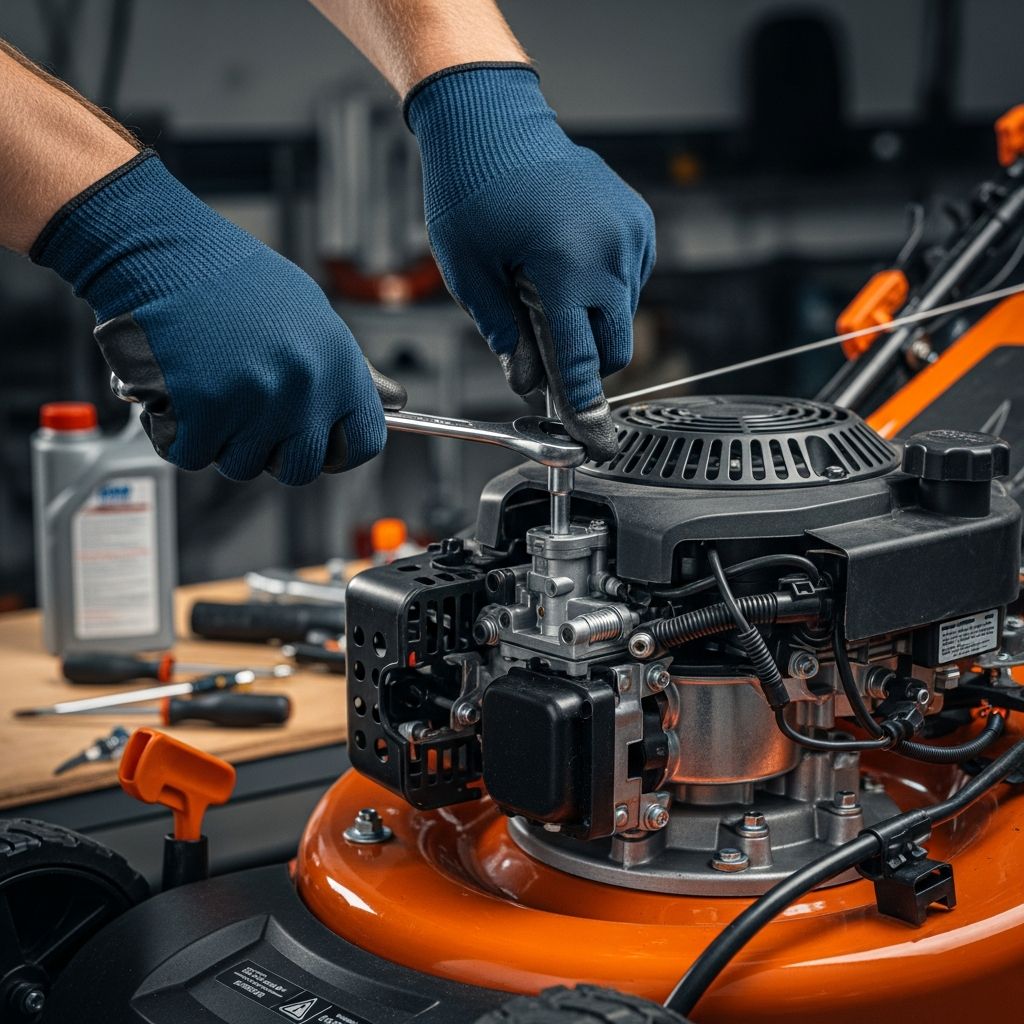
How To Winterize a Lawn Mower
As the cold season approaches and your lawn enters dormancy, it’s time to think about your lawn mower. Properly winterizing and storing your mower is essential for maintaining its longevity, ensuring it starts reliably when spring arrives, and protecting your investment from the harsh effects of winter weather. Many homeowners overlook this critical maintenance task, only to face expensive repairs or complete equipment failure when they attempt to use their mowers in the spring. By following a comprehensive winterization process, you can keep your lawn mower in excellent condition throughout the winter months and beyond.
Why Winter Storage Matters
Winter storage is not simply about putting your mower away in a shed or garage until spring. Improper storage can lead to significant damage to your equipment. Gasoline left in the tank can become stale, clogging the carburetor and causing internal rust. Battery power drains when equipment is not in use, potentially leaving you with a dead battery come spring. Oil becomes less effective over time and can accumulate moisture. Metal components can rust when exposed to damp conditions. Rodents and pests may seek shelter in your mower during winter, causing damage to wiring and other components. Taking the time to properly winterize your lawn mower prevents these issues and ensures your equipment remains in top working condition.
Empty the Lawn Mower Gas Tank
One of the most critical steps in winterizing your lawn mower is dealing with the fuel. Gasoline left in a mower through the winter can turn stale, gumming up the carburetor and causing rust to form inside the tank. This is one of the primary reasons lawn mowers fail to start in the spring. Gas can degrade in as little as 30 days, depending on the gasoline formula and storage conditions.
You have two primary options for managing fuel before winter storage:
Option 1: Empty the Tank Completely
The most straightforward approach is to drain the gas tank entirely using a siphon or by carefully tipping the fuel into an approved gas can. This eliminates the problem of stale fuel altogether. If you have a 4-cycle mower where the gas doesn’t mix with the oil, you can often put the siphoned gas into your car. If you must store the gasoline, keep it in an approved metal or plastic container within a detached garage or shed, maintaining at least 50 feet of distance from all ignition sources. Always follow local regulations regarding fuel storage, as they vary by location.
Option 2: Use Fuel Stabilizer
If emptying the tank seems impractical, you can use a fuel stabilizer to preserve the gasoline and prevent degradation. Add fuel stabilizer to your fuel can according to package instructions, then fill your mower’s tank with the treated fuel. Properly treated gasoline can remain fresh for up to a year, compared to just 30 days for untreated fuel. After adding stabilized fuel, run the mower for several minutes to ensure the treated fuel circulates through the entire fuel system, including the carburetor. This approach is particularly useful if your mower doesn’t have an easily accessible fuel drain or if you prefer to minimize fuel handling.
Change the Oil and Replace Filters
Winterizing your lawn mower includes comprehensive fluid and filter maintenance. Old oil can accumulate moisture and break down over time, becoming less effective at protecting engine components. Before storing your mower for winter, replace the oil and oil filter. This removes any contaminants that have accumulated during the mowing season and provides your engine with fresh protection during the off-season.
In addition to the oil change, perform a complete filter replacement service:
- Replace the air filter to ensure it’s clean for spring operation
- Replace the fuel filter to remove any debris or contamination
- Check and replace the spark plug if necessary
- Gap the new spark plug according to manufacturer directions
- Install lubrication on the spark plug threads before installing
These simple maintenance steps ensure your mower is ready to perform at peak efficiency when you bring it out of storage.
Prepare the Cutting Blades
The mower blades deserve special attention during winterization. Sharp, well-maintained blades cut grass cleanly and efficiently, while dull blades tear grass and leave it susceptible to disease. Before storing your mower, remove the blades and have them sharpened and balanced. This is also an excellent opportunity to inspect them for damage or wear.
To properly prepare your blades for storage:
- Disconnect the spark plug wires to prevent accidental starting
- Detach the blades by removing the bolts that secure them to the mower
- Mark one side of each blade with spray paint or tape so you remember which way to reinstall them
- Have professional sharpening done, or sharpen them yourself if you have the appropriate tools
- Clean each blade thoroughly and apply a light coat of oil to prevent rust
- Store the blades in a safe location away from moisture
Always wear proper protective gear like gloves when handling sharp objects to minimize your risk of injury.
Clean the Mower Thoroughly
A thorough cleaning before storage is essential for preventing rust and maintaining your mower’s condition. During the mowing season, grass clippings, dirt, and debris accumulate on your equipment. This organic material can trap moisture and promote rust formation on metal components.
Focus on these areas during cleaning:
The Mowing Deck
Clean grass and debris from under the mowing deck thoroughly. This helps prevent rust formation on the underside of the deck. After cleaning, spray the undercarriage with WD-40, which is especially helpful if you’re storing your mower in a damp shed or garage. This protective coating helps repel moisture and prevents corrosion.
The Rest of the Mower
Apply some elbow grease to grimy, recessed areas. Use a soft brush to clear away gunk from cables and other areas of movement. Pay special attention to the engine compartment, as debris accumulation here can attract rodents. Wipe down the exterior with a damp cloth and dry thoroughly to remove any moisture.
Remove and Store the Battery
Batteries slowly drain power when plugged in, even when the machine is not turned on. To preserve the battery’s charge and prevent damage from freezing temperatures, remove it for the winter and store it in a cool, dry location. Cold temperatures can freeze battery fluid, potentially causing permanent damage and making the battery unusable in spring.
Follow these steps for proper battery removal and storage:
- Disconnect the negative cable first (marked with a minus sign), followed by the positive cable
- Remove the battery and clean it with a microfiber cloth
- If battery terminals are dirty, gently remove debris with a metal brush or battery terminal cleaner
- For extra protection, coat the terminals with a terminal protector product
- Store the battery in a sealed container in a cool, dry place
- Avoid placing it near furnaces, water heaters, gas cans, or other heat sources
- Never place it near open flames
- Store it on a shelf in a garage or basement where temperature and humidity are controlled
Alternatively, if you leave the battery in the mower, use a battery maintainer or trickle charger to keep it fully charged throughout the winter, ensuring it won’t be dead when spring arrives.
Fog the Engine
Engine fogging is a specialized winterization technique that protects internal engine components from rust and corrosion during long-term storage. To fog your engine, remove the spark plug and spray fogging oil into the engine cylinder. Fogging oil protects the cylinder, piston, and valves from rust and prevents dry-start-induced damage in the spring.
After applying fogging oil, slowly pull the starter cord a few times to distribute the oil throughout the engine’s internal components. Then replace the spark plug. This coating creates a protective barrier that keeps moisture away from critical engine parts during the winter months, significantly improving your mower’s ability to start reliably in spring.
Choose the Right Storage Location
Once your mower is cleaned, serviced, and prepared, you need to store it in an appropriate location. The storage environment significantly impacts your mower’s condition during winter.
Ideal Storage Conditions
The best storage solution is a dry, sheltered space like a garage, shed, or basement. These locations protect your mower from rain, snow, excessive moisture, and direct sunlight, all of which can cause rust, corrosion, and other damage. The storage area should be:
- Dry and well-ventilated to prevent moisture buildup
- Climate-controlled if possible, with moderate temperatures
- Free from pests and rodents that might seek shelter in your equipment
- Away from chemicals, fertilizers, or other corrosive substances
Outdoor Storage
While storing a mower outdoors is possible, it’s generally not recommended for maintaining optimal condition. Exposure to the elements, including rain, snow, sun, and moisture, can lead to rust, corrosion, and damage to the mower’s engine, blades, and other components. If you must store your mower outdoors with no alternative, use a durable, weather-resistant cover to shield it from the elements. However, outdoor storage should be considered only as a last resort, as no cover provides complete protection from winter’s harsh conditions.
Protect Your Mower with a Cover
Once your mower is ready for storage and positioned in its winter location, cover it to provide additional protection. Use a mower cover specifically designed for this purpose to protect it from dust, moisture, and pests. A quality cover helps prevent dirt accumulation and reduces the risk of pest infestation during the long winter months. If a mower cover is not available, store the mower in a shed or garage where it’s naturally protected from the elements.
Winterization Checklist
To ensure you haven’t missed any important steps, use this comprehensive winterization checklist:
- Empty the gas tank or add fuel stabilizer and run the engine to circulate treated fuel
- Change the oil and replace the oil filter
- Replace the air filter, fuel filter, and spark plug
- Remove the mower blades, sharpen them, and store them safely
- Clean the mowing deck and spray with protective coating
- Clean the entire mower, including the engine compartment and exterior
- Remove the battery and store it in a cool, dry location
- Apply engine fogging oil to protect internal components
- Store the mower in a dry, sheltered location
- Cover the mower to protect it from dust and moisture
Spring Startup Tips
When spring arrives and you’re ready to use your mower again, follow these tips for a smooth startup:
- Reinstall the battery, ensuring all connections are tight
- Reinstall the sharpened blades in the correct orientation
- Check all fluid levels before starting
- Prime the engine by pulling the starter cord gently several times
- If your mower doesn’t start immediately, allow it to warm up gradually
- Run the mower for a few minutes to allow all systems to warm up properly
Frequently Asked Questions (FAQs)
Q: How long can gas sit in a lawn mower before it goes bad?
A: Untreated gasoline can degrade in as little as 30 days, depending on the formula and storage conditions. Properly treated gasoline with fuel stabilizer can remain fresh for up to a year.
Q: Should I empty the gas tank or use fuel stabilizer?
A: Both approaches work. Emptying the tank completely eliminates the problem of stale fuel entirely, while fuel stabilizer allows you to keep the tank full, which prevents moisture from condensing inside the tank. Choose based on your preference and equipment design.
Q: Is it safe to store my lawn mower outdoors during winter?
A: While possible, outdoor storage is not ideal. Exposure to moisture, rain, and temperature fluctuations can cause rust and corrosion. If you must store outdoors, use a durable, weather-resistant cover. A dry garage or shed is always preferable.
Q: Why should I fog my engine before winter storage?
A: Engine fogging protects internal components like the cylinder, piston, and valves from rust and corrosion during storage. It also prevents dry-start-induced damage when you start your mower in spring.
Q: What’s the best place to store a battery during winter?
A: Store the battery in a cool, dry location like a garage or basement, away from heat sources like furnaces, water heaters, and gas cans. Keep it away from open flames and on a shelf where it won’t collect moisture.
Q: Do I need to remove the blades before storing my mower?
A: While not absolutely required, removing the blades makes cleaning and maintenance easier. It’s an excellent opportunity to have them sharpened and balanced, ensuring better performance in spring.
Q: How often should I change the oil before storing my mower?
A: Change the oil once before winter storage, at the end of the mowing season. This removes contaminants and provides fresh protection during the off-season.
Q: Will a mower cover prevent all rust and corrosion?
A: A quality cover provides significant protection from dust and moisture, but it won’t prevent all rust if the storage location is damp. Combine a cover with proper indoor storage in a dry location for optimal protection.
Conclusion
Winterizing your lawn mower is an essential maintenance task that protects your investment and ensures your equipment operates reliably for years to come. By following these comprehensive steps—emptying the gas tank or using fuel stabilizer, changing the oil, replacing filters, sharpening blades, cleaning thoroughly, removing the battery, fogging the engine, and storing in an appropriate location—you’ll give your mower the best chance of surviving the winter in excellent condition. When spring arrives, your properly winterized mower will start up smoothly and be ready to keep your lawn looking beautiful. Make winterization a regular part of your seasonal lawn care routine, and your mower will reward you with years of dependable service.
References
- How to Store Your Lawnmower in Winter — AMSOIL Blog. 2024. https://blog.amsoil.com/how-to-store-your-lawnmower/
- How to Winterize & Store a Lawn Mower — Briggs & Stratton. 2024. https://www.briggsandstratton.com/na/en_us/support/maintenance-how-to/browse/putting-your-lawn-mower-to-rest-for-winter.html
- Long Term Lawnmower Storage Tips — SROA Blog. 2024. https://www.sroa.com/blog/storage-tips/long-term-lawnmower-storage-tips
- Getting your mower ready for winter storage — JB Hostetter & Sons. 2024. https://jbhostetter.com/news/getting-your-mower-ready-for-winter-storage/
- Winter Storage Recommendations for your John Deere Mower — Deer Country Farm and Lawn. 2024. https://www.youtube.com/watch?v=-FLUcQxSeo4
- How To Winterize a Lawn Mower — This Old House. 2024. https://www.thisoldhouse.com/lawns/21016417/how-to-store-your-lawn-mower-for-the-cold-season
Similar Articles



Read full bio of medha deb