Winterizing Your Lawn
Essential steps to prepare your grass for winter, ensuring a vibrant, healthy lawn that thrives come springtime.
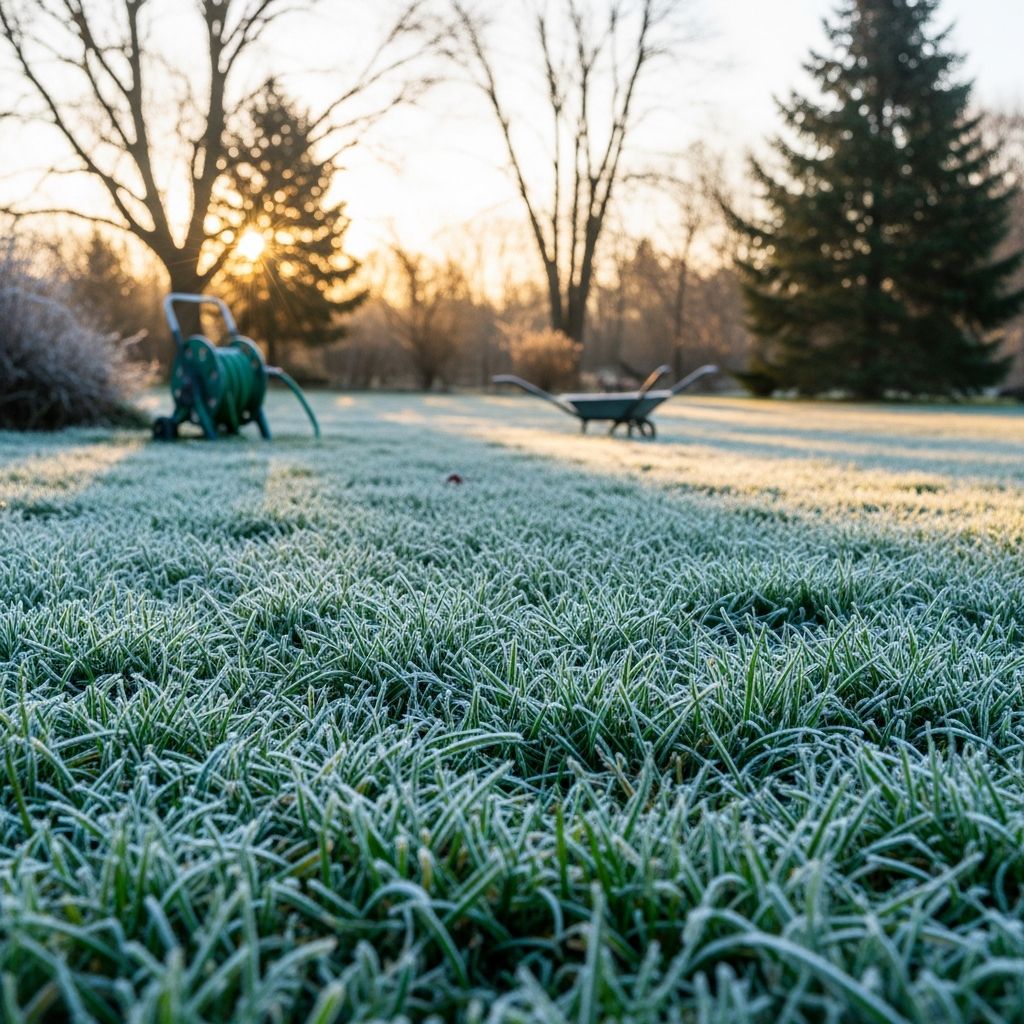
Preparing your lawn for winter is crucial for maintaining its health through cold months and promoting vigorous growth in spring. This process strengthens roots, combats weeds, and prevents diseases, setting the foundation for a lush landscape. Whether you have cool-season or warm-season grass, timely actions in fall make all the difference.
Understanding Grass Types and Winter Behavior
Cool-season grasses like fescue and bluegrass grow actively in fall when temperatures range between 60 and 75°F, entering semi-dormancy in winter. Warm-season varieties such as Bermuda or St. Augustine fully dormat, turning brown and halting growth as cold sets in. Tailor your winterization to your grass type and local climate—regions with frost need earlier prep than mild areas.
Timing Your Winter Prep
Begin 6-8 weeks before the first frost in frosty zones, or mid-to-late fall in milder climates. Monitor soil temperatures; apply preemergence herbicides before they drop to 70°F. This window allows roots to absorb nutrients without spurring fragile top growth.
Final Mowing Practices
Raise mower height for the last cuts to shade soil and reduce weed competition. Cool-season grasses benefit from heights promoting root depth, while warm-season types like St. Augustine stay at 4 inches year-round. Mow until growth stops, avoiding frozen grass, and sharpen blades for clean cuts.
Clearing Debris and Leaf Management
Rake leaves promptly to prevent smothering and fungal issues. Mulch them finely if thin layers form, returning nutrients to soil. Keep the yard clean to avoid matting that blocks air and light.
Weed Control Strategies
Hand-pull weeds early fall to limit competition for nutrients. Apply winter annual preemergence before soil cools. Mow regularly to expose hiding spots, and overseed thin areas to crowd out invaders. On mild days, target roots fully for prevention.
Aeration and Dethatching Essentials
Aerate before frost to relieve compaction, improving water, air, and nutrient flow—vital after summer traffic. Dethatch high-traffic zones to combat buildup blocking drainage. Follow with amendments like compost for better soil structure.
Fertilization for Winter Hardiness
For cool-season lawns, apply high-potassium winterizer (e.g., 10-20-20 NPK) in early September to late October, fueling roots. Warm-season grasses need low-nitrogen or potassium-focused formulas, or skip fall feeding to avoid tender growth. Slow-release products store nutrients for spring use.
| Grass Type | Recommended Fertilizer | Timing | NPK Example |
|---|---|---|---|
| Cool-Season | High Potassium | Early Fall | 5-10-20 |
| Warm-Season | Low N, High K | Late Fall or Skip | 1:1 N:K |
Overseeding for Density
Spread quality seed suited to your region post-aeration, focusing on bare spots. Water frequently—2-3 times daily for 10-15 minutes—until germination. Early fall for cool-season in cold areas; mid-fall in mild zones.
Watering Adjustments
Taper watering as growth slows, providing deep soaks if dry spells hit. Established lawns need less, but new seed demands consistent moisture. Prepare irrigation by blowing out lines before freezes.
Disease and Pest Prevention
Watch for fungal signs; apply systemic or contact fungicides in rainy fall. Fungicides protect systemically or on surfaces. Healthy practices like aeration reduce risks.
Equipment Maintenance
Winterize mowers: clean clippings, drain oil/fuel, store battery safely. Drain hoses and sprinklers to prevent freeze damage.
Post-Winter Care Transition
Minimize traffic on frozen grass. Spring starts with gentle mowing, testing soil, and resuming fertilization once green-up begins.
Frequently Asked Questions
When is the best time to winterize my lawn?
Fall, 6-8 weeks before frost or through November.
Should I fertilize warm-season grass in fall?
Use low-nitrogen potassium-rich formulas or wait for spring.
How often should I water new overseeded grass?
2-3 times daily lightly until germination.
Can I mulch leaves instead of raking?
Yes, if finely shredded and not excessive.
What if my lawn has heavy thatch?
Dethatch before aerating for best results.
References
- How to Winterize Your Lawn — Lawn Love. 2023. https://lawnlove.com/blog/how-to-winterize-your-lawn/
- How to Winterize your Lawn — Simple Lawn Solutions. 2023. https://simplelawnsolutions.com/blogs/lawncare/how-to-winterize-your-lawn
- How to winterize a lawn – 7 steps for lush grass year round — Homes & Gardens. 2023. https://www.homesandgardens.com/gardens/how-to-winterize-a-lawn
- Winter Lawn Care Tips — Scotts Miracle-Gro. 2023. https://scottsmiraclegro.com/en-us/learn/lawn-care/winter-lawn-care-tips.html
- 6 Essential Steps to Winterize Your Lawn — Outback Landscape Inc. 2023. https://www.outbacklandscapeinc.com/blog/follow-these-6-steps-to-protect-your-lawn-from-the-wrath-of-winter
Similar Articles





Read full bio of Sneha Tete