Humidifier Wick Maintenance: Complete Guide For Longevity
Master the art of humidifier wick care to ensure optimal performance, prevent mold, and extend the life of your indoor air humidifier system.
Humidifier Wick Maintenance Guide
Evaporative humidifiers rely on wicks, also known as filters, to draw water from the reservoir and release moisture into the air through evaporation. Proper upkeep of these components is crucial for efficient operation and preventing the spread of contaminants like minerals, bacteria, and mold. This guide explores everything from understanding wick functionality to advanced care strategies, ensuring your device runs smoothly all season.
Understanding the Role of Wicks in Humidifiers
Wicks serve as the core element in evaporative humidifiers, absorbing water and facilitating its transformation into vapor via a fan-driven airflow. Constructed from highly absorbent materials like specialized paper, they trap impurities such as minerals from hard water, keeping them from dispersing into your living space. This filtration process not only humidifies but also contributes to improved indoor air quality, with studies linking evaporative systems to reduced allergy and asthma triggers.
Unlike ultrasonic or steam models, evaporative units depend entirely on the wick for moisture delivery. Without it, the device functions merely as a fan, providing no humidification benefits. Regular attention to wick condition directly impacts humidity levels, energy use, and overall health safeguards in your home.
Why Regular Wick Care Matters for Your Health and Home
Neglected wicks accumulate buildup, fostering bacterial growth and releasing musty odors or airborne particles. Hard water areas exacerbate mineral deposits, shortening wick lifespan and diminishing performance. Clean wicks ensure consistent moisture output, maintain device efficiency, and minimize electricity consumption.
- Health Protection: Prevents dispersal of microbes that could irritate respiratory systems.
- Performance Boost: Restores absorption capacity for steady humidification.
- Cost Savings: Prolongs wick usability, reducing frequent replacements.
- Odor Control: Eliminates stale smells from organic residue.
In regions with well water or high mineral content, maintenance becomes even more vital to counteract discoloration and rapid degradation.
Assessing Wick Condition: Signs It’s Time for Action
Visual and performance cues indicate when intervention is needed. A healthy wick appears white or light-colored, feels pliable, and allows even water wicking. Deterioration shows as:
| Sign | Description | Action Required |
|---|---|---|
| Brown/Yellow Staining | Mineral buildup from water | Clean or replace |
| Hardened Texture | Loss of absorbency | Immediate replacement |
| Visible Mold | Dark spots or fuzz | Discard and sanitize unit |
| Reduced Output | Weak mist from humidifier | Inspect and clean |
| Paper Breakdown | Flaking or separation | Replace wick |
Monitor weekly during peak use, especially in dry winters.
Safe Cleaning Techniques for Extend Wick Life
While some manufacturers advise against cleaning due to the delicate paper composition, practical methods can revive lightly soiled wicks without damage. Avoid aggressive scrubbing or dishwashers, as they disintegrate the material.
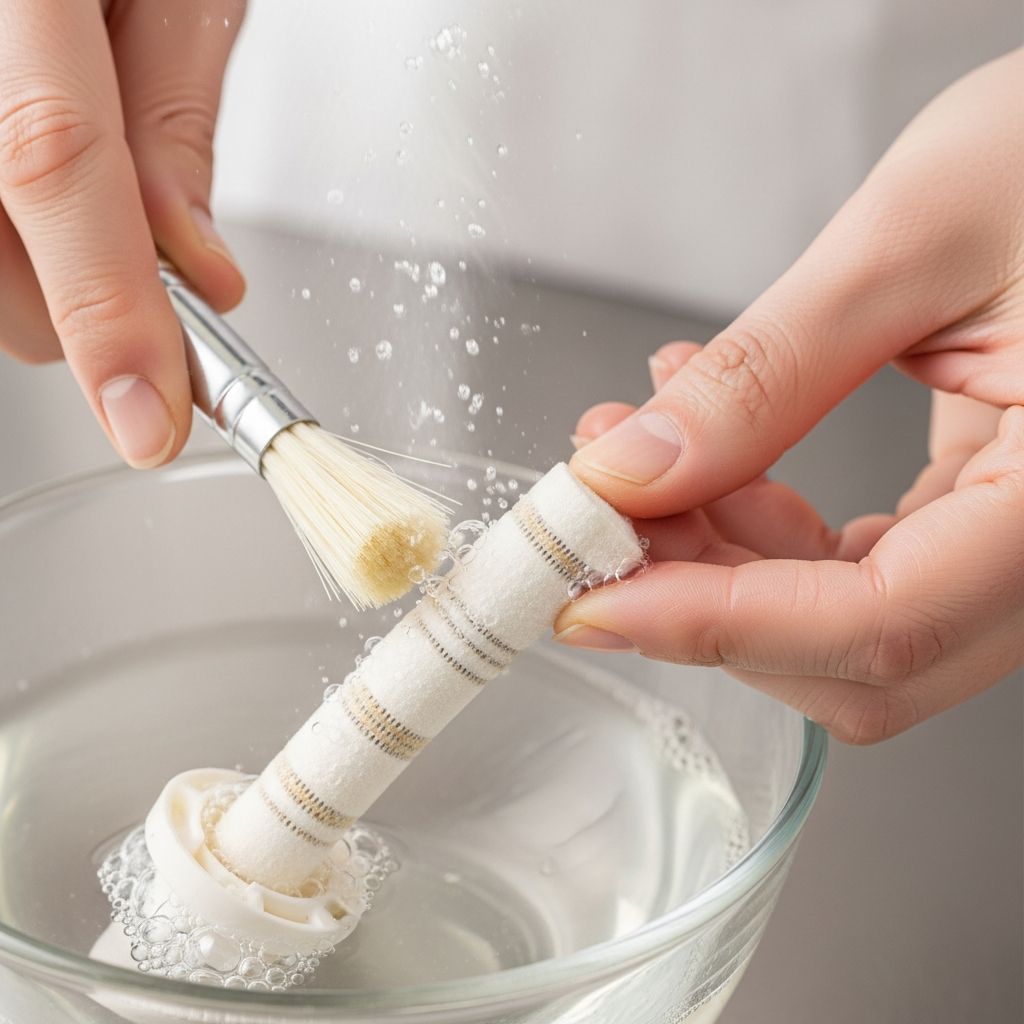
Basic Soak Method
- Remove wick from humidifier and rinse under cool water to dislodge loose debris.
- Fill a basin with warm water and a few drops of mild dish soap or laundry detergent.
- Submerge wick upside down for 10 minutes, then flip and soak the other side.
- Gently agitate without rubbing; add fabric softener (1 tsp) for stiffness relief.
- Rinse thoroughly with fresh water until suds-free.
- Air dry upright on a towel for 24 hours before reinstalling.
This approach, demonstrated in user videos, can extend wick life from 1 week to 6 weeks in hard water conditions. For antibacterial protection, incorporate a manufacturer-recommended bacteriostat solution during soaks.
Frequency Recommendations
Soak every 1-2 weeks for heavy use, adjusting for water hardness. Philips advises regular wick flips during water refills to promote even exposure and reduce bacterial hotspots.
Replacement Schedules and Best Practices
Replace wicks every 30-90 days, more frequently (every 30 days) in hard/soft water areas or with poor maintenance. Track usage with a calendar; high-output whole-house systems may need changes bi-weekly.
- Consult owner’s manual for model-specific intervals.
- Stock multi-packs for convenience from authorized retailers.
- Download manuals or view video tutorials online if originals are lost.
Step-by-Step Replacement Process
- Unplug and disassemble humidifier per manual.
- Discard old wick; wipe reservoir with vinegar solution (1:1 water).
- Insert new wick, ensuring proper alignment and secure fit.
- Test run with fresh water for 30 minutes.
Never operate without a wick, as it bypasses filtration and risks dry-run damage.
Preventive Strategies to Maximize Wick Longevity
Proactive habits reduce buildup and extend intervals between services.
- Use Distilled Water: Minimizes minerals; ideal for hard water homes.
- Daily Draining: Empty reservoir to starve bacteria.
- Bacteriostat Additives: Kills microbes in water, preserving wick.
- Unit Cleaning: Weekly vinegar rinses for tank and base.
- Air Filters: Pair with optional electrostatic/carbon filters for particle and odor control.
Position humidifiers away from walls and furniture to optimize airflow and reduce dust intake.
Advanced Maintenance for Whole-House Systems
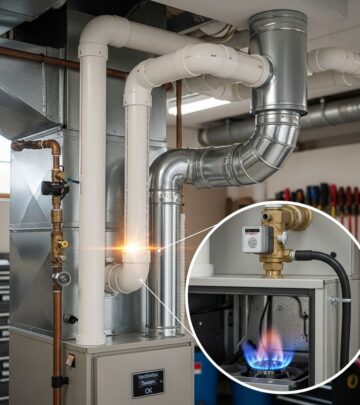
Larger setups with multiple wicks, like those in furnaces, demand scaled-up care. Rotate units quarterly, cleaning all simultaneously. Users report success with hot soapy soaks extending life amid well water challenges. Monitor humidity levels (40-60% ideal) using a hygrometer to avoid over-humidification, which accelerates mold.
Common Mistakes and How to Avoid Them
Steer clear of pitfalls that shorten wick life:
- Using tap water exclusively in mineral-rich areas.
- Skipping dries, leading to mildew.
- Forcing reuse of disintegrating wicks.
- Ignoring odors as “normal.”
Address promptly to safeguard air quality.
FAQs on Humidifier Wick Care
Can I run my humidifier without a wick?
No, it won’t humidify effectively and may damage the unit.
How do I know if my wick needs replacing?
Look for stiffness, discoloration, or output drop; replace every 1-3 months.
Is vinegar safe for cleaning wicks?
Use diluted for the unit, but opt for mild soap soaks on wicks to avoid breakdown.
What if I have hard water?
Increase cleaning frequency and consider distilled water or softeners.
Do all humidifiers use wicks?
Only evaporative types; ultrasonics use membranes.
Troubleshooting Persistent Issues
If cleaning fails, inspect for frame damage or misalignment. Persistent bacteria? Sanitize with bleach solution (1 tsp per gallon, rinse well). For optimal results, combine wick care with full unit deep cleans monthly.
References
- Caring for Your Humidifier Wick — AIRCARE Products. 2023. https://dev.aircareproducts.com/blog/caring-for-your-wick/
- How to Clean Humidifier Filters — YouTube (AIRCARE Digital Whole-House Demo). 2018-02-15. https://www.youtube.com/watch?v=MoL875jbCcQ
- How to Maintain the Wick of Your Humidifier — Philips (YouTube). 2016-10-03. https://www.youtube.com/watch?v=mrdKjhPd6RQ
Similar Articles


Read full bio of Sneha Tete