What Should Basement Humidity Be? Complete Guide
Learn the ideal basement humidity levels and proven methods to control moisture year-round.
What Should Basement Humidity Be? A Complete Guide to Maintaining Optimal Moisture Levels
Basement humidity is a critical factor in maintaining a healthy home environment. Many homeowners struggle with damp basements without fully understanding what constitutes an ideal humidity level or how to achieve it. Understanding the relationship between basement humidity and your home’s overall health is essential for preventing structural damage, mold growth, and other moisture-related problems.
The basement is particularly susceptible to moisture issues because it is partially or fully underground, making it prone to water infiltration and condensation. Controlling basement humidity requires a comprehensive approach that combines monitoring, maintenance, and strategic interventions. This guide will help you understand the ideal humidity levels for your basement and provide practical solutions to maintain them.
Understanding Ideal Basement Humidity Levels
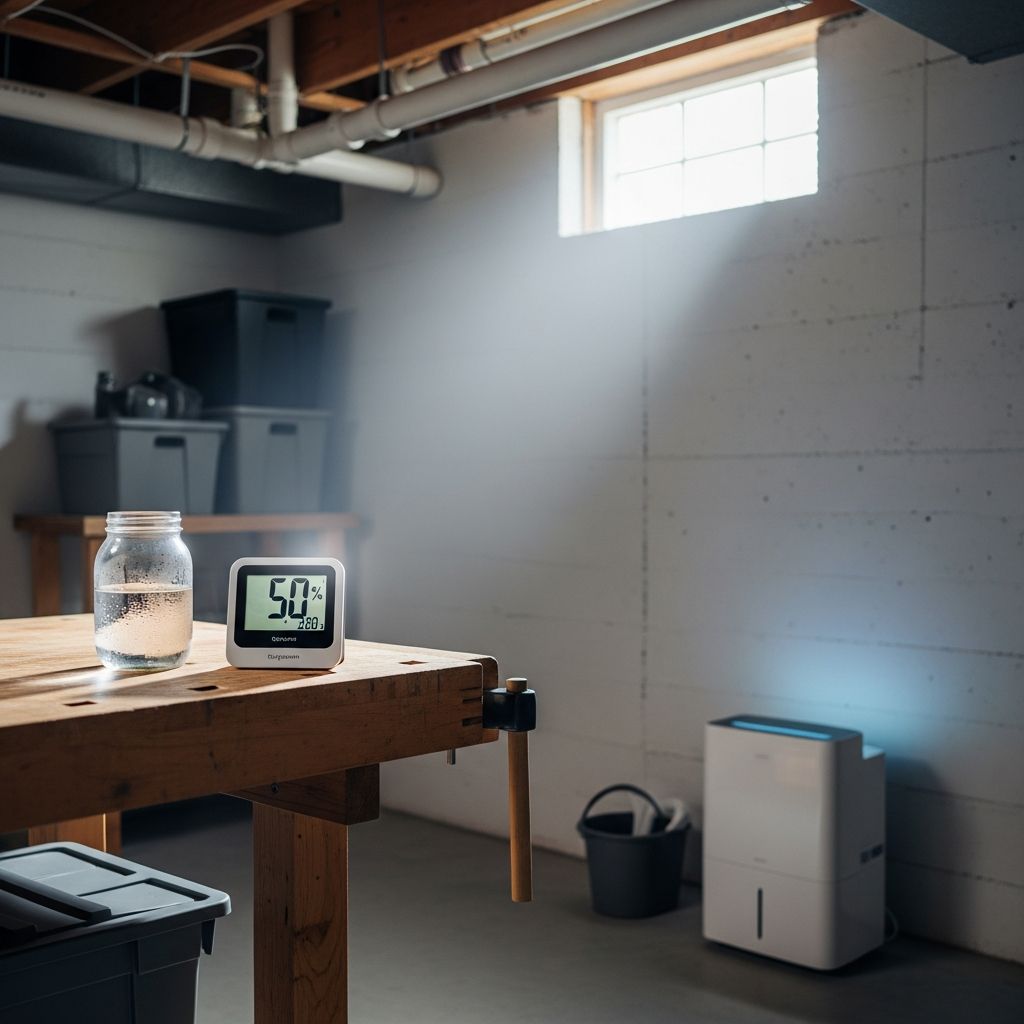
The ideal basement humidity level typically ranges between 30% to 60% relative humidity, with many experts recommending a target range of 40% to 50% as optimal. This range strikes a balance between preventing mold and mildew growth while avoiding the problems associated with overly dry air.
Maintaining humidity below 50% is particularly important for preventing mold proliferation, as mold thrives in environments with higher moisture levels. However, dropping humidity too low—below 30%—can cause materials like wood to become overly dry and brittle, potentially leading to structural issues and increased energy costs for heating and cooling.
Different basement uses may warrant slightly different humidity targets. If you use your basement for storage, entertainment, or as a living space, maintaining humidity closer to 40% is preferable. For basements that house mechanical systems or serve primarily as storage areas, maintaining levels between 40% and 60% is generally acceptable.
Why Basement Humidity Matters
Excess basement humidity creates numerous problems that can affect both your home’s structural integrity and your family’s health. High moisture levels provide the ideal breeding ground for mold and mildew, which can trigger allergic reactions, respiratory problems, and other health issues. Additionally, elevated humidity can cause wood rot, damage to stored items, deterioration of insulation, and an overall musty odor that permeates your home.
When basement humidity exceeds 60%, the risks multiply significantly. Moisture can seep into walls, damage electrical systems, compromise foundations, and encourage pest infestations. The cumulative effect of prolonged high humidity can result in expensive repairs and structural damage that goes undetected until it becomes severe.
How to Measure Basement Humidity
Accurately measuring basement humidity is the first step toward controlling it. A hygrometer is the most practical tool for this purpose. These devices are affordable, easy to use, and provide real-time readings of relative humidity levels. You can purchase a basic hygrometer at most hardware stores for $15 to $30, or invest in a digital smart thermostat with humidity monitoring capabilities.
For ongoing monitoring, place your hygrometer in a central location within your basement, away from direct water sources but in an area that represents the overall basement environment. Take readings at different times of day and during various seasons to understand humidity patterns throughout the year. Many modern humidity monitors can store data and send alerts to your smartphone when levels exceed your target range.
Effective Methods to Reduce Basement Humidity
Installing a Dehumidifier
The most direct and often most effective way to reduce basement humidity is installing a dehumidifier. Dehumidifiers work by drawing moist air into the unit, cooling it to condense the moisture, and expelling drier air back into the space. There are two primary types of dehumidifiers to consider:
Portable Dehumidifiers: These standalone units can be moved around your basement to target specific areas. They work well for smaller basements or localized moisture problems. Portable models require regular emptying of their water collection tanks or connection to a continuous drain system. For optimal performance, place the unit in a central, unobstructed area and ensure proper ventilation around it.
Whole-Home Dehumidifiers: These systems integrate into your home’s HVAC system and can effectively dehumidify your entire house, including the basement. They are more efficient for treating large spaces and require less frequent maintenance than portable units. Professional installation is typically necessary, but these systems offer superior long-term performance.
When selecting a dehumidifier, set the optimal humidity level to 40% to 50% relative humidity and avoid setting it too low, which can unnecessarily dry out materials and increase energy costs. Ensure proper maintenance by regularly cleaning filters and checking drainage systems.
Improving Air Circulation and Ventilation
Stagnant air promotes moisture accumulation and condensation in basements. Improving airflow is a critical component of humidity control. Several strategies can enhance basement ventilation:
Install Fans: Ceiling fans or box fans can effectively circulate air in smaller basements. Strategic fan placement creates cross-ventilation, where air enters from one area and exits another, significantly reducing humidity levels.
Install Fresh Air Ventilators (FAVs): These systems provide a continuous supply of fresh outdoor air while removing stagnant indoor air. FAVs are robust solutions for persistent humidity problems and offer immediate benefits.
Energy Recovery Ventilators (ERVs): These advanced systems improve air circulation while retaining indoor temperatures, making them an energy-efficient option that provides fresh air without heating or cooling losses.
Keep Doors Open: When weather permits, keeping basement doors open helps improve airflow between the basement and the rest of the house. However, this is less effective during humid summer months or in climates with high external humidity.
Exhaust Fans: Installing exhaust fans in basement windows or walls can expel moist air directly to the outside.
Sealing Cracks and Waterproofing
Water infiltration through foundation cracks is a major source of basement moisture. Addressing these structural issues is essential for long-term humidity control:
Seal Foundation Cracks: Inspect your basement walls and floors for visible cracks and seal them using appropriate sealants. Small cracks can be filled with concrete crack filler, while larger gaps may require professional attention.
Apply Waterproof Coatings: Waterproof membranes applied to foundation walls prevent water from seeping into your basement. These coatings create a barrier against moisture and are particularly effective when combined with exterior waterproofing.
Install Sump Pumps: In basements prone to water pooling, a sump pump automatically removes collected water and directs it away from your home’s foundation.
Improving Exterior Drainage
Preventing water from reaching your basement foundation in the first place is the most effective long-term solution. Exterior drainage improvements include:
Clear Gutters and Downspouts: Regularly clean gutters and downspouts to prevent clogs that cause water to overflow and accumulate around your foundation. Ensure downspouts extend at least 4 to 6 feet away from your home.
Install French Drains: A French drain is a trench filled with gravel that redirects surface water away from your home’s foundation. These are particularly effective in areas with poor drainage or sloping yards that direct water toward the house.
Grade the Landscape: Ensure the ground around your home slopes away from the foundation to direct water toward drainage areas rather than toward your basement.
Improving Basement Insulation
Proper insulation regulates basement temperature and prevents condensation, leading to sustained humidity reduction. Consider these insulation approaches:
Spray Foam Insulation: This material is effective for sealing small gaps and providing an airtight barrier against moisture.
Rigid Foam Insulation: Often used for insulating basement walls, rigid foam also provides a moisture barrier.
Vapor Barriers: Adding a vapor barrier on walls before applying insulation prevents further moisture penetration into your basement structure.
Pipe Insulation: Wrapping cold water pipes with insulation prevents condensation that can drip onto floors or walls, contributing to overall humidity levels.
Seasonal Humidity Control Strategies
Basement humidity levels fluctuate throughout the year based on temperature and seasonal weather patterns. Different seasons require adjusted strategies:
Summer: External humidity is typically highest during summer months. Run dehumidifiers at maximum capacity, ensure air conditioning systems are functioning properly, and maintain aggressive ventilation. Avoid opening basement windows and doors during the hottest, most humid parts of the day.
Winter: Cold winter temperatures can cause condensation when warm basement air meets cold foundation walls. Focus on maintaining consistent basement temperature through adequate heating and insulation. Run dehumidifiers as needed and ensure ventilation systems don’t introduce excessive cold air.
Spring and Fall: Transitional seasons often bring variable humidity. Monitor humidity levels closely and adjust dehumidifier settings accordingly. These seasons may offer opportunities to improve ventilation by opening doors and windows during favorable weather conditions.
Monitoring and Maintenance
Maintaining ideal humidity levels requires ongoing attention and regular maintenance. Implement these practices:
Regular Humidity Checks: Use your hygrometer to monitor humidity levels throughout the year and catch potential issues before they become serious.
Dehumidifier Maintenance: Clean or replace filters regularly to prevent clogs and ensure efficiency. Empty water collection tanks or verify continuous drain systems are functioning properly.
Ventilation System Upkeep: Replace HVAC filters according to manufacturer recommendations and schedule annual tune-ups for whole-home dehumidification systems.
Check for Leaks: Inspect your basement regularly for water seepage, leaks, or new water stains that might indicate emerging moisture problems.
Adjust Settings Seasonally: Modify dehumidifier settings based on seasonal humidity patterns and current humidity readings.
Additional Humidity Control Methods
Beyond the primary strategies, several supplementary approaches can contribute to humidity management:
Humidity-Absorbing Materials: Silica gel, calcium chloride, or other desiccants can absorb excess moisture in localized areas. These work best as supplements to primary dehumidification methods rather than standalone solutions.
Remove Moisture Sources: Eliminate unnecessary internal moisture sources such as humidifiers or cooking activities that generate steam. Minimize hanging wet items or drying clothes in the basement.
Air Purification Systems: These systems can filter airborne mold spores and pollutants while supporting overall dehumidification efforts.
When to Seek Professional Help
If basement humidity problems persist despite your efforts, or if you observe significant foundation cracks, structural water damage, or extensive mold growth, professional assistance is warranted. Basement waterproofing contractors can assess your specific situation and recommend customized solutions. HVAC specialists can help design and install whole-home dehumidification systems, while mold remediation professionals can address existing contamination safely.
Frequently Asked Questions
Q: What is the ideal basement humidity level?
A: The ideal basement humidity level ranges from 30% to 60% relative humidity, with 40% to 50% being optimal for most applications. This range prevents mold growth while avoiding the problems associated with overly dry air.
Q: How often should I check my basement humidity?
A: Check humidity levels at least weekly during humid seasons and monthly during drier months. Monitor different times of day and track seasonal patterns to understand your basement’s humidity behavior.
Q: Will a dehumidifier solve all my basement moisture problems?
A: While dehumidifiers are highly effective, they work best as part of a comprehensive approach that includes proper ventilation, waterproofing, drainage improvements, and insulation. A dehumidifier alone cannot address water infiltration issues.
Q: How much does it cost to control basement humidity?
A: Costs vary widely depending on your chosen approach. A portable dehumidifier ranges from $150 to $400, while whole-home systems cost $1,500 to $3,000 or more. Drainage and waterproofing improvements can cost $1,000 to $10,000 depending on scope.
Q: Can I use an air conditioner instead of a dehumidifier?
A: Air conditioners do reduce humidity as a byproduct of cooling, but they are less efficient than dedicated dehumidifiers for moisture removal. In cooler climates or during non-cooling seasons, dehumidifiers are more practical and cost-effective.
Q: What causes basement humidity in the first place?
A: Common causes include water infiltration through foundation cracks, condensation on cold surfaces, poor ventilation, inadequate drainage around the foundation, and excessive internal moisture sources like humidifiers or laundry activities.
References
- The Homeowner’s Guide To Reducing Basement Humidity — Call Mattioni. 2025. https://www.callmattioni.com/blog/t-reduce-basement-humidity/
- How to Control Basement Humidity Year-Round — Ohio State Waterproofing. 2025. https://ohiostatewaterproofing.com/how-to-control-basement-humidity-year-round/
- Guide to Dehumidifying Your Basement Effectively — Lennox. 2025. https://www.lennox.com/residential/lennox-life/consumer/dehumidifying-a-basement
- Moisture in basements: causes and solutions — University of Minnesota Extension. 2025. https://extension.umn.edu/moisture-and-mold-indoors/moisture-basements-causes-and-solutions
- What are the main ways to control moisture in your home? — U.S. Environmental Protection Agency. 2025. https://www.epa.gov/mold/what-are-main-ways-control-moisture-your-home
Similar Articles








Read full bio of medha deb