Finding Your Ideal Tree: A Complete Selection Guide
Master the art of choosing the perfect tree for your landscape
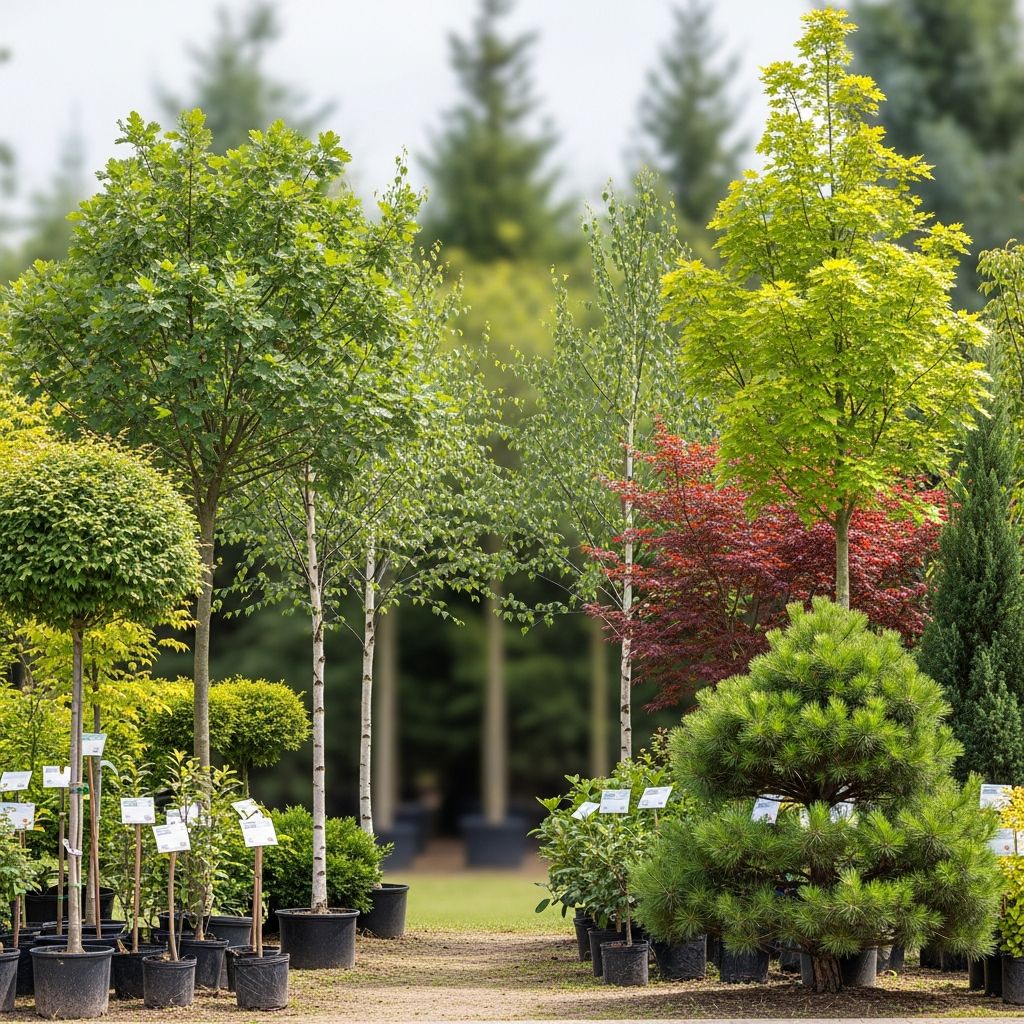
Planting a tree is a significant investment in your landscape that can provide decades of beauty, shade, and environmental benefits. However, the process of selecting the right tree goes far beyond simply choosing one with attractive foliage or flowers. Success depends on matching the tree species to your specific site conditions, understanding your maintenance capacity, and planning for the tree’s mature size. This comprehensive guide will walk you through the essential considerations for making an informed decision that results in healthy, thriving trees.
Understanding Your Landscape Environment
Before visiting a nursery, you need to thoroughly evaluate your property’s unique environmental characteristics. Every landscape presents different challenges and opportunities that will influence which tree species will flourish in your yard.
Assessing Light Conditions
Light availability is one of the most fundamental factors in tree selection. Different tree species have evolved to thrive under different light regimes. Some trees require full sun exposure—at least six to eight hours of direct sunlight daily—while others have adapted to function in partial shade or even dense shade environments. Understanding what your specific planting location receives is crucial. Observe the area throughout the day and across different seasons, as shade patterns change with the angle of the sun. Attempting to grow a sun-loving tree in a shaded location will result in poor growth, weak branch structure, and increased susceptibility to disease and pest problems. Conversely, shade-tolerant species may struggle and become leggy when planted in excessive sunlight.
Evaluating Soil Composition and Drainage
The soil serves as the foundation for your tree’s health, providing both the physical support and the nutrients necessary for growth. Before selecting a tree, understand your soil’s characteristics by conducting a simple test or having it professionally analyzed. Key properties to evaluate include soil type (clay, silt, sand, or loam composition), pH level, nutrient content, and most importantly, drainage capacity.
Poor drainage represents a common challenge that can quickly lead to tree decline. If water stands in your planting area for extended periods, most tree species will suffer from root rot and oxygen deprivation. While some trees can tolerate wet conditions better than others, few truly prefer waterlogged soil. If your site has drainage issues, you can either select a tree species that tolerates moisture better or invest in improving the drainage before planting. Conversely, excessively fast-draining, sandy soils may require organic matter amendments to help retain moisture and nutrients.
Analyzing Temperature and Climate Zones
Temperature patterns and climate conditions vary significantly across regions and even within local areas based on microclimates created by buildings, pavement, and elevation changes. The USDA Hardiness Zone system provides a useful starting point for understanding which tree species can survive the minimum winter temperatures in your area. However, climate considerations extend beyond just cold hardiness—they also include heat tolerance, humidity levels, and average precipitation. A tree thriving in its native climate will display greater vigor, require less supplemental watering, and experience fewer pest and disease problems compared to a tree struggling in unsuitable climatic conditions.
Spatial Planning and Tree Dimensions
One of the most common mistakes homeowners make is selecting a tree based on its appearance at the nursery rather than considering its mature size. A sapling that appears modest in scale can transform into a massive tree that creates problems for your home and landscape.
Planning for Mature Height and Spread
Research the expected mature dimensions of any tree you’re considering. Trees are typically categorized by their growth patterns. Tall, narrow varieties grow vertically with a columnar form, making them suitable for accent plantings or narrow spaces. Spreading or rounded forms develop into wider, more massive specimens ideal for shade provision. Weeping forms cascade downward and work well as specimen plantings or focal points. Understanding the mature height and width ensures you don’t plant a tree that will eventually threaten your home’s foundation, damage your roof, or interfere with utility lines. Position trees appropriately—typically at least as far from structures as their expected mature height.
Proximity to Infrastructure
Overhead power lines represent a significant constraint in tree selection. Large trees growing into power lines create hazardous conditions, require dangerous pruning, and can cause outages. Select trees that will remain below utility line height at maturity, or choose naturally smaller species. Similarly, proximity to your home’s foundation requires care, as trees with aggressive, spreading root systems can damage foundations, lift sidewalks, and clog drainage systems. Trees with non-invasive root systems are better choices near structures and hardscaping.
Creating Appropriate Spacing
When planting multiple trees, spacing becomes critical. Trees planted too closely together will compete for light, water, and nutrients, resulting in weak growth, poor form, and long-term health problems. Each tree needs adequate space to develop a strong branch structure and robust canopy. Consult spacing guidelines based on the tree’s expected mature width, and resist the temptation to overcrowd your landscape for immediate fullness.
Categorizing Trees by Function and Appearance
Trees serve different purposes in the landscape, and understanding these categories helps narrow your selection process.
Shade Trees
Shade trees form the backbone of many landscape designs, providing substantial canopy coverage that reduces cooling costs and creates comfortable outdoor spaces. These trees typically develop broad, spreading crowns and mature to significant size. Classic shade tree choices include oaks, maples, and hickories. While these trees provide tremendous landscape value, their size requires adequate space and planning for overhead utilities.
Flowering Trees
Flowering trees add seasonal interest and beauty to the landscape, though it’s important to recognize that most bloom for relatively short periods—typically two to four weeks annually. This means the tree must provide year-round appeal through attractive foliage, fall color, branching structure, or other characteristics. Popular flowering trees include dogwoods, magnolias, redbuds, and crape myrtles. These varieties often develop elegant forms that serve as focal points even outside their blooming season.
Evergreen Trees
Evergreen trees maintain their foliage year-round, providing consistent visual interest and screening capabilities. These trees range from narrow, columnar forms ideal for creating privacy screens to pyramidal shapes suitable for accent plantings. Evergreens prove particularly valuable in winter landscapes and for masking unsightly views or creating windbreaks.
Ornamental Trees
Ornamental trees are selected primarily for their aesthetic qualities, including branching structure, bark texture, foliage color, or growth form. Many ornamental varieties remain relatively small, making them suitable for urban or suburban landscapes where space is limited. These trees add character and sophistication to garden designs.
Specific Planting Scenarios
Different areas of your yard present unique challenges that require thoughtful tree selection.
Trees Near Driveways
Driveways require special consideration in tree selection. Avoid species with aggressive, invasive root systems that can crack pavement or clog drainage. Similarly, trees that drop excessive leaves, fruits, nuts, seeds, or cones create maintenance headaches and can damage vehicles. Recommended options include river birch, American beech, paper birch, Japanese lilac, Leyland cypress, Rocky Mountain juniper, and Eastern red cedar. These varieties maintain relatively controlled root systems and produce minimal debris.
Trees Near Buildings
When planting near your home, avoid trees with spreading root systems that can damage foundations, drainage systems, or underground utilities. Trees with strong, upright growth habits and contained root systems are better choices. Excellent options include crabapple, American hornbeam, Cornelian-cherry dogwood, Japanese maple, flowering dogwood, and American holly. These trees offer ornamental value without the risks posed by aggressive root systems.
Selecting Quality Nursery Stock
Once you’ve determined which tree species suit your landscape, selecting a healthy specimen from the nursery ensures your investment performs well.
Evaluating Overall Structure
A quality tree should display a balanced, symmetrical shape without bare spots in the foliage or missing limbs. The tree should have a single central leader—the dominant main stem that extends from the trunk to the top of the crown. Check that the branch angles range between 45 and 90 degrees from the trunk; branches closer to 90 degrees develop stronger attachments. Branches should be distributed evenly along the main trunk with adequate spacing between them, typically 6 to 8 inches. Avoid trees with excessively long branches relative to tree height, as these place undue stress on the developing structure.
Inspecting the Trunk and Bark
The trunk should be straight and free from damage, discoloration, swelling, or sunken areas. Examine the bark closely for borer holes or other insect damage. Any wounds should be relatively minor and well on their way to callusing over naturally. Trunk wounds should not exceed one-quarter of the trunk’s circumference.
Assessing the Root Ball
For balled-and-burlapped trees, the trunk should not move independently of the root ball and should be centered within it. Look for visible root flare at the surface of the ball, which indicates you’re obtaining a larger, more established root system. The relationship between root ball size and trunk thickness should appear proportional, without the tree appearing top-heavy.
Maintenance Considerations
Every tree requires ongoing care, particularly during its establishment phase. Understanding the maintenance commitment before purchasing helps ensure long-term success.
Water Requirements
Newly planted trees need consistent watering to establish their root systems. Most trees benefit from weekly deep watering during their first growing season, adjusting for rainfall. Mature trees typically require supplemental watering during drought periods but become largely self-sufficient once established.
Fertilization and Soil Management
While trees can obtain nutrients from the soil, newly planted specimens sometimes benefit from initial fertilization to support establishment. However, over-fertilizing can produce excessive, weak growth. Mulching around the base of the tree helps retain moisture, regulate soil temperature, and suppress competing vegetation.
Pruning and Structural Development
Young trees benefit from selective pruning to encourage strong branching architecture and remove crossing or poorly angled limbs. Once established, most trees require minimal pruning beyond removing dead, diseased, or hazardous branches. Trees naturally suited to your site conditions and climate will require less intensive management than those struggling in unsuitable environments.
Decision-Making Framework
| Selection Factor | Questions to Consider | Impact on Tree Health |
|---|---|---|
| Light Availability | How many hours of direct sun does the location receive? | Critical—mismatched light causes weak growth and disease susceptibility |
| Soil Conditions | What is the soil type, drainage, and pH? | Essential—poor drainage and unsuitable pH limit nutrient availability |
| Mature Size | How tall and wide will the tree become? | High—improper sizing causes structural conflicts and unhealthy pruning |
| Climate Match | Is the species appropriate for your hardiness zone? | Very High—climate-mismatched trees face survival challenges |
| Maintenance | Can you commit to needed watering and care? | High—inadequate maintenance during establishment phase causes failure |
Frequently Asked Questions
What is the best time of year to plant trees?
Spring and fall generally represent the optimal planting seasons in most climates. These periods feature mild temperatures and adequate moisture, supporting root establishment without the stress of extreme heat or cold. However, trees purchased in containers can be planted throughout the year if watered adequately. Balled-and-burlapped trees are typically planted in spring in northern regions.
How do I know if a tree has invasive roots?
Research the specific species before purchasing. Trees with reputations for aggressive root systems include willows, poplars, maples, and some fruit trees. Your local nursery staff or arborist can provide guidance on root behavior for specific species in your region.
Can I plant multiple trees close together to create faster density?
Planting trees too closely creates long-term problems including competition for resources, reduced light penetration to the canopy, and poor overall tree form. Follow recommended spacing guidelines based on mature tree width, even if it means waiting a few years for your landscape to fill in.
Should I fertilize newly planted trees?
Most newly planted trees benefit from moderate fertilization to support establishment, but avoid excessive feeding that produces weak, leggy growth. Follow nursery recommendations for the specific species and your soil conditions.
How often should I water a newly planted tree?
Most newly planted trees require weekly deep watering during their first growing season, adjusting for rainfall. Once established (typically after one to two years), trees become increasingly self-sufficient, though supplemental watering during drought periods remains important for optimal health.
Conclusion and Next Steps
Selecting the right tree for your yard is a process that rewards careful consideration and planning. By thoroughly evaluating your site conditions, understanding tree requirements and characteristics, and selecting healthy nursery stock, you establish the foundation for decades of landscape beauty and environmental benefits. Take time to document your site’s light exposure, soil characteristics, available space, and climate conditions. Research tree species that match these parameters, consult with local nursery professionals or arborists if needed, and invest in quality specimens from reputable sources. The effort invested in proper selection vastly reduces maintenance needs, minimizes the likelihood of tree failure, and ensures your landscape thrives for generations.
References
- Guide on How to Choose A Tree to Plant: Planning & Selecting — The Davey Tree Expert Company. Accessed April 2026. https://blog.davey.com/guide-on-how-to-choose-a-tree-to-plant-planning-selecting/
- Tree Selection Guide — Cleveland Botanical Garden (Holden Forests & Gardens). Accessed April 2026. https://holdenfg.org/blog/tree-selection-guide/
- Choosing the Right Tree or Shrub for Your Area – Tree Planting and Care — Minnesota Department of Natural Resources. Accessed April 2026. https://www.dnr.state.mn.us/treecare/righttree-shrub.html
- Find the Perfect Tree for Your Home Garden — Garden Design Magazine. Accessed April 2026. https://www.gardendesign.com/trees/
- Selecting the Right Tree for Your Landscape Project — Love Your Landscape. Accessed April 2026. https://www.loveyourlandscape.org/expert-advice/tree-care/tree-selection/selecting-the-right-tree-for-your-landscape-project/
- How to Choose and Plant a Tree — American Forests. Accessed April 2026. https://www.americanforests.org/how-to-choose-and-plant-a-tree/
Similar Articles







Read full bio of medha deb