Identifying Your Home’s Radiator System Type
Master the art of distinguishing between steam and hot water radiators for better home maintenance.
Understanding Your Home’s Heating System: A Practical Guide to Radiator Identification
Many homeowners remain uncertain about the type of heating system in their homes. Whether you’re planning renovations, conducting maintenance, or simply curious about your property’s heating infrastructure, knowing whether your radiators operate on steam or hot water is fundamentally important. This distinction influences everything from repair costs to system efficiency and maintenance requirements. Understanding these differences will empower you to make better decisions regarding your home’s comfort and long-term heating needs.
Visual Characteristics and Physical Appearance
The most immediate way to identify your radiator system is through careful visual inspection. Steam radiators and hot water radiators display distinctly different physical characteristics that can be observed without any technical knowledge or specialized equipment.
Size and Structural Design
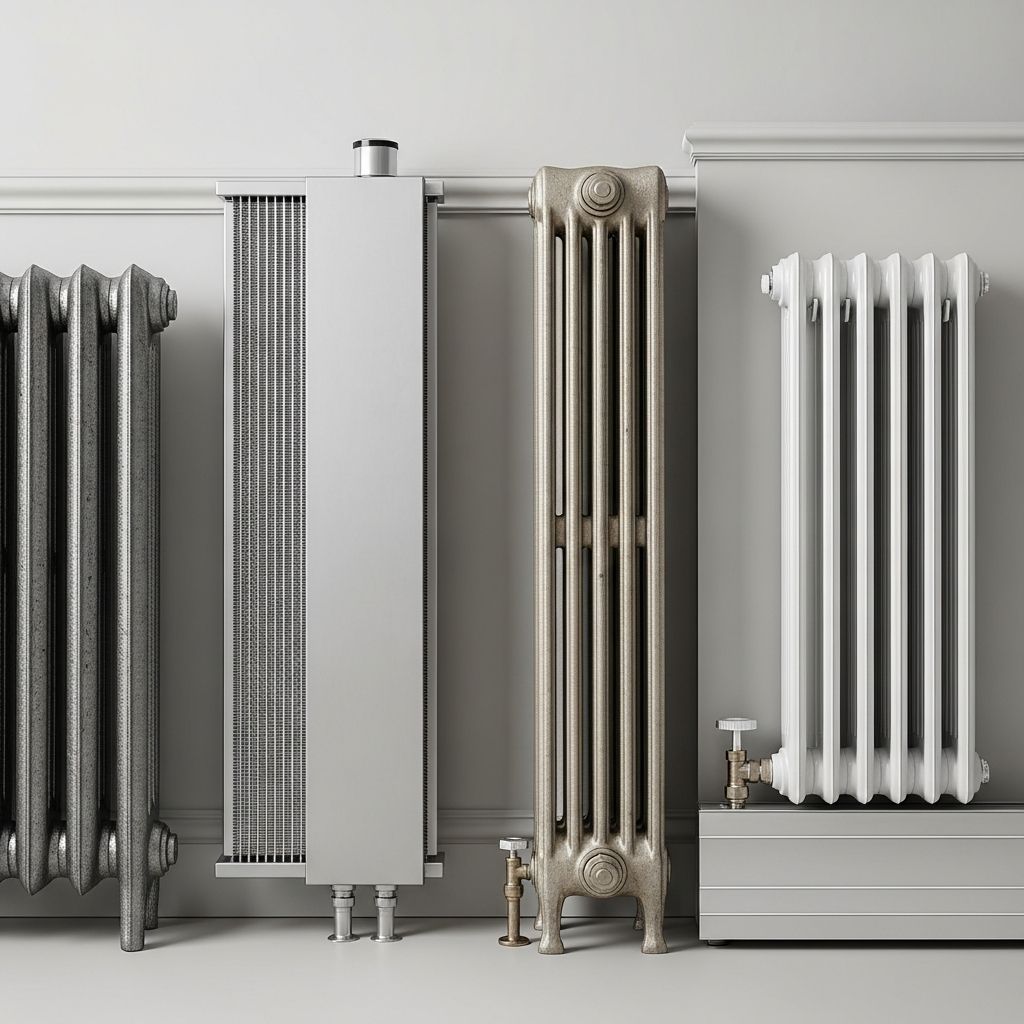
Steam radiators tend to be significantly larger and more imposing than their hot water counterparts. They typically feature a more robust, bulky construction that reflects their need to handle higher operating pressures. These radiators usually maintain a vertical orientation and often have a more traditional, columnar appearance with distinctive sections stacked upon one another. In contrast, hot water radiators are generally more compact and refined in design. They may be oriented either horizontally or vertically and frequently feature intricate fin patterns or multiple circulation channels designed to maximize heat distribution efficiency. The visual difference is often substantial enough that experienced observers can identify system type simply by walking through a building.
Piping Configuration
The way pipes connect to radiators provides another crucial visual clue. Steam radiators typically operate on a single-pipe system, meaning steam and condensate must share the same narrow pathway—steam travels up while water returns down through the identical pipe. Hot water radiators, by contrast, utilize separate supply and return pipes that allow water to flow freely in dedicated directions throughout the entire system. This fundamental difference in piping architecture creates very different operational dynamics and efficiency profiles.
Operational Observations and Behavioral Clues
Beyond visual inspection, observing how your radiators actually function during heating cycles provides valuable diagnostic information.
Heat Delivery Patterns
Steam radiators deliver heat through a distinctive pattern. When the system activates, you’ll typically notice that steam rises through the radiator and heat is dispersed rapidly. Since steam does not require circulation through pumps to function, the heating happens relatively quickly once the system pressurizes. However, steam systems often produce uneven heating, with some areas receiving adequate warmth while others remain cooler due to steam following the path of least resistance through the piping network. Hot water radiators, by contrast, provide more consistent and controllable heat distribution. The circulating hot water—typically maintained between 140 and 180 degrees Fahrenheit—flows through the radiator sections in a more predictable manner, creating gentler and more uniform warming throughout the heated space.
Auditory Indicators
Listen carefully to your radiators during operation. Steam systems are notorious for producing distinctive sounds—clanking, banging, and hissing noises are common as steam and condensate navigate the single-pipe system. These sounds occur because of the pressure differential and the challenges inherent in managing phase changes within a shared pathway. Hot water systems typically operate much more quietly. The consistent flow of heated water through separate supply and return lines produces minimal noise, creating a nearly silent heating experience.
The Boiler System: A Definitive Indicator
Examining your heating system’s boiler provides perhaps the most reliable method for determining your radiator system type.
Boiler Appearance and Configuration
Steam boilers are typically substantially larger than hot water boilers and may present either cylindrical or rectangular shapes. They often feature visible pipes that connect prominently to the radiator network, and they have a more industrial appearance reflecting the higher pressures they must maintain. Hot water boilers, by contrast, are generally more compact and streamlined. They often include visible circulation pumps, pressure gauges calibrated for lower operating pressures, and may feature a more integrated, modern appearance.
Pressure and Safety Components
Steam heating systems must maintain pressure between 15 and 75 PSI (pounds per square inch) to function properly. Consequently, steam boilers feature pressure relief valves, sight glasses, and robust safety mechanisms designed to handle these elevated pressures. Hot water boilers operate at significantly lower pressures and incorporate different pressure regulation equipment. Examining the boiler’s pressure gauge and associated safety components can definitively indicate system type.
Valve and Component Analysis
The specific valves and internal components of radiators reveal critical information about system compatibility and operation.
Bleeder Valves versus Steam Traps
Hot water radiators feature bleeder valves located at the top of the radiator sections. These small valves allow trapped air to escape from the heating lines, ensuring proper water circulation. Steam radiators, by contrast, have steam traps positioned lower than the middle of the radiator section. Steam traps serve the crucial function of allowing condensate (the liquid water that forms when steam cools) to drain from the radiator while preventing steam from escaping. The location and function of these valves differ fundamentally between the two systems.
Internal Valve Architecture
The internal structure of radiator valves differs significantly between system types. Steam radiator valves are engineered to allow water and condensate to drain freely and completely when opened. Hot water radiator valves feature smaller internal openings that may restrict drainage unless oriented precisely. This difference reflects the fundamentally different requirements of each system—steam systems need rapid drainage paths to prevent water from blocking steam flow, while hot water systems can operate with more restricted flow patterns.
Comparative Analysis: Key System Differences
| Characteristic | Steam Radiators | Hot Water Radiators |
|---|---|---|
| Operating Temperature | 212°F at atmospheric pressure, higher at elevated pressures | 140-180°F typically |
| System Pressure | 15-75 PSI | Low pressure systems |
| Piping Configuration | Single-pipe system (shared pathway) | Separate supply and return pipes |
| Heat Distribution | Rapid but uneven | Slower but consistent |
| Circulation Method | Gravity-driven, no pump required | Pump-driven circulation |
| Size Characteristics | Larger, bulkier appearance | Smaller, more compact |
| Noise Level | Audible clanking and hissing | Relatively quiet operation |
Maintenance and Compatibility Implications
Understanding your system type has practical importance for maintenance and repairs. Hot water radiators can sometimes function on steam systems if properly configured, but steam radiators cannot be used on hot water systems unless specifically adapted. Using incompatible radiators can result in significant leaks and system inefficiency. Additionally, the internal components of steam radiators—including threaded nipples, gaskets, and push nipples—experience faster wear due to high temperatures and pressure fluctuations. These components have reduced life expectancy compared to those in hot water systems. If you’re considering replacing or relocating radiators, understanding these compatibility issues prevents costly mistakes.
Energy Efficiency Considerations
The choice between steam and hot water systems involves important efficiency trade-offs. Hot water systems generally prove more energy-efficient because heated water retains heat longer and transfers it more effectively. The controlled circulating flow through dedicated pipes creates more predictable heating patterns. Steam systems, while capable of rapid heat delivery due to steam’s higher heat-carrying capacity, often distribute heat less evenly throughout buildings. Steam follows the path of least resistance, potentially leaving some areas underheated despite higher overall system capacity. Large buildings or extremely cold climates may benefit from steam’s heat-carrying advantages, while most residential applications favor hot water’s efficiency and control characteristics.
Safety Features and Considerations
Steam and hot water systems present different safety profiles. Hot water systems operate at lower pressures, eliminating explosion risks associated with high-pressure vessels. Additionally, hot water at typical operating temperatures poses less severe burn hazards compared to steam exposure. Steam systems require more rigorous safety precautions, including pressure relief valves, robust containment, and careful handling procedures. These additional safety requirements reflect steam’s inherent dangers and energy density.
Frequently Asked Questions
Q: Can I convert a steam radiator system to hot water?
A: While possible, conversion requires significant modifications including replacing the boiler, installing circulation pumps, reconfiguring piping to dual-pipe systems, and potentially replacing or restoring radiators. Professional assessment is essential before undertaking such extensive work.
Q: What happens if I install a steam radiator on a hot water system?
A: Installing incompatible radiators results in major joint leaks due to design differences in internal components. The radiator would require complete restoration with new gaskets, nipples, and seals before functioning properly on a hot water system.
Q: Why does my steam radiator make so much noise?
A: Steam radiator noise results from steam condensing into water within the single-pipe system. This phase change creates pressure differentials and water hammer effects as steam and condensate navigate the shared pathway. Regular bleeder valve maintenance and proper system balancing reduce noise.
Q: Which system is more reliable?
A: Both systems can be reliable when properly maintained. Hot water systems generally require less frequent servicing due to lower pressures and simpler operating mechanics. Steam systems demand more vigilant maintenance to prevent corrosion, scale buildup, and pressure-related issues.
Q: How can I improve my radiator system’s efficiency?
A: For steam systems, ensure bleeder valves function properly, maintain appropriate boiler pressure, and insulate pipes to reduce heat loss. For hot water systems, verify pump operation, maintain proper water temperature settings, and consider thermostatic radiator valves for room-by-room control.
References
- Hot Water vs. Steam Cast Iron Radiators — ECORAD. 2024. https://ecoradinc.com/blog-hot-water-vs-steam/
- What is the Difference Between a Hot Water and Steam Heating System? — Tower Water. 2024. https://towerwater.com/what-is-the-difference-between-a-hot-water-and-steam-heating-system/
- Steam Radiators vs. Hot Water Radiators [Quick Overview] — Home Caprice. 2024. https://homecaprice.com/hvac-technician/
- Unveiling the Pros and Cons of Steam vs. Hot Water Heating — Entech Smart. 2024. https://entechsmart.com/unveiling-the-pros-and-cons-of-steam-vs-hot-water-heating/
- How to Tell if Your Home is Heated with a Hot Water or Steam System — Modern Warmth. 2024. https://www.modernwarmth.com/blogs/news/how-to-tell-if-your-home-is-heated-with-a-hot-water-or-steam-system
Similar Articles







Read full bio of medha deb