Indoor Herb Gardening Guide
Transform your home into a thriving herb haven with these expert tips for year-round fresh flavors from windowsill pots.
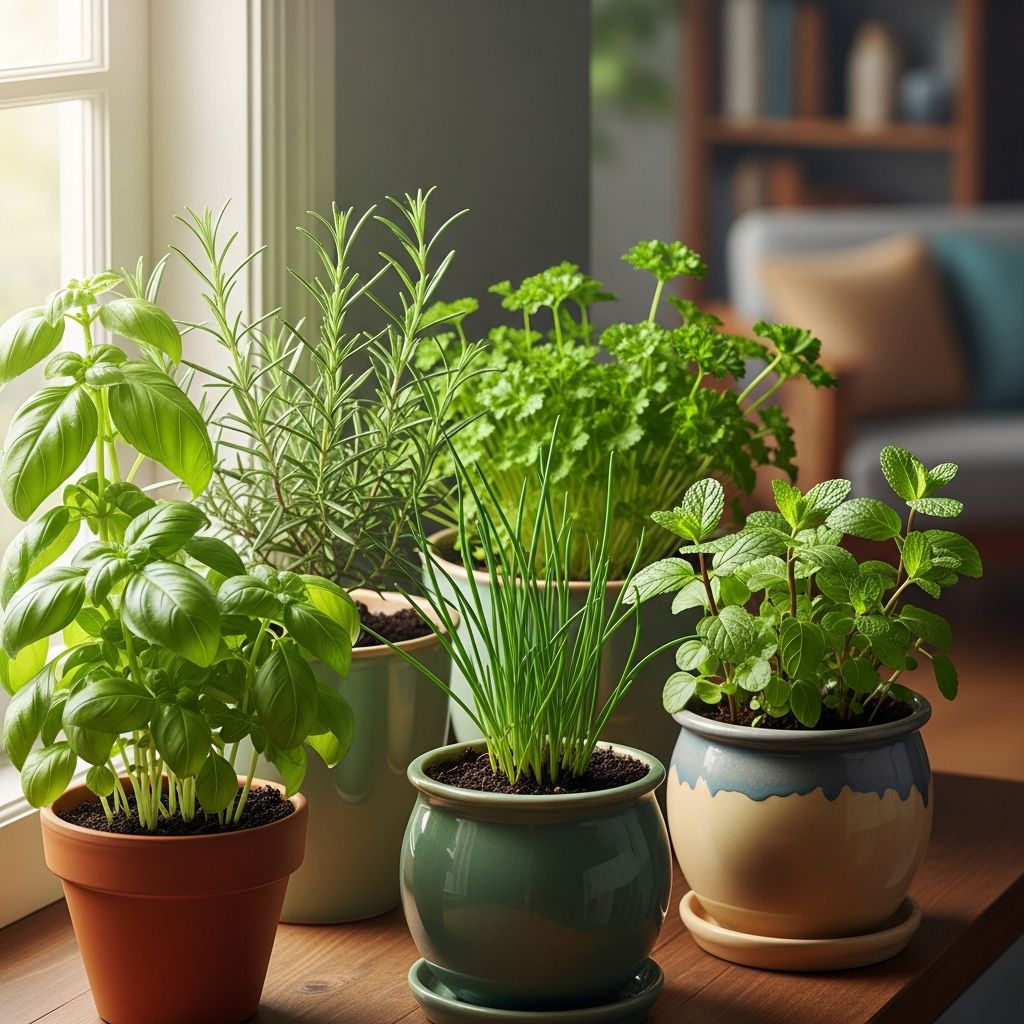
Bringing the garden inside allows anyone, even in small urban spaces, to enjoy fresh herbs daily. This guide covers everything from setup to maintenance for a productive indoor herb collection.
Why Cultivate Herbs in Your Home?
Indoor herb growing provides fragrant greenery, enhances cooking with fresh flavors, and adds visual appeal to any room. Herbs like basil and mint thrive inside, offering continuous harvests without outdoor space.
Benefits include a steady supply of leaves for meals, improved air quality from aromatic foliage, and the satisfaction of nurturing plants year-round. Even in low-light apartments, certain varieties flourish near windows.
Choosing the Perfect Herbs for Indoor Success
Select herbs suited to container life with shallow roots and tolerance for indoor conditions. Prioritize those needing moderate light and humidity.
- Basil: Loves warmth and bright light; pinch tops for bushiness.
- Mint: Vigorous grower; keep in separate pots to prevent takeover.
- Thyme: Woody perennial; handles drier soil well.
- Oregano: Compact and flavorful; ideal for Mediterranean dishes.
- Chives: Easy from onion family; regrow after cutting.
- Parsley: Biennial; thrives in partial shade.
- Rosemary: Needs more sun; upright growth suits shelves.
- Lemon Balm: Mint relative; calming scent for teas.
Annuals like basil complete their cycle in one season, while perennials such as thyme and sage can last years indoors.
Essential Equipment for Your Setup
Start with quality basics to mimic outdoor conditions indoors.
Containers and Drainage
Choose pots 6 inches deep with drainage holes to prevent root rot. Herbs dislike wet feet, so use saucers to catch excess water.
| Herb Type | Ideal Pot Size | Drainage Needs |
|---|---|---|
| Shallow-rooted (basil, chives) | 6 inches deep | High; holes essential |
| Woody (rosemary, thyme) | 8-10 inches | Moderate; allow drying |
| Vining (mint) | Separate 6-inch pots | High; barrier cloth |
Weed barrier fabric over holes keeps soil in place during watering.
Soil Mix Mastery
Opt for well-draining potting mix with compost. A blend of 70% potting soil, 20% perlite, and 10% compost ensures aeration and nutrients.
Top with 2-3 inches of organic compost like mushroom-based for a nutrient boost. Avoid garden soil, which compacts and harbors pests.
Finding the Ideal Growing Location
Light is crucial: aim for 6+ hours of sun from a south-facing window. Most herbs need this intensity indoors.
- South windows: Basil, rosemary, oregano.
- West or east: Mint, parsley, thyme.
- Low light: Chives, cilantro, lemon balm.
Rotate pots weekly for even growth. Supplement with grow lights if natural light falls short, positioning 6-12 inches above plants for 12-16 hours daily.
Maintain 65-70°F temperatures, typical for homes. Avoid drafts or heaters.
Planting Your Indoor Herb Garden
Source healthy starts from local nurseries over big-box stores for better adaptation.
- Separate multi-plant pots gently by roots.
- Fill container halfway with soil mix.
- Position plants at original depth, spacing 2-4 inches apart.
- Backfill, firm soil, and water thoroughly.
For seeds, sow in shallow trays; thin to strongest seedlings. Garlic cloves go pointy-end up, 1 inch deep.
Create multi-herb planters (12+ inches wide) for variety: drape trailing types like thyme on edges.
Watering and Feeding Routines
Water when top inch of soil dries; basil needs consistent moisture, while rosemary prefers drier conditions.
Use room-temperature water. Overwatering causes yellow leaves; underwatering wilts them.
Fertilize sparingly spring through summer: dilute houseplant formula to 1/4 strength every other watering.
Pruning, Harvesting, and Propagation
Harvest regularly to encourage growth: snip outer leaves, never more than one-third at once.
- Basil: Pinch flower buds.
- Mint: Cut stems above nodes.
- Chives: Snip 2 inches from base.
Propagate by stem cuttings in water: roots form in 1-2 weeks for replanting.
Troubleshooting Indoor Herb Issues
| Problem | Symptoms | Solution |
|---|---|---|
| Leggy growth | Long stems, few leaves | Increase light exposure |
| Yellow leaves | Wilting or dropping | Check drainage, reduce water |
| Pests (aphids) | Sticky residue, bugs | Insecticidal soap, isolate |
| No flavor | Bland taste | More sun, harvest often |
Humidity boosts: pebble trays or misting for tropicals like basil.
Advanced Techniques: Hydroponics and Vertical Gardens
Soil-free hydroponics uses nutrient water and LED lights, perfect for low-space setups.
Vertical wall planters maximize apartments: stack pots on racks near light sources.
Seasonal Care Adjustments
Winter: Reduce water, increase light. Summer: More frequent watering, ventilate.
Perennials overwinter well; replant annuals yearly.
Recipe Ideas with Homegrown Herbs
- Pesto: Blend basil, garlic chives.
- Infused Water: Mint, lemon balm.
- Roasts: Rosemary, thyme.
Frequently Asked Questions
Can all herbs grow indoors?
No, stick to shallow-rooted, light-tolerant types like those listed.
How often to water indoor herbs?
When top soil dries; varies by herb and season.
Do I need grow lights?
Only if windows provide less than 6 hours sun.
Can I grow herbs from kitchen scraps?
Yes, basil stems or green onion bottoms root easily.
Why are my herbs flowering?
Stress or maturity; pinch off to prolong leaf production.
References
- Indoor Herb Gardening How-to | Bonnie Plants — Bonnie Plants. 2023. https://bonnieplants.com/blogs/garden-fundamentals/how-to-grow-herbs-indoors
- How to Start an Herb Garden Indoors — Gardenary. 2023. https://www.gardenary.com/blog/how-to-start-an-herb-garden-indoors
- The Ultimate Guide To Grow Herbs Inside — StoneGable. 2023. https://stonegableblog.com/grow-herbs-indoors-the-ultimate-gudie/
- Growing Herbs as Houseplants — Penn State Extension. 2023. https://extension.psu.edu/growing-herbs-indoors/
- Indoor Herb Gardens – The Definitive Guide For Beginners — The Ripe Tomato Farms (YouTube). 2023. https://www.youtube.com/watch?v=uHLChW4R5vw
Similar Articles



Read full bio of medha deb