Indoor Lily Care: Complete Guide For Thriving Peace Lilies
Unlock the secrets to thriving indoor lilies with expert tips on light, water, soil, and more for lush growth and vibrant blooms.
Mastering Indoor Lily Care: A Complete Handbook
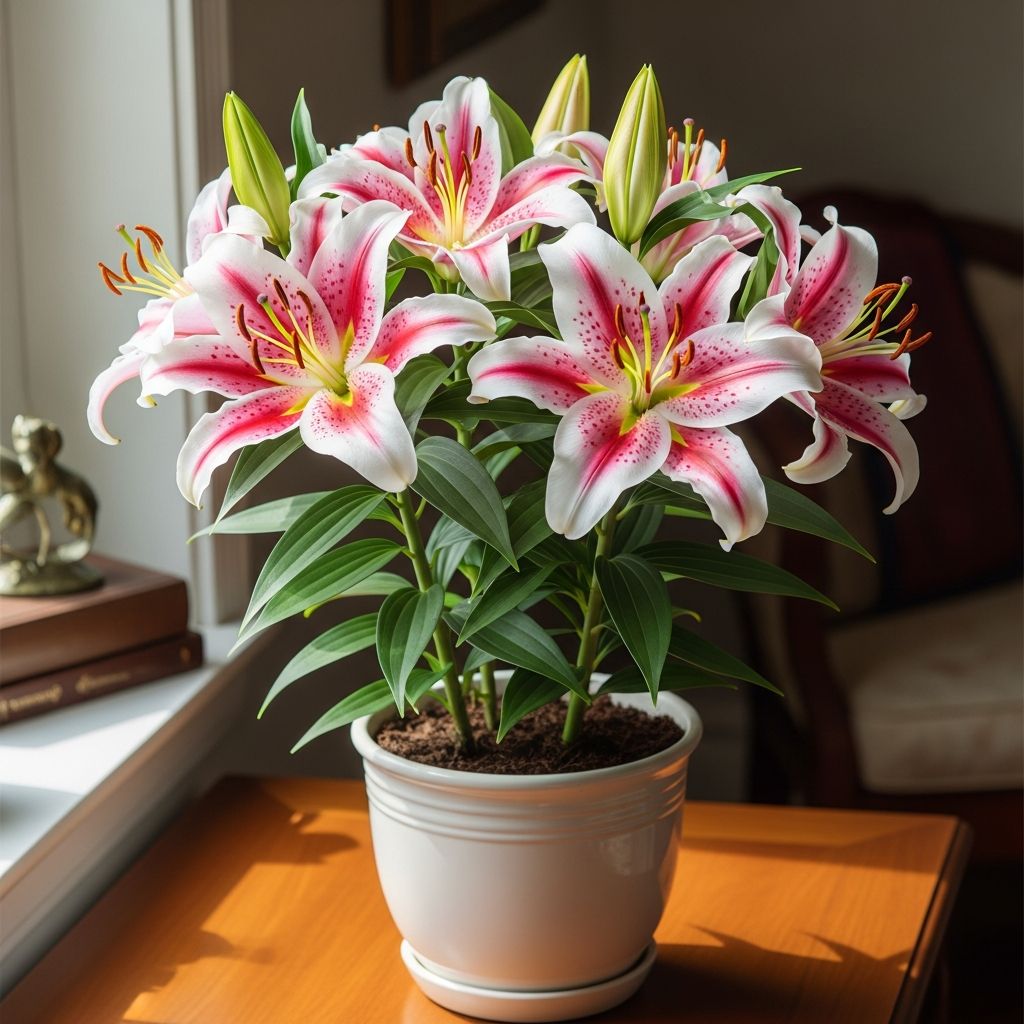
Indoor lilies, particularly popular varieties like peace lilies, bring a touch of tropical elegance to homes and offices. These resilient plants feature glossy green leaves and striking white spathes that resemble flowers, purifying air while enhancing aesthetics. Success with these houseplants hinges on replicating their natural rainforest habitat through precise care routines. This guide delves into every aspect, from placement to propagation, empowering you to cultivate thriving specimens.
Optimal Placement and Lighting Essentials
Selecting the right spot is foundational for indoor lily vitality. These plants flourish in
bright, indirect light
, emulating shaded forest floors. Position them near north- or east-facing windows where sunlight filters through sheer curtains, avoiding harsh direct rays that scorch delicate foliage.Low light tolerance makes them ideal for dimmer interiors, though blooms may diminish without sufficient brightness. Rotate pots weekly for even growth, preventing leggy stems. In darker rooms, supplement with grow lights set to 12-14 hours daily, maintaining a 6-12 inch distance to mimic natural illumination.
- Ideal light levels: 1,000-2,000 foot-candles
- Avoid south/west windows without shading
- Monitor for pale leaves signaling insufficient light
Watering Techniques for Consistent Moisture
**Consistent soil moisture** without waterlogging defines perfect hydration. Water when the top 1-2 inches of soil feel dry to the touch, typically every 5-7 days depending on environment. Use room-temperature, filtered, or rainwater to sidestep chemical sensitivities in tap water.
Drooping leaves serve as a dramatic alert for thirst—revive by thorough soaking, then drain excess to avert root rot. Overwatering manifests as yellowing leaves and mushy roots; always empty saucers after 30 minutes. In humid climates, extend intervals; in dry ones, check daily.
| Season | Watering Frequency | Soil Check |
|---|---|---|
| Spring/Summer | Every 5 days | Top inch dry |
| Fall/Winter | Every 7-10 days | Top 2 inches dry |
| High Humidity | Every 7 days | Moist but not soggy |
Humidity and Temperature: Creating a Tropical Microclimate
Peace lilies demand
high humidity
(40-60%) and moderate temperatures (65-80°F or 18-27°C). Bathrooms or kitchens provide natural steam; elsewhere, mist leaves 2-3 times weekly or use pebble trays with water beneath pots.Maintain steady warmth, shielding from drafts, heaters, or cold windows. Sudden fluctuations cause wilting—aim for human-comfortable conditions. Group with other plants to foster collective humidity, or employ humidifiers for optimal results.
Soil Selection and Repotting Strategies
Well-draining, peat-based potting mix enriched with perlite or orchid bark ensures aeration and moisture retention. Avoid garden soil, which compacts and harbors pathogens. Pots should be snug—peace lilies prefer root-bound states, blooming best when slightly crowded.
Repot annually in spring if roots emerge from drainage holes or wilting persists despite watering. Choose pots 1-2 inches larger, using fresh mix. Divide clumps during repotting: gently separate rhizomes, ensuring each section has roots and shoots, then replant at the same depth.
- Water plant thoroughly day before
- Remove from pot, shake off old soil
- Tease apart clumps
- Plant in new container with drainage
- Water sparingly initially
Fertilization Schedules for Robust Growth
Diluted, balanced liquid fertilizer (20-20-20 at 1/4-1/2 strength) every 6-8 weeks during spring-summer fuels blooming. Overfeeding burns tips—skip winter applications when growth slows.
Incorporate into regular watering, flushing soil monthly with plain water to prevent salt buildup. Organic options like worm castings offer gentle nutrition for sensitive roots.
Pruning, Cleaning, and Maintenance Routines
Regular
leaf wiping
with a damp cloth removes dust, enhancing photosynthesis. Prune yellowed or browned leaves at the base with sterilized shears, and snip spent spathes to redirect energy.Brown tips often stem from low humidity, fluoride in water, or fertilizer excess—trim minimally to avoid stress. Promote bushiness by pinching stem tips.
Pest Management and Disease Prevention
Mealybugs, spider mites, and aphids occasionally infest; inspect undersides weekly. Isolate affected plants, then wipe with neem oil or insecticidal soap. Prevent by quarantining newcomers and maintaining hygiene.
Root rot from overwatering requires repotting in sterile soil after trimming decayed roots. Fungal issues yield to improved airflow and reduced moisture.
Propagation Methods for Expanding Your Collection
Divide mature plants during repotting for effortless multiplication. Stem cuttings root in water or soil, sprouting in 4-6 weeks under high humidity and indirect light.
- Select healthy rhizomes with 2-3 leaves
- Plant in moist mix, cover with plastic
- Transplant once rooted
Troubleshooting Common Lily Problems
Address issues systematically:
- No blooms: Increase light/fertilizer; ensure cool nights
- Drooping: Water immediately or check drafts
- Brown edges: Boost humidity, use filtered water
- Yellow leaves: Reduce watering, inspect roots
Frequently Asked Questions (FAQs)
Are indoor lilies pet-safe?
Peace lilies are toxic if ingested, causing oral irritation in pets. Place out of reach.
How do I revive a wilting lily?
Soak thoroughly; recover within hours if thirst-related.
Can lilies tolerate low light?
Yes, but fewer flowers; supplement as needed.
What’s the best pot size?
Snug fits promote health—repot only when necessary.
Do they need special winter care?
Reduce water/fertilizer; maintain warmth.
Advanced Tips for Spectacular Blooms
For profuse flowering, enforce 10-14 cool nights (60°F), then return to warmth. Experiment with self-watering pots for consistency. Track care in a journal to refine routines tailored to your space.
Indoor lilies excel as air purifiers, removing toxins like formaldehyde. Integrate into biophilic designs for wellness benefits.
References
- How to Take Care of a Peace Lily Indoors — The Botanical Bar. 2023. https://thebotanicalbarindy.com/blogs/blog/how-to-take-care-of-a-peace-lily-indoors
- Complete Guide to Peace Lily Care — Patch Plants. 2024. https://www.patchplants.com/pages/plant-care/complete-guide-to-peace-lily-care/
- How to Care for Your Peace Lily | Grow at Home | RHS — Royal Horticultural Society (YouTube). 2022-01-15. https://www.youtube.com/watch?v=UxP6M3HQ7Oo
- How to Grow and Care for Peace Lilies — Scotts Miracle-Gro. 2025. https://scottsmiraclegro.com/en-us/learn/gardening/how-to-grow-and-care-for-peace-lilies.html
- Top 5 Peace Lily Care Tips You Need to Know — YouTube. 2023. https://www.youtube.com/watch?v=Gr-EiOz8AYk
- The Ultimate Guide to Peace Lily Care — PlantSnap. 2024. https://plantsnap.com/blog/the-ultimate-guide-to-peace-lily-care
Similar Articles







Read full bio of medha deb