Indoor Mint Mastery: Year-Round Fresh Harvests
Unlock the secrets to thriving indoor mint plants for endless fresh herbs in teas, meals, and cocktails all year long.
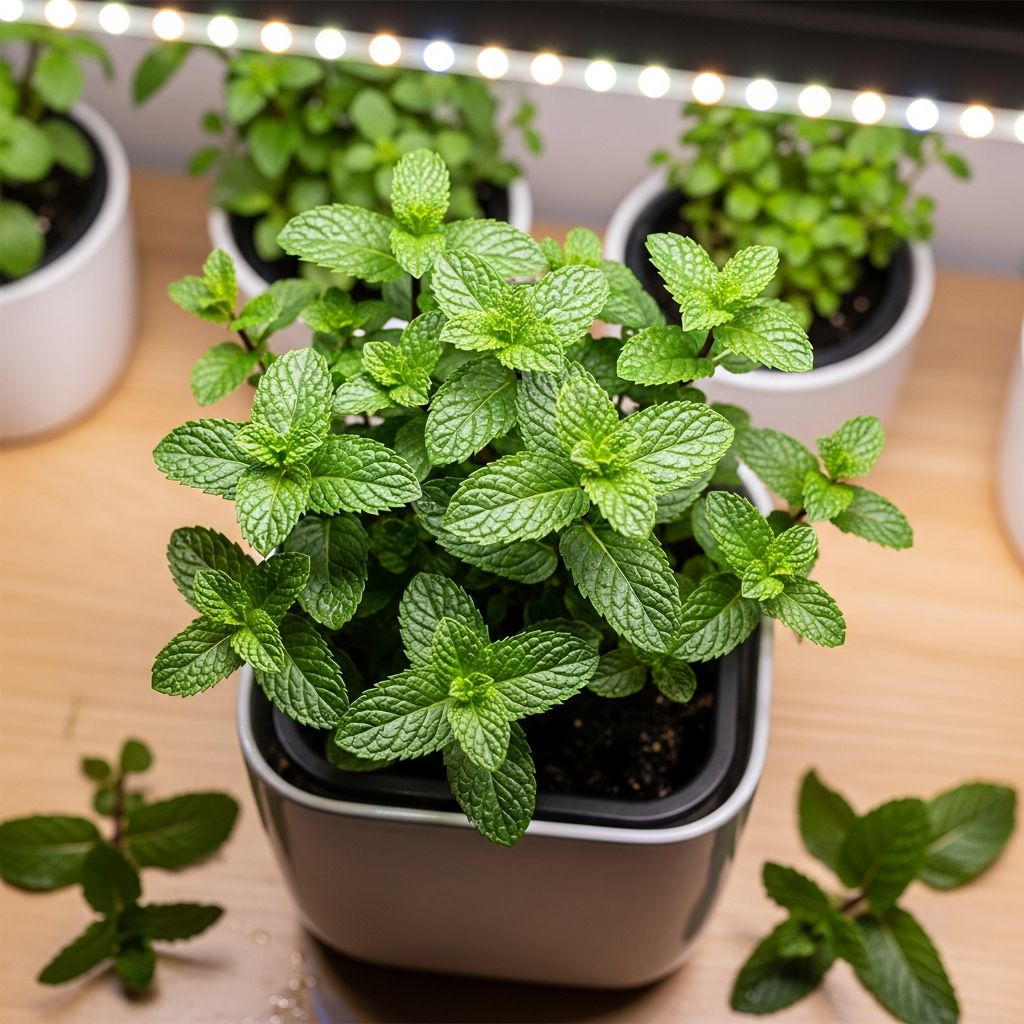
Bringing the invigorating aroma and versatile flavor of mint into your home is simpler than you might imagine. Mint thrives as a houseplant, offering a steady supply of leaves for culinary uses, teas, and natural remedies without the risk of it overtaking your garden. This comprehensive guide explores everything from selecting the right varieties to advanced propagation techniques and ongoing maintenance, ensuring your indoor mint flourishes in any living space.
Selecting the Perfect Mint Varieties for Indoor Success
Mint belongs to the Mentha genus, encompassing over 20 species and hundreds of hybrids, but not all suit indoor environments equally. Opt for compact, less aggressive varieties to prevent overwhelming your pots. Peppermint (Mentha × piperita) delivers a strong, cooling menthol punch ideal for teas and desserts, while spearmint (Mentha spicata) offers a milder, sweeter profile perfect for savory dishes and cocktails.
Other excellent choices include apple mint (Mentha suaveolens) with its fruity undertones and chocolate mint (Mentha × piperita ‘Chocolate’), which adds a subtle cocoa note. These varieties grow bushy rather than sprawling, making them manageable indoors. Avoid overly vigorous types like field mint unless you’re prepared for frequent division.
- Peppermint: Bold flavor, high oil content, great for digestive teas.
- Spearmint: Gentle taste, versatile for cooking and beverages.
- Apple Mint: Soft leaves, fruity aroma, suits fruit salads.
- Orange Mint: Citrusy twist, enhances desserts and marinades.
Acquire starter plants from nurseries or propagate from existing ones to ensure healthy stock adapted to container life.
Essential Propagation Techniques for Starting Your Indoor Mint
Propagation is the cornerstone of expanding your indoor mint collection economically. Three reliable methods—root divisions, stem cuttings, and seed starting—cater to different skill levels and resources.
Root Divisions: Quick and Reliable Establishment
If you have access to an outdoor mint patch or a friend’s plant, root divisions provide instant maturity. Dig up a section with at least three stems and a healthy root ball. Gently tease apart the roots and replant into pots. This method yields harvestable plants within weeks, as mint’s rhizomatous roots regenerate swiftly.
Stem Cuttings: Simple Water or Soil Rooting
Take 4-6 inch cuttings from healthy, non-flowering stems, stripping lower leaves to expose 2 inches of stem. Root in water by placing in a clear jar, refreshing every few days until white roots emerge (7-14 days). Transplant to soil or maintain hydroponically for mess-free growth. For soil rooting, dip in rooting hormone (optional), plant in moist mix, and cover with a plastic dome for humidity.
Seed Starting: Patient but Rewarding for Variety
Mint seeds are tiny and slow to germinate (7-21 days), requiring surface sowing on sterile mix kept at 70°F under bright light. Thin seedlings to 2 inches apart and pot up at 4-6 weeks. This method shines for trying new cultivars but demands more attention.
| Method | Time to Roots | Success Rate | Best For |
|---|---|---|---|
| Root Division | Immediate | 95% | Quick starts |
| Stem Cutting | 7-14 days | 90% | Beginners |
| Seeds | 7-21 days germ, 8 weeks mature | 70% | Variety seekers |
Whichever method you choose, aim for spring starts to align with active growth phases.
Container and Soil Selection for Optimal Root Health
Mint’s invasive roots demand spacious, well-draining containers—at least 12 inches wide and deep with drainage holes. Terracotta dries too fast indoors; prefer glazed ceramic, plastic, or fabric pots. For soil, blend 1/3 compost, 1/3 peat or coir, and 1/3 perlite for aeration and moisture retention at pH 6.0-7.0. Refresh annually to combat nutrient depletion.
To mimic garden containment indoors, use bottomless pots sunk into larger planters, curbing spread. This setup supports vigorous growth while keeping roots contained.
- Pot size: Minimum 12″ diameter for mature plants.
- Material: Plastic or ceramic for moisture stability.
- Soil mix: Well-draining, organic-rich, slightly acidic.
Position pots on saucers to catch drips, elevating for airflow to deter gnats.
Mastering Light, Temperature, and Humidity Indoors
Mint craves 12-16 hours of bright, indirect light daily. South- or west-facing windows excel; supplement with full-spectrum LED grow lights positioned 12 inches above during shorter days. Insufficient light causes legginess—rotate plants weekly for even exposure.
Maintain 65-75°F daytime temps, dropping to 55-65°F at night. Average household humidity suffices, but boost with pebble trays or misting in dry winters. Good ventilation prevents powdery mildew; fans mimic breezy outdoor conditions.
In low-light homes, hydroponic setups with LEDs yield superior results, delivering precise nutrients sans soil mess.
Watering and Fertilizing Routines for Thriving Plants
Water when the top inch of soil dries, keeping consistently moist but never soggy—overwatering invites root rot. Bottom-water by filling saucers, allowing uptake over 30 minutes. In water culture, refresh nutrient solution weekly.
Fertilize biweekly in spring-summer with diluted organic fish emulsion or balanced liquid feed (e.g., 10-10-10). Reduce to every 6 weeks in winter, as growth slows slightly. Overfeeding promotes weak, leggy stems.
- Summer: Every 2 weeks, full strength.
- Winter: Every 6 weeks, half strength.
- Signs of issues: Yellow leaves (over/under water), wilting (dry soil).
Pruning, Harvesting, and Controlling Growth
Regular harvesting keeps mint compact and productive. Snip stems above leaf nodes 6-8 weeks after planting, never removing over one-third at once. Pinch tips weekly to encourage bushiness and deter flowering, which diminishes flavor.
Divide overcrowded pots every 1-2 years, replanting halves into fresh soil. This rejuvenates plants, preventing stagnation.
For hydroponics, monitor EC levels (1.0-2.0) and pH (5.8-6.2) for peak performance.
Troubleshooting Common Indoor Mint Challenges
Yellowing leaves signal overwatering or nutrient lack—check drainage and fertilize. Legginess means more light; aphids require neem oil sprays. Fungal spots from humidity call for better airflow.
| Issue | Symptoms | Solution |
|---|---|---|
| Root Rot | Mushy roots, wilting | Improve drainage, reduce water |
| Aphids | Sticky residue, curled leaves | Insecticidal soap, isolation |
| Legginess | Stretchy stems, pale leaves | Add grow lights, rotate pot |
| Powdery Mildew | White powder on leaves | Increase ventilation, lower humidity |
Preventive scouting weekly keeps issues minor.
Advanced Growing Systems: Hydroponics and Beyond
Elevate your setup with hydroponics for soil-free, high-yield mint. Simple Kratky jars or deep water culture systems suit beginners—suspend roots in oxygenated nutrient water under LEDs. Yields surpass soil by 30-50% with precise control.
DIY options include PVC pipe systems for multiple plants, costing under $50. Monitor reservoirs for algae, changing solutions biweekly.
Creative Uses for Your Homegrown Mint
Beyond fresh leaves, dry bundles for tea, infuse oils, or make mint sugar. Freeze chopped leaves in ice cubes for cocktails. Companion plant with basil for mutual pest deterrence indoors.
Frequently Asked Questions (FAQs)
Can mint grow fully in water indoors?
Yes, stem cuttings thrive in water for months, though transferring to soil extends life. Refresh water weekly to prevent rot.
How often should I harvest indoor mint?
Every 1-2 weeks once established, pinching tops to promote density. Regular cuts prevent flowering and maintain flavor.
Is a grow light necessary for indoor mint?
Not always, but essential in low-light homes. Provide 12-16 hours of full-spectrum light for compact, vibrant growth.
Why is my indoor mint turning brown?
Typically overwatering or poor drainage. Ensure pots have holes and let soil dry slightly between waterings.
Can I grow mint from supermarket bunches?
Absolutely—root healthy stems in water. Choose organic to avoid pesticides inhibiting rooting.
References
- How to Grow Mint Indoors: 3 Growing Methods for Year-round … — Savvy Gardening. 2023-05-15. https://savvygardening.com/how-to-grow-mint-indoors/
- A Complete Guide To Growing Your Own Mint — Azure Farm Life. 2024-03-10. https://www.azurefarmlife.com/farm-blog/growing-your-own-mint
- Grow Mint Indoors: Easy Steps for Year-Round Fresh Herbs — Spider Farmer. 2024-08-22. https://spiderfarmer.eu/blog/grow-mint-indoors/
- How to grow Mint | RHS Guide — Royal Horticultural Society. 2025-01-05. https://www.rhs.org.uk/herbs/mint/grow-your-own
Similar Articles






Read full bio of medha deb