Insecticidal Soap: Complete Guide to Safe Plant Protection
Master the science and practice of using insecticidal soap to protect your garden from harmful pests.
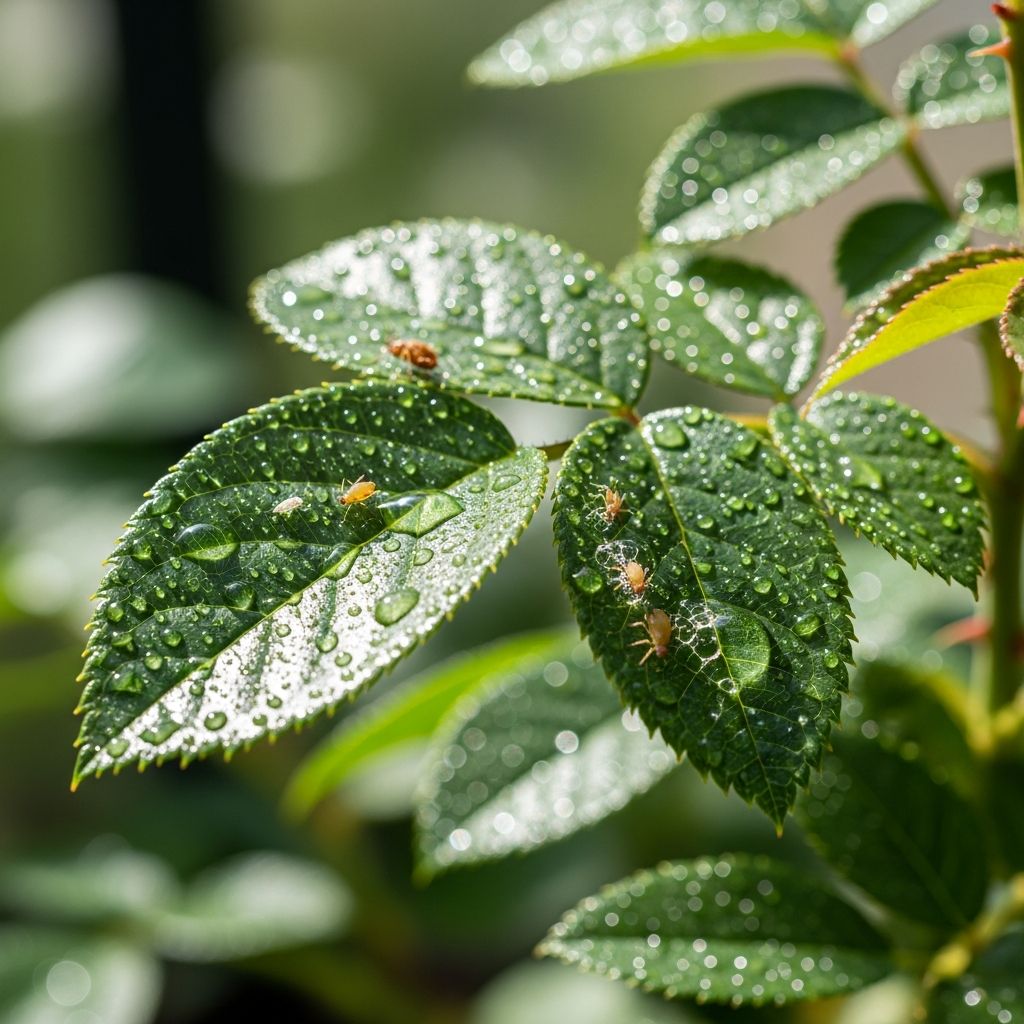
Gardeners seeking an environmentally conscious approach to managing troublesome insects have long relied on insecticidal soap as a practical solution. This organic-friendly pesticide offers an effective way to combat soft-bodied insects without the harsh chemicals found in traditional synthetic pesticides. Understanding how to properly apply this treatment, when to use it, and which plants respond best to it can mean the difference between a thriving garden and one plagued by persistent pest problems.
Understanding the Science Behind Insecticidal Soap
Insecticidal soap, also known as horticultural soap, represents a fundamentally different approach to pest management compared to conventional chemical pesticides. Unlike systemic insecticides that absorb into plant tissues and provide long-term protection, insecticidal soap operates through a direct contact mechanism that requires precise application techniques.
The active ingredient in most commercial insecticidal soaps consists of potassium salts of fatty acids. When these fatty acids come into contact with soft-bodied insects, they disrupt the permeability and structural integrity of the insect’s cell membrane. This disruption allows the cell contents to leak from the damaged cells, causing rapid dehydration and death in the targeted pest. The soap also removes the protective waxy coating that covers many insects, accelerating water loss and hastening mortality.
A significant advantage of this mechanism is that beneficial insects, including ladybugs, lacewings, and bees, remain unharmed once the spray application has dried. Since the soap requires direct contact with living insects to be effective, friendly insects that arrive after the spray has dried face no danger. However, this contact-dependent action also means the treatment offers no residual protection once dry, necessitating repeated applications throughout the pest season.
Which Pests Respond Best to Soap Treatment
Insecticidal soap proves most effective against a specific category of garden pests characterized by soft bodies and thin exoskeletons. The treatment works particularly well on aphids, mealybugs, whiteflies, young scale insects, spider mites, and boxelder bug nymphs. These pests represent the primary targets because their fragile outer covering offers little resistance to the destructive action of fatty acids.
Conversely, insects with hardened exoskeletons, such as Japanese beetles, caterpillars, and beetle larvae, remain largely unaffected by insecticidal soap. Since the soap must coat the insect’s body surface to be effective, armored insects can easily shed the treatment or withstand its effects. Additionally, insects that bore into plants or feed internally cannot be reached by a topical spray application.
This selective action represents one of the defining characteristics of insecticidal soap as a pest management tool. Unlike broad-spectrum insecticides that eliminate virtually all insects present, soap targets only vulnerable pest species while preserving the complex ecosystem of beneficial organisms essential for garden health.
Optimal Timing for Application
The timing of insecticidal soap application significantly impacts both its effectiveness and safety for your plants. Environmental conditions during and immediately after spraying determine whether the treatment succeeds or potentially damages your vegetation.
Temperature Considerations
Never spray insecticidal soap when temperatures exceed 90 degrees Fahrenheit, as high heat accelerates spray drying and can cause leaf scorch and plant damage. Hot afternoon sun compounds this problem by promoting rapid evaporation and concentrating the soap solution on leaf surfaces. Instead, apply treatment during the cooler hours of early morning or early evening when ambient temperatures remain moderate.
Weather Patterns
Conditions that favor slow drying maximize soap effectiveness. Early morning applications when dew still covers plants allow extended contact time between the soap and target insects. Early evening treatments also provide favorable drying conditions. Avoid spraying on windy days, which increase spray drift and reduce coverage efficiency, or during rain when the treatment gets washed away before pests absorb the soap’s effects.
Plant Hydration Status
Always ensure plants have been thoroughly watered before applying insecticidal soap. Well-hydrated plants demonstrate greater tolerance to soap treatment, whereas wilted or drought-stressed plants show increased susceptibility to phytotoxic damage such as leaf spotting or browning. This simple step significantly reduces the risk of unintended plant injury.
Application Techniques for Maximum Effectiveness
Proper application technique determines whether insecticidal soap successfully eliminates your pest problem. Since the soap must make direct contact with insects to function, incomplete coverage results in surviving pest populations that continue to reproduce and feed.
Coverage Requirements
Spray affected plants thoroughly, ensuring complete coverage of both upper and lower leaf surfaces. Many small insects congregate on the undersides of leaves, where they find shelter from weather and predators. Failure to coat the undersides of leaves leaves populations of pests untreated. Apply spray until the solution begins to drip from foliage, indicating complete saturation. Avoid excessive application that leads to runoff, as this wastes product and may concentrate soap on soil rather than insects.
Solution Strength
Begin with the weakest recommended concentration, particularly when treating plants for the first time. If a gentle solution fails to adequately control the pest population after several applications, gradually increase the soap content. This approach minimizes the risk of plant damage while still achieving pest control. For homemade solutions, a 1-2 percent soap concentration typically suffices for most garden pests. This translates to adding 1-2 teaspoons of liquid dish soap to 1 pint of water.
Water Quality Impact
Hard water with high mineral content can reduce soap effectiveness and potentially increase plant toxicity. When calcium, iron, or magnesium ions in hard water bind to fatty acids in the soap, they form a precipitate that reduces the active ingredient available to contact insects. When possible, use soft water or collected rainwater for mixing insecticidal soap solutions.
Plants Requiring Caution or Avoidance
Certain plant species demonstrate heightened sensitivity to insecticidal soap applications and may experience damage even at recommended concentrations. Plant sensitivity varies based on cultivar, stress level, environmental conditions, and the specific soap formulation used.
Highly Sensitive Species
Several common plants show consistent sensitivity to soap treatment and should generally be avoided unless absolutely necessary. These include horse chestnut, Japanese maple, mountain ash, bleeding heart, and sweet peas. Additionally, some begonia and impatiens cultivars demonstrate extra sensitivity, making preliminary testing essential before treating these ornamentals.
Stress-Related Sensitivity
Plants experiencing environmental stress display increased vulnerability to soap damage. Avoid treating plants when temperatures exceed 90 degrees Fahrenheit, during drought conditions, in high humidity, or when plants show signs of wilting. Young transplants, unrooted cuttings, and plants with tender new growth also face elevated risk of phytotoxic symptoms. Plants naturally sensitive to soap, such as palms, ivy, and ferns, require particularly careful consideration.
Pre-Treatment Testing Protocol
Before treating an unfamiliar plant or cultivar with insecticidal soap, always conduct a patch test. Spray a single leaf on an inconspicuous area of the plant and wait 24-48 hours. If the leaf shows no signs of spotting, browning, wilting, or other damage indicators, the plant likely tolerates soap treatment. If damage appears, select an alternative pest management strategy.
Reapplication Schedule and Persistence
Since insecticidal soap offers no residual activity after drying, successful pest management requires a planned reapplication schedule. Adult insects may escape treatment or emerge from protected locations, and new pests may colonize plants after treatment.
Continue applying insecticidal soap every five to seven days as long as you observe living pests on treated plants. Most gardeners require three to four applications spaced one week apart to achieve acceptable pest control. Scout plants regularly between applications to monitor pest population trends and determine whether continued treatment remains necessary. Decreasing pest populations indicate successful management, while stable or increasing populations suggest either inadequate coverage during application or unusually high pest pressure requiring more frequent treatment.
Additional Safety Considerations
Beneficial Insect Protection
While insecticidal soap poses minimal risk to beneficial insects after drying, take care to avoid spraying beneficial insects during application. If you observe ladybugs, lacewings, or other predatory insects on the plant before treatment, wait a couple of hours and check again. These beneficial insects provide natural pest control and help maintain garden balance.
Soil and Runoff Management
While insecticidal soap breaks down relatively quickly compared to synthetic pesticides, avoid unnecessary soil contact. Spray to the point of dripping but not excessive runoff that saturates the soil. Most formulations rapidly degrade and wash off leaf surfaces, limiting environmental persistence.
Homemade Versus Commercial Products
Gardeners can choose between ready-to-use commercial formulations and homemade solutions. Commercial products offer convenience and precisely calibrated concentrations of active ingredients. Homemade solutions provide cost savings and control over ingredients, though they require careful measurement to achieve proper soap concentration.
Extension specialists have long recommended homemade insecticidal soap recipes consisting of liquid dishwashing detergent diluted in water to create approximately a 2 percent solution. If preparing homemade treatments, use pure liquid dish soap rather than automatic dishwasher detergent, which contains additives that may harm plants. Always test homemade solutions on a small plant area before widespread application, as some soaps formulated for hand washing may differ in concentration or additives.
Frequently Asked Questions
Can I spray insecticidal soap on all my plants at once?
No. Always test soap on unfamiliar plants first, as some species demonstrate sensitivity. Treat only affected plants rather than entire gardens to minimize unnecessary pesticide exposure.
How long does insecticidal soap persist on plants?
Insecticidal soap provides effectiveness only while wet. Once dry, it offers no residual protection and breaks down relatively quickly on leaf surfaces. Rain washes away dried residue.
Is insecticidal soap safe for vegetable gardens?
Yes, insecticidal soap can treat vegetables for soft-bodied insects. Follow label directions regarding harvest intervals, though most formulations allow same-day harvest after treatment has dried.
Why isn’t my insecticidal soap working?
Check application technique: insufficient leaf coverage, especially undersides; application during hot weather promoting rapid drying; spraying when no insects are present; or hard water reducing soap effectiveness. Ensure direct contact with living insects.
Can insects develop resistance to insecticidal soap?
Resistance development to insecticidal soap remains unlikely because the soap mechanically disrupts cell membranes rather than targeting specific biological pathways like synthetic pesticides do.
Creating an Integrated Pest Management Strategy
Insecticidal soap functions most effectively as part of a comprehensive integrated pest management (IPM) approach rather than as a standalone treatment. Combine soap applications with cultural practices such as removing heavily infested leaves, improving air circulation, managing plant stress through proper watering and fertilization, and encouraging beneficial insect populations. This multifaceted strategy reduces pest pressure over time and minimizes reliance on any single treatment method, resulting in healthier, more resilient gardens.
References
- How to Use Insecticidal Soap — PRO-MIX Gardening. Accessed April 2026. https://www.promixgardening.com/en-us/tips/how-to-use-insecticidal-soap-62
- Insecticidal Soaps — University of Connecticut College of Agriculture, Health and Natural Resources. Accessed April 2026. https://homegarden.cahnr.uconn.edu/factsheets/insecticidal-soaps/
- Control Houseplant Insect Pests Safely With Insecticidal Soap — Iowa State University Extension and Outreach. 2007. https://www.extension.iastate.edu/news/2007/nov/071601.htm
- What is Insecticidal Soap? — Safer Brand. Accessed April 2026. https://www.saferbrand.com/articles/what-is-insecticidal-soap
Similar Articles




Read full bio of medha deb