Beyond the Backyard Box: Inspiring Dog House Ideas for Every Pup
Creative, comfortable and practical dog house ideas your best friend will actually love.
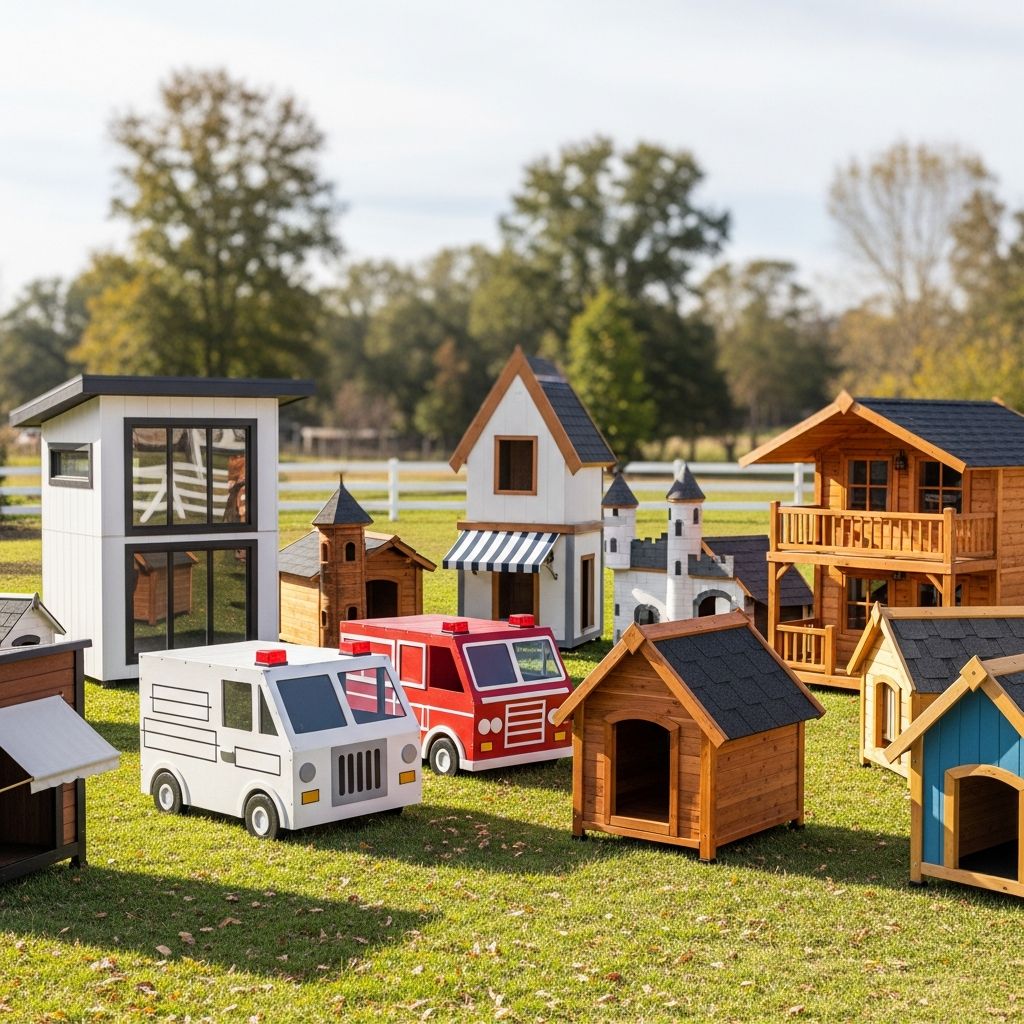
Dog houses have come a long way from plain wooden boxes tucked into a corner of the yard. Today’s designs blend comfort, safety and style so your dog gets a cozy retreat while your outdoor space still looks great. Done well, a dog house can protect your pet from weather extremes, give them a sense of security and even add curb appeal to your home.
This guide explores creative, original dog house ideas and practical considerations so you can design or buy a structure that truly works for your dog and your lifestyle.
Understanding What Your Dog Really Needs
Before thinking about colors, roof shapes and cute details, step back and consider your dog’s actual needs. A beautiful house that is the wrong size or poorly ventilated will never be comfortable, no matter how stylish it looks.
Focus first on function, then layer in aesthetics and extras.
Getting the Size Right
A dog house should be large enough for your dog to stand up, turn around and lie down comfortably, but not so big that it becomes drafty and hard to keep warm. For many dogs, that means just a little extra room around their body in each dimension.
- Height: The interior ceiling should be a few inches taller than your dog’s standing height at the shoulder.
- Length: Aim for about one and a half times your dog’s length from nose to base of tail.
- Door: The doorway only needs to be slightly taller than your dog’s back; a smaller opening helps retain heat.
Climate and Comfort Considerations
Your local climate plays a huge role in what makes an “incredible” dog house. A design that works beautifully in a cool, dry area may be miserable in hot, humid weather. Think in terms of insulation, shade, airflow and drainage.
- Cold climates: Prioritize insulation, wind protection, a raised floor and a door flap.
- Hot climates: Favor shade, ventilation, reflective roofing and generous eaves.
- Rainy regions: Look for sloped roofs, overhangs and moisture-resistant materials.
Smart Material Choices for Long-Lasting Dog Houses
The materials you choose will impact durability, maintenance, weight and your dog’s health. No single material is perfect, but understanding the strengths and weaknesses of each helps you strike the right balance.
| Material | Pros | Cons | Best Use |
|---|---|---|---|
| Natural wood | Good insulation, classic look, easy to customize and repair. | Requires sealing or paint; can rot or attract insects if neglected. | Permanent outdoor houses in moderate to cold climates. |
| Engineered wood or composites | Highly durable, often more weather-resistant, can mimic real wood. | Usually heavier and sometimes more expensive; may be harder to modify. | High-traffic yards where longevity and low maintenance matter. |
| Plastic | Lightweight, easy to clean, usually affordable, portable. | Can become brittle over time; typically less insulating; may trap heat if poorly ventilated. | Temporary or portable shelters, milder climates. |
| Metal | Very strong and chew-resistant, modern aesthetic. | Poor temperature control; can get extremely hot or cold; may require interior lining. | Specialty or decorative structures with added insulation inside. |
Whatever you choose, use pet-safe finishes and avoid harsh chemical treatments on surfaces your dog could lick or chew.
Creative Dog House Concepts to Inspire You
Once the basics of size, comfort and materials are settled, it’s time to have fun. The following dog house concepts offer fresh ideas ranging from sleek modern designs to whimsical mini-cabins.
The Modern Minimalist Retreat
A minimalist dog house suits contemporary homes and small yards. Clean lines, neutral colors and uncluttered forms keep the focus on function while still looking stylish.
- Rectangular or cube-like shape with a flat or gently sloped roof.
- Simple palette: white, gray, black or natural wood tones.
- Integrated storage along one side for leashes, toys and grooming tools.
Add a removable cushion or low-profile dog bed inside so cleaning feels as simple as changing a pillowcase.
The Rustic Cabin Hideaway
For wooded lots or country settings, a cabin-inspired dog house can blend right into the landscape. Think warm woods, exposed grain and a cozy, tucked-in feeling.
- Horizontal wood planks or faux log siding for a cabin look.
- A small covered porch so your dog can lounge outside while staying dry.
- Stone or brick pavers at the entrance to keep mud under control.
Pair with a matching human-sized fire pit or seating area so you and your dog can relax in the same outdoor “camp.”
The Urban Rooftop Lounge
In tight spaces, a dog house can double as functional furniture. One clever approach: give the house a flat, reinforced roof and treat it as a mini deck for your pet.
- Sturdy, flat top with a slip-resistant surface for lounging.
- Low railing or side lips to help keep beds or mats in place.
- Short ramp or side steps so older dogs can easily reach the top.
This style works especially well on patios or balconies where every square foot counts.
The Climate-Smart Sanctuary
If your region has harsh weather, prioritize performance over decoration and then layer style onto a smart shell. A climate-focused design can still look beautiful.
- Double walls with insulation between panels to stabilize temperatures.
- Raised base to keep the floor dry and off cold or wet ground.
- Angled roof with generous overhangs to shed rain and snow.
Finish the exterior with colors that complement your home’s siding and trim so the structure feels intentional, not like an afterthought.
The Playful Storybook Cottage
For families who love whimsy, a storybook cottage dog house can become the centerpiece of a child-friendly yard. Curved lines, cheerful colors and little details turn a simple shelter into a tiny fairy-tale home.
- Arched doorways, faux shutters or flower boxes mounted safely out of reach.
- Soft pastel or bright colors that echo toys, playhouses or garden accents.
- Decorative shingles, textured siding or a faux stone base for character.
Just be sure that decorative elements are securely attached and not small enough to be chewed off or swallowed.
Design Details That Make a Big Difference
The best dog houses get the small details right. These finishing touches often separate a mediocre shelter from one your dog genuinely enjoys using year-round.
Ventilation and Airflow
Good ventilation prevents overheating and reduces moisture build-up inside the dog house. That means fresher air, fewer odors and a more pleasant space for your pet.
- Add small vents high on opposite walls to encourage cross-breezes.
- Use a raised floor and small gaps under the eaves to let warm air escape.
- In very hot climates, consider a screened back window protected by an overhang.
Flooring, Bedding and Cleanliness
The floor and bedding determine how comfortable and hygienic the house feels. A cold, damp floor will discourage your dog from using the space, no matter how fancy the exterior looks.
- Install a slightly sloped or well-drained floor to prevent puddles.
- Use washable, removable bedding so cleaning is quick and easy.
- Consider a hinged or removable roof for easy access when vacuuming or replacing bedding.
Safe Entrances and Door Options
The door should protect from drafts and rain but still let your dog move in and out freely. Think about your dog’s size, age and mobility when planning the entry.
- Rounded or sanded edges around the opening to avoid scratches.
- Flexible door flaps or clear vinyl panels in colder weather.
- Offset doors (not centered) to block direct wind from hitting the sleeping area.
Matching the Dog House to Your Home and Yard
A thoughtfully designed dog house can enhance the overall look of your property. Treat it like a small architectural project and echo the cues from your home and landscaping.
Coordinated Style Ideas
Start by observing your home’s roofline, siding and color palette. Then apply simplified versions of those elements to the dog house to create a sense of harmony.
- Use similar roofing material or a visual imitation, such as asphalt shingles in a matching color.
- Repeat trim colors, door styles or window shapes in a simplified form.
- Place the dog house near existing landscaping to “anchor” it visually.
Practical Placement Tips
Where you place the dog house is just as important as how it looks. Dogs like to see what is going on around them, but they also benefit from a quiet, secure spot.
- Choose a slightly elevated area to avoid standing water and mud.
- Provide both shade and some sun exposure, or plan for seasonal movement.
- Keep the house close enough to the main living area that your dog still feels part of the family’s routine.
Safety and Maintenance: Keeping the House Truly Dog-Friendly
An incredible dog house is not only attractive and cozy; it is also safe and easy to maintain over time. Regular checks and basic upkeep prevent small issues from becoming major problems.
Safety Checklist
- Inspect for protruding nails, screws or sharp edges and smooth or cover them.
- Avoid small decorative pieces your dog could chew off and swallow.
- Use non-toxic paints, stains and sealers rated for outdoor and pet use.
- Ensure the structure is stable and cannot blow over in strong winds.
Simple Maintenance Habits
With a few seasonal habits, your dog house can stay fresh and functional for years.
- Clean bedding regularly and deep-clean the interior every few weeks.
- Re-seal or repaint exterior wood as needed to protect from moisture.
- Check roofing, hinges and fasteners at the start of each season.
Quick Idea List: Features Dogs (and Humans) Love
If you are looking for simple upgrades instead of a full rebuild, consider adding one or more of these features. They can dramatically improve comfort and usability without a complex construction project.
- Built-in food and water bowl area under a small awning.
- Solar-powered light on a motion sensor near the entrance.
- Name plaque or custom sign that matches your mailbox or house number.
- Removable, washable slipcovers for interior cushions.
- Side storage cubby for leashes, toys and waste bags.
Frequently Asked Questions About Dog Houses
How do I know if my dog actually likes the house?
Watch your dog’s behavior. A dog that willingly goes inside, naps there and returns to the house without coaxing is clearly comfortable. If your dog avoids the structure, investigate temperature, drafts, smells or noise—something inside may feel unwelcoming or unfamiliar.
Can a dog live outside in a dog house full-time?
Most dogs are happiest when they spend significant time with their families indoors. A dog house is best used as a shelter for supervised outdoor time, not as a substitute for being part of the household. If your dog must stay outside for practical reasons, provide extra insulation, bedding, shade, fresh water and regular social interaction.
What is the easiest type of dog house to clean?
Houses with removable roofs, hinged panels or large access doors are much easier to clean thoroughly. Smooth, sealed interior surfaces, washable bedding and slightly elevated floors also reduce the amount of dirt and moisture that can accumulate inside.
Do small dogs and large dogs need different house styles?
The same principles apply to both, but scale and heating needs differ. Smaller dogs lose body heat more quickly and may benefit from thicker insulation and cozier interior dimensions, while large breeds need stronger framing, wider entries and tougher flooring to support their weight.
Should I insulate a dog house in warm climates?
Insulation does not just keep a house warm; it helps stabilize the interior temperature overall. In hot climates, insulation paired with good ventilation and shade can help keep the interior cooler, especially when the exterior surfaces are light colored and reflective.
Turning Inspiration into Your Dog’s Favorite Spot
An incredible dog house is the result of thoughtful planning rather than a single flashy feature. When you combine proper sizing, climate-aware design, safe materials and a bit of creative flair, you give your pup a space that feels secure, comfortable and uniquely theirs.
Whether you build from scratch, modify a kit or buy a ready-made structure and customize the details, keep your dog’s habits and personality at the center of every decision. If the finished house reflects both your style and your dog’s comfort, you have created more than a shelter—you have built a little home within your home.
Similar Articles







Read full bio of Sneha Tete