Installing Corrugated Metal Walls: Complete Guide
Master the art of installing corrugated metal walls for durable, stylish interiors and exteriors with this comprehensive DIY tutorial.
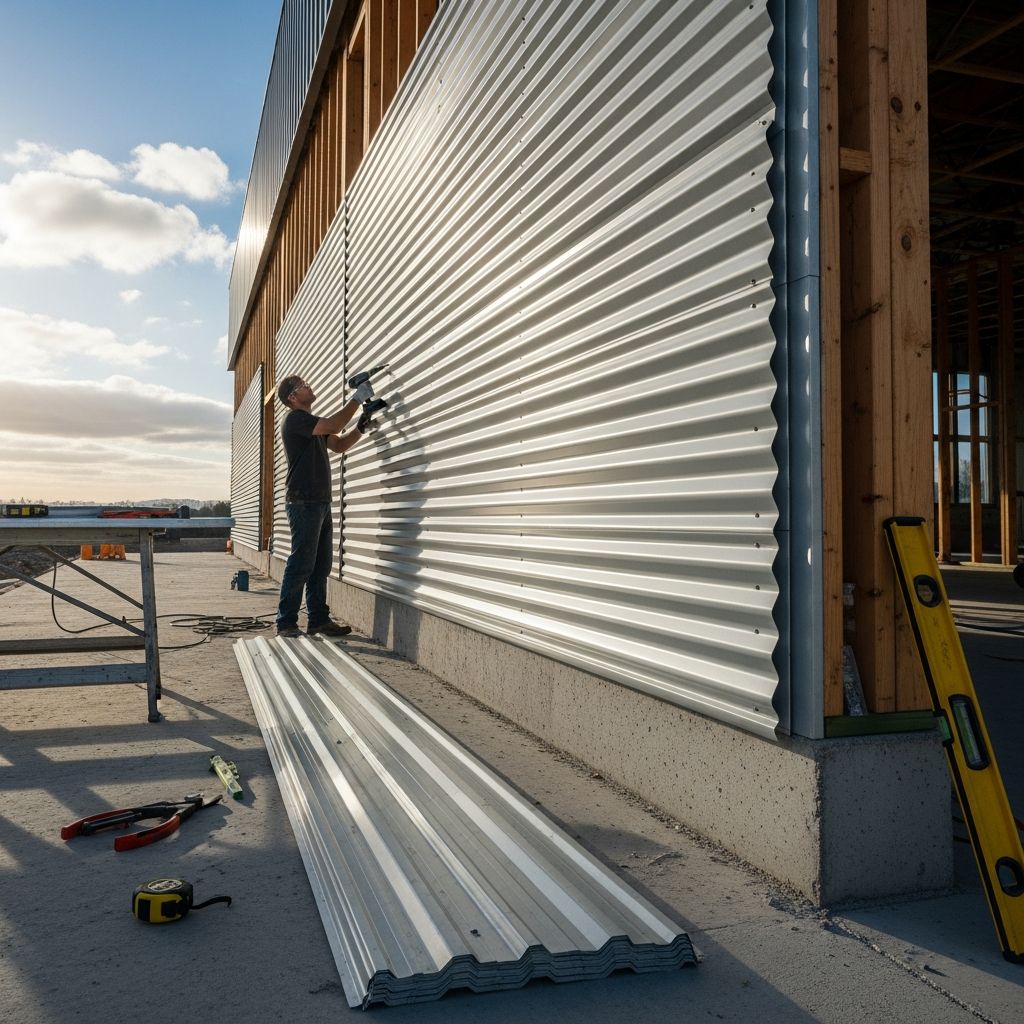
Corrugated metal walls offer a rugged, industrial aesthetic combined with exceptional durability, making them ideal for accent walls, wainscoting, sheds, or full exterior siding. This guide provides a detailed walkthrough for successful installation, drawing on proven methods to ensure a seamless, long-lasting finish.
Why Choose Corrugated Metal for Walls?
Corrugated metal panels feature wavy ribs that enhance structural strength while allowing flexibility in design. Available in gauges like 29-gauge with rib heights around 7/8 inch and widths of 2-11/16 inches per rib, these panels resist impacts and weathering effectively. They suit both interior applications, like rustic kitchen backsplashes, and exterior uses on garages or barns. Benefits include low maintenance, fire resistance when properly installed, and cost-effectiveness compared to traditional siding.
Gathering Essential Tools and Materials
Proper equipment ensures safety and precision. Start with personal protective gear: cut-resistant gloves, safety glasses, and hearing protection to guard against sharp edges and noise.
- Cutting tools: Straight-edged tin snips for trim; circular saw with a 7-1/4-inch, 150-tooth plywood blade (reverse-installed) for panels.
- Fastening tools: Screw gun or drill; roofing screws (#14 x 1-inch wood fasteners or #12 stitch screws).
- Measuring and leveling: Tape measure, level, chalk line.
- Materials: Corrugated panels, J-tracks or base flashing, mastic tape, closures, caulk.
Opt for panels with coverage widths of 32-34 inches for walls to minimize seams. Always verify local building codes for fastener spacing and substrates.
Preparing the Installation Surface
A flat, clean substrate is crucial to prevent warping. For interiors, remove baseboards and ensure walls are smooth; for exteriors, use exterior-grade plywood or framing at 16-24 inch centers.
- Strip existing trim or molding.
- Inspect for levelness; shim uneven areas.
- Apply moisture barrier if outdoors, overlapping 3 inches per course.
- Clean debris to avoid corrosion from metal shavings.
For vertical installations, align a chalk line at the base for straight starts.
Setting Up Base Trim and Tracks
Begin at the bottom with flashing or J-tracks for secure edging. Position base flashing along the wall edge, securing with roofing nails or flat-head screws. Lap sections 3 inches, caulking joints and inserting into hems for watertight seals.
Install J-tracks on sides or top for framed features like wainscoting. Cut to length with tin snips, level precisely, and fasten every 12 inches. This creates a clean boundary and holds panels firmly.
Positioning and Securing the First Panel
Start with one panel to establish alignment. Slide into J-tracks or over base flashing, overhanging slightly if needed. Check plumb with a level, then fasten using self-drilling roofing screws every 12-16 inches along ribs, avoiding flat areas to prevent oil-canning.
Space fasteners 1-3 feet vertically based on wind loads and codes; use #14 x 1-inch for wood substrates.
Installing Subsequent Panels with Proper Overlaps
Overlap the next panel by one full rib (typically 2-11/16 inches) for weatherproofing and uniformity. Align ribs flush at the base, ensuring no sawtooth effect. Secure the overlap with #12 x 3/4-inch stitch screws every 1-3 feet, staggering from field fasteners.
Work panel-by-panel, rechecking levelness. For long walls, cut panels backside-up with clamps to secure, minimizing finish damage.
| Panel Position | Fastener Type | Spacing |
|---|---|---|
| Field (main attachment) | #14 x 1″ wood screw | 12-16″ horizontally, 1-3 ft vertically |
| Overlap (stitch) | #12 x 3/4″ screw | 1-3 ft, staggered |
| Trim/Flashing | Pancake or wood screw | 12-24″ |
Cutting Panels and Trim Accurately
Measure twice for the final panel, which often requires trimming. Use tin snips for small adjustments; circular saw for long cuts, always from the back and clamped down. Dull blades tear metal—replace promptly.
For corners, miter trim pieces. Inside/outside corner trims install over mastic tape, fastened with stitch screws.
Applying Top Closures and Finishing Touches
At the top, apply butyl sealant to panel edges, then install closures and C-metal trim. Caulk generously for moisture protection. Cap wainscoting with J-track post-installation.
Clean shavings daily to prevent corrosion. For vented areas, attach screens at ribs before ridge caps.
Common Mistakes and Troubleshooting
Avoid these pitfalls for professional results:
- Misaligned starts: Leads to wavy lines—double-check with chalk lines.
- Over-tightening screws: Causes dimpling; hand-tighten.
- Ignoring overlaps: Risks leaks; always one-rib minimum.
- Poor substrate: Use uniform framing to prevent distortion.
If panels bow, loosen and realign. For wind-prone areas, consult codes for denser fastening.
Interior vs. Exterior Installation Differences
Interiors: Focus on aesthetics—minimal flashing, direct wall attachment. Ideal for accents; no moisture barrier needed unless humid.
Exteriors: Emphasize sealing—full underlayment, precise laps, trims at all edges. Substrates must meet code for load-bearing.
Maintenance for Longevity
Corrugated metal lasts decades with care. Annually inspect fasteners for loosening, reseal caulk, and clear debris. Galvanized or painted panels resist rust; touch up scratches promptly.
Frequently Asked Questions
What gauge metal is best for walls?
29-gauge offers balance of strength and workability for most walls; heavier 26-gauge for high-wind zones.
Can I install over existing drywall?
Yes, for interiors if flat and secure; add furring strips for air gap if moisture is a concern.
How far apart should screws be placed?
12-16 inches horizontally along ribs, 1-3 feet vertically per code and wind load.
Is priming needed before painting?
Factory finishes are primed; clean and use metal-specific paint for custom colors.
What if my wall isn’t perfectly level?
Shim substrate; start with precise base trim to compensate.
References
- How to Install Corrugated Metal Wall Panels — Dakota Tin. Accessed 2026. https://www.dakotatin.com/blogs/dakota-tin/how-to-install-corrugated-metal-wall-panels
- How to Install Corrugated Metal Siding – Easy DIY — ASC Building Products (YouTube). 2023. https://www.youtube.com/watch?v=hAy3sX6l-rI
- Metal Roofing and Siding Installation Guide — ASC Building Products. Accessed 2026. https://www.ascbp.com/files/BR128_LtGaugeInstall.pdf
- MasterRib Installation Manual — Union Corrugating Company. Accessed 2026. https://www.unioncorrugating.com/wp-content/uploads/Widen%20Assets/Installation%20Manuals%20and%20GuidesMasterRib_Installation.pdf
- 7/8” Corrugated Install Guide — Best Buy Metals. 2019. https://www.bestbuymetalroofing.com/wp-content/uploads/sites/2/2019/05/7-8-corrugated-install-guide.pdf
Similar Articles





Read full bio of Sneha Tete