Install Shower Seat: Step-By-Step Guide For Secure Mounting
Master the art of installing a durable shower seat for safety, comfort, and accessibility in your bathroom renovation projects.
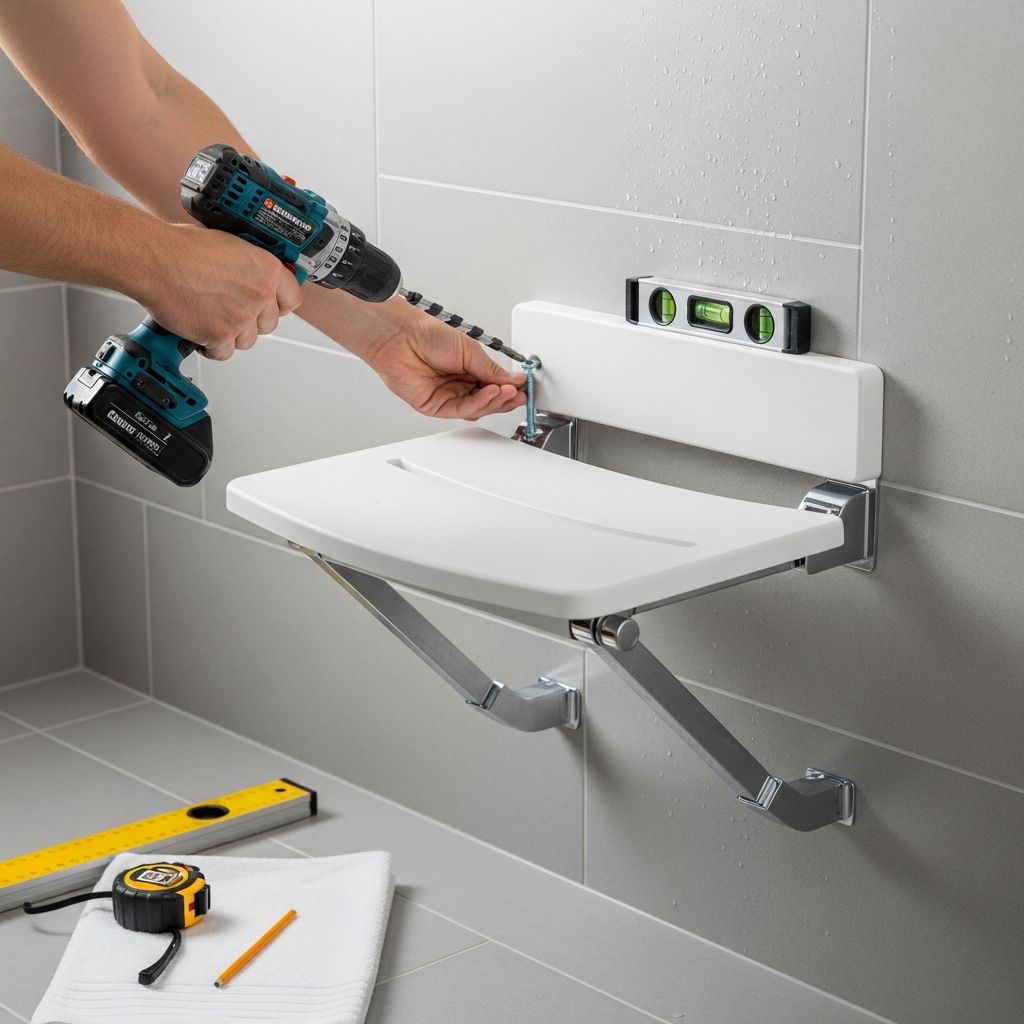
Install Shower Seat Guide
Adding a shower seat transforms any bathroom into a more functional and inclusive space, particularly for those prioritizing accessibility or extended shower comfort. This detailed guide outlines everything from initial planning to final testing, drawing on proven methods for both fold-down and fixed installations across various wall types.
Why Incorporate a Shower Seat in Your Bathroom?
Shower seats promote safety by reducing slip risks and support independence for users with mobility challenges. They accommodate aging in place strategies, allowing prolonged enjoyment of home showers without modifications later. Beyond utility, these features elevate daily routines, offering a perch for shaving, relaxing, or simply standing less during cleansing.
Common setups include wall-mounted foldable models that save space when not in use and built-in benches integrated into tiled surrounds for a seamless aesthetic. Selection hinges on user height, weight capacity—typically 250-500 pounds—and shower dimensions to avoid obstructing water flow.
Assessing Your Shower Space for Optimal Placement
Begin by evaluating the shower enclosure. Measure wall lengths and heights to position the seat where it aligns with natural body posture, generally 17-19 inches from the floor for seated comfort. Side or back walls work best, ensuring clearance from doors or fixtures.
Use a stud finder to detect wooden supports behind tiles or panels, as secure anchoring demands attachment to these rather than hollow spaces. If studs misalign, plan for reinforcement like horizontal blocking spanning multiple studs. Consider user preferences: right-handed individuals often favor left-side mounts for easy reach.
| Shower Type | Ideal Seat Location | Height Recommendation |
|---|---|---|
| Tiled Corner Shower | Back Wall | 17-18 inches |
| Walk-In Shower | Side Wall | 18-19 inches |
| Prefab Enclosure | Adjustable per panel | 17-20 inches |
Essential Tools and Materials Roundup
Gather these items before starting to streamline the process:
- Stud finder for precise wall scanning
- Power drill with masonry and wood bits
- Level and measuring tape for accuracy
- Screwdriver set and wrench
- Silicone caulk and sealant gun
- Safety gear: goggles, gloves, dust mask
- Pencils, painter’s tape, and cleaning rags
For the seat itself, opt for corrosion-resistant materials like stainless steel frames with plastic or teak slats. High-quality anchors rated for wet environments prevent rust and failure.
Preparation Steps for a Rock-Solid Foundation
Wall integrity is paramount. For existing tiled walls, drill a test hole through grout lines using a 1/8-inch masonry bit to probe for studs or blocking. Absence signals the need for access from the opposite side to install 2×10 or 2×12 lumber blocks, secured horizontally across studs at seat height.
In new constructions or remodels, integrate blocking during framing. For panel systems like laminates, verify pre-installed supports or cut notches accordingly. Clean the area thoroughly, applying painter’s tape over tiles to minimize chipping during drilling.
Detailed Installation for Wall-Mounted Fold-Down Seats
These compact designs flip up against the wall, ideal for shared bathrooms.
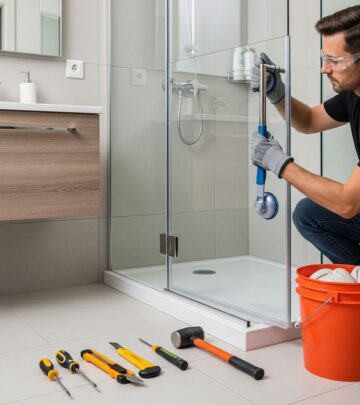
- Position and Mark: Hold the seat at desired height, use a level to ensure evenness, and pencil-mark bracket holes.
- Pilot Drilling: Select carbide-tipped bits for tile; drill slowly without hammer mode to avoid cracks. Depth matches screw length plus 1 inch.
- Sealant Application: Inject silicone into holes before inserting screws, creating a waterproof barrier against moisture intrusion.
- Mount Brackets: Secure flanges or plates with provided lag screws into studs, hand-tightening then using a drill for final snugness—avoid over-torquing.
- Attach Seat: Snap or bolt the seat onto brackets, testing the folding mechanism for smooth operation.
Double-check levelness after full assembly and load-test gently.
Building and Tiling a Custom Mortar Shower Bench
For permanent fixtures, construct a mortar-based bench during shower base prep.
- Frame with cement blocks or backer board, mortaring over for a sloped surface.
- Notch wall backer board to recess brackets, ensuring flush tile alignment.
- Apply thinset mortar, embed mesh tape over seams, then tile atop with 1/4-inch per foot pitch toward drain.
- Grout joints post-cure, sealing edges with caulk.
This method yields a sturdy, tiled-in appearance indistinguishable from surrounding walls.
Waterproofing and Finishing Techniques
Prevent leaks by generously caulking around all penetrations and seams. Smooth beads with a wet finger for neatness. For pitched seats, insert wedges under rear edges to slope forward, directing water away. In high-moisture zones, reinforce with additional silicone layers after initial curing.
Clean debris post-install, allowing 24 hours before use. Periodic inspections catch loose hardware early.
Safety Checks and Load Testing Protocols
Post-installation, sit on the seat applying full body weight, rocking side-to-side to verify stability. Ascertain no creaking or movement. Compliance with codes like ADA requires 250-pound minimum capacity at specified heights.
If instability arises, disassemble and reconfirm stud engagement or upgrade anchors.
Troubleshooting Common Installation Hurdles
Tile Cracking: Employ diamond bits and low speed; tape protects edges.
Misaligned Studs: Use heavy-duty toggle bolts or add blocking.
Water Pooling: Verify pitch; re-caulk if needed.
Seat Wobble: Tighten all fasteners uniformly.
Maintenance for Longevity
Mild soap cleans surfaces; avoid abrasives on finishes. Lubricate hinges yearly with silicone spray. Inspect seals biannually, reapplying caulk as gaps form. Weight limits prevent structural stress.
Cost and Time Estimates
| Installation Type | Avg. Cost (Materials + Seat) | Time Required |
|---|---|---|
| Fold-Down Mount | $100-300 | 1-2 hours |
| Tiled Custom Bench | $200-500 | 4-6 hours |
| Prefab w/ Panels | $150-400 | 30-60 min |
Frequently Asked Questions
What is the best height for a shower seat?
17-19 inches from the shower floor suits most adults, adjustable for children or taller users.
Can I install a shower seat on any wall?
No; it requires stud or blocking support. Drywall alone fails under weight.
Do I need special tools for tiled walls?
Yes, masonry bits and a steady drill prevent damage.
How do I ensure waterproofing?
Seal all holes and edges with bathroom-grade silicone.
Is professional help necessary?
DIY suits handy individuals; complex remodels benefit from contractors.
References
- Installation Instructions for B-5181 Reversible Solid Phenolic Folding Shower Seat — Bobrick. Accessed 2026. https://www.bobrick.com/wp-content/uploads/5181_ii.pdf
- Folding Shower Seat Installation — Grab Bar Specialists. Accessed 2026. https://www.grabbarspecialists.com/seat-installation.php
- How to Install a Tile Shower Seat — Tile Shop. Accessed 2026. https://www.tileshop.com/resources/installation-videos-and-guides/preparation-and-layout/how-to-install-a-tile-shower-seat
- How to Install a Shower Seat With Tile Wall Mount — Payless Bath Makeover. Accessed 2026. https://paylessbathmakeover.com/how-to-install-shower-seat/
- How to Install a Mounted Fold Down Shower Seat — YouTube/Innovate Building Solutions. 2026. https://www.youtube.com/watch?v=JjXMkIFvwGA
Similar Articles








Read full bio of Sneha Tete