Toilet Seat Riser Installation: Easy 5-15 Minute Guide
Master the installation of toilet seat risers for enhanced bathroom safety and accessibility with our detailed, step-by-step instructions.
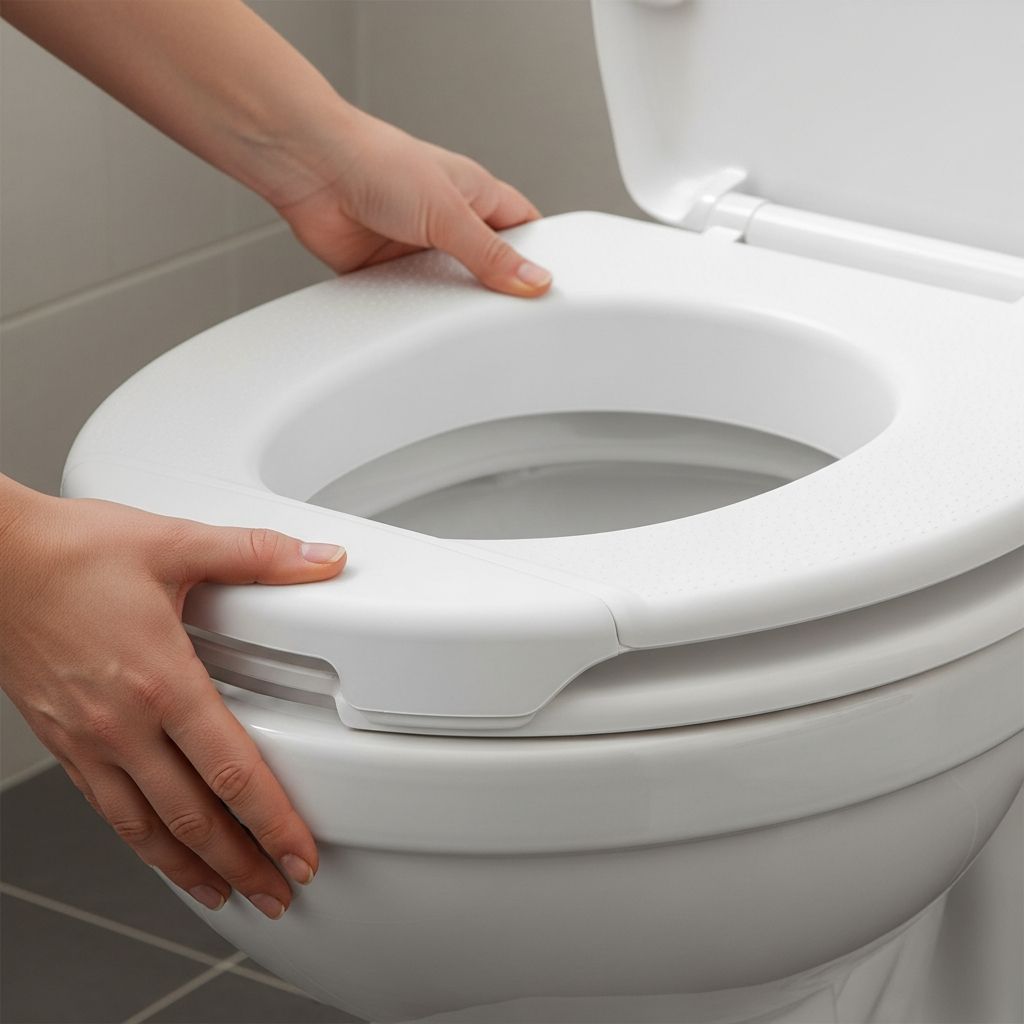
Install Toilet Seat Riser Guide
Toilet seat risers provide essential height adjustments for individuals facing mobility challenges, such as those recovering from surgery or living with arthritis. These devices typically add 2 to 5 inches of elevation, making it easier to sit and stand without strain. Proper installation ensures stability and safety, preventing slips or falls in the bathroom.
Why Add a Toilet Seat Riser to Your Bathroom?
Bathrooms pose significant risks for falls, especially for seniors or post-surgery patients. Standard toilets sit about 15 inches high, which can be too low for comfortable use. A riser elevates the seating surface, reducing the bend required in hips and knees. Models with arms offer additional support during transfers.
- Benefits for mobility: Eases sitting and standing, ideal after hip or knee procedures.
- Safety enhancement: Non-slip designs and locking mechanisms prevent shifting.
- Independence boost: Allows users to maintain privacy without assistance.
- Versatility: Fits most standard and elongated bowls.
According to installation videos from reputable manufacturers, risers restore confidence in daily routines.
Types of Toilet Seat Risers Available
Not all risers install the same way. Understanding varieties helps choose the right one.
| Type | Height Added | Installation Method | Best For |
|---|---|---|---|
| Clamp-On | 3-5 inches | No tools; twists to secure under bowl rim | Quick setup, rentals |
| Locking Knob | 2-5 inches | Turn knob to lock; removable | Standard toilets |
| With Padded Arms | 5 inches | Snap-in arms; knob or clips | Extra support needed |
| Hinge-Mount Elevated Seat | Variable | Screws into bowl holes | Permanent upgrade |
Clamp-on models slide under the rim for a secure grip without removing the existing seat. Locking versions use a front knob for tension.
Gathering Tools and Materials Before Starting
Most risers require minimal equipment, emphasizing tool-free designs for accessibility.
- Phillips screwdriver (for screw-in models only).
- Wrench or pliers (occasional bolt adjustments).
- Rubber gloves for grip and hygiene.
- Cleaning supplies: Mild soap, disinfectant wipes.
- Tape measure to check bowl dimensions (front-to-back inner rim under 15-16 inches ideal).
Measure your toilet first: Standard round bowls are 16.5 inches wide; elongated are 18.5 inches. Verify riser compatibility to avoid wobbling.
Preparation Steps for Safe Installation
Clear the area and clean thoroughly to prevent contamination.
- Turn off water supply and flush to empty the bowl.
- Remove existing seat if needed: Loosen bolts at rear hinges.
- Wipe bowl rim and floor with disinfectant.
- Inspect toilet for cracks or loose bolts—repair before proceeding.
- Dry all surfaces completely.
For used risers, check clamps and mechanisms for wear to ensure stability.
Installing a Clamp-On Toilet Seat Riser
Clamp-on risers are popular for their simplicity and secure under-rim hold.
- Open the clamp fully by turning the adjustment mechanism counterclockwise.
- Lift the toilet lid and seat.
- Position the riser’s back lip under the bowl’s rear rim first.
- Lower the front onto the rim, centering it.
- Twist the knob clockwise until resistance, then tighten further for a firm grip.
- Test by lifting and shaking—ensure no movement.
- Reattach arms if included: Align and press buttons to lock.
This method bypasses the existing seat, adding height directly.
Setting Up a Locking Knob Toilet Seat Riser
These drop over the rim and lock with a front knob.
- Unpack and snap padded arms into side slots if applicable.
- Raise the existing lid and seat.
- Place riser on the bowl, aligning with the front edge.
- Turn the front knob rightward to press the rear pad against the rim.
- Tighten until secure; lift to verify stability.
- Lower lid if it clears; remove lid if it interferes.
Ideal for temporary use, as it removes easily by loosening the knob.
Mounting a Riser with Support Arms
Arms provide leverage for standing, crucial for recovery patients.
- Assemble arms: Insert into slots and secure with clips or buttons.
- Position riser on bowl as above.
- Lock using clamp or knob method.
- Adjust arm height or angle if adjustable.
- Test weight capacity (typically 250-300 lbs).
Arms are removable for cleaning or transfers using slide boards.
Screw-In Elevated Toilet Seat Installation
For permanent solutions like premium quiet-close seats.
- Unthread hinge screws and fold anchors.
- Push anchors into bowl’s rear holes; confirm they unfold underneath.
- Align seat posts with holes.
- Insert and tighten screws with Phillips screwdriver.
- Snap on covers; test quick-release if featured.
Press firmly to reattach after cleaning.
Height Considerations for Different Toilets
Match riser height to your toilet type.
- Standard (14-15 inches): Add 4-5 inches for optimal 18-20 inch seated height.
- Comfort/ADA (17-19 inches): Use 2-inch risers to avoid excess height (max 22 inches recommended).
- Elongated bowls: Ensure 15-inch max inner rim span.
Over-elevation can cause instability; consult occupational therapists for custom needs.
Common Mistakes to Avoid During Setup
Errors compromise safety.
- Skipping bowl inspection: Cracks lead to wobbling.
- Under-tightening: Causes shifting under weight.
- Ignoring compatibility: Mismatched shapes cause gaps.
- Not testing: Always apply body weight gradually.
- Poor cleaning: Bacteria thrive in residues.
Troubleshooting Installation Issues
| Problem | Solution |
|---|---|
| Wobbling | Re-center and re-tighten; check rim for debris. |
| Lid interference | Remove lid or choose low-profile riser. |
| Arms loose | Re-press buttons firmly. |
| Clamp won’t grip | Verify under-rim clearance; replace if worn. |
If issues persist, consult manufacturer videos.
Daily Use Tips and Maintenance
Maximize longevity and hygiene.
- Cleaning: Wipe daily with mild soap; remove for deep cleans weekly.
- Inspection: Monthly checks for wear, especially clamps.
- Use: Grip arms firmly; avoid twisting motions.
- Storage: Disassemble for travel; keep dry.
Removable designs simplify upkeep.
Frequently Asked Questions (FAQs)
Do I need to remove my existing toilet seat?
Depends on type: Clamp-ons go underneath; others over the top.
How much weight do risers support?
Most handle 250-400 lbs; check specs.
Can risers fit all toilets?
Most standard/elongated; measure inner rim (max 15-16 inches).
Are they covered by insurance?
Often as durable medical equipment post-surgery.
How long does installation take?
5-15 minutes, tool-free for most.
Enhancing Bathroom Accessibility Further
Combine risers with grab bars, non-slip mats, and raised sinks for comprehensive safety. Consult professionals for full modifications. These additions significantly reduce fall risks, promoting long-term independence.
References
- Installation – KOHLER Hyten Elevated Quiet-Close Toilet Seat — KOHLER. 2022-08-16. https://www.youtube.com/watch?v=x6Ell-hoqBI
- How to Install a Drive Medical Raised Toilet Seat — Binson’s Hospital Supplies, Inc. (date not specified; accessed 2026). https://www.youtube.com/watch?v=bVXRZ6OKI8s
- How to Install a Raised Toilet Seat without Tools | Clamp-On — EquipMeOT. 2021-02-26. https://www.youtube.com/watch?v=Jk8-6aMKmFw
- Raised Toilet Seat with Arms – Features and How To Assemble — NOVA Medical Products. 2019-08-19. https://www.youtube.com/watch?v=uEU9duzfYxQ
Similar Articles








Read full bio of Sneha Tete