Mount Wood Blinds Bracket-Free: Clever Solutions
Discover innovative, bracket-free methods to securely hang wood blinds and achieve a seamless window treatment look effortlessly.
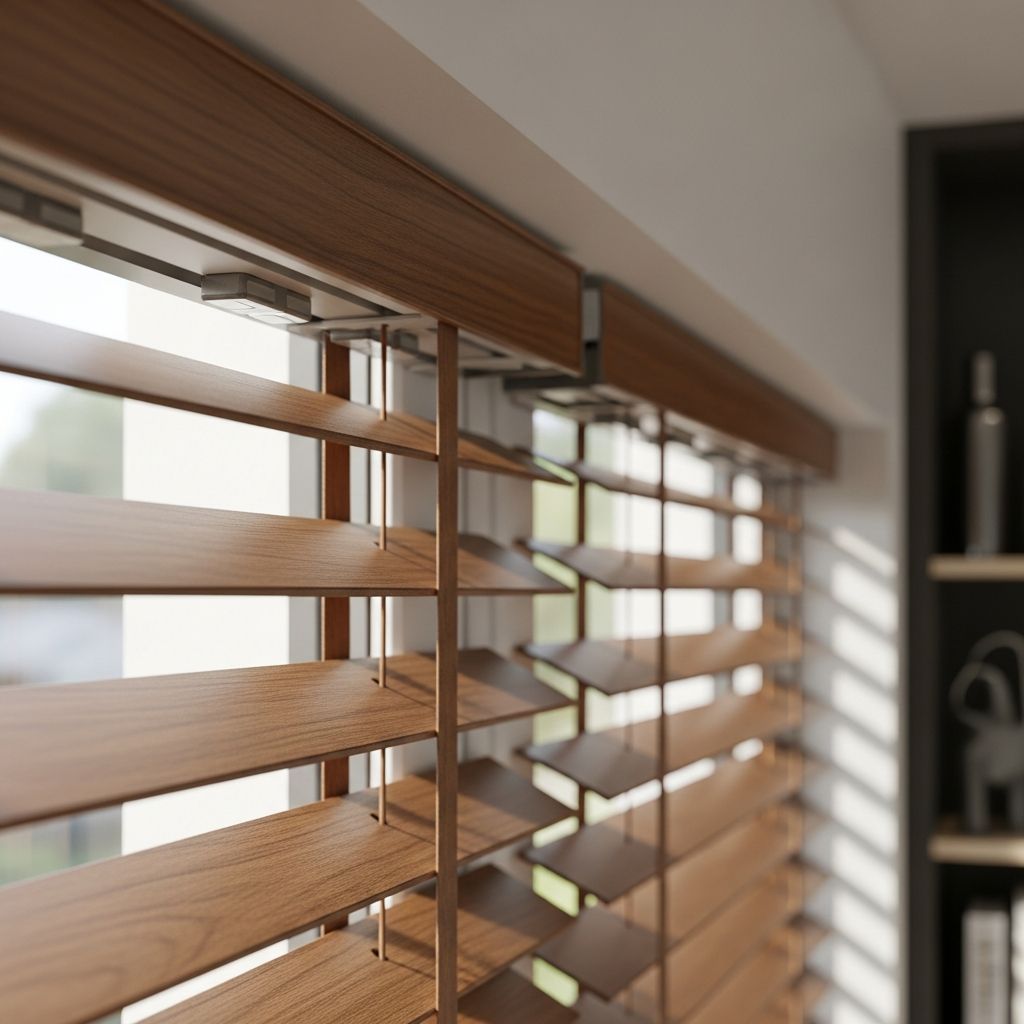
Installing wood blinds typically involves brackets, but what if you want to avoid drilling or visible hardware? Bracket-free methods offer a clean, modern aesthetic ideal for renters, historic homes, or minimalist designs. These techniques use adhesives, tension mechanisms, clips, magnets, and custom fabrications to secure blinds securely while preserving wall integrity.
Why Choose Bracket-Free Installation?
Bracket-free approaches minimize damage to walls or frames, making them renter-friendly and reversible. They suit narrow windows where brackets won’t fit and provide a streamlined look without bulky metal. Wood blinds, prized for their warmth and durability, benefit from these methods as they maintain slat alignment and smooth operation without sagging.
- Damage-free: No holes or screws needed.
- Quick setup: Many methods take under 30 minutes.
- Versatile: Works for inside, outside, or ceiling mounts.
- Cost-effective: Uses affordable household items or hardware store finds.
Essential Tools and Materials for No-Bracket Methods
Gather these items before starting to ensure a smooth process. Most are available at hardware stores or online.
| Method | Key Materials | Tools Needed |
|---|---|---|
| Adhesive Mounting | Heavy-duty double-sided tape, command strips rated for 20+ lbs, foam tape | Level, utility knife, rubbing alcohol |
| Tension Rod System | Adjustable tension rods, wooden battens, L-brackets (non-penetrating) | Tape measure, saw, sandpaper |
| Clip and Grip Technique | Plastic or metal clips, Velcro strips, spring clips | Pliers, scissors |
| Magnetic Attachment | Neodymium magnets, metal headrail plates, epoxy glue | Drill (optional for prep), magnet tester |
Always check blind weight—most wood blinds range 5-15 lbs—and select materials matching that load.
Method 1: Powerful Adhesives for Secure Hold
Adhesives provide the simplest no-drill solution. Heavy-duty tapes grip wood frames or walls firmly, supporting blinds up to 20 lbs.
- Clean surfaces: Wipe mounting areas with rubbing alcohol to remove residue for maximum adhesion.
- Position headrail: Hold the blind’s headrail (top rail) in place using a level. Mark ends on the frame or wall.
- Apply tape: Cut double-sided foam tape or command strips to fit bracket positions. Press firmly onto headrail back and frame for 30 seconds each.
- Mount firmly: Align and press headrail into tape. Use painter’s tape to hold while curing (24 hours recommended).
- Test operation: Tilt slats and raise/lower to ensure smooth movement without shifting.
For wider blinds (>48″), add center supports using extra tape strips. This method excels for inside mounts on smooth surfaces like painted wood or metal frames.
Method 2: Tension Rods for Effortless Adjustability
Tension rods expand to wedge blinds in place, mimicking professional installs without fasteners. Ideal for renters seeking tool-free removal.
- Measure precisely: Width between frame sides minus 1/4 inch for snug fit. Length matches headrail height.
- Attach rods to headrail: Secure two rods (one each end) to headrail underside with epoxy or clamps. Ensure they extend beyond headrail ends.
- Insert into frame: Compress rods, position at frame top, and release to expand. Use a level to confirm evenness.
- Secure extras: For heavy blinds, add rubber pads to rod ends for grip and a center tension brace if over 60″ wide.
- Finalize: Attach valance with clips or magnets over rods for concealment.
This technique draws from standard inside-mount practices but skips screws entirely.
Method 3: Clever Clips and Grips for Quick Setup
Clips grip frame edges or headrail channels, offering a hybrid mechanical hold without penetration. Perfect for faux wood blinds with accessible rails.
- Select clips: Use spring-loaded or over-the-door clips rated for window use.
- Prep frame: Ensure top frame lip is at least 1/2″ wide for clip bite.
- Install side clips: Snap two large clips onto frame top corners, facing inward.
- Slide headrail: Align headrail grooves with clips; push up to lock. Add top-edge clips every 24″ for support.
- Enhance with Velcro: Line clip interiors with adhesive Velcro matching headrail fabric for vibration resistance.
Video demos confirm clips maintain slat alignment during operation.
Method 4: Magnetic Magic for Modern Minimalism
Strong magnets create invisible bonds between metal-plated headrails and frame strips. Best for steel frames or added metal channels.
- Embed magnets: Glue pairs of neodymium magnets (1/2″ diameter, 20+ lb pull) into headrail ends and matching frame spots.
- Protect finish: Cover magnets with felt pads to prevent scratches.
- Align precisely: Test fit dry; mark positions. Apply super glue, press, and hold 5 minutes.
- Mount and test: Snap headrail onto frame magnets. Pull-test for security before full use.
- Scale up: Use 4-6 magnet pairs for spans over 36″.
This yields a floating effect, hiding all hardware.
Custom Wood Battens: A Carpenter’s Bracket Alternative
For DIY enthusiasts, craft slim wooden ledges (battens) that cradle the headrail like invisible brackets.
- Cut battens: Rip 1×2 pine to headrail width plus 2″. Sand smooth.
- Attach securely: Use construction adhesive and finish nails (removable) or pure adhesive for no-trace.
- Shape for hold: Notch front edge to hook headrail front lip.
- Install blinds: Rest headrail into batten grooves; gravity and friction secure it.
Miter corners for outside mounts. This method supports heavier real wood blinds.
Troubleshooting Common No-Bracket Challenges
Even bracket-free installs face issues—here’s how to fix them.
- Sagging center: Add adhesive foam spacers or fishing line ties from headrail to sill.
- Slipping operation: Tighten tilt wand connections; apply rubber shims inside grips.
- Uneven levels: Reapply with extended spirit level; use temporary shims.
- Valance woes: Magnetic or clip-on returns hide gaps seamlessly.
- Removal: Heat adhesive with hairdryer; twist gently for clean pull-off.
Safety and Maintenance Tips
Prioritize safety: Test holds with double the blind weight before daily use. Clean wood slats with microfiber cloths; avoid excess moisture. For corded blinds, secure chains high to prevent child hazards.
Frequently Asked Questions (FAQs)
What surfaces work best for adhesive mounts?
Smooth, non-porous ones like painted wood, metal, or glass. Rough plaster may need primers.
Can these methods handle large windows over 72″?
Yes, with center supports via extra adhesives, magnets, or tension rods spaced evenly.
Are bracket-free installs as durable as screwed ones?
With quality materials, yes—for 5+ years in stable climates. Monitor annually.
How do I remove adhesives without damage?
Use dental floss to saw through tape; apply WD-40 and scrape gently.
Do faux wood blinds work the same as real wood?
Absolutely—lighter weight even improves no-bracket viability.
References
- How To Install Wood Blinds — JustBlinds. Accessed 2026. https://www.justblinds.com/help/installation/wood-blinds
- How to Install Inside Mount Wood/Faux Wood Blinds — SelectBlinds (YouTube). 2020-02-06. https://www.youtube.com/watch?v=r49Yl4p0EeA
- How to Install Window Blinds to Add Privacy to a Home — This Old House. Accessed 2026. https://www.thisoldhouse.com/windows/how-to-install-blinds
- How to Install Blinds or Shades — The Home Depot. Accessed 2026. https://www.homedepot.com/c/ah/how-to-install-blinds-or-shades/9ba683603be9fa5395fab9060681bd9
Similar Articles







Read full bio of Sneha Tete