Installing MDF Baseboards: Complete DIY Guide
Master the art of installing MDF baseboards with adhesive and professional finishing techniques
Installing MDF Baseboards: A Comprehensive DIY Installation Guide
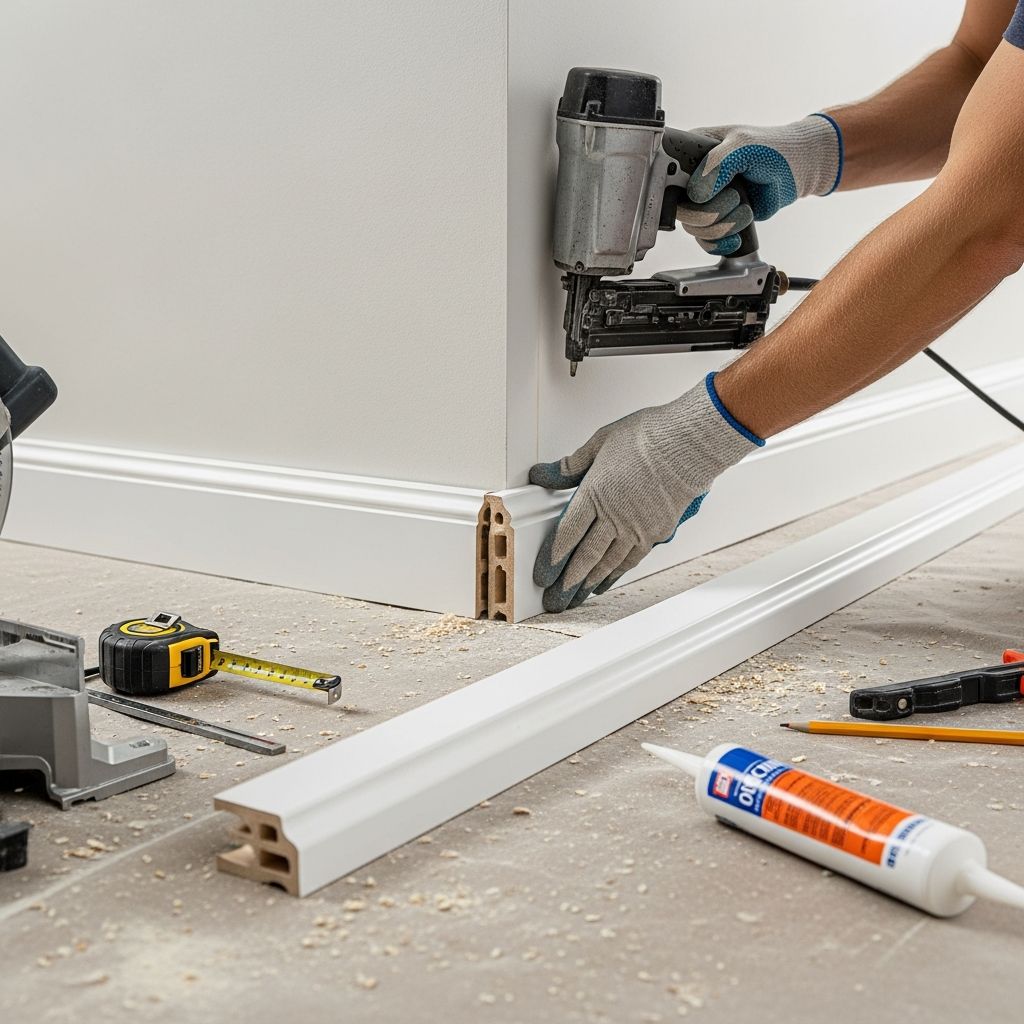
MDF baseboards offer an economical and stylish solution for finishing interior walls while concealing gaps between flooring and wall surfaces. Unlike traditional wood baseboards that require complex miter and cope cuts, MDF baseboard systems utilize specialized corner accessories and adhesive application methods, making the installation process significantly more accessible for homeowners without extensive carpentry experience. This comprehensive guide walks you through every step of the MDF baseboard installation process, from initial planning through final finishing touches.
Understanding MDF Baseboard Materials and Advantages
MDF, or medium-density fiberboard, represents a cost-effective alternative to solid wood baseboards while delivering comparable aesthetic appeal. The material consists of compressed wood fibers bonded with resin, creating a uniform, stable product that resists warping and splitting. MDF baseboards work particularly well in homes with laminate flooring, tile flooring, or vinyl plank installations, where they create smooth transitions and conceal installation gaps.
The primary advantage of choosing MDF baseboards lies in their installation simplicity. Rather than requiring precision angled cuts at every corner, MDF systems include pre-manufactured accessories designed for inside corners, outside corners, seams, and end caps. These components eliminate the need for challenging miter and cope cutting techniques, reducing installation time and increasing the likelihood of professional-looking results.
However, it’s important to note that MDF performs best in dry environments. The material absorbs moisture readily, making it unsuitable for kitchens, bathrooms, or other areas prone to condensation or direct water exposure. In moisture-prone locations, solid wood baseboards remain the superior choice.
Essential Tools and Materials for Your Project
Before beginning your installation, gather the following materials and tools to ensure a smooth workflow:
Materials Required
- MDF baseboard trim (measure your walls and purchase 5–10% extra for mistakes)
- Interior corner accessories
- Exterior corner accessories
- Seam/joint connectors
- End cap pieces
- Construction adhesive (quick-setting montage adhesive recommended)
- Finishing nails or brad nails
- Wood filler or caulk
- Paint or stain (optional)
Tools Needed
- Measuring tape (at least 25 feet)
- Miter saw or circular saw
- Pencil for marking
- Level (2–4 feet)
- Brad nailer or finishing nailer
- Stud finder
- Sandpaper (120–180 grit)
- Caulking gun
- Paintbrushes or rollers
- Dust mask and safety glasses
Pre-Installation Planning and Preparation
Proper preparation dramatically influences the quality of your finished installation. Begin by thoroughly examining each room’s walls and flooring to identify any irregularities, uneven sections, or obstacles that might affect baseboard placement.
Wall Assessment
Walk around each room carefully, noting areas where walls meet at corners, where door casings begin, and where walls transition between rooms. Check for wall irregularities using a straightedge or level. Many homes feature walls that aren’t perfectly plumb or level, which requires special attention during installation.
If your flooring has just been installed, allow it time to acclimate to the room’s temperature and humidity. New flooring may settle slightly, so waiting a few days before installing baseboards ensures they align properly with the final flooring height.
Material Calculation and Purchasing
Measure the perimeter of each room where you plan to install baseboards, recording the linear footage. When purchasing MDF baseboard materials, calculate your total linear footage needed, then add 5–10% extra to account for cutting mistakes and damaged pieces. It’s far better to have leftover baseboard than to discover you’re short mid-installation.
Examine the baseboard profile available at your supplier and consider whether you want to paint or stain the material before or after installation. Pre-painting baseboards often produces cleaner results and allows you to complete painting in a controlled environment before wall installation.
Cutting and Preparing Baseboard Pieces
Initial Measurements
Begin installation work on a single wall, measuring the entire wall length from corner to corner. If your wall contains door casings or other obstacles, measure the sections between these features separately. Record all measurements clearly, and mark each piece with its intended location using a pencil.
When measuring for wall sections that will receive seam connectors, add approximately 1 inch to accommodate the connector hardware. This ensures your baseboard pieces fit properly within the assembled system.
Making Accurate Cuts
Use a miter saw for optimal cutting results. This power tool delivers straight, clean cuts with minimal splintering. Set your miter saw to 90 degrees for standard straight cuts. When cutting baseboard pieces, secure the material firmly and maintain steady pressure throughout the cutting motion.
Always wear safety glasses and hearing protection when operating power saws. Allow the blade to reach full speed before contacting the material, and never force the cutting motion—let the saw’s blade do the work at its own pace.
For pieces requiring butt joints against door casings, ensure your cut is perfectly perpendicular. Double-check each cut by dry-fitting the piece against its intended wall location before applying adhesive.
Strategic Adhesive Application Techniques
The adhesive application method represents one of the key differences between MDF baseboard installation and traditional nail-only approaches. Quality construction adhesive creates a strong, permanent bond while minimizing visible fastening marks.
Adhesive Types and Application Methods
Choose a quick-setting construction adhesive specifically designed for interior trim work. These adhesives typically set within a few hours, allowing you to complete entire rooms in a single day. Apply adhesive in one of two patterns: small drops every 8 inches along the baseboard’s back surface, or continuous beads running the length of the piece.
The drop method distributes adhesive evenly while using less material overall. Space drops approximately 8 inches apart, keeping them slightly inset from both the top and bottom edges. When you press the baseboard against the wall, these drops spread and create a continuous adhesive layer.
Pressing and Securing
After applying adhesive, carefully position the baseboard against the wall, aligning it with any previous pieces and ensuring it sits flush with the floor. Apply steady, even pressure along the entire length, pressing firmly for 30–60 seconds. Some adhesives require longer contact time for maximum strength, so check your product’s instructions.
Even with adhesive, supplemental fastening with brad nails provides insurance against movement while the adhesive cures. Drive one brad nail every 16–24 inches, spacing them to avoid visible nail heads. Position nails slightly below the baseboard’s visual centerline where they’re less noticeable.
Managing Interior and Exterior Corners
Corner treatments significantly impact the baseboard’s overall appearance. MDF baseboard systems include purpose-built accessories that eliminate complex angle cuts.
Installing Interior Corner Accessories
Interior corners, where two walls meet inside a room, require special corner pieces. These L-shaped accessories feature channels or edges designed to receive the baseboard trim ends. Measure to the corner, cut your baseboard to fit flush against the corner accessory, and install the baseboard piece with adhesive and nails.
Then install the corner accessory itself, applying adhesive to its back surface and pressing it firmly into the corner. Ensure the corner piece aligns vertically with the installed baseboard, creating a seamless transition.
Handling Exterior Corner Sections
Exterior corners, where walls extend outward into the room, present a different challenge. These corners require larger, more prominent accessories that protect the trim edges from damage while creating an attractive finished appearance.
Install exterior corner accessories by first installing the corner piece itself, then fitting baseboard sections into its receiving channels on both sides. This approach ensures the corner piece sits flush with both wall surfaces and maintains proper alignment throughout the room.
Seaming Long Walls and Managing Joints
Many rooms feature walls longer than standard baseboard lengths, requiring seamed connections between pieces. Proper seaming techniques ensure these joints remain invisible once finishing is complete.
Seam Connector Installation
Seam connectors overlap two baseboard pieces, creating a strong, seamless joint. Install the first baseboard piece up to within 2–3 inches of where the seam connector will sit. Then install the seam connector with adhesive and nails, ensuring it aligns with the existing baseboard.
The second baseboard piece then fits into the seam connector’s receiving channel. Apply adhesive to both the back of the second piece and inside the seam connector, then press the piece firmly into place.
Some installers prefer gluing seam connections without additional nailing, while others recommend supplemental fastening through the seam connector into wall studs. Both approaches work effectively; choose based on your comfort level with the adhesive’s holding power.
Addressing Uneven Floors and Walls
Many homes feature uneven floors or walls that complicate baseboard installation. Rather than fighting these irregularities, skilled installers adapt their approach to accommodate natural variations.
Shimming Techniques
In areas where baseboards sit unevenly against the floor, thin shim materials wedged behind the baseboard create a level installation line. Position shims strategically where gaps appear between the baseboard bottom and flooring, pressing them firmly behind the trim. Once the adhesive cures, trim any protruding shim material with a utility knife.
Scribing for Contoured Walls
When walls curve or bow irregularly, direct baseboard installation leaves visible gaps. Professional installers use a scribing technique: place a shim against the wall’s high point while holding a pencil against the baseboard at the same height. Slide the shim along the wall, keeping the pencil contact constant. This creates a pencil line that exactly matches the wall’s contours.
Mark this scribed line on your baseboard, then use an orbital sander or fine saw to remove material along the line. The baseboard now fits perfectly against even the most irregular wall surface.
Finishing Touches and Professional Detailing
Final finishing work transforms your installation from merely functional to genuinely polished and professional.
Filling Nail Holes and Gaps
Once adhesive has fully cured (typically 24 hours), fill any visible nail holes with quality wood filler matching your baseboard color. Apply filler with a putty knife, pressing it firmly into holes and smoothing the surface level with the surrounding material. After drying, sand the filled areas lightly with 180-grit sandpaper until they’re flush with the baseboard surface.
For gaps between the baseboard and wall, use paintable caulk rather than wood filler. Caulk remains slightly flexible, accommodating minor wood movement and seasonal expansion, whereas rigid filler might crack under stress. Apply caulk in a continuous bead, smooth it with a wet finger, and allow it to cure before painting.
Painting and Protective Finishing
If you haven’t pre-painted your baseboards, complete all painting work before installing trim accessories and corner pieces. Once the installation is complete, apply a final coat of paint to any visible nail holes, scribed areas, or seams that weren’t painted beforehand.
Choose paint that complements your room’s color scheme. Many homeowners opt for white or off-white baseboards that coordinate with crown molding and other trim elements, though darker colors create dramatic accents in contemporary interior designs.
Common Installation Mistakes and How to Avoid Them
Even experienced installers encounter challenges. Awareness of common pitfalls helps you sidestep these issues:
- Over-applying adhesive: Excessive adhesive squeezes out from behind baseboards, creating messy cleanup and visible residue. Use the measured drop or bead method rather than applying adhesive liberally.
- Insufficient fastening: Relying solely on adhesive without supplemental nailing risks movement before the adhesive fully cures. Always add brad nails for reinforcement.
- Ignoring moisture environments: Installing MDF in bathrooms or kitchens virtually guarantees future swelling and damage. Reserve MDF for dry rooms and use solid wood in moisture-prone areas.
- Misaligned corners: Failing to pre-position corner accessories before installing surrounding baseboard leads to misaligned transitions. Always install accessories first, then cut baseboard to fit.
- Inaccurate measurements: Measuring once and assuming consistency throughout a room creates fit problems. Measure each wall section independently.
Timeline and Project Planning
Most single-room baseboard installations require 4–8 hours of active work, depending on room complexity and corner count. Budget additional time for paint drying and adhesive curing. A typical project timeline progresses as follows:
- Day 1: Material measurement, purchasing, and pre-painting (if desired)
- Day 2: Cutting, dry-fitting, and initial installation with adhesive
- Day 3: Completing second and third walls while first-wall adhesive cures
- Day 4: Installing corner accessories, seam pieces, and final touches
- Days 5–6: Final painting, caulking, and cleanup
This timeline assumes working several hours each evening or a full weekend project. Professional installers typically complete baseboard installation more quickly through sheer experience and efficiency, while first-time DIYers may require additional time.
Frequently Asked Questions About MDF Baseboard Installation
Can I install MDF baseboards over existing baseboards?
Yes, provided the existing baseboards are securely fastened and in good condition. Clean the existing surface thoroughly, removing dust and debris that might prevent proper adhesive contact. Adding a new layer increases total baseboard height slightly, which you should consider relative to room proportions.
What’s the minimum thickness for reliable adhesive-based installation?
MDF baseboards of at least 5/8 inch thickness provide sufficient material mass for strong adhesive bonding. Thinner materials may separate over time, particularly in high-traffic areas where baseboards receive physical contact.
How long must adhesive cure before the baseboard can withstand pressure?
Quick-setting construction adhesives typically develop sufficient strength within 2–4 hours for light contact, but full cure requires 24 hours. Avoid placing heavy objects against freshly installed baseboards and don’t apply vacuum pressure against newly installed sections for at least one full day.
Should baseboards be installed before or after carpet installation?
Baseboards typically install after flooring, with a 1-inch clearance above the final floor surface to accommodate carpet padding and material thickness. If carpet hasn’t been installed, leave approximately 1 inch of clearance for the carpet and padding layers.
What adhesive works best for MDF baseboards?
Interior-grade construction adhesive or polyurethane-based trim adhesives work effectively with MDF. Avoid latex-based adhesives, which don’t bond well to MDF’s dense surface. Select quick-setting formulas that develop strength within hours rather than days.
References
- How to Install Baseboards — The Home Depot. 2025. https://www.homedepot.com/c/ah/how-to-install-baseboard/9ba683603be9fa5395fab901a97a162
- How to Install MDF Baseboard — HowToSpecialist. 2025. https://howtospecialist.com/indoor/flooring/how-to-install-mdf-baseboard/
- How to Install Baseboard Yourself: A Step-by-Step Guide — Thrift Diving. 2025. https://thriftdiving.com/install-baseboard/
- A Beginner’s Guide to Installing Baseboards: A Step-by-Step Tutorial — Timber and Twine Home. 2025. https://timberandtwinehome.com/a-beginners-guide-to-installing-baseboards-a-step-by-step-tutorial/
- If you are using MDF Baseboards/casing… please read — Sawmill Creek Woodworking Community. 2025. https://sawmillcreek.org/threads/if-you-are-using-mdf-baseboards-casing-please-read.199922/
Similar Articles







Read full bio of medha deb