Is Your Home Truly Clean? A Room-by-Room Guide to a Healthier House
Go beyond tidy: how to see—and solve—the hidden dirt and germs in every room.
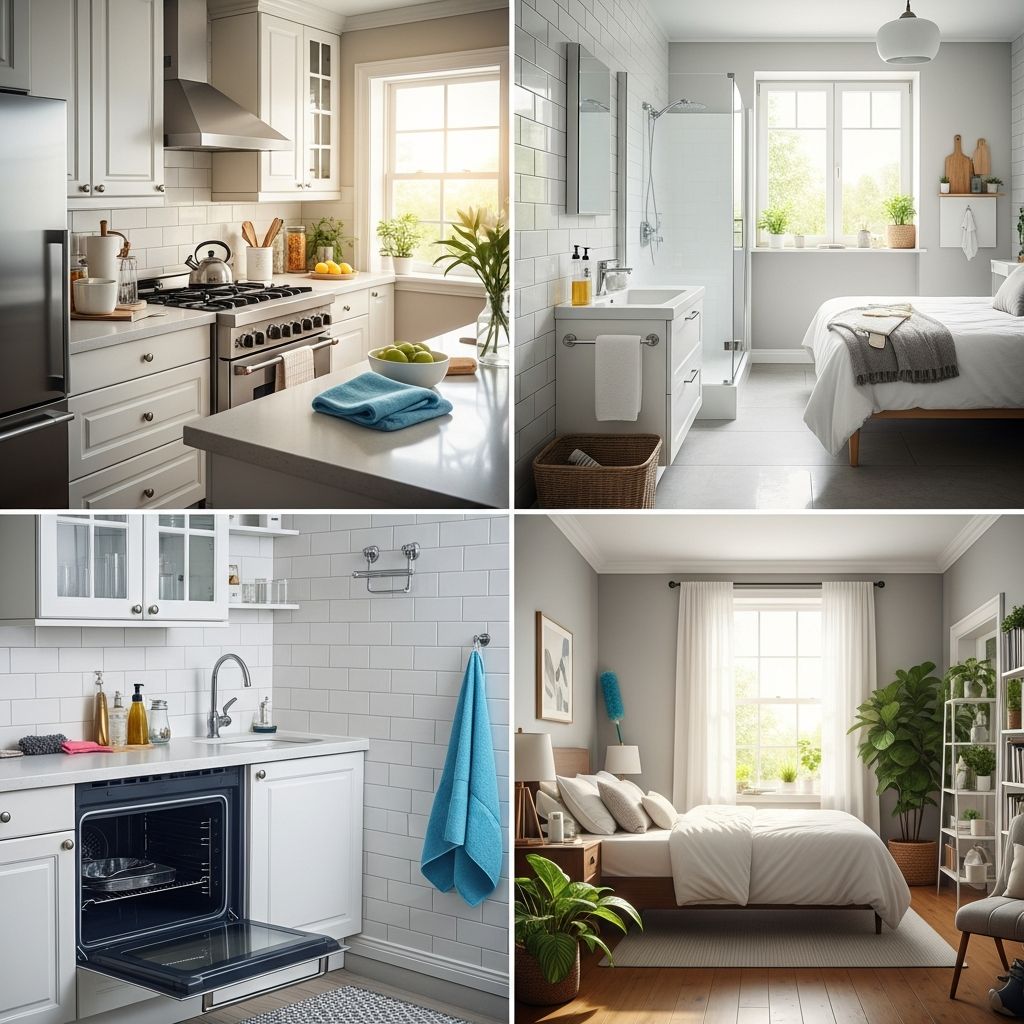
Most homes look cleaner than they actually are. Crumbs vanish into couch cushions, dust clings to ceiling fans, and bathroom germs linger in places that rarely meet a cleaning cloth. This guide helps you look at each room with fresh eyes, understand what “clean” really means, and build simple routines that keep your house healthier and easier to maintain.
What “Clean” Really Means (Beyond Looking Neat)
A visually tidy home is not always a hygienic home. True cleanliness blends three elements: surface order, removal of germs and allergens, and good air quality. When these work together, your rooms feel fresher, smell better, and support your health rather than challenge it.
Instead of chasing perfection, aim for a home that is safe, reasonably organized, and regularly maintained. Small, consistent habits beat occasional marathon cleaning sessions, especially in busy households with kids, pets, or frequent guests.
Quick Self-Check: How Clean Is Your Home?
Use this mini checklist to get an honest snapshot of your home’s current condition. You don’t need to inspect every corner; just walk through and answer each question quickly and honestly.
- Do you see dust on ceiling fans, vents, or the tops of doors when you look up?
- Are kitchen counters fully cleared and wiped daily, or do crumbs and sticky spots linger?
- Does the bathroom smell fresh, or are there lingering odors even after you clean?
- When you move your sofa cushions, do you find crumbs, pet hair, or small objects?
- Are trash cans emptied and washed frequently, or only when they overflow?
- Do you notice pet hair on furniture and fabrics, even right after vacuuming?
- Is there clutter on flat surfaces (nightstands, entry tables, dining table) most of the time?
- Are air vents, filters, and return grilles free of visible dust buildup?
If several of these questions made you wince, your home probably looks cleaner than it truly is. That’s normal—but it’s fixable once you know where to focus.
Room-by-Room Cleanliness Scorecard
The table below breaks your home into key zones and highlights what a truly clean space looks like, common problem signs, and simple upgrades you can make.
| Room | Signs It’s Genuinely Clean | Red Flags to Watch For | Easy Upgrade This Week |
|---|---|---|---|
| Kitchen | Cleared counters, sanitized prep areas, sink drained and scrubbed, trash emptied, floor free of crumbs and sticky spots. | Greasy backsplash, crumbs in corners, sticky cabinet handles, old food containers in fridge. | Choose one zone (sink, fridge shelves, or stove) and deep clean it thoroughly. |
| Bathroom | Fresh smell, clean fixtures, clear mirror, dry surfaces, laundered towels and mats. | Persistent odor, soap scum on glass or tile, hair in corners, stained grout. | Disinfect high-touch points: faucets, handles, flush lever, light switches. |
| Bedroom | Fresh bedding, dust-free surfaces, minimal clutter, vacuumed or swept floors. | Piles of clothes, dusty nightstands, musty smell, overcrowded floors. | Strip the bed, vacuum the mattress surface, and wash all bedding. |
| Living areas | Decluttered surfaces, dusted shelves, vacuumed upholstery, clean electronics. | Visible dust on TV and shelves, crumbs in couch, sticky coffee table rings. | Remove all cushions and vacuum under and behind them thoroughly. |
| Entry & hallways | Clear pathways, contained shoes and coats, swept or vacuumed floors. | Shoe piles, mail stacks, dirt tracks, pet hair accumulation. | Add a mat inside and outside the main door and enforce a “wipe or shoes-off” rule. |
Kitchen: From Germ Hotspot to Safe Prep Zone
The kitchen is where food, moisture, and frequent hand contact collide. That combination makes it one of the most important rooms to keep truly clean, not just visually neat. Focus on food-contact surfaces, high-touch points, and any place where crumbs can hide.
Key spots people overlook
- Sink basin, faucet handles, and behind the faucet.
- Cabinet pulls and appliance handles (fridge, microwave, oven).
- Under small appliances such as toasters and coffee makers.
- Trash and recycling lids, plus the floor around them.
- Seams, corners, and grout lines along counters and backsplash.
Simple kitchen cleaning routine
Build a daily and weekly rhythm instead of waiting for messes to pile up.
- Daily: Clear and wipe counters, wash or load dishes, wipe the stove top, empty or consolidate trash.
- Every few days: Disinfect sink and faucet, clean microwave interior, spot mop sticky floor areas.
- Weekly: Wipe cabinet fronts and handles, clean appliance exteriors, move items on counters and clean underneath.
- Monthly: Sort fridge and pantry, discarding expired food and wiping shelves as you go.
Bathroom: Small Room, Big Germ Load
Bathrooms accumulate moisture, which encourages mold, mildew, and lingering odors. Any truly clean bathroom controls moisture, prevents buildup, and keeps high-touch surfaces disinfected regularly.
Hidden trouble zones
- Toothbrush holders, soap dishes, and cup trays that collect residue and water.
- The base and back of the toilet, where splashes and dust mix.
- Shower curtains or liners with subtle discoloration near the bottom.
- Exhaust fan covers clogged with dust, making ventilation less effective.
- Grout lines and corners where water lingers after showers.
Moisture-smart bathroom habits
- Run the exhaust fan during and at least 15–20 minutes after showers.
- Hang towels fully open to dry; avoid leaving them crumpled or stacked.
- Use a small squeegee on shower walls or glass doors after use to reduce soap scum.
- Keep a container of cleaning wipes or a bathroom-safe spray on hand for quick daily touch-ups.
- Wash bath mats and towels weekly, or more often in high-traffic households.
Bedroom: How Clean Is Your Resting Space?
A peaceful bedroom does more than look inviting; it supports better sleep and air quality. Dust, clutter, and infrequent bedding changes quietly undermine how restful your room feels and how healthy it is to breathe there overnight.
Checklist for a truly clean bedroom
- Wash sheets and pillowcases weekly, and duvet covers every one to two weeks.
- Dust all surfaces from high to low, including headboards, lamps, and picture frames.
- Vacuum or sweep under the bed, not just around it.
- Rotate or flip the mattress as recommended by the manufacturer.
- Keep only current-use items on nightstands to reduce clutter and dust traps.
Reducing bedroom allergens
If anyone in your home has allergies or asthma, the bedroom requires special attention. Consider washable pillow protectors and mattress encasements, and vacuum soft surfaces slowly with a HEPA-type filter for better dust capture.
Open windows when weather allows to exchange stale indoor air for fresh outdoor air, and keep pets off the bed if dander is a concern.
Living Room & Family Spaces: Where Clutter Hides Dirt
Shared living spaces gather people, possessions, and snacks—which means they also gather dust, crumbs, and fingerprints. A truly clean living room balances comfort with order, making it easy to relax and easy to tidy.
Signs your living room needs deeper attention
- Remote controls, game controllers, or touchscreens feel slightly sticky.
- Throw blankets and pillows look dingy or smell stale.
- There are rings from cups or snacks on tables and shelves.
- Plants have dusty leaves or built-up water marks on saucers.
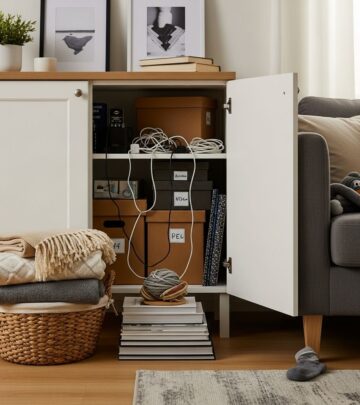
- Cord clutter around outlets and media centers traps dust bunnies.
Fast reset routine for shared spaces
- Gather trash and dishes first to remove obvious clutter quickly.
- Fold blankets, fluff pillows, and put toys or books back into designated baskets or bins.
- Dust surfaces from top to bottom, then vacuum or sweep the entire floor area.
- Use a slightly damp microfiber cloth for screens and remotes to reduce streaks and avoid liquid damage.
- Spot treat any fresh stains on upholstery or rugs right away, before they set.
Entryways, Hallways, and High-Traffic Zones
These transitional spaces may not be where you spend the most time, but they strongly influence how clean your home feels overall. They also track in dirt and outdoor pollutants that spread throughout the house if not controlled.
Contain the mess at the door
- Place sturdy doormats outside and washable rugs just inside entries.
- Use a shoe rack or basket to encourage a shoes-off habit for family and guests.
- Designate hooks or a wall rack for coats, bags, and leashes to keep them off the floor.
- Give keys, mail, and wallets a specific drop zone to prevent random surface clutter.
- Sweep or vacuum these areas several times a week, especially in wet or muddy seasons.
Air Quality, Fabrics, and the “Invisible Clean”
Not all cleanliness is visible. The air you breathe, the fabrics you touch, and the dust you do not immediately see all influence how healthy your home really is. Paying attention to this “invisible clean” helps reduce allergies, odors, and long-term buildup.
Habits that improve invisible cleanliness
- Change or clean HVAC filters according to manufacturer guidelines.
- Vacuum upholstered furniture, drapes, and pet beds regularly, not just carpets.
- Open windows periodically to allow fresh air exchange, weather permitting.
- Launder throw blankets and cushion covers as often as you wash bath towels.
- Avoid heavily perfumed sprays that mask odors and focus instead on removing the source.
A Realistic Cleaning Schedule That Actually Works
Even the best cleaning plan fails if it doesn’t fit your life. Instead of aiming for perfection, design a routine that respects your schedule and energy level while still covering the most important tasks.
Sample minimal-stress weekly structure
Adjust the days to fit your calendar; the key is assigning categories to specific times so you’re not trying to do everything at once.
- Everyday (10–20 minutes): quick tidy of main living area, dishes, wipe kitchen counters, bathroom touch-up, light clutter reset.
- Once a week: floors (vacuum, sweep, mop), full bathroom clean, dust major surfaces, change bedding, empty and wipe trash cans.
- Once a month: detail one area (inside fridge, under furniture, window tracks, or a closet).
- Seasonally: declutter clothes and linens, deep clean windows, wash curtains, and check under-used spaces like guest rooms or storage corners.
Use timers to break tasks into short sprints, involve family members when possible, and focus on consistency over intensity. A slightly imperfect routine done regularly will leave your home far cleaner than occasional “all-or-nothing” efforts.
Frequently Asked Questions About Home Cleanliness
How often should a “typical” home be cleaned?
Most homes do best with light daily maintenance plus deeper weekly and monthly tasks. Daily cleaning prevents dishes, clutter, and crumbs from getting out of hand, while weekly sessions handle bathrooms, floors, and dust that impact health and comfort.
What matters more: disinfecting or decluttering?
Both matter, but in different ways. Disinfecting targets germs and is especially important in kitchens and bathrooms, while decluttering reduces dust and makes all types of cleaning faster and more effective.
How can I tell if a room is truly clean or just looks tidy?
Look beyond flat surfaces and glance under, behind, and above. A truly clean room has dust-free high surfaces, minimal clutter under furniture, clean fabrics, and fresh air rather than heavy scents or lingering odors.
Is it possible to maintain a clean home with kids or pets?
Yes, but it requires realistic expectations and simple systems. Baskets for fast toy pickup, washable throws on furniture, regular vacuuming, and clear family responsibilities make a huge difference without demanding perfection.
Where should I start if my house feels overwhelmingly messy?
Start with the area you see and use the most, such as the kitchen or living room, and work in small sections. Set a short timer, finish one clearly defined area, and then decide whether to stop or continue—visible wins build motivation quickly.
Bringing It All Together
A truly clean home is not about spotless perfection or trendy organizing systems; it is about creating a space that supports your health, routines, and peace of mind. By understanding how each room collects dirt and germs, you can target your efforts where they matter most, one small habit at a time.
As you adjust your routines and pay attention to hidden trouble spots, you will notice that cleaning takes less effort and your home feels fresher day after day. The goal is progress and consistency, not an unrealistic standard that leaves you exhausted.
Similar Articles








Read full bio of Sneha Tete