Japandi Style: Transform Your Home
Discover how Japandi style blends Japanese minimalism and Scandinavian warmth for serene, functional living spaces that inspire tranquility.
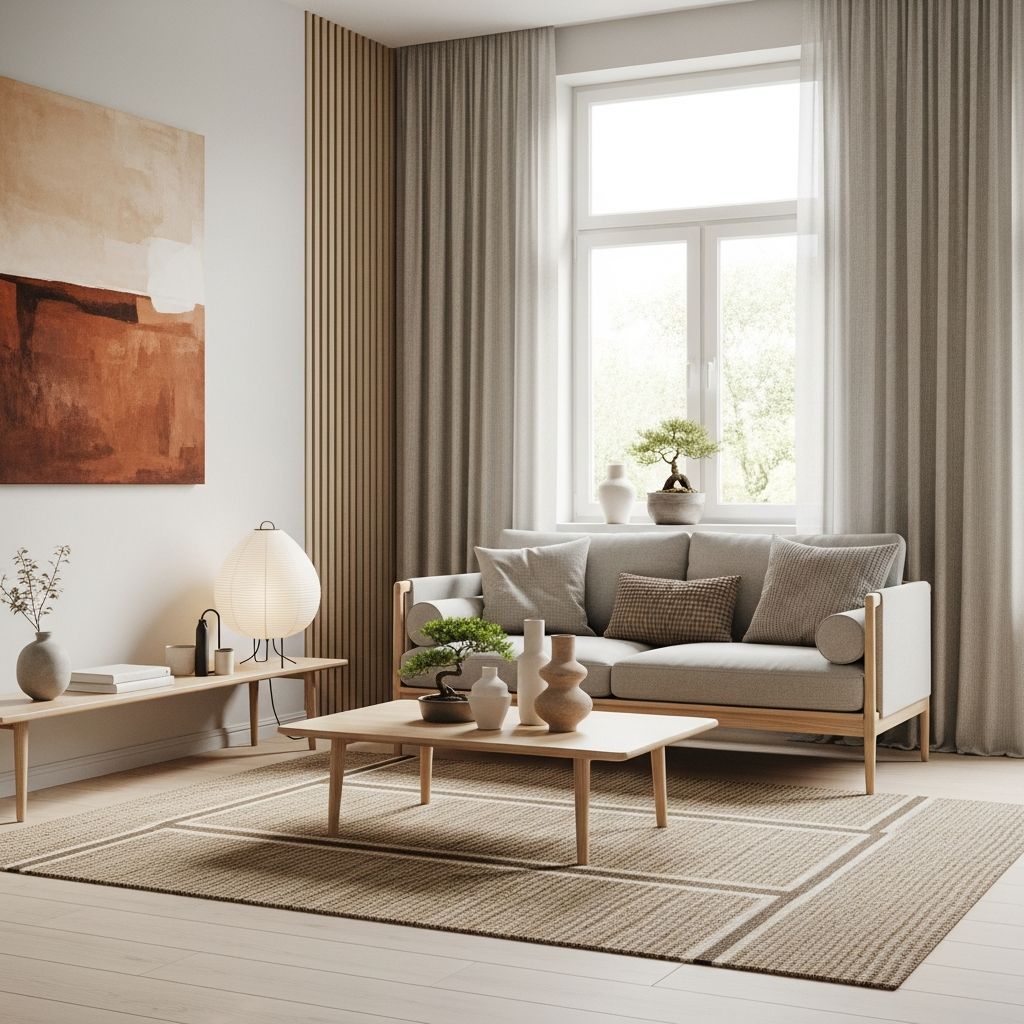
Japandi style merges the clean simplicity of Japanese design with the cozy functionality of Scandinavian aesthetics, creating spaces that feel both tranquil and inviting. This fusion emphasizes natural materials, subdued colors, and thoughtful minimalism to foster a sense of calm in everyday living.
Understanding the Essence of Japandi
At its core, Japandi draws from two distinct cultural traditions. Japanese design prioritizes wabi-sabi—the beauty of imperfection and transience—while Scandinavian hygge celebrates warmth and comfort. Together, they produce interiors that are uncluttered, light-filled, and deeply connected to nature.
Key principles include functionality without excess, harmony with the environment, and a focus on quality over quantity. Spaces avoid bold patterns or ornate details, opting instead for organic textures and subtle elegance that age gracefully over time.
Core Materials for Authentic Japandi Look
Natural elements form the backbone of Japandi interiors. Wood in warm tones like oak or walnut provides grounding warmth, while rattan and bamboo add lightweight texture. Ceramics and stone surfaces contribute durability and a tactile appeal, mimicking earth’s raw beauty.
- Wood: Choose solid pieces with visible grain for furniture and accents.
- Fabrics: Linen, wool, and cotton in neutral weaves for upholstery and throws.
- Metals: Matte black or brushed brass for subtle hardware.
- Stone/Ceramics: Polished yet understated for countertops and vases.
These materials not only enhance visual serenity but also promote sustainability, aligning with the eco-conscious ethos of both influencing styles.
Color Palettes That Evoke Serenity
Japandi relies on a restrained palette inspired by nature: soft beiges, warm grays, creamy whites, and earthy taupes dominate. Accents in muted greens, sage, or charcoal add depth without overwhelming the space.
| Primary Colors | Accent Shades | Best Uses |
|---|---|---|
| Beige, Off-White | Sage Green | Walls, Upholstery |
| Warm Gray | Charcoal | Floors, Textiles |
| Taupe, Sand | Muted Terracotta | Accents, Rugs |
Avoid vibrant hues; let natural light amplify the subtle tones for a luminous effect.
Designing Your Living Room in Japandi
The living room becomes a haven of relaxation with low-profile seating, a wooden coffee table, and layered textiles. Position furniture to maximize natural light, incorporating large windows or sheer curtains. Greenery in simple pots introduces life without clutter.
- Opt for a modular sofa in beige linen.
- Pair with a live-edge wood table.
- Add handmade ceramic lamps for soft glow.
- Incorporate a jute rug for underfoot warmth.
This setup encourages mindful lounging, blending utility with understated beauty.
Creating a Japandi Kitchen Oasis
In kitchens, Japandi shines through seamless cabinetry in matte finishes, wooden open shelving, and ceramic backsplashes mimicking stone. Functional islands with bar stools in natural fibers keep the space practical yet poetic.
Embrace hidden storage to maintain clean lines, and integrate herbs in ceramic planters for freshness. Neutral tones on walls allow food prep areas to feel expansive and calm.
Bedroom Retreats with Japandi Calm
A Japandi bedroom prioritizes rest with a platform bed in light wood, crisp linens, and minimal nightstands. Wall-mounted sconces free up floor space, while a single large plant or vase serves as focal point.
- Layer bedding in whites and taupes.
- Use blackout shades in linen for light control.
- Incorporate a woven basket for storage.
The result is a sleep sanctuary that promotes rejuvenation through simplicity.
Bathroom Sanctuaries Embracing Nature
Transform bathrooms with floating vanities in oak, matte black fixtures, and pebble flooring. Freestanding tubs paired with bamboo screens evoke spa-like serenity. Ceramic tiles in textured, earthy patterns add subtle interest.
Incorporate diffused lighting and live-edge mirrors for a grounded, reflective space.
Dining Areas for Mindful Gatherings
Japandi dining features extendable wooden tables with wishbone chairs in neutral upholstery. Pendant lights in rattan cast warm shadows, encouraging intimate meals. Keep centerpieces minimal—perhaps a wooden tray with seasonal greens.
Incorporating Greenery and Light
Plants are vital, with fiddle-leaf figs, snake plants, or bonsai in unglazed pots. Maximize daylight through sheer fabrics and strategic mirrors. Evening ambiance comes from layered lamps rather than harsh overheads.
Furniture Choices for Timeless Appeal
Select multifunctional pieces: a storage ottoman, nesting tables, or a sofa bed. Prioritize craftsmanship—handmade or solid wood over mass-produced items. Low silhouettes enhance spaciousness.
Textures and Layers for Depth
Build interest through varied textures: smooth ceramics against rough linens, polished wood beside woven baskets. This tactile variety enriches the neutral palette without visual chaos.
Sustainable Practices in Japandi
Japandi inherently supports eco-living with reclaimed woods, recycled metals, and durable goods. Choose FSC-certified timber and low-VOC paints to minimize environmental impact.
Entryways and Hallways: First Impressions
A console table with a single vase and wall hook maintains flow. Pale walls and a runner rug in sisal guide the eye seamlessly into the home.
Personalizing Without Clutter
Add personal touches sparingly: a cherished artwork in a slim frame or family pottery. Rotate items seasonally to keep spaces feeling fresh.
Common Mistakes to Avoid
- Overloading with decor—edit ruthlessly.
- Ignoring scale—low furniture needs space to breathe.
- Using glossy finishes—matte rules for authenticity.
Budget Tips for Japandi Makeovers
Start with paint and textiles, then invest in key furniture. Thrift for wood pieces and upcycle with neutral cushions. DIY woven wall hangings add custom flair affordably.
FAQs
What makes Japandi different from minimalism?
Japandi adds warmth and natural textures to pure minimalism, focusing on comfort alongside spareness.
Can Japandi work in small spaces?
Yes, its low-profile furniture and light colors make tight areas feel larger and airier.
How do I introduce Japandi gradually?
Begin with neutrals on walls, swap textiles, then layer in wood accents over time.
Is Japandi suitable for families?
Absolutely—durable materials and hidden storage handle daily life while preserving calm.
What plants fit Japandi best?
Opt for low-maintenance greens like pothos, ZZ plants, or Japanese maples in simple pots.
References
- What is Japandi Interior Design? — basq by LARQ. 2023. https://basq.livelarq.com/design/what-is-japandi-interior-design/
- Japandi style and interior — IKEA. 2023. https://www.ikea.com/be/en/ideas/styles/japandi/
- Shanty’s JAPANDI Style Oasis — Emily Henderson Style. 2023. https://stylebyemilyhenderson.com/allprace-japandi-style-home
- Japandi interior design with ceramic surfaces: 5 furnishing ideas — Marca Corona. 2023. https://www.marcacorona.it/en/news-trends/design-trends/japandi-interior-design-with-ceramic-surfaces-5-furnishing-ideas-for-kitchens-bathrooms-and-other-home-projects/
Similar Articles








Read full bio of medha deb