Joining Copper and PVC Pipes Effectively
Master reliable techniques for linking copper and PVC pipes in your plumbing projects with step-by-step guidance and pro tips.
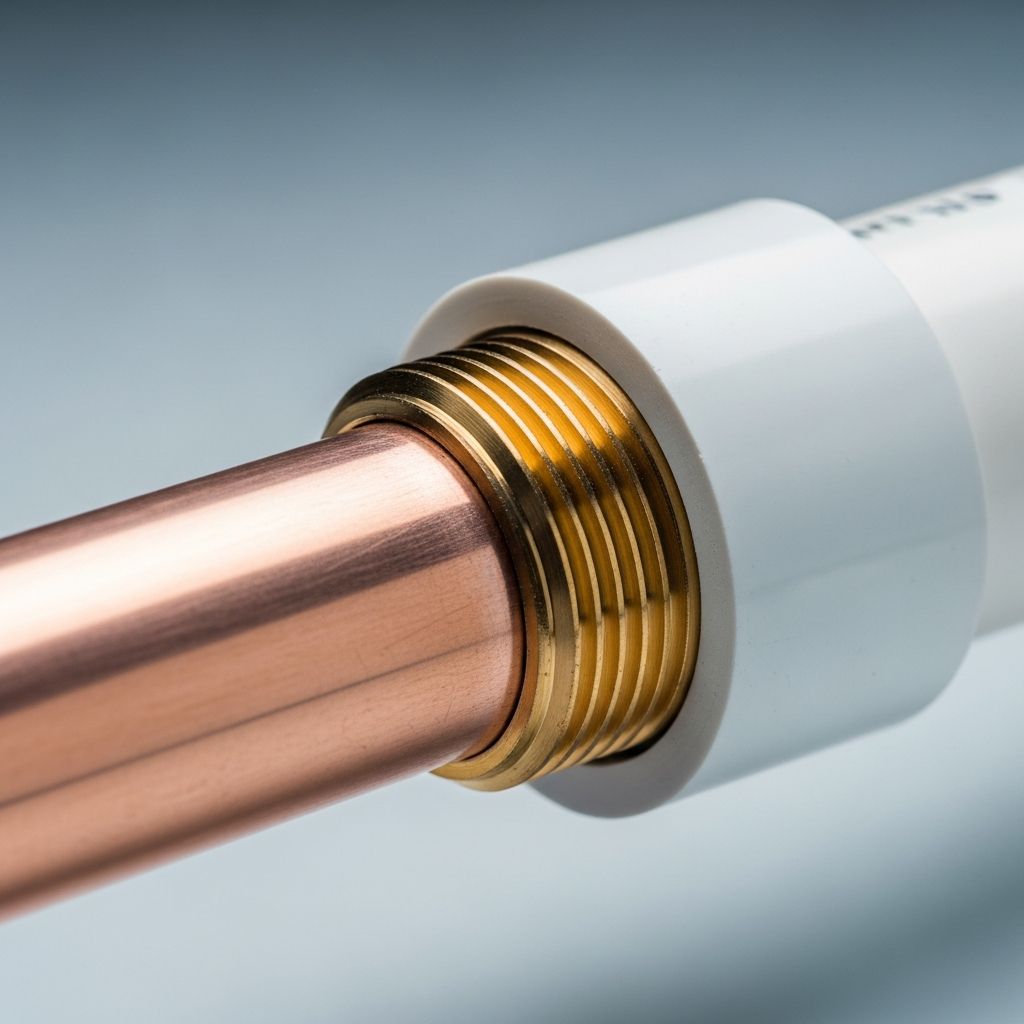
Combining copper and PVC pipes is a common need in plumbing upgrades, repairs, and new installations. Copper offers excellent durability for water supply lines, while PVC provides cost-effective solutions for drainage and vent systems. Direct connections between these materials require specialized fittings to account for differences in expansion, pressure handling, and joining techniques. This guide explores reliable methods, tools, and precautions to achieve secure, long-lasting joints.
Why Transition Between Copper and PVC?
Plumbing systems often mix materials due to evolving standards and practical needs. Copper excels in hot water lines for its heat resistance, but PVC dominates in non-pressurized applications like drains because of its corrosion resistance and lightweight nature. Transitions occur during renovations, when extending existing lines, or retrofitting older homes. Key challenges include thermal expansion mismatches—copper expands more than PVC—and incompatible bonding methods: soldering for metal versus solvent cement for plastic.
Local building codes dictate permissible methods, so verify compliance before starting. Most areas allow transition fittings, but some restrict certain adapters in potable water systems. Always prioritize fittings rated for your application’s pressure and temperature.
Essential Tools and Materials
Gathering the right equipment ensures smooth work and prevents leaks. Here’s a breakdown:
- Pipe cutters: Dedicated cutters for copper (rotary style) and PVC (guillotine type) for clean, square cuts.
- Deburring tools: Remove burrs from copper ends to avoid damaging seals.
- Soldering kit: Torch, solder, flux, and abrasive pad for copper-to-adapter joints.
- Solvent cement and primer: PVC-specific purple primer and cement for plastic sides.
- Transition fittings: Adapters, elbows, couplings (e.g., copper solder x PVC socket).
- Push-fit fittings: SharkBite or similar for no-tool connections.
- Measuring tools: Deburr/gauge tools for insertion depth, especially with push-fits.
Invest in quality items; cheap cutters lead to uneven cuts and failures.
Primary Method: Using Transition Adapter Fittings
The most straightforward approach uses hybrid adapters with a solder end for copper and a socket end for PVC. These fittings bridge material differences effectively.
Step-by-Step for Copper Side Preparation
- Cut copper pipe squarely using a rotary cutter. Avoid hacksaws for jagged edges.
- Deburr inside and outside edges with a reaming tool.
- Clean the pipe end with emery cloth or abrasive pad until shiny.
- Apply flux to the cleaned copper end and inside the adapter’s copper socket.
- Slide the adapter onto the pipe and heat evenly with a torch. Apply solder when flux bubbles; it draws in via capillary action.
- Allow cooling without disturbance—rushing causes weak joints.
Step-by-Step for PVC Side Preparation
- Measure and cut PVC pipe square, deburring the end.
- Clean both pipe and adapter socket with purple primer; let dry briefly.
- Apply a thick layer of PVC cement to both surfaces.
- Insert pipe into socket with a quarter-turn for even distribution.
- Hold for 30 seconds; full cure takes 15-30 minutes depending on diameter.
This method suits straight runs or angles with elbow adapters. Test pressure after curing.
Quick Alternative: Push-to-Connect Fittings
For speed without torches or glue, push-fit fittings like SharkBite dominate modern plumbing. These use O-rings and stiffeners for a mechanical seal.
| Fitting Type | Compatible Pipes | Collar Color | Best Use |
|---|---|---|---|
| Transition Coupling | Copper to PVC | White (PVC) or Tan (Copper/CTS) | Repairs, extensions |
| Elbow | Copper/PVC angles | White/Tan | Tight spaces |
| Tee | Branching | Multi-color options | Split lines |
Installation Steps
- Cut pipes square; deburr copper thoroughly—sharp edges puncture O-rings.
- Mark insertion depth using the fitting’s gauge tool (typically 1-1.5 inches).
- Ensure pipe ends are free of scratches, debris, or swelling.
- Push firmly up to the mark; audible click confirms grip.
- Turn on water; check for leaks. These are removable if needed.
Push-fits excel in DIY scenarios, saving hours over traditional methods. They’re code-approved for most underground and wall installations.
Advanced Options: Elbows, Tees, and Couplings
Beyond straight adapters, specialized shapes handle complex layouts.
- Elbows (90°/45°): Ideal for corners; select solder x socket types. Ensure flow direction matches to minimize turbulence.
- Tees: For branching, use three-way transitions. Balance pressure ratings across branches.
- Couplings: Short connectors for repairs; dual-end designs minimize pipe removal.
For dissimilar sizes, use reducers integrated into the transition. Always match schedules (e.g., Sch 40 PVC).
Safety and Best Practices
Plumbing errors lead to water damage or contamination. Follow these:
- Shut off water and drain lines before cutting.
- Wear gloves, eye protection; ventilate soldering areas to avoid fumes.
- Avoid mixing metals without dielectrics to prevent galvanic corrosion.
- Pressure test assemblies at 1.5x operating pressure for 15 minutes.
- Use only lead-free materials for potable water.
Common pitfalls: Insufficient deburring, dry fits without cement, overheating solder joints. Double-check code via local inspector.
Applications and Considerations
These techniques apply to residential repipes, bathroom remodels, or irrigation upgrades. Copper-to-PVC suits cold water drains from copper supplies. For hot water, confirm PVC’s temperature rating (typically up to 140°F).
In outdoor or buried lines, encase joints in sleeves. Push-fits simplify underground work without excavation for every connection.
Frequently Asked Questions
Can I connect copper directly to PVC without fittings?
No—direct bonds fail due to expansion and chemical incompatibility. Always use transitions.
Are push-fit fittings reliable long-term?
Yes, when installed correctly; warranties often cover 25+ years. SharkBite tests to 200 PSI.
What if my pipes are different diameters?
Use reducing bushings or sized-specific adapters. Measure ID/OD precisely.
Is soldering required for all copper-PVC joins?
No—push-fits or compression fittings eliminate it, ideal for beginners.
How long until I can use the line?
Solvent cement: 2 hours for pressure; solder: 30 minutes cool-down. Push-fits: immediate.
Troubleshooting Leaks
If leaks occur:
- Recut and retry—often user error in prep.
- Check O-ring damage in push-fits; replace fitting.
- For solder, re-flux and reheat without overheating.
Persistent issues? Consult a pro.
References
- How to Connect PEX to PVC or Copper — PVC Fittings Online. 2023. https://www.pvcfittingsonline.com/blogs/resource-center/how-to-connect-pex-to-pvc-or-copper
- How To: Transition Between Copper, Polybutylene, PVC, CPVC and PEX — SharkBite. 2024-01-15. https://www.sharkbite.com/us/en/resources/videos/how-to-transition-from-copper-polybutylene-pvc-or-cpvc-to-pex
- Seamless Connections: Joining Copper to PVC in Plumbing — Oreata AI Blog. 2024. https://www.oreateai.com/blog/seamless-connections-joining-copper-to-pvc-in-plumbing/156236cc585913179d90ff87055d3905
- Copper to PVC Pipe has Never Been This Easy — YouTube (Plumbing Channel). 2023-05-10. https://www.youtube.com/watch?v=WxGdh5pUNT0
- The Ultimate Trick to Connect Plastic and Copper Pipes! — YouTube (DIY Plumbing). 2024-02-20. https://www.youtube.com/watch?v=biEUJ-Jd9OE
Similar Articles








Read full bio of Sneha Tete