Joining Metal Valves To Plastic Pipes: Step-By-Step Guide
Master the essentials of linking durable metal shutoff valves with flexible plastic pipes for reliable home plumbing repairs and upgrades.
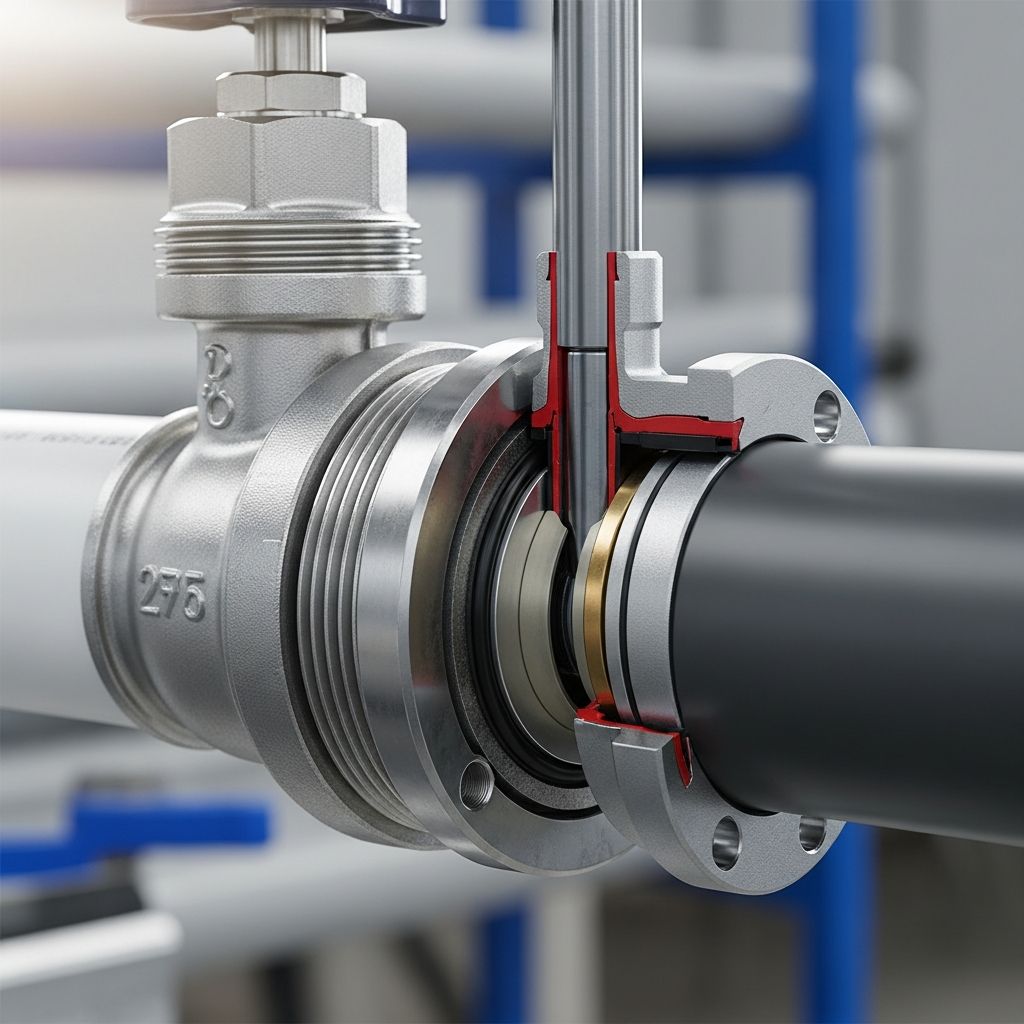
Joining Metal Valves to Plastic Pipes
Connecting metal shutoff valves to plastic pipes is a common task in home plumbing projects, from sink installations to toilet repairs. These connections bridge dissimilar materials—rigid plastics like PVC or CPVC with sturdy metals like brass—requiring specific adapters and techniques to prevent leaks and ensure longevity. This comprehensive guide outlines preparation, methods, tools, and troubleshooting for successful installations.
Understanding Material Compatibility
Plastic pipes, such as PVC (polyvinyl chloride) and CPVC (chlorinated polyvinyl chloride), expand and contract at different rates than metals due to temperature changes. Metal valves, often brass or chrome-plated, feature threaded ends that demand careful sealing. Improper joining can lead to cracks or failures, especially when inserting metal male threads into plastic female fittings, as thermal differences exacerbate stress.
Key considerations include pipe type: PVC suits drain lines, while CPVC handles hot water. Always verify local plumbing codes, which may mandate specific fittings for pressure systems.
Gathering Essential Tools and Materials
Proper equipment ensures clean cuts, strong bonds, and tight seals. Here’s what you’ll need:
- Cutting tools: Hacksaw, PVC pipe cutter, or tubing cutter for straight edges.
- Smoothing tools: Sandpaper (220-grit) or deburring tool to remove burrs.
- Adhesives: PVC/CPVC primer and cement for solvent welds; Teflon tape or pipe dope for threads.
- Adapters: Slip-fit adapters, threaded couplings, or push-to-connect fittings like SharkBite for quick installs.
- Wrenches: Adjustable wrench, channel locks for tightening without over-torquing.
- Measurement tools: Tape measure, marker for precise cuts.
- Extras: Pipe couplings for extensions, safety glasses, gloves, and a bucket for cleanup.
Stock up on extras; fittings are inexpensive but critical for retries.
Preparation Steps for Optimal Results
Before assembly, shut off the main water supply and drain lines to avoid floods. Measure pipe length twice—account for insertion depth into adapters (typically 1-2 inches). Mark cut lines clearly.
Cut the plastic pipe squarely using a hacksaw or cutter. Smooth edges immediately to prevent debris from compromising seals. For existing stub-outs short on length, extend with a coupling: solvent-weld a short pipe segment first, creating grip room for the valve.
| Pipe Type | Recommended Cut Method | Extension Needed? |
|---|---|---|
| PVC | Pipe cutter or hacksaw | If <2″ protrusion |
| CPVC | Tubing cutter (avoid brittleness) | Common for walls |
| PEX | PEX cutter | Use crimp/expansion |
Primary Installation Methods
Method 1: Solvent Weld with Threaded Adapter
This traditional approach suits PVC/CPVC. Select a plastic slip adapter with female threads matching the valve (e.g., 1/2-inch MIP).
- Apply primer to pipe end and adapter socket; let set 10-15 seconds.
- Brush cement generously on both; twist adapter onto pipe 1/4 turn for full contact.
- Wrap valve male threads clockwise with 4-6 layers of Teflon tape.
- Hand-thread valve into adapter, then tighten with wrenches—snug, not crushed (1/4 to 1/2 turn past hand-tight).
Drying time: 15-30 minutes for handling, 24 hours full pressure.
Method 2: Push-to-Connect Fittings
Ideal for novices, SharkBite or John Guest fittings grip pipe via O-rings and teeth—no tools beyond pipe prep.
- Ensure pipe is cut square, deburred, and dry (max 3.5″ insertion).
- Push valve firmly until it “clicks” or bottoms out; tug to verify hold.
- Rotatable post-install for alignment.
These excel in tight spaces but verify compatibility with plastic types.
Method 3: For Short Stub-Outs
If pipe barely protrudes:
- Solvent-weld a coupling inside the wall if accessible.
- Attach extension pipe, then slip adapter as above.
Avoid over-tightening; plastic threads strip easily.
Safety Precautions and Best Practices
Wear gloves—cements are toxic fumes. Work in ventilated areas. Test for leaks: pressurize slowly, check with soapy water.
- Avoid: Dry-fitting after cement (sets fast); metal-into-plastic without tape.
- Pro Tip: For CPVC, use hybrid cement; older pipes may be brittle—cut gently.
- Thermal Note: Dissimilar expansions demand flexible supply lines.
Troubleshooting Common Problems
| Issue | Cause | Solution |
|---|---|---|
| Leaks at weld | Uneven cut/poor cement | Re-cut, re-prime/cement |
| Thread leaks | Insufficient tape | Re-wrap, add dope |
| Cracked plastic | Over-torque | New fitting, gentler wrench |
| Push-fit slips | Burrs/dirt | Clean, deburr fully |
If persistent, consult a pro—codes vary.
Advanced Tips for Longevity
Upgrade to full-port ball valves for less restriction. Insulate cold lines to prevent condensation. Annual inspections catch wear early. For PEX hybrids, use crimp rings or expansion tools.
Cost and Time Estimates
- Materials: $10-30 (valve + fittings).
- Time: 30-60 minutes per valve + drying.
- DIY Savings: $100+ vs. plumber callout.
Frequently Asked Questions (FAQs)
Can I use PVC cement on CPVC?
Yes, if labeled for both; CPVC cement is safer for hot water.
How tight should threads be?
Hand-tight plus 1/4 turn; over-tightening cracks plastic.
Are push fittings code-approved?
Often yes, but check local IPC/UPC compliance.
What if my pipe is too short?
Extend with coupling and nipple inside wall access.
Does this work for toilets/sinks?
Yes, standard 3/8″ or 1/2″ valves fit most.
Maintenance After Installation
Operate valves quarterly to prevent seizing. Replace if weeping occurs. These joints, done right, last 20+ years.
References
- How do you connect a brass ball valve to PVC pipe? — Valve Valogin. 2023. https://valve.valogin.com/how-do-you-connect-a-brass-ball-valve-to-pvc-pipe/
- Attaching a Water Supply Valve to Plastic CPVC Pipe — See Jane Drill (YouTube). 2014-05-08. https://www.youtube.com/watch?v=vmoV_hQBJSg
- Shut-Off Valves — Lowe’s. Accessed 2026. https://www.lowes.com/pl/valves-valve-repair/shut-off-valves/1622200447
- Plumbing Day One – Installing a Main Line Shut-Off Valve — YouTube. Accessed 2026. https://www.youtube.com/watch?v=oA70J841axA
- How to Transition from Metal to PVC the RIGHT way — YouTube. Accessed 2026. https://www.youtube.com/watch?v=sb4ge_KYvvg
Similar Articles








Read full bio of medha deb